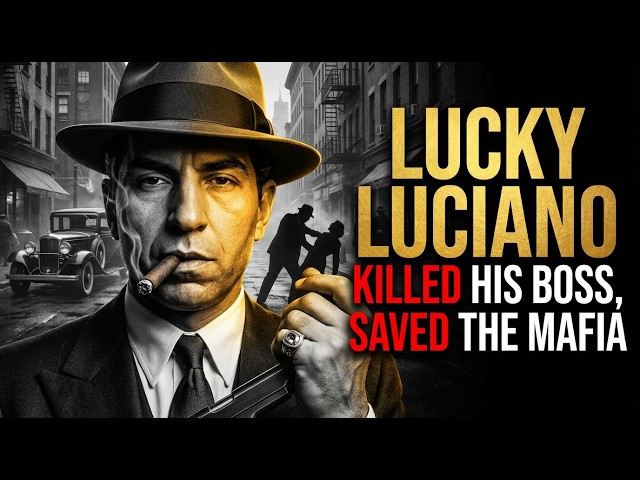
Up next in 10

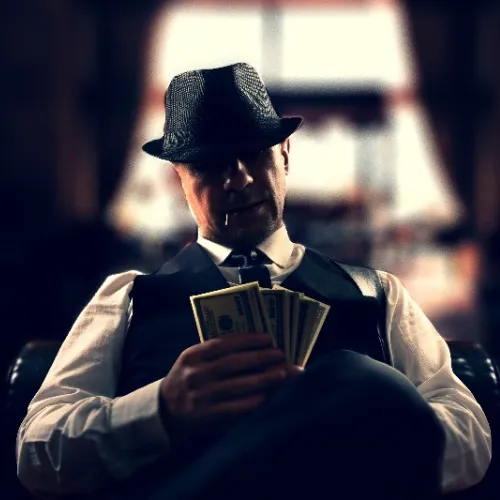
In April nineteen thirty-one, a man played cards in a Coney Island restaurant. By the time he set down his hand, four bullets had ended his reign — and everything about American crime was about to change.
Within six months, every old boss would be dead. And in their place, five men would sit in one room and draw lines on a map that still define organized crime today.
This is the true story of the meeting that created the American Mafia. The backroom deals. The blood oaths. The structure so sophisticated that the F-B-I spent fifty years trying to prove it existed.
Based on Senate testimony, court documents, and declassified F-B-I files. Some dialogue has been reconstructed for dramatic effect based on documented accounts.
The Commission. The Five Families. The rules that turned street gangs into a shadow government.
If you think the mafia was built on violence alone, you don't understand power.
📚 Sources & Further Reading:
→ Five Families: The Rise, Decline, and Resurgence of America's Most Powerful Mafia Empires (Selwyn Raab)
https://www.amazon.com/Five-Families-Decline-Resurgence-Americas/dp/0312361815
→ The Valachi Papers (Peter Maas)
https://www.amazon.com/Valachi-Papers-Peter-Maas/dp/0060507427
Show More Show Less View Video Transcript
0:00
Four bullets. That's all it took to end
0:02
a war and birth an empire. Cannai
0:04
Island, April 1931.
0:07
A restaurant called Newover Villa
0:09
Tamaro. Jusp Maseria sat alone at a
0:12
corner table. He'd been the most
0:14
powerful crime boss in New York for a
0:16
[music] decade. They called him Joe the
0:18
boss. And right now, he was playing
0:20
cards with the only man he still
0:22
trusted. The restaurant had emptied an
0:24
hour ago. The owner had locked the front
0:27
door. Outside, a black sedan waited with
0:30
its engine running. Inside, two men
0:33
played scoper while the coffee grew
0:35
cold. Maseria studied his cards. He
0:38
didn't notice when his companion excused
0:40
himself to use the restroom. He should
0:42
have because in that restroom, Charles
0:45
Luchano, they called him lucky, was
0:47
counting seconds. He'd planned this
0:49
moment for 2 years. He'd smiled at
0:52
Massia's jokes. He'd taken orders. He'd
0:54
kissed the ring. And now he was waiting
0:57
for the sound that would change American
0:59
history. The restaurant's back door
1:01
opened. Four men walked in. Veto Genov,
1:05
Albert Anastasia, Joe Adenis, Benjamin
1:08
Sieel. Each one owed their future to the
1:11
man about to die. Maseria looked up from
1:13
his cards. Four shots. His body [music]
1:16
slumped forward. The ace of spades
1:18
slipped from his fingers and landed face
1:20
up [music] in a pool of blood. By the
1:22
time police arrived, the killers were
1:24
gone. Luchano was back at the table. He
1:27
told detectives he'd been in the
1:28
bathroom when he heard the shots.
1:30
[music] He'd seen nothing. He knew
1:32
nothing. The cops didn't believe him,
1:34
but they couldn't prove otherwise. And
1:36
in the underworld, everyone understood
1:39
exactly what had happened. Joe, the
1:41
boss, was dead. Lucky Luchano had just
1:44
become the most powerful criminal in New
1:46
York. But here's what most people don't
1:48
understand. That assassination wasn't
1:51
the end of anything. It was just the
1:53
opening move. Now, before we go further,
1:56
a word about what you're watching. This
1:58
documentary reconstructs scenes and
2:00
dialogue based on court testimony,
2:03
Senate investigations, [music]
2:05
declassified FBI files, and accounts
2:08
from participants who later testified.
2:10
Some conversations are dramatized based
2:13
on documented events where the
2:15
historical record is uncertain, [music]
2:17
we'll say. So, the goal isn't to glorify
2:20
these men. It's to understand how they
2:22
built something that still exists today.
2:25
Because what happened in the 6 months
2:27
after Massia died would reshape
2:29
organized crime forever. The war that
2:32
had been tearing New York apart, they
2:34
called it the Castellamese war, had been
2:37
raging for nearly 2 years. The name came
2:40
from Castalameir del Gulfo, a town in
2:42
Sicily. Many of Maseria's rivals traced
2:46
their roots [music] there, and they'd
2:47
been killing each other over territory,
2:50
respect, and old world grudges since
2:52
1930. The body count was staggering.
2:55
According to some accounts, more than 60
2:57
men died in 18 months. Some historians
3:01
suggest the number was higher. Street
3:03
corners became execution grounds.
3:05
Barberhops became ambush sites. Every
3:08
funeral created three more. Luchano had
3:11
watched it all. And he'd seen something
3:13
the old bosses couldn't see. The war
3:16
wasn't about who would win. It was about
3:18
the fact that war itself was bad for
3:20
business. Every shooting brought police.
3:23
Every murder brought headlines. And
3:25
every headline made it harder to run the
3:27
rackets that actually generated money,
3:29
numbers running, labor racketeering,
3:32
bootlegging, which was still [music]
3:33
minting fortunes despite prohibitions
3:36
approaching end. The old bosses thought
3:38
in terms of territory and honor. Luchano
3:41
thought in terms of systems. And now
3:44
Maseria was dead. But the war wasn't
3:46
over because there was still one more
3:48
king on the chess board. Salvata
3:51
Moranzano. Pay attention to that name
3:54
because what happens next is easy to
3:56
miss. Moranzano was everything Masseria
3:59
wasn't. Where Maseria was crude and
4:01
impulsive, Moranzano was educated and
4:04
strategic. He'd studied for [music] the
4:06
priesthood in Sicily. He quoted Julius
4:09
Caesar. He structured his criminal
4:11
empire like the Roman legions he
4:13
admired. After Maseria's death,
4:16
Moranzano called a meeting. Hundreds of
4:18
men gathered in a banquet hall in the
4:21
Bronx. Some accounts say 500. The
4:24
purpose was clear. Moranzano intended to
4:26
declare himself the undisputed ruler of
4:29
the underworld. Karpo Dati Cappy, boss
4:32
of all bosses. He stood before that
4:35
crowd and announced a new order. He
4:37
divided the New York underworld into
4:39
five families. He placed loyal men at
4:42
the head of each. And he placed himself
4:44
above them all. The supreme authority
4:46
who would settle disputes and collect
4:48
tribute. Luchano sat in that audience.
4:51
He applauded when everyone else
4:53
applauded. [music] He nodded when the
4:55
room nodded. And inside he was already
4:57
planning Moranzano's death. Here's why.
5:00
[music] Moranzano had made the same
5:02
mistake as Maseria. He thought in terms
5:05
of crowns and kingdoms. [music] He
5:07
wanted to be a king and kings create
5:09
resentment. Kings create targets. Kings
5:13
create the very wars they claim to
5:15
prevent. [music] Luchano understood
5:17
something different. He'd spent years
5:19
working alongside Mayor Lansky and
5:21
Benjamin Sieel, Jewish gangsters who
5:24
would never be welcomed into the
5:25
traditional Italian organization. He'd
5:28
seen how business could cross ethnic
5:30
lines when profit was the only loyalty
5:32
that mattered. And he'd realized that
5:35
the old Sicilian model, the single boss
5:37
who ruled by fear, was obsolete. It had
5:41
worked in villages. It didn't work in
5:43
New York. What worked was a corporation.
5:46
But this next detail changes everything
5:48
we thought we knew. [music] Moranzano
5:51
wasn't just sitting on his throne
5:52
waiting to be overthrown. According to
5:55
later testimony, he was already planning
5:58
to eliminate everyone who might
5:59
challenge him. The FBI later claimed he
6:02
had a list and Lucky Luchano's name was
6:05
at [music] the top. This wasn't paranoia
6:07
on Luchano's part. Multiple sources,
6:10
including testimony that would emerge
6:12
decades later, suggest Moranzano had
6:15
contacted an outside killer, a
6:17
professional from out of town, someone
6:19
with no ties to New York who could
6:21
eliminate Luchano and vanish. The race
6:24
was on and neither man knew who would
6:27
strike first. September 10th, 1931.
6:31
Moranzano's office, a suite in the New
6:34
York Central building at 230 Park
6:36
Avenue. He'd called a meeting with
6:38
Luchano and veto Genov for that
6:40
afternoon ostensibly to discuss
6:43
business, but Luchano had received a
6:45
warning. Some accounts credit Mayor
6:47
Lansky. Others point to an informant
6:50
inside Moranzano's organization. The
6:53
details are disputed. The outcome isn't.
6:56
Luchano didn't show up. Instead, four
6:59
men arrived at Moranzano's office around
7:02
2:00 in the afternoon. They flashed
7:04
badges. They claimed to be federal
7:06
agents conducting a tax investigation.
7:09
Moranzano's bodyguards let them pass.
7:12
The men walked into Moranzano's private
7:14
office. [music] They weren't federal
7:16
agents. Moranzano fought back. Witnesses
7:19
heard shouting, then gunfire. When it
7:22
was over, the boss of all bosses had
7:24
been shot four times and stabbed six.
7:26
[music] He'd ruled the underworld for
7:28
exactly 5 months. And now, in the space
7:31
of 166 days, both sides of the war had
7:35
been decapitated. Maseria was dead.
7:38
Moranzano was dead. The two men who torn
7:41
New York apart were gone. The question
7:43
that remained was the most dangerous one
7:45
of all. What happens now? Because here's
7:48
what everyone watching understood. The
7:50
old bosses were dead, but the family
7:52
still existed. Five organizations,
7:56
thousands of men, millions of dollars in
7:58
ongoing rackets, and no clear
8:00
leadership. This was the moment that
8:02
could have produced another war, a worse
8:05
war. Every ambitious captain could have
8:07
made a move. Every family could have
8:09
grabbed for territory. The bloodbath
8:11
that followed could have dwarfed
8:13
everything [music] that came before. It
8:15
didn't happen. And the reason it didn't
8:17
happen is the real story of how the
8:19
American mafia was born. Because within
8:22
weeks of Moranzano's death, something
8:25
unprecedented occurred. The heads of the
8:28
five New York families sat down together
8:30
in a single room. And they didn't kill
8:32
each other. They talked. The man who
8:35
arranged that meeting. The man who set
8:37
the agenda. The man who proposed a
8:40
structure so sophisticated it would take
8:42
federal investigators 50 years to fully
8:45
understand it. That man was Lucky
8:47
Luchano and what he proposed in that
8:50
room would become the foundation of
8:52
organized crime in America for the next
8:54
90 years. The meeting happened, some
8:57
accounts [music] place it in Chicago,
8:59
others in New York. The exact location
9:02
remains disputed among historians. What
9:05
isn't disputed is what emerged from it.
9:08
a new structure, a new system, a new way
9:11
of doing business that would transform
9:13
street gangs into something that
9:15
resembled, in Luchano's own words, a
9:17
corporation. No more boss of all bosses.
9:21
No more single king to resent and
9:23
eventually murder. Instead, something
9:26
the participants would come to call the
9:28
commission. But before we can understand
9:30
what the commission was, we need to
9:32
understand who was sitting at that
9:34
table. Because the five men who walked
9:36
into that room would establish dynasties
9:38
that still bear their names today.
9:40
[music] And one of them, a man whose
9:43
ambition was already obvious to everyone
9:45
watching, would eventually try to seize
9:48
the very crown Luchano had just
9:50
abolished. His name was Joseph Banano,
9:53
and he was the youngest boss in the
9:55
room. [music] That's important. Hold on
9:57
to it because what happened next would
9:59
determine whether this new system would
10:01
survive its first test or collapse into
10:04
the same blood soaked chaos it was
10:06
designed to prevent. The five families
10:09
had been named. The meeting had been
10:11
called. But sitting at a table is one
10:13
[music] thing. Agreeing on rules that
10:16
would bind killers and thieves, men who
10:18
had spent their lives taking what they
10:20
wanted. That was something else
10:22
entirely. How do you build trust among
10:25
men who trust no [music] one? The answer
10:27
Luchano found would become the greatest
10:29
innovation in the history of organized
10:32
crime. [music] And it started with a
10:34
simple question he posed to everyone in
10:37
that room. The question was simple and
10:39
it changed everything. Luchano looked
10:42
around the table at men who had killed
10:43
for less than a wrong look. Men who had
10:46
spent years fighting for territory, for
10:48
respect, for the right to call
10:50
themselves boss. And he asked them this,
10:53
"What if nobody has to die to make a
10:55
decision?" The room went quiet. Think
10:57
about what that meant to men like these.
11:00
Their entire world operated on violence.
11:03
Disputes were settled with bullets.
11:05
Disrespect was answered with blood. The
11:07
strong took from the weak, and the weak
11:09
either got stronger or got buried. And
11:12
here was Luchano proposing something
11:14
that sounded almost civilized. A
11:17
council, [music]
11:18
a governing body where the heads of each
11:19
family would sit as equals, where
11:22
disputes would be discussed before guns
11:24
were drawn. Where the biggest decisions,
11:26
war, territory, major operations, would
11:29
require agreement, not [music] conquest.
11:32
He called it the commission. The men at
11:34
that table listened, and slowly, one by
11:37
one, they began to understand what
11:39
Luchano was really offering. not peace.
11:42
Peace was for civilians. What Luchano
11:44
offered was profit because the real
11:47
enemy wasn't across the table. [music]
11:49
The real enemy was chaos. Every war
11:51
brought police attention. Every murder
11:54
brought newspaper headlines and every
11:56
headline made it harder to run the
11:58
rackets that actually generated wealth.
12:00
The bootlegging operations alone were
12:03
worth tens of millions annually. [music]
12:05
The numbers rackets in Harlem, Brooklyn,
12:07
and the Bronx pulled in fortunes every
12:10
week. Labor racketeering had its hooks
12:12
in the docks. The garment industry,
12:14
construction, and all of it required
12:17
stability to function. War was
12:19
expensive. War was inefficient. War was
12:22
bad for business. [music] Luchano wasn't
12:24
appealing to their better nature. He was
12:26
appealing to their greed. And greed, it
12:29
turned out, was the only language
12:31
everyone at that table spoke fluently.
12:34
The structure he proposed was elegant in
12:36
its simplicity. [music]
12:37
Five families would control New York.
12:40
Each family would have absolute
12:42
authority within its designated
12:44
territory and designated industries.
12:46
[music]
12:46
No family could interfere with another's
12:49
operations without commission approval.
12:51
But here's where Luchano's genius
12:53
showed. He didn't just create a
12:55
parliament. [music] He created
12:57
consequences. Any family that violated
13:00
the rules, that started a war without
13:02
approval, that moved on another family's
13:05
territory, that killed a made man
13:07
without authorization, would face the
13:09
combined power of all the others, one
13:12
against four. Those odds kept everyone
13:15
honest, and at the top, no single boss
13:17
would rule. [music] The commission
13:19
itself would be the highest authority.
13:21
Decisions would be made collectively.
13:24
Votes would be taken. The majority would
13:26
rule. It was, according to some
13:29
historians, the closest thing to a
13:31
criminal constitution America had ever
13:33
seen. The five families who sat at that
13:36
original table would become legends.
13:38
[music] Their names would echo through
13:40
nine decades of American crime. The
13:43
Luchano family, later renamed Genovese
13:46
after Veto Genov, eventually took
13:48
control. The Mangano family, later
13:51
called Gambino, [music] which would
13:53
become the most famous of all. The
13:56
Gaglano family, later known as Luis, the
13:59
Prophesy family, eventually renamed
14:02
Colombo, [music]
14:03
and the Moranzano family, now led by
14:05
Joseph Banano, the youngest boss in the
14:08
room, just 26 years old. Banano would
14:11
later write a memoir. In it, he
14:13
described these early meetings with
14:15
something approaching nostalgia. He
14:17
called the other bosses men of honor. He
14:20
described the commission as a board of
14:22
directors. But Banano also revealed
14:25
something else in those pages. Something
14:27
that mattered. He never [music] stopped
14:29
believing he should be in charge. That
14:31
ambition would sleep for three decades.
14:34
Then it would wake up. And when it did,
14:36
[music] it would nearly destroy
14:38
everything Luchano had built. But that's
14:40
a story for later. Hold on to it.
14:42
[music] Now, here's where the story
14:44
takes a turn no one expected. The
14:46
commission didn't just manage New York.
14:49
Within months of its creation, its
14:51
influence spread across the country.
14:54
Chicago already had its own organization
14:56
under Al Capone's successors, [music]
14:58
the outfit they called it. But the
15:01
outfit sent representatives to meet with
15:03
the commission. So did the families in
15:05
Buffalo, in Cleveland, in Detroit,
15:07
[music]
15:08
in Kansas City, in New Orleans.
15:11
According to FBI files that would be
15:13
declassified decades later. Commission
15:16
representatives traveled to more than 20
15:18
cities in the years following its
15:20
formation. They didn't conquer these
15:22
territories. They didn't demand tribute.
15:25
They offered something more valuable. A
15:27
system, a way of doing business that
15:29
protected everyone. Mutual recognition,
15:33
dispute resolution. The promise that if
15:35
you followed the rules, you would be
15:37
protected by the rules. The American
15:39
mafia wasn't created by violence. It was
15:42
created by organization. This pattern
15:45
repeated in Philadelphia, in Tampa, in
15:48
Los Angeles. [music]
15:50
The structures varied. The autonomy
15:52
differed. But the principle remained
15:54
constant. [music]
15:55
Cooperation paid better than conflict.
15:57
Take a breath. Because from here on, the
16:00
story only gets darker. The commission's
16:03
first real [music] test came faster than
16:05
anyone expected. And it involved a man
16:07
who refused to play by anyone's rules,
16:10
Dutch Schultz. Schultz wasn't Italian.
16:13
He was Jewish. Born Arthur Fledge Hamer
16:15
in the Bronx, but he'd built an empire
16:18
in the numbers racket and bootlegging
16:20
that rivaled anything the Italian
16:22
families controlled. He was violent,
16:24
erratic, and according to nearly
16:26
everyone who worked with him, completely
16:28
unpredictable. In 1935, Schultz had a
16:32
problem. Thomas Dwey. Dwey was a federal
16:35
prosecutor building cases against
16:37
organized crime. He was methodical. He
16:40
was incorruptible. And he had decided
16:42
that Dutch Schultz would be his first
16:44
major target. Schultz's [music]
16:46
solution was simple. Kill Dwey. He
16:49
brought this proposal to the commission.
16:51
He wanted authorization to murder a
16:53
federal prosecutor. [music]
16:54
The room fell silent. Every boss
16:57
understood the implications. Killing a
16:59
prosecutor would bring heat like nothing
17:01
they'd ever experienced. [music]
17:03
The federal government would declare
17:05
war. Every resource would be mobilized.
17:08
Every family would suffer. [music]
17:09
Luchano spoke first. According to
17:12
accounts that emerged later, he laid out
17:14
the calculation clearly. Schultz's
17:17
personal problem would become everyone's
17:19
problem. The commission existed
17:21
precisely to prevent this kind of
17:23
reckless action. The vote was unanimous.
17:26
No. Schultz left the meeting enraged and
17:29
he made a decision that sealed his fate.
17:31
He announced he would kill Dwey anyway.
17:34
Commission approval or not. What
17:36
happened next demonstrated exactly how
17:38
the new system worked. The commission
17:40
met again, this time without Schultz and
17:43
they voted on a different question
17:45
entirely. The murder was sanctioned. The
17:48
executioners were dispatched. On October
17:50
23rd, 1935, Schultz was shot in a Newark
17:54
ch house. He died the next day, mumbling
17:57
incoherently about money and enemies.
18:00
Duey lived. He would go on to become
18:02
governor of New York. He never knew how
18:04
close he'd come to assassination or that
18:07
the very criminals he hunted had saved
18:09
his life for purely practical reasons.
18:12
But here's what mattered about Schultz's
18:14
death. It wasn't about revenge. It
18:16
wasn't about territory. It was about the
18:18
rules. Schultz had been given a direct
18:21
order by the commission. He'd refused.
18:23
And so he had to go. The message rippled
18:26
through the underworld. The commission
18:28
wasn't a suggestion. It wasn't a
18:30
courtesy. It was law. And violating it
18:32
meant death. Stop. Rewind that in your
18:35
mind. Because it matters. The mafia
18:38
didn't survive because it was violent.
18:40
Violence was everywhere in the
18:42
underworld. The mafia survived because
18:44
it had rules that everyone believed in,
18:47
not because the rules were just, but
18:49
because breaking them was fatal. Luchano
18:51
had created something the sociologists
18:54
would later call a credible commitment
18:56
mechanism. The commission only worked if
18:58
everyone believed it would punish
19:00
defectors. Schultz's corpse [music]
19:02
became proof that it would. This is the
19:04
core insight. Write it down if you need
19:07
to because we're not coming back to it.
19:09
Violence creates chaos. Structure
19:12
creates power. And the commission's
19:14
genius was that it used the threat of
19:16
overwhelming violence to prevent the
19:18
constant low-level violence that had
19:20
made the old system unstable. [music] It
19:23
was in its own dark way a kind of peace.
19:26
By 1936, the system was operational. The
19:30
five families had settled into their
19:32
territories. The commission met
19:34
regularly. Some accounts suggest
19:36
quarterly. Others say only when major
19:38
issues arose. Either way, the structure
19:41
held. Luchano himself was no longer in
19:44
New York. In 1936, DUI had finally
19:48
gotten his conviction, not for murder or
19:50
rakateeering, but for running a
19:52
prostitution ring. Luchano was sentenced
19:55
to 30 to 50 years. [music] He'd spend
19:58
the next decade in Clinton Correctional
20:00
Facility, but even from prison, his
20:02
influence remained. Frank Costello ran
20:05
day-to-day operations for his family.
20:08
The commission continued to function and
20:10
the system Luchano designed proved it
20:13
could survive without its creator. That
20:15
was the real test. Any organization can
20:18
work when its founder is present.
20:20
[music] The question is whether it works
20:22
when he's gone. The commission passed
20:24
that test for years, then decades. But
20:28
there was a flaw in the design, a flaw
20:30
that Luchano himself may not have
20:32
anticipated. He'd eliminated the title
20:35
of boss of all bosses. He'd created a
20:38
council of equals, but he'd never solved
20:40
the fundamental problem of human
20:42
ambition. What happens when one of those
20:45
equals decides he wants to be more than
20:47
equal? What happens when someone decides
20:50
the rules don't apply to him? The
20:52
commission had survived its first test
20:54
with Schultz. It would face a much
20:56
greater test in the decades to come. a
20:59
test that would come from inside the
21:01
room from one of the original five
21:03
families. And it would involve a plan so
21:06
audacious that when the FBI finally
21:08
uncovered evidence of it, agents
21:11
initially refused to believe their own
21:13
informants. A plan [music] to
21:15
assassinate every other boss in a single
21:17
day and to emerge as the sole ruler of
21:20
the American underworld. The man who
21:22
conceived this plan had been sitting at
21:24
Luchano's table [music] since the very
21:26
beginning. He'd smiled. He'd voted. He'd
21:30
shook hands and called his fellow bosses
21:32
friends. His name was Joseph Banano. And
21:35
his ambition was about to tear the
21:37
commission apart. For 30 years, Joseph
21:40
Banano waited. He attended the
21:42
commission meetings. He voted on
21:44
disputes. He smiled at the other bosses
21:47
and called them friends. He built his
21:49
family into one of the most disciplined
21:51
organizations in the country. operations
21:54
stretching from New York to Arizona,
21:57
from cheese distribution to funeral
21:59
homes. And the whole time, according to
22:02
accounts that would emerge later, he
22:04
never stopped believing that the system
22:06
Luchano created was temporary, a
22:09
stepping stone, a structure that would
22:11
eventually give way to something older,
22:14
something purer, a single ruler, a boss
22:17
of all bosses, him. But before we go
22:19
further, there's something the other
22:21
bosses never explained. [music] Banano
22:23
wasn't just ambitious. He was patient.
22:26
And patience in this world was more
22:28
dangerous than violence. Because a
22:30
patient man could plan. A patient man
22:33
could wait for exactly the right moment.
22:35
A patient man could smile at you for
22:37
decades while designing your death. The
22:40
moment Banano had been waiting for
22:42
arrived in the early 1960s. The original
22:45
founders were dying off. Luchano had
22:48
been deported to Italy after the war and
22:50
would die of a heart attack in 1962.
22:53
[music] Frank Costello had survived an
22:55
assassination attempt and retired. The
22:58
old guard who remembered why the
23:00
commission was created, who remembered
23:02
the chaos before, the blood, the waste.
23:05
They were fading. A new generation was
23:08
rising. Men who had inherited power
23:10
rather than seized it. Men who, in
23:13
Banano's view, lacked the vision to
23:15
lead. and Banano saw an opportunity.
23:18
According to testimony that would emerge
23:20
from FBI informants and later government
23:23
investigations, [music]
23:24
Banano developed a plan sometime in 1963
23:27
or 64. [music] The details remain
23:30
disputed, but the broad strokes,
23:33
according to multiple sources, were
23:35
staggering in their ambition. He
23:37
allegedly planned [music] to assassinate
23:39
the heads of several commission
23:40
families. Some accounts suggest he
23:43
intended to kill Carlo Gambino, Tommy
23:45
Lucis, and Stefano Magadino, his own
23:48
cousin who ran the Buffalo family. The
23:52
goal, if these accounts are accurate,
23:54
was to eliminate all rivals in a single
23:56
coordinated strike [music] and emerge as
23:58
the undisputed ruler of organized crime.
24:02
One man, total control. Exactly what
24:05
Luchano had designed the commission to
24:08
prevent. Now, here's where the story
24:10
takes a turn. No one expected. The plot,
24:13
if it existed as described, never
24:15
happened because someone talked. The
24:18
details of how the commission learned of
24:20
Banano's alleged plan remain murky. Some
24:23
accounts credit an informant within
24:25
Banano's own organization. Others
24:27
suggest the other bosses simply
24:29
recognized the signs. When you've
24:32
survived in this world for decades, you
24:34
develop instincts for betrayal. What
24:37
happened next is documented. [music]
24:38
In October 1964, Banano was scheduled to
24:42
appear before a grand jury investigating
24:45
organized crime. [music]
24:47
The night before his testimony, he left
24:49
his lawyer's apartment on Park Avenue.
24:52
He never arrived home. Two men grabbed
24:54
him on the street. Witnesses heard him
24:57
shout. Then he vanished. For 2 years, no
25:00
one knew where Joseph Banano was. The
25:02
newspapers called it the Banana War, a
25:05
mocking name for a crisis that nearly
25:07
shattered the organization Luchano had
25:10
built. [music] The commission faced a
25:11
choice. Banano had allegedly violated
25:14
the most fundamental rule, [music]
25:16
planning to move against fellow bosses
25:18
without authorization. The punishment
25:20
for that was clear, death. But Banano
25:24
was also a founding member, one of the
25:26
original five. Killing him would set a
25:29
precedent that no one was safe. And if
25:31
no one was safe, why follow the rules at
25:34
all? This next detail changes everything
25:36
we thought we knew. [music] They didn't
25:38
kill him. When Banano finally resurfaced
25:41
in 1966, appearing before a federal
25:44
judge in Manhattan, the commission had
25:47
already made its decision. He would be
25:49
allowed to live, but his power was gone.
25:52
The Banano family was divided. Some of
25:54
his captains had already switched
25:56
allegiance to a new boss [music] the
25:58
commission had installed. Others
26:00
remained loyal, creating a civil war
26:02
within the organization that would drag
26:04
on for years. Banano himself was
26:07
effectively exiled, allowed to retire to
26:10
Arizona, where he would live another 36
26:13
years, writing his memoirs and granting
26:16
interviews until his death in 2002. But
26:19
the commission had survived, wounded,
26:21
weakened, but intact. Pay attention to
26:24
what happens next. It's easy to miss.
26:27
The banano crisis revealed something
26:29
crucial about the system Luchano had
26:31
built. It wasn't indestructible. It
26:34
wasn't even stable. It survived because
26:36
enough powerful men decided it was more
26:39
valuable than the alternatives. That
26:41
calculation required constant
26:43
maintenance. Every generation someone
26:46
would have to choose the system over
26:48
their own ambition, and every generation
26:51
someone would have to lose. The 1970s
26:54
tested this [music] balance like never
26:56
before. The heroin trade was exploding.
26:59
The profits were astronomical. Tens of
27:01
millions flowing through organizations
27:04
that had been built on numbers rackets
27:06
and labor shakedowns. And heroine
27:08
changed everything. The old bosses had
27:11
been cautious about narcotics. [music]
27:13
Luchano himself had allegedly warned
27:15
against it. Not because of morality.
27:18
These weren't moral men, but because of
27:20
heat. Drug trafficking brought federal
27:23
attention that dwarfed anything else and
27:25
the sentences were devastating. But the
27:28
money was irresistible and a new
27:30
generation of earners was willing to
27:32
take the risk. [music] The commission
27:34
tried to manage it. Some families
27:36
officially banned drug dealing while
27:38
quietly taking a cut from crews who did
27:40
it anyway. Others dove in directly. The
27:44
rules became contradictions. The
27:46
contradictions became weaknesses.
27:48
[music] And then came the man who would
27:50
exploit every weakness the system had.
27:52
John Goty. Goty rose through the Gambino
27:56
family in the 1970s. He was everything
27:58
the old bosses weren't. Flashy, public,
28:02
addicted to attention. [music]
28:03
He wore thousand suits and talked to
28:05
reporters. He held Fourth of July
28:07
parties in his Queen's neighborhood that
28:09
drew crowds and cameras. [music] The old
28:12
ways demanded silence. Omita, the code
28:15
that said you never spoke about the
28:17
life, never acknowledged its existence,
28:19
never gave the authorities anything they
28:21
could use. Goti treated Omar like a
28:24
suggestion, but he was also effective.
28:27
His crew earned his loyalty was fierce,
28:30
[music] and when the boss of the Gambino
28:32
family, Paul Castellano, started making
28:35
decisions that got his faction disagreed
28:37
with, the stage was set for another
28:39
crisis.
28:40
>> [music]
28:40
>> December 16, 1985. Midtown Manhattan,
28:44
Spark Steakhouse. Castalano stepped out
28:47
of his Lincoln Town car. He was there
28:49
for a meeting. Four men in trench coats
28:52
and fur hats approached through the
28:54
crowd of Christmas shoppers. They pulled
28:56
guns. Six shots. Castellano fell dead on
28:59
the sidewalk. His under boss, Thomas
29:02
Bilotti, was killed seconds later.
29:04
Across the street sitting in a car with
29:06
a clear view of the execution was John
29:09
Goty. Within weeks he had declared
29:11
himself boss of the Gambino family and
29:14
he had not asked the commission's
29:15
permission. Stop. Rewind that in your
29:18
mind because it matters. This was
29:20
exactly what the commission had been
29:22
designed to prevent. An unauthorized hit
29:25
on a sitting boss. A power grab without
29:27
consultation. The kind of move that had
29:30
started wars in the 1920s [music] and
29:32
nearly destroyed everything in the
29:34
1960s. But the commission did nothing.
29:38
Why? The answer reveals how much had
29:40
changed since Luchano's day. The
29:43
commission was weakened. The Banano
29:45
family was still in chaos. The Colombo
29:48
family had its own internal conflicts.
29:51
Federal prosecutions were decimating
29:53
leadership across all five families.
29:55
[music]
29:55
The FBI had finally acknowledged the
29:58
mafia's existence, something they'd
30:00
denied for decades, and the pressure was
30:02
relentless. No one had the strength to
30:05
challenge Goti, and Goti knew it. For
30:08
the next 6 years, he operated as if the
30:10
rules didn't apply. [music] He
30:12
cultivated his image. He beat three
30:14
federal cases, earning the nickname the
30:16
Teflon Dawn. He held court at the Rave
30:19
Knight Social Club in Little Italy,
30:21
where he knew the FBI was watching and
30:23
didn't care. He was, [music] according
30:26
to some accounts, the most famous mob
30:28
boss since Al Capone. And like Capone,
30:31
his fame would be his undoing because
30:34
the FBI wasn't just watching, they were
30:36
[music] listening. In 1988, agents
30:39
installed a bug in an apartment above
30:41
the rave night. For 3 years, they
30:43
recorded everything. Goty discussing
30:46
murders. Goty insulting other bosses.
30:49
Goty admitting to crimes in his own
30:51
voice, in his own words. The tapes were
30:54
devastating, and they revealed something
30:56
even more damaging than Goty's crimes.
30:58
They revealed how the commission had
31:00
been hollowed out, how the rules had
31:02
become suggestions, how the structure
31:04
that Luchano built was surviving on
31:07
reputation alone with no real
31:09
enforcement behind it. December 1990,
31:12
Goti was arrested for the final time.
31:15
The charges included murder,
31:17
racketeering, and crucially, the
31:20
unauthorized assassination of Paul
31:22
Castellano. When the tapes were played
31:24
in court, the jury heard Goty in his own
31:27
voice, dismantling the myth of the
31:30
unbreakable code. He was convicted in
31:32
1992. He died in prison 10 years later.
31:36
He never ruled the streets again, but
31:39
the damage was done. The FBI had proven
31:41
that the mafia could be penetrated, that
31:44
Omata could be broken, [clears throat]
31:46
that even the most powerful bosses could
31:48
be brought down with patience and
31:50
technology. The commission still
31:52
existed. The five families still
31:54
operated, but something fundamental had
31:57
changed. The system that Luchano built
31:59
in 1931 had been designed for a world
32:03
without electronic surveillance. A world
32:06
where loyalty was enforced by fear. A
32:09
world where the government didn't
32:10
believe organized crime existed. [music]
32:13
That world was gone. And the question
32:15
that remained, the question that would
32:17
define the next three decades was
32:19
whether the structure could adapt,
32:21
whether something built for the shadows
32:23
could survive in the light, or whether
32:25
the meeting in 1931 had created
32:28
something that was always destined to
32:30
collapse. The five families are still
32:32
here, the names still echo, Gambino,
32:36
Genovese, Luciz, Columbbo, Banano. But
32:39
are they still the same organizations
32:41
that Luchano designed? Or are they
32:44
something else entirely? Remnants,
32:46
shadows, echoes of a power that peaked
32:49
decades ago. The answer depends on who
32:51
you ask, and it depends on what you
32:54
believe power really [music] means. In
32:56
part four, we'll return to where we
32:57
started, a room, five men, a handshake,
33:01
and we'll ask the only question that
33:03
matters. Did they build something that
33:05
lasts, or did they just delay the
33:08
inevitable? Because the commission was
33:09
designed to prevent war, to create
33:12
stability, to allow profit, but it was
33:14
built by men who lived by violence. And
33:17
empires built by violence have a way of
33:19
dying the same way they were born. 1931,
33:23
a room, five men, a handshake. 90 years
33:27
later, the names are still here.
33:29
Gambino, Genovese, Luis, Columbbo,
33:32
Banano. The FBI still tracks them. The
33:35
newspapers still write about them. The
33:37
indictments still come year after year,
33:40
generation after generation. But here's
33:42
the question no one can answer
33:44
definitively. Is the commission still
33:46
real? Or is it a ghost, a name attached
33:49
to something that died decades ago? The
33:52
evidence is contradictory, and that's
33:55
the point. In 2007, federal prosecutors
33:58
indicted leaders from all five families
34:01
on racketeering charges. The indictment
34:04
explicitly referenced the commission,
34:06
describing [music] it as an ongoing
34:08
criminal enterprise that still governed
34:10
organized crime in New York. Meetings
34:13
still happened. Disputes were still
34:15
resolved. The structure, according to
34:18
prosecutors, remained intact, but other
34:21
observers tell a different story. Former
34:23
FBI agents who spent careers tracking
34:26
the families [music] have described a
34:28
fragmented landscape. smaller crews
34:30
operating independently, leadership
34:33
decimated by decades of prosecutions.
34:36
The old discipline eroded by informants
34:38
and cooperating witnesses, [music]
34:40
something that barely existed in
34:42
Luchano's day. But before we go further,
34:45
there's something the [music] historians
34:47
never explained. Maybe both stories are
34:50
true. Maybe the commission exists as a
34:52
name, a tradition, a way of doing
34:54
business that echoes through
34:55
generations. [music] And maybe it also
34:58
exists as a shadow of what it was.
35:00
Weaker, smaller, less unified, but still
35:03
[music] present. Structures don't die
35:05
all at once. They fade, they adapt. They
35:08
become something different while wearing
35:10
the same name. The Roman Empire didn't
35:13
fall in a day. It declined over
35:15
centuries, transforming [music] into
35:17
something its founders wouldn't
35:18
recognize while still calling itself
35:20
Rome. The Holy Roman Empire claimed that
35:23
lineage for a thousand years, even when
35:25
it bore no resemblance to what Caesar
35:27
built. Names outlast the things they
35:30
describe. That's not failure. That's how
35:33
power works. Consider what the five
35:35
families built. [music] In 1931,
35:38
organized crime was chaos, gangs killing
35:41
gangs, territory shifting weekly, no
35:44
structure that could survive a single
35:46
leader's death. By 1950, it was an
35:49
institution. By 1970, it had infiltrated
35:52
labor unions, construction, garbage
35:55
hauling, the waterfront. Legitimate
35:57
businesses served as fronts. Political
36:00
connections ran deep. The tentacles
36:02
reached into every major city in
36:04
America. That didn't happen by accident.
36:07
It happened because of what Luchano
36:09
designed in that room. Not just the
36:11
commission. The whole system, the
36:13
hierarchy, [music] the rules of
36:15
membership, the concept of made men who
36:18
were protected by the organization, the
36:20
protocols for settling disputes without
36:23
bloodshed, the understanding that
36:25
cooperation produced more profit than
36:27
competition. This next detail changes
36:30
everything we thought we knew. The
36:32
mafia's greatest innovation wasn't
36:34
violence. Violence was common. [music]
36:37
Every gang had violence. What the mafia
36:40
had was something rarer. Institutional
36:42
memory, knowledge passed from boss to
36:44
captain to soldier, methods refined over
36:47
generations, relationships maintained
36:50
across decades, an understanding of how
36:53
to operate within systems, legal
36:55
systems, political systems, economic
36:58
systems that street [music] gangs never
37:00
developed. The five families survived
37:03
federal prosecutions that should have
37:05
destroyed them. The Gambinos lost Goty
37:08
and kept operating. The Genovves lost
37:10
boss after boss to prison and adapted.
37:13
The structure absorbed the hits and
37:15
continued. That resilience isn't magic.
37:19
It's design. And it traces back to that
37:21
room in 1931
37:23
to the moment when Lucky Luchano looked
37:26
at four other men and [music] proposed
37:28
something unprecedented. He didn't ask
37:30
them to trust each other. Trust was
37:32
impossible among men like these. He
37:35
asked them to recognize a shared
37:37
interest to see that the system
37:39
benefited everyone more than any
37:41
individual grab for power. It was in its
37:44
own way a social contract not built on
37:47
laws enforced by governments, built on
37:50
consequences enforced by the families
37:52
themselves. And for 90 years that
37:54
contract held. That silence says
37:57
everything. Consider how rare that is.
38:00
How many organizations survive nine
38:03
decades? How many family businesses last
38:05
four generations? How many governments
38:08
maintain the same basic structure for
38:10
nearly a century? The commission
38:12
outlasted the Soviet Union. It outlasted
38:16
dozens of American presidential
38:18
administrations. It outlasted
38:20
technological revolutions that
38:22
transformed every other aspect of
38:24
society. The men who built it are all
38:27
dead. Luchano died in 1962.
38:31
Banano in 2002. The youngest person who
38:34
sat in that original room has been gone
38:36
for decades. But the thing they created
38:39
outlived them all. That doesn't mean it
38:41
will last forever. Nothing does. The
38:44
pressures on organized crime [music]
38:46
today are different from anything
38:47
Luchano faced. Rico statutes give
38:51
prosecutors weapons that didn't exist in
38:53
the 1930s.
38:55
Electronic surveillance penetrates every
38:58
conversation. Informants are everywhere.
39:00
The omitar that once protected the
39:02
families has been broken so many times
39:05
it barely functions as a norm and the
39:07
money has shifted. The rackets that
39:10
built the families, bootlegging numbers,
39:12
labor racketeering have been replaced or
39:15
diminished. Gambling is legal in most
39:17
states. Labor unions are weaker. The
39:21
opportunities that once required
39:23
organized crimes particular skills can
39:26
often be pursued through legitimate
39:28
channels. [music] Some observers suggest
39:30
the families have adapted, moving into
39:32
new areas, cyber crime, prescription
39:35
drug trafficking, online gambling.
39:38
Others argue they've retreated, [music]
39:40
maintaining their traditional
39:42
territories with diminished resources
39:44
while newer criminal organizations rise.
39:47
The truth probably lies somewhere in
39:49
between, and it will say everything.
39:52
[music] Here's what we know for certain.
39:54
The structure Luchano built in 1931
39:57
transformed American organized crime. It
40:00
created something that could survive the
40:02
death of any individual leader. It
40:05
provided a framework for cooperation
40:07
that reduced the constant warfare of the
40:09
previous era. It allowed criminal
40:12
enterprises to grow in scale and
40:14
sophistication beyond anything that came
40:17
before. Whether that structure still
40:19
functions today, whether the commission
40:22
is a living institution or a historical
40:25
artifact remains a matter of
40:27
interpretation.
40:28
Federal prosecutors say one thing.
40:31
Defense attorneys say another. Former
40:33
members who have cooperated with
40:35
authorities offer contradictory
40:37
accounts. The viewer can draw their own
40:39
conclusions. But this much seems clear.
40:42
Something happened in that room 90 years
40:44
ago that changed the trajectory of
40:46
American crime. Five men made a decision
40:49
that would echo through generations.
40:51
They chose organization over chaos,
40:54
structure over violence, system over
40:57
strongman, and [music] for better or
40:59
worse. That decision shaped the
41:01
underworld we still live with today.
41:03
[music] Now, let that sink in. Luchano
41:06
died in exile. Deported to Italy after
41:09
the war, he spent his final years in
41:11
Naples, running what operations he could
41:14
from across an ocean. When he collapsed
41:16
at the airport in 1962,
41:19
supposedly on his way to meet a
41:21
Hollywood producer about a film of his
41:23
life, he was 74 years old. He'd been out
41:26
of power for decades by then. But the
41:28
thing he built was still running, still
41:31
adapting, still producing the
41:33
indictments and headlines and legends
41:35
that would outlast everyone who
41:37
remembered him personally. [music]
41:38
That's the strange immortality of
41:41
institution builders. They create
41:43
something that survives their absence,
41:45
[music] something that takes on a life
41:47
of its own. The five families didn't
41:49
need Luchano to continue. That was the
41:52
whole point. He designed them not to
41:54
need him. The commission didn't depend
41:56
on any single boss. That was its genius
41:59
and its purpose. In a world of ego and
42:02
ambition, Luchano built something bigger
42:04
than himself. And then he stepped aside,
42:07
not entirely by choice, given his
42:09
imprisonment and deportation. But the
42:12
system didn't collapse without him. It
42:14
thrived. Some historians compare him to
42:17
America's founding fathers. Men who
42:20
designed a structure intended to outlast
42:22
their own lives. men who understood that
42:25
the system mattered more than any
42:26
individual who operated within it. The
42:29
comparison is uncomfortable. [music]
42:31
Luchano was a criminal, a killer, a man
42:35
responsible for violence and
42:36
exploitation that destroyed countless
42:39
lives. Whatever organizational genius he
42:42
possessed was deployed in service of
42:44
greed and power. But the comparison
42:47
illuminates something true. The capacity
42:49
to build lasting institutions is rare.
42:52
Most people, even most powerful people,
42:55
think only of their own reign. They grab
42:58
what they can and leave wreckage behind.
43:00
Luchano thought in generations. Whether
43:03
that makes him a visionary or something
43:05
darker depends on your perspective. And
43:07
that question lingers. [music] We've
43:09
traced the ark from Canai Island to the
43:11
commission. From Maseria's blood on the
43:14
playing cards to Goty's voice on the
43:16
wire taps. From five men in a room to an
43:19
institution that in some form still
43:21
exists today. The evidence is before
43:24
you. The patterns are clear. The
43:26
interpretations are yours to make. Did
43:28
Lucky Luchano build something that
43:31
genuinely transformed organized crime?
43:34
The historical records suggests yes. The
43:37
structure he created provided a template
43:39
that spread across the country and
43:41
persisted for generations. Did that
43:44
structure ultimately serve anyone's
43:46
interests besides the criminals
43:48
themselves? [music]
43:50
That question is harder. The violence
43:52
and exploitation continued under the
43:54
commission just as it had before. The
43:57
organization may have been more
43:59
efficient, but efficiency in crime isn't
44:02
obviously a benefit to society. [music]
44:04
And does any of it still matter? Are the
44:07
five families today anything more than a
44:09
brand, a name attached [music] to
44:11
smaller, weaker organizations trading on
44:14
historic reputation? The search for that
44:16
answer continues. New indictments emerge
44:20
every few years. New cooperating
44:22
witnesses tell their stories. New
44:24
generations claim the old names and try
44:27
to rebuild what their predecessors lost.
44:30
The room where it started has been
44:32
forgotten. The restaurant where Maseria
44:34
died is long gone. The building where
44:37
Moranzano was killed has been renovated
44:39
beyond recognition. But the thing those
44:42
men created, the structure, the system,
44:45
the idea that persists in courtrooms and
44:48
headlines and the whispered
44:49
conversations that still happen in back
44:51
rooms across the country. Five families,
44:55
one table. and a decision that echoed
44:57
for 90 years. Was Lucky Luchano a
45:00
criminal genius who transformed American
45:03
organized crime into something
45:04
unprecedented? Or was he simply a killer
45:07
with good timing who got credit for
45:09
changes that would have happened anyway?
45:11
Comment one word, genius or killer. Next
45:14
week, [music] we go deeper into one
45:16
family's story, the Gambinos. From Carlo
45:19
to Jon. From the quiet years to the
45:22
chaos, the rise, the fall, the legacy.
45:25
Subscribe. Hit the bell. The underworld
45:28
has more secrets. Until next time,
45:30
remember, power isn't about what you
45:33
take. It's about what survives when
45:35
you're gone.