![Video thumbnail for The Mob Deal That Saved America in WWII [REVEALED]](https://video-meta.open.video/resized-posters/169WNrgZjy2/res640.webp?cb=1)
Up next in 10

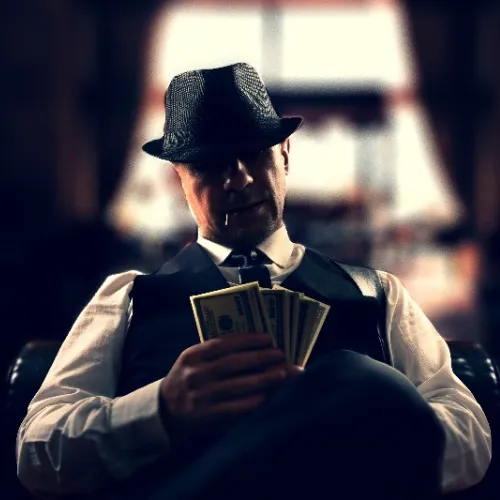
February nineteen forty-six. The SS Laura Keene pulls away from Brooklyn. On deck stands the most powerful criminal America ever produced. Deported forever.
The government celebrated. The newspapers declared victory. But within eight months, Lucky Luciano would be running his empire from ninety miles off the Florida coast.
This documentary reveals how one man built a loyalty infrastructure so powerful that four thousand miles of ocean became irrelevant. The couriers. The conferences. The silent control that lasted until his final breath.
Based on declassified FBI surveillance reports, court testimony, and investigative journalism spanning six decades. Some dialogue is reconstructed from documented accounts. Viewer discretion advised.
Lucky Luciano deportation documentary. American Mafia history. Havana Conference nineteen forty-six. Meyer Lansky. Frank Costello. Vito Genovese. Organized crime documentary. Mob boss exile. Crime family leadership. Italian American organized crime.
Subscribe for weekly deep dives into the untold stories of power, crime, and the men who shaped both.
-~-~~-~~~-~~-~--~-~~-~~~-~~-~--~-~~-~~~-~~-~-
⚠️ Content Disclaimer:
This video is created for educational and informational purposes only. We do NOT glorify, promote, or encourage any form of criminal activity.
All visuals, audio, and materials used in this video are either:
✔ Created using AI tools, or
✔ Sourced from royalty-free platforms with valid licenses.
Some images and characters have been generated using AI and do not represent real people or events.
Show More Show Less View Video Transcript
0:00
February 9th,
0:03
1946. [music]
0:05
The SS Laura Keen pulls away from a
0:08
Brooklyn pier. And standing [music] on
0:10
that deck is the most powerful criminal
0:12
America has ever produced. Salvatore
0:15
Lucania, the man they call Lucky [music]
0:19
Luciano Lu Chi.
0:22
Ah, no. convicted, imprisoned, and now
0:29
deported
0:31
forever. The government celebrated. The
0:34
newspapers declared [music] victory.
0:37
Here was the man who had built the
0:39
American mafia into a national
0:41
enterprise. The man who had unified the
0:44
five families of New York. The man who
0:47
had corrupted judges, politicians, and
0:49
police commissioners across a dozen
0:52
states. and they were finally rid of
0:54
him. [music] But within 8 months,
0:57
Luciano would be sitting in a penthouse
0:59
suite in Havana,
1:01
Cuba, surrounded by every major crime
1:04
boss in America, running an empire from
1:06
90 mi off the Florida coast. This is the
1:10
story of how one man proved that power
1:12
doesn't require presence, that [music]
1:15
loyalty, properly constructed, makes
1:18
distance irrelevant, and that the
1:21
American mafia's most dangerous
1:23
transformation happened while their
1:25
founder was 4,000 mi away. A note
1:29
[music] before we continue, portions of
1:32
this account rely on historical
1:34
reconstruction. [music] Dialogue is
1:36
drawn from FBI surveillance transcripts,
1:39
court testimony, and documented
1:41
interviews with investigators and
1:43
journalists [music]
1:44
who covered these events. Where direct
1:46
quotes cannot be verified, [music] we
1:49
present the most credible interpretation
1:51
the historical record allows. [music]
1:53
Some scenes are dramatized for narrative
1:56
clarity. The facts, however, are
1:59
documented. To understand what happened
2:02
after that ship left Brooklyn, you have
2:05
to understand who was on it. Luciano
2:08
wasn't born lucky. He was born poor.
2:12
1907,
2:14
a 9-year old kid stepping off a boat
2:17
from Sicily with nothing but a father
2:19
who worked in a sulfur mine and a mother
2:21
who spoke no English. By 15, he was
2:25
running a protection racket on the Lower
2:27
East Side. By [music] 20, he was
2:30
delivering heroin for the biggest
2:31
narcotics operation in [music]
2:33
Manhattan. By 25, he had survived a
2:37
throat slashing that should have killed
2:40
him. The scar ran from his chin to his
2:42
ear. It was the wound that gave him the
2:45
nickname Lucky. But luck had nothing to
2:48
do with [music] what came next. In 1931,
2:52
Luciano did something no one in the
2:55
American underworld had ever [music]
2:57
done. He eliminated the old guard,
3:00
Salvatore Marenzano, Joe, the [music]
3:03
boss Maseria, the men who had imported
3:06
the blood feuds of Sicily to American
3:08
streets. [music] Luciano killed them
3:11
both within 5 months. And in their
3:14
place, he built something [music] new,
3:16
the commission. Five families in New
3:19
York, bosses in Chicago, [music]
3:22
Philadelphia, Detroit, and beyond. Not a
3:26
dictatorship, a corporation. [music]
3:29
Disputes settled by vote, not by
3:32
vendetta. Territories respected, [music]
3:35
money shared, violence only when
3:38
necessary. By 1935, [music]
3:42
the American mafia was generating an
3:44
estimated $100 million per year. In
3:48
today's money, [music] that's nearly 2.3
3:52
billion. And at the center of it all sat
3:55
Luchiano. Now here is where the story
3:57
takes a turn no one expected. In 19306
4:01
[music]
4:02
a young prosecutor named Thomas Dwey
4:05
made Luciano his personal mission not
4:08
for murder not for [music] racketeering
4:11
for prostitution. Dwey had compiled
4:14
testimony from prostitutes and madams
4:16
[music] across New York. The evidence
4:19
was thin. The witnesses were unreliable,
4:22
but the jury convicted anyway, [music]
4:24
30 to 50 years in prison. Luciano was 38
4:29
years old. He would die behind bars, or
4:33
so everyone believed. What no one
4:36
anticipated was that 5 years later, the
4:39
Japanese would bomb Pearl Harbor.
4:41
[music] And suddenly, the United States
4:44
Navy had a problem. German Ubot were
4:47
sinking supply ships off the Atlantic
4:50
coast. [music] The docks of New York
4:52
were flooded with potential saboturs.
4:55
[music] In February of 1942, the SS
4:58
Normandy, a luxury liner being converted
5:01
into a troop carrier, caught fire, and
5:04
capsized at Pier 88 in Manhattan.
5:07
Sabotage was suspected. Naval
5:09
intelligence needed eyes and ears
5:11
[music] on every waterfront from Maine
5:14
to Virginia. And the only people who
5:16
controlled those waterfronts were
5:18
Luciano's men. So [music] they made a
5:22
deal. Commander Charles Hafendon of
5:24
Naval Intelligence began meeting with
5:27
Luciano's associates, then with Luciano
5:30
himself in his cell at Great Meadow
5:34
Correctional [music] Facility. The terms
5:36
were never put in writing, but the
5:39
arrangement was clear. Luciano would
5:42
order his men to protect the docks, to
5:45
report suspicious activity, to assist
5:48
with the Allied invasion of Sicily when
5:51
the time came. In exchange
5:53
consideration, [music]
5:54
they called it Operation Underworld and
5:58
it worked. The docks went quiet. The
6:01
intelligence [music] flowed. And when
6:03
American troops landed in Sicily in
6:06
1943,
6:08
local mafia figures [music] helped
6:10
smooth the way. Pay attention to what
6:13
happens next. [music] It's easy to miss.
6:16
When the war ended, Luciano's lawyers
6:19
petitioned for clemency. Governor Thomas
6:21
Dwey, the same man who had put Luciano
6:24
away, signed the [music] papers. Let
6:26
that sink in. The prosecutor who had
6:29
built his career [music] on convicting
6:31
Luciano now agreed to release him. There
6:34
was one condition. Luciano could never
6:37
return to the United States. [music] He
6:40
would be deported to Italy immediately
6:42
upon release. On the morning of February
6:45
9th, 1946,
6:48
Luciano walked out of Singh Singh
6:50
prison. He was driven directly to the
6:53
Brooklyn waterfront. [music] He boarded
6:56
the SS Laura Keen and by noon America
7:00
was shrinking behind him. [music] The
7:02
government believed the problem was
7:04
solved. Luciano was gone. [music] The
7:07
mafia would fracture without him. They
7:10
were wrong on both counts. [music] What
7:12
the authorities didn't understand.
7:16
What they couldn't understand
7:18
was that Luciano had spent 20 years
7:21
[music]
7:22
building something that didn't require
7:23
his physical presence. He had trusted
7:26
lieutenants in every [music] family.
7:28
Frank Costello who would handle
7:31
operations in New York. [music] Meer
7:33
Lansky who controlled gambling from Cuba
7:36
to Las Vegas. Albert Anastasia whose
7:40
murder incorporated enforced discipline
7:42
through fear. These men didn't need
7:45
Luciano in the room. They needed to know
7:47
he was still in charge. [music] And
7:50
Luciano made sure they knew. Within
7:53
weeks of arriving in Italy, [music] the
7:55
coded messages began. Couriers crossing
7:58
the Atlantic. [music] Phone calls routed
8:01
through multiple countries.
8:02
Intermediaries [music] who could pass
8:04
information without ever speaking
8:06
directly to anyone who mattered. The
8:09
exile had [music] changed nothing. And
8:12
within months, Luciano was planning
8:15
something that [music] would prove it.
8:17
But there was someone else watching.
8:19
Someone whose name you'll hear again.
8:23
Veto. [music] Genevies. Gen O V.
8:30
A man who had been waiting in the
8:32
shadows for 15 years. A man who wanted
8:35
everything Luciano had built. And a man
8:38
who would eventually try to take it. In
8:41
the fall of 1946,
8:43
Luciano received visitors at his suite
8:46
in Rome, not Italian officials. American
8:49
gangsters. Meer Lansky came first. Then
8:53
Frank Costello. They brought news and a
8:57
[music] proposal. Havana, the capital of
9:01
Cuba, 90 m from Florida. Close enough to
9:05
smell American money. far enough to be
9:08
beyond American jurisdiction. For years,
9:12
[music] Blansky had been building an
9:13
empire there. Casinos, hotels, [music]
9:17
connections to the Cuban government that
9:20
ran deeper than anyone knew. And now he
9:24
wanted to bring the entire commission to
9:26
Havana. A summit. Every boss, every
9:30
[music]
9:31
underboss, the first gathering of its
9:34
kind since Luciano's conviction. [music]
9:36
And this time, Luciano would be there.
9:40
The plan was simple. Luciano would
9:43
travel from Italy to Cuba. In Havana, he
9:46
would meet with every major figure in
9:48
American organized crime. [music] He
9:51
would reassert his authority, settle
9:54
disputes, chart the future, and then
9:57
perhaps he would find a way back to the
10:00
United States itself. The arrangements
10:03
took [music] weeks. fake passports,
10:06
strategic bribes, a carefully
10:09
choreographed journey that would leave
10:11
no paper trail. [music] In December of
10:14
1946,
10:16
Luciano boarded a flight from Rome, his
10:19
destination,
10:21
Havana,
10:24
Cuba. And waiting for him there were the
10:27
most dangerous men in America, the
10:29
[music] FB, I would later call it, the
10:31
Havana conference. the largest gathering
10:34
of organized crime figures ever
10:37
assembled outside the United States. 20
10:40
bosses, [music] capos, and underbosses
10:43
from every major family, representatives
10:46
from Chicago, Detroit, [music]
10:48
Cleveland, Los Angeles, and New Orleans.
10:51
They booked entire floors of the hotel
10:53
NSA. They claimed to be [music]
10:56
businessmen, medical suppliers, citrus
11:00
exporters. But everyone who mattered
11:03
knew the truth. The man [music] who had
11:05
built the American mafia was back in the
11:08
Western Hemisphere. And he had summoned
11:10
his kingdom. The government was about to
11:13
discover [music] that deportation hadn't
11:16
solved anything. It had made Luciano
11:19
more dangerous. [music]
11:20
And that discovery would change
11:22
everything that came next. December
11:25
1946, [music] Havana,
11:29
Cuba. The lobby of the hotel, Nasiano,
11:33
smells like Cuban tobacco and French
11:35
perfume. [music] Crystal chandeliers
11:37
throw light across marble floors. Bell
11:40
hops in white gloves carry Louis Vuitton
11:43
luggage to the upper floors and in a
11:46
corner suite on the eighth [music]
11:47
floor. Lucky Luciano is holding court.
11:51
Has been in Cuba for 3 days. 3 [music]
11:54
days since he stepped off a plane from
11:56
Rome using forged travel documents. 3
12:00
days since he crossed an ocean to prove
12:02
a point. The point is simple. He never
12:06
left. They came from every corner of
12:09
America. Frank Costello from New York.
12:12
Luciano's acting boss. The man [music]
12:14
who had kept the machine running for 10
12:16
years. Meer Lansky who had arranged
12:19
everything. The hotel, the bribes, the
12:23
security. Albert [music] Anastasia,
12:26
whose reputation for violence preceded
12:28
him into every room. From Chicago came
12:32
Tony Cardardo and the Fachete brothers.
12:35
From New Orleans, Carlos Marcelo. From
12:38
Tampa,
12:41
Santo [music]
12:41
Trafocante, Senior from Cleveland,
12:45
from Detroit,
12:48
from Los Angeles. 20 bosses, [music]
12:51
their under bosses, their most trusted
12:54
captains. According to FBI, reports
12:57
compiled later, the gathering
12:59
represented control of gambling,
13:01
narcotics, labor unions, and political
13:04
corruption across 37 states. The
13:07
combined wealth in those hotel suites
13:09
exceeded anything [music]
13:11
the legitimate business world could
13:13
assemble in a single building. And every
13:16
one of them had come to see one man. The
13:20
exile, the deport, [music]
13:22
the boss they still called Charlie
13:25
Lucky. The cover story was perfect. A
13:28
convention [music] of medical suppliers.
13:31
A gathering of citrus industry
13:33
executives. The Cuban [music] government
13:35
asked no questions. President Ram Feyen
13:38
Grow San Mart Fen's administration
13:41
[music] had been well compensated to
13:43
look the other way. But the real
13:45
business happened behind closed doors.
13:47
Luciano sat at the head of a long table
13:50
in a private dining room. The curtains
13:53
were drawn. Armed men stood outside
13:56
every entrance. [music] And for the
13:58
first time in nearly 11 years, the
14:01
commission was in [music] session with
14:03
its founder present. The agenda,
14:06
according to accounts that emerged
14:07
through later investigations, covered
14:10
three main issues. First, the heroin
14:13
trade. Luciano had spent his months in
14:16
Italy making connections. The Corsican
14:19
networks in Marseilles, [music] the
14:21
processing laboratories that could turn
14:23
Turkish opium into pure heroin, [music]
14:26
the shipping routes that could move
14:28
product across the Atlantic without
14:31
detection. [music] He laid out a plan.
14:33
Heroin would flow from Turkey through
14:36
France to Italy, from [music] Italy to
14:38
Cuba, from Cuba to the United States.
14:42
The Sicilian families would handle
14:45
European operations. The American
14:47
families would [music] handle
14:49
distribution. The commission voted. The
14:52
plan was approved. In that single
14:54
decision, [music]
14:55
according to federal investigators who
14:58
would spend decades tracking [music] the
14:59
consequences, the modern international
15:02
drug trade was born. This next detail
15:05
changes everything we thought we knew.
15:07
[music] The second agenda item was Las
15:10
Vegas. For 3 years, Bugsy Seagull had
15:14
been building a casino in the Nevada
15:17
desert, [music] the Flamingo. It was
15:20
supposed to revolutionize gambling.
15:22
[music] It was supposed to make everyone
15:24
rich. Instead, it had become a
15:27
catastrophe. The budget had ballooned
15:30
from $1.5 million to 6 [music] million.
15:34
The construction was behind schedule.
15:37
and Seagull.
15:39
Seagull had stopped answering questions
15:41
about where the money was going. Meer
15:44
Lansky had vouched for Seagull. They had
15:46
grown up together on the Lower East
15:48
Side. They had built their first rackets
15:51
together. [music] Lansky's word had
15:54
protected Seagull for months. But
15:56
sitting in that Havana dining room,
15:59
Luciano asked a question that no one
16:01
else would ask. Where is the money?
16:07
Meer Lansky didn't have an answer, not
16:10
one that satisfied the table. The
16:13
conversation that followed was not
16:15
recorded. But according to multiple
16:17
accounts [music] from investigators and
16:19
journalists who interviewed participants
16:21
years later, [music] the commission
16:23
reached an understanding. Seagull would
16:25
be given one more chance. The flamingo
16:28
would open in March. If it succeeded,
16:32
all would be forgiven. If it failed, the
16:35
sentence didn't need [music] to be
16:36
finished. But before we go further,
16:39
Theres something the FB [music]
16:41
I reports never fully explained. How did
16:44
Luciano maintain authority over men who
16:47
hadn't seen him in a decade? Men [music]
16:50
who had built their own empires while he
16:52
rotted in a cell? The answer wasn't
16:54
fear. Not primarily. It was
16:57
architecture. Luciano had spent 20
17:00
[music] years building a system where
17:02
loyalty wasn't personal.
17:04
It was structural. Every boss at that
17:07
table owed their position to the
17:09
commission he had created. Every
17:12
territory they [music] controlled
17:13
existed because of boundaries he had
17:15
drawn. Every dispute they couldn't
17:18
resolve themselves eventually required
17:21
his arbitration. He hadn't made them
17:23
afraid of him. He had made them need
17:26
him. And sitting at that table in
17:28
Havana, surrounded by men who controlled
17:31
billions in criminal enterprise, [music]
17:34
Luciano demonstrated something that
17:36
would echo through every criminal
17:38
organization that followed. [music]
17:40
Distance doesn't defeat power when the
17:43
infrastructure of loyalty is properly
17:45
built. The boss [music] doesn't need to
17:47
be in the room. He needs to be in the
17:50
system. This insight would prove more
17:53
valuable than any single decision made
17:56
that week, [music] and it would haunt
17:58
federal law enforcement for the next 50
18:00
years. Take a breath, because from here
18:04
on, the story only gets darker. The
18:07
conference lasted 5 days. 5 days of
18:11
meetings, negotiations, [music] and
18:13
celebrations. Frank Sinatra was there.
18:16
The young singer had flown in from
18:18
Miami, reportedly carrying a briefcase.
18:22
What was in that briefcase has never
18:24
been confirmed. Sinatra would deny for
18:27
the rest of his life that the trip had
18:29
any significance beyond a vacation.
18:32
[music] The bosses ate at the finest
18:34
restaurants in Havana. They gambled at
18:37
Lansky's casinos. They [music] toasted
18:40
to a future where American law
18:41
enforcement couldn't touch them. and
18:44
Lucky Luciano.
18:46
Lucky Luciano began making plans to
18:49
stay. [music] Cuba was close enough. He
18:52
could run operations from Havana
18:54
indefinitely. Perhaps [music] with the
18:57
right connections, he could even find a
18:59
way back to Florida. A boat [music] in
19:02
the night. A landing on an unguarded
19:05
beach. The men who controlled the docks
19:08
[music] could make it happen. The exile
19:10
might not be permanent after all, but
19:13
[music] 3,000 mi away,
19:16
someone was paying attention. Harry
19:19
Anslinger, the director of the Federal
19:22
Bureau of Narcotics, a man who had made
19:25
his career fighting the drug trade, and
19:28
a man who had never forgotten, Lucky
19:31
Luciano. Annslinger had sources
19:34
everywhere, informants in the hotels of
19:37
Havana, contacts in Cuban law
19:39
enforcement who were willing to talk for
19:42
the right price. And in early January of
19:45
1947,
19:47
one of those sources delivered a report
19:49
that changed everything. Luciano was in
19:52
Cuba, [music] not just visiting, living
19:55
there, running the American mafia from
19:59
90 m off the coast of Florida. Anslinger
20:02
picked up the phone. What happened next
20:05
demonstrates how quickly power can shift
20:08
when governments decide to act. On
20:10
February 21st, [music] 1947,
20:14
the United States government delivered
20:16
an ultimatum [music] to Cuba. Either
20:18
Luciano leaves or America cuts off all
20:21
shipments of legitimate [music]
20:23
pharmaceuticals to the island,
20:25
narcotics, in exchange for
20:27
pharmaceuticals. The irony was not lost
20:30
on anyone. President Growl faced an
20:33
impossible choice. The Cuban medical
20:36
system depended on American drugs.
20:38
[music] The bribes from organized crime,
20:41
however generous, couldn't replace
20:43
hospital supplies for an entire nation.
20:46
[music] 3 days later, Cuban authorities
20:49
arrived at Luciano's hotel suite [music]
20:51
with deportation orders. The dream was
20:54
over. 8 months of freedom. Eight months
20:57
of control from the Western Hemisphere.
21:00
Eight months that had reshaped the
21:02
future of international organized crime.
21:06
And now
21:08
Luciano was being sent back to Italy.
21:11
But pay attention to what didn't happen.
21:14
No arrests, [snorts] no indictments, no
21:18
charges filed. Luciano walked out of
21:21
that hotel a free man. He boarded
21:23
[music] a Turkish freighter called the
21:25
Beakir and he sailed back across the
21:28
Atlantic [music] with everything he had
21:30
built still intact. The heroine pipeline
21:33
was operational. [music] The commission
21:36
had reaffirmed its structure. The
21:39
decisions made in Havana [music] would
21:41
continue to generate billions for
21:43
decades. The American government had won
21:46
a battle, a symbolic victory, a
21:50
newspaper headline. But Luciano had won
21:53
something far more important. He had
21:56
proven [music] that deportation was
21:58
theater. That 4,000 mi of ocean [music]
22:01
was an inconvenience, not an obstacle.
22:04
That the system he had built would
22:06
function whether he was in New York,
22:08
Havana, or Naples. And back in the
22:11
United States, one man watched Luciano's
22:14
departure from Cuba with particular
22:17
interest. Veto Genevies. He had been at
22:21
the Havana conference. [music] He had
22:23
sat at that table and voted with the
22:26
others. He had smiled and raised his
22:28
glass to lucky Luciano's health. But
22:31
Genevies was patient. He had waited
22:33
[music] 15 years already. He could wait
22:37
longer. Because Genevies understood
22:39
something that even Luciano might not
22:42
have fully grasped. The system Luciano
22:46
had built required one thing above all
22:48
else. Trust. The bosses needed to trust
22:52
that the man at the center was looking
22:55
out for the whole, not just himself. And
22:59
trust.
23:01
Trust could be poisoned. [music]
23:03
Genevies wasn't going to challenge
23:05
Luciano directly. Not yet. He was going
23:08
to do something [music] far more
23:10
dangerous. He was going to make the
23:12
other bosses question whether Luciano
23:15
still had their best interests at
23:17
[music] heart. Whether an exile in Italy
23:19
could really understand the pressures
23:21
facing families in New York. Whether
23:24
perhaps
23:26
perhaps it was time for new leadership.
23:28
The campaign wouldn't be loud. It would
23:31
be [music] whispered. A suggestion here.
23:34
A doubt planted there. the slow erosion
23:38
of faith that precedes every coup. And
23:42
Luciano, sitting in his apartment in
23:44
Naples, wouldn't see it coming. But that
23:47
betrayal was still years away. Before it
23:50
could happen, another drama needed to
23:52
play out. [music] On June 20th, 1947,
23:57
four months after Luciano was expelled
23:59
from Cuba, Bugsy Seagull sat in the
24:03
living room of his girlfriend's house in
24:04
Beverly Hills. The flamingo had finally
24:07
opened. [music] It had lost money at
24:09
first, then slowly turned profitable.
24:13
The crisis seemed to be [music] passing.
24:15
Seagull was reading the Los Angeles
24:18
Times. The curtains were open to the
24:20
California night. At 10:45 [music]
24:23
p.m., someone fired a 30 caliber
24:26
military carbine [music] through the
24:27
window. Nine rounds, two of them struck
24:31
Seagull in the head. He was [music] dead
24:33
before he hit the floor. No one was ever
24:36
arrested. No one was ever charged. The
24:40
official [music] investigation went
24:42
nowhere. But everyone in the underworld
24:45
knew [music]
24:46
who had given the order. The decision
24:48
had been made in Havana. The sentence
24:51
had merely been delayed. And if anyone
24:54
doubted that [music] Lucky Luciano still
24:56
controlled the American mafia from 4,000
24:58
mi away, [music] those doubts died with
25:01
Bugsy Seagull on that living room floor.
25:04
[music] Naples,
25:06
Italy, 1948. [music] Lucky Luciano sits
25:10
at a cafe table overlooking the Bay of
25:13
Naples. The Mediterranean sun warms his
25:16
face. [music] A waiter brings espresso
25:19
without being asked. Local police nod
25:21
respectfully as they pass. To anyone
25:24
watching, he looks like a retired
25:27
businessman enjoying his golden years. A
25:30
man who has left his troubles behind.
25:33
But the troubles haven't left him. And
25:35
he hasn't [music] left them either.
25:37
Every week, couriers arrive from [music]
25:41
America. They carry cash. They carry
25:44
messages. They carry news of an empire
25:47
that still belongs to him. [music] And
25:49
every week, Luchiano sends them back
25:52
with instructions. Stop. Rewind [music]
25:55
that in your mind. Because it matters.
25:59
The American government had deported
26:01
Luciano to end his influence. Instead,
26:04
they had given him something invaluable,
26:07
invisibility. [music] In New York, the
26:10
FBI watched every known mobster. Phone
26:14
lines were [music] tapped. Meetings were
26:16
photographed. Informants were
26:19
everywhere. But in Naples, Luciano was
26:23
beyond their reach. Italian authorities
26:26
had no interest in prosecuting American
26:28
crimes. And as long as Luciano kept a
26:31
low profile on Italian soil, they were
26:34
content to leave him alone. He had
26:37
become a ghost. A ghost who still
26:40
controlled a kingdom. The heroin
26:42
pipeline that Luciano had proposed in
26:45
Havana was now fully operational.
26:48
Turkish opium moved to laboratories in
26:50
Marseilles. [music] French chemists,
26:53
many of them Corsicanin, processed it
26:55
into pure heroin. The product then
26:58
traveled to Sicily where [music] local
27:00
families handled trans shshipment. From
27:02
Sicily, the heroine crossed the
27:05
Atlantic, hidden in legitimate cargo,
27:08
[music] concealed in the luggage of
27:10
unsuspecting travelers, smuggled on
27:13
fishing boats that met larger vessels at
27:16
sea. [music] By 1950, according to
27:19
Bureau of Narcotics estimates, Luciano's
27:22
network was responsible for the majority
27:24
of heroin entering the United States.
27:27
The street value ran into hundreds of
27:30
millions of [music] dollars annually.
27:32
Federal investigators would spend the
27:34
next two decades trying to dismantle
27:36
what became known as the French
27:38
Connection. [music] They would make
27:40
arrests. They would seize shipments.
27:43
They would win temporary victories.
27:45
[music]
27:46
But the pipeline that Luciano built from
27:48
his cafe table in Naples would continue
27:51
operating until the early 1970s.
27:54
25 years. billions of dollars, an
27:58
epidemic of addiction that reshaped
28:01
American cities. All of it traced back
28:03
to a single meeting in a Havana hotel
28:06
room. Meer Lansky visited Naples
28:09
regularly. The trips were disguised as
28:12
European vacations, [music] art tours,
28:15
medical consultations. The cover stories
28:18
varied, but the purpose was always
28:21
[music]
28:21
the same. face
28:24
to face communication that no wiretap
28:28
could capture. [music] Lansky would
28:29
arrive with a suitcase. Sometimes it
28:33
contained cash, Luciano's share of
28:36
gambling profits from Havana and Las
28:38
Vegas.
28:39
>> [music]
28:39
>> Sometimes it contained documents,
28:42
financial records, investment
28:44
opportunities, problems that required
28:47
the boss's attention, and always [music]
28:50
it contained information. Who was loyal,
28:55
who was wavering, who was talking to the
28:58
wrong people, who needed to be rewarded,
29:01
who needed to be reminded of their
29:03
obligations. Luciano processed it all.
29:06
He made decisions. He sent Lansky back
29:10
with answers. The distance was real. The
29:13
control was absolute. But this next
29:16
detail changes everything [music] we
29:19
thought we knew. While Luciano managed
29:21
his empire from exile, Veto Genevies was
29:25
quietly repositioning himself in New
29:27
York. Genevies had a problem. Frank
29:30
Costello was the acting boss. He had
29:33
Luciano's blessing. [music]
29:35
He had the support of the other families
29:39
and he wasn't going anywhere. So,
29:41
Genevies did what [music] ambitious men
29:44
have always done. He waited for an
29:46
opportunity and when none [music]
29:48
appeared, he created one. In the early
29:52
morning hours of May 2nd, [music]
29:54
1957,
29:56
Frank Costello walked into the lobby of
29:58
his apartment building on Central Park
30:01
West. [music] A large man in a dark hat
30:04
was waiting for him. The man raised a
30:06
pistol and fired once. The bullet grazed
30:10
Costello's head, leaving a wound that
30:12
bled dramatically but caused no serious
30:15
damage. Costello survived. The shooter
30:19
latter identified as Vincent the Chin
30:21
Gigante. [music] A Genevies loyalist
30:24
fled into the night. The message was
30:27
clear. [music] Genevies was making his
30:29
move. Costello understood what that
30:32
bullet meant. He was 66 years old.
30:35
[music] He had survived decades in the
30:38
underworld. And now he faced a choice.
30:41
Fight back and risk a war that would
30:43
destroy everything [music] or step aside
30:46
and live out his remaining years in
30:49
peace. According to accounts that
30:51
emerged later, [music] Costello reached
30:53
out to Luciano through intermediaries.
30:56
He asked for guidance. [music] He asked
30:59
for protection, but Luchiano was 4,000 m
31:03
away. His power was real, but it had
31:06
limits. [music] He couldn't stop a
31:08
bullet in a Manhattan lobby. He couldn't
31:11
be present when decisions needed to be
31:13
made in seconds rather than weeks.
31:16
Costello made his choice. He announced
31:19
his retirement from active leadership.
31:21
He would serve as an adviser,
31:24
a senior statesman. [music] But the day
31:29
today control
31:31
[music] that would pass to someone else.
31:34
Veto Genevies had won his first victory.
31:36
[music]
31:37
But Genevies wasn't finished. There was
31:40
another obstacle in his path. Albert
31:43
Anastasia, the Lord High Executioner,
31:47
the man whose murder incorporated had
31:49
enforced commission discipline for two
31:51
[music] decades. Anastasia was
31:54
unpredictable, violent, and absolutely
31:58
loyal to Luciano. On October 25th, 1957,
32:04
Anastasia walked into the barber shop of
32:06
the Park Sheritan Hotel in Manhattan. He
32:09
settled into chair number four. He
32:12
closed his eyes as the barber draped
32:14
[music] a cloth over his chest. Two men
32:17
entered the shop. They pushed the barber
32:19
aside and they emptied [music] their
32:21
revolvers into Albert Anastasia. He died
32:25
slumped in that chair, blood pooling on
32:28
the [music] white tile floor. The
32:30
barbercloth still around his neck. No
32:33
one was ever convicted, but the
32:36
underworld knew. Genevies had eliminated
32:39
another rival. Pay attention to what
32:42
happens next. It's easy to miss. [music]
32:45
2 weeks after Anastasia's murder,
32:48
something unprecedented occurred. On
32:50
November 14th, [music] 1957,
32:54
New York State police stumbled onto a
32:57
gathering at [music] a farmhouse in the
32:59
small town of Appalachin. Ah, pa le
33:04
Shin, [music] upstate New York, middle
33:07
of nowhere. What they found would
33:10
reshape American law enforcement for a
33:12
generation. 63
33:16
men, Italian names, expensive suits,
33:20
[music] exposed to a single state
33:22
trooper who noticed too many Cadillacs
33:24
without of state plates. [music] They
33:26
ran into the woods, through the fields.
33:31
Men in silk suits and leather shoes
33:33
stumbling through November mud. 20
33:36
[music] were caught, the rest escaped,
33:39
but the damage was done for decades.
33:44
J. Edgar Hoover had denied the existence
33:47
of a national organized crime syndicate.
33:50
[music] The mafia was a myth, he
33:52
claimed. A fantasy of sensationalist
33:56
journalists. Appalachin made that denial
33:59
impossible. [music]
34:00
Here was proof. 63 bosses and
34:04
underbosses from across the country
34:06
meeting in secret. [music] A national
34:09
conspiracy
34:11
exposed by accident. The meeting [music]
34:14
had been called by Genevies. His agenda
34:17
to formally announce his ascension to
34:20
boss of the Luciano family.
34:23
Soon to be renamed the Genevies family
34:26
to receive the commission's blessing to
34:29
solidify his power. Instead, [music]
34:31
he had created a catastrophe. In the
34:35
aftermath of Appalachin,
34:37
everything changed. Congress launched
34:40
investigations. [music] The FB I finally
34:43
acknowledged what it had denied for 30
34:46
years. New laws were drafted. New task
34:50
forces were formed. And Veto [music]
34:52
Genevies,
34:55
Veto Genevies suddenly found himself
34:58
[music] the most watched man in America.
35:01
The other bosses were furious. The
35:04
exposure threatened everyone. [music]
35:06
Operations that had run smoothly for
35:08
decades were now under scrutiny.
35:11
Politicians who had been reliable
35:13
suddenly couldn't [music] be seen with
35:15
known associates. Genevies had wanted to
35:17
be king. Instead, he had become a
35:20
liability. And 4,000 mi away.
35:25
In his apartment in Naples, Lucky
35:27
Luciano received the news with what
35:30
witnesses described as quiet
35:32
satisfaction.
35:33
Now, here is where the story takes a
35:35
turn. No one expected. [music] In 1958,
35:40
federal agents arrested a Puerto Rican
35:42
drug dealer [music] named Nelson
35:44
Cantalops. He was facing decades in
35:47
prison and he was willing to talk.
35:50
Cantalops testified that he had
35:53
personally delivered heroin payments to
35:56
Veto Genevies. [music]
35:57
that Genevies was the mastermind of a
36:00
massive narcotics conspiracy that he
36:03
could identify times, places, [music]
36:06
and amounts. The testimony was
36:09
devastating. In April of 1959,
36:12
Genevies [music] was convicted of
36:14
conspiracy to violate federal narcotics
36:17
laws. The sentence
36:20
15 years in federal prison. The man who
36:24
had shot [music] his way to the top of
36:25
the American mafia would spend the rest
36:28
of his life behind bars. He died in
36:31
prison in 1969.
36:34
Never a free man again. Harry's what
36:37
federal investigators never fully
36:39
understood. [music] What historians
36:42
still debate. What remains one of the
36:44
great mysteries of organized crime
36:47
history. [music] Was Genevie set up?
36:50
Some researchers have suggested that
36:52
Cantalops didn't stumble into federal
36:55
custody [music] by accident, that his
36:57
testimony was too perfect, too specific,
37:00
too convenient. According to these
37:03
accounts, never proven, always denied.
37:08
Luciano and Lansky had orchestrated the
37:11
entire thing. They had found a witness.
37:14
They had prepared his testimony. They
37:17
had delivered Genevies [music]
37:18
to the federal government on a silver
37:21
platter. The evidence for this theory is
37:23
circumstantial. No documents exist, no
37:27
recordings, [music] no confessions. But
37:30
consider the outcome. Genevies.
37:35
The man who had tried to take Luciano's
37:37
throne would die in a prison [music]
37:39
cell. Costello, who had stepped aside,
37:43
would live peacefully until 1973.
37:46
Lansky would continue operating for
37:48
another two decades. [music]
37:50
And Luciano, Luciano would remain the
37:53
shadow boss until his final breath. If
37:56
it was orchestrated, [music] it was the
37:58
perfect crime. using the American
38:01
justice system to eliminate arrival,
38:04
letting federal prosecutors do what
38:07
Luciano couldn't do from 4,000 mi away.
38:10
[music] If it wasn't orchestrated, it
38:13
was the luckiest coincidence of
38:15
Luciano's life. And Lucky Luciano had
38:19
never believed in coincidences. [music]
38:22
But even as Genevies was led away in
38:24
handcuffs, a larger truth was becoming
38:27
clear. The world Luciano had built was
38:30
changing. [music]
38:31
The old ways, the handshake deals, the
38:35
code of silence, [music] the loyalty
38:37
that transcended borders were under
38:39
pressure they had never faced before.
38:42
Robert Kennedy was attorney general. His
38:45
brother [music] was president. And both
38:48
of them had made organized crime a
38:50
personal crusade. [music] New tools were
38:53
being deployed. electronic surveillance,
38:56
witness protection programs, RICO
38:59
statutes that could [music] dismantle
39:01
entire organizations rather than just
39:04
individual members. Luciano was 62 years
39:08
old. He had been in exile for 13 years,
39:12
and for the first time since that ship
39:14
left Brooklyn, [music] he could feel the
39:16
future slipping away. Not his personal
39:19
power, [music] that remained intact. The
39:22
heroin still flowed. The messages still
39:25
[music] traveled. The bosses still
39:28
consulted him on matters of importance.
39:31
But the system itself, the beautiful
39:34
machine he had spent 30 years building,
39:37
the commission, the territories, [music]
39:40
the structure that had made the American
39:42
mafia the most successful criminal
39:44
organization in history. That system was
39:47
under siege. And the question that kept
39:49
Luciano [music] awake in his Naples
39:51
apartment staring at the Mediterranean
39:54
darkness was whether his creation would
39:56
outlive him or whether [music]
39:58
everything he had built would crumble
40:01
the moment he was gone. He wouldn't have
40:03
[music] to wait long for an answer.
40:06
Because on a January evening in 1962 at
40:09
the Naples airport, surrounded by
40:12
journalists and photographers, [music]
40:14
Lucky Luciano's heart would stop beating
40:17
and the war for his legacy would begin
40:19
before his body was cold. January 20s
40:23
[music] 6th, 1962,
40:26
Naples International Airport. Lucky
40:29
Luciano is [music] 64 years old. His
40:33
hair has gone gray. His face has
40:36
softened, but his eyes
40:39
his eyes are still the eyes of the man
40:42
who [music] built an empire. He has at
40:44
the airport to meet a film producer, an
40:48
American named Martin Gosh, who wants to
40:50
make a movie about Luciano's life, the
40:53
authorized version. The story told the
40:57
way Luciano wants
40:59
it [music] told. They've been talking
41:02
for months, letters back and forth,
41:05
negotiations over rights and money and
41:08
creative control. Today is supposed to
41:11
be [music] the first face
41:13
to face meeting. Luciano arrives early.
41:17
[music] He waits in the terminal.
41:19
Photographers are there.
41:22
They're always there. When Luciano
41:24
appears in public, [music] he poses for
41:26
a few pictures. He lights a cigarette
41:30
[music] and then
41:32
he collapses. But before we go further,
41:35
Theres something that happened in his
41:37
final years that most accounts overlook.
41:40
Luchiano had started talking not to law
41:43
enforcement, [music] never to law
41:46
enforcement, but to journalists, to
41:49
writers, to anyone who might tell his
41:52
story after he was gone. He gave
41:55
interviews. He corrected myths. He
41:58
explained [music] in his own words how
42:00
he had built what he built, why he had
42:03
made the choices he made, what the
42:06
American mafia really was beneath the
42:08
newspaper headlines and the Hollywood
42:11
fantasies. Some of these conversations
42:13
were recorded. Others existed only in
42:17
notes. Much of it would later appear in
42:20
books published [music] after his death.
42:22
And in those conversations, Luciano
42:25
revealed something that explains
42:27
everything we've covered [music] in this
42:29
documentary. He never thought of himself
42:31
as a criminal. He thought of himself as
42:34
a businessman, an executive, [music]
42:37
a man who had identified an opportunity,
42:40
prohibition, gambling, narcotics, labor,
42:44
and built an organization to exploit it.
42:46
The violence was regrettable, [music]
42:49
but necessary. The corruption was simply
42:51
the cost of doing business. The loyalty
42:54
he demanded was no [music] different
42:56
from what any corporation expects from
42:58
its employees. He had taken the chaos of
43:01
the old Sicilian gangs and turned it
43:03
into something rational, something
43:06
modern, something that worked. And that
43:09
transformation,
43:11
that was his real legacy. The paramedics
43:15
reached Luciano within minutes, but
43:17
there was nothing to be done. A heart
43:20
attack, massive, instant. The man who
43:24
had survived a throat,
43:26
slashing, who had outlasted prosecutors,
43:29
[music]
43:30
rivals, and governments, who had run an
43:33
empire from 4,000 mi away for 16 years,
43:37
dead on the floor of an airport
43:39
terminal. The photographers who had been
43:42
taking his picture moments earlier now
43:44
captured something else entirely. Lucky
43:47
Luciano [music] sprawled on the tile,
43:49
his cigarette still smoldering nearby,
43:53
his eyes open, but seeing [music]
43:55
nothing. Those photographs would appear
43:58
in newspapers around the world the next
44:00
[music] morning, and that silence said
44:02
everything. The funeral was held in
44:05
Naples. Hundreds attended, old
44:08
associates,
44:10
Italian officials, [music]
44:12
curious locals who had grown accustomed
44:14
to the famous American exile living
44:16
among them. But the men who mattered
44:18
most [music] weren't there. Meer Lansky
44:21
didn't come. Frank Costello didn't come.
44:25
The bosses of the American families sent
44:27
flowers and condolences, but they stayed
44:30
home. It was too risky, too visible. the
44:34
fbby by I was watching every known
44:38
associate. Any trip to Naples would
44:40
invite surveillance and questions that
44:43
no one wanted to answer. So Luciano was
44:47
buried without the men he had commanded
44:49
for 30 [music] years. Without the
44:51
friends he had made rich, without the
44:54
empire he had built, [music] just a body
44:56
in a coffin lowered into Italian soil.
45:00
But here is what the newspapers [music]
45:02
missed. What the orbituaries failed to
45:05
understand. Luciano's death [music]
45:07
changed nothing. The heroin pipeline
45:10
continued operating. [music] The
45:12
commission continued meeting. The
45:14
families continued generating billions
45:17
in illegal revenue. The system he had
45:20
built [music] didn't require him
45:21
anymore. It had never required him.
45:25
Not physically. That was the whole
45:28
point. That was what he had proven in 16
45:31
years of exile. He had created something
45:34
that transcended any individual. A
45:37
structure, a set of rules, a way of
45:41
doing business that could survive the
45:43
death of [music] its founder. And that
45:45
structure would persist for another
45:48
three decades through the RICO
45:50
prosecutions of the 1980s through the
45:54
informants and the turncoats and the
45:56
government task forces dedicated to
45:58
destroying it. Weakened,
46:02
[music]
46:02
yes, diminished
46:06
certainly, but never eliminated [music]
46:08
because you can arrest a man. You can
46:12
deport him. You can even kill him, but
46:16
you cannot arrest an idea. You cannot
46:19
deport a system. You cannot kill a
46:22
method that has been learned [music] and
46:24
replicated and passed down through
46:26
generations. And that
46:29
that [music] is the silence that
46:32
followed Lucky Luciano into his grave.
46:35
The question of whether Veto Genevies
46:37
was set up has never been definitively
46:40
answered. The theory persists.
46:43
Researchers have traced connections
46:45
between Cantalops and figures [music]
46:47
close to Lansky. Timing that seems too
46:50
convenient, testimony that seems too
46:53
perfect, [music] but no document has
46:55
ever surfaced. No witness has ever
46:58
confirmed. [music] Lansky went to his
47:00
grave in 1980 three without ever
47:03
addressing the accusation directly. What
47:06
we know is this.
47:09
Genevies died in prison. Luciano died
47:13
free and the men who remained loyal to
47:15
Luciano Costello Lansky the old guard
47:19
outlived them both. Viewers can draw
47:22
their own conclusions about what that
47:24
pattern suggests. Theres a larger truth
47:27
here, [music] one that extends far
47:29
beyond the American mafia. Every
47:32
transnational criminal organization that
47:34
emerged in the decades after Luciano's
47:37
death followed his blueprint. [music]
47:40
The Colombian cartels of the 1980s, the
47:43
Russian mafia that exploded [music]
47:45
after the Soviet collapse, the Chinese
47:48
triads that adapted to global commerce,
47:50
[music]
47:51
the Mexican organizations that now
47:54
dominate the drug trade. All of them
47:57
learned the same lessons Luciano had
47:59
pioneered. Build infrastructure, not
48:02
personality cults. [music] Create
48:04
systems that function without your
48:07
presence. Make distance an advantage
48:10
rather than an obstacle. Corrupt the
48:13
institutions meant to [music] stop you.
48:15
And above all, make the people around
48:18
you need you more than they fear you.
48:20
The methods evolved. The technology
48:23
changed. [music] The borders shifted,
48:26
but the architecture remained the same.
48:28
The architecture Luciano had designed in
48:31
the 1930s and perfected from his exile
48:35
in the 1950s. [music]
48:37
He didn't just build the American Mafia.
48:40
He built the template for organized
48:42
crime in the modern world. And that
48:44
[music] template is still in use today.
48:47
Let that satisfying silence sit for a
48:49
moment. [music] What do we make of a man
48:52
like Lucky Luciano? The easy answers
48:55
don't satisfy. Monster.
48:59
Yes. He facilitated the heroin epidemic
49:02
[music] that devastated American cities.
49:04
He ordered murders. He corrupted
49:07
democracy. He built an organization
49:10
dedicated to exploiting human weakness.
49:13
Genius
49:16
also. [music]
49:18
Yes. He saw what others couldn't see. He
49:21
built what others couldn't build. He
49:24
maintained control under circumstances
49:27
that should have made control [music]
49:28
impossible. The truth, if truth is even
49:33
the right word,
49:36
is that he was both simultaneously
49:40
inseparably. He was a product [music] of
49:43
his time, a child of immigration and
49:45
poverty, who found that the legitimate
49:47
paths to success were closed to people
49:50
like him, who discovered [music] that
49:52
the illegitimate paths were wide open.
49:56
if you were smart enough and ruthless
49:58
enough to walk them. He didn't create
50:00
the demand for alcohol during
50:02
prohibition. He didn't create the demand
50:05
for gambling or narcotics or the other
50:07
vices he sold. He simply met that demand
50:11
more efficiently than anyone [music]
50:13
before him. And more lastingly, the
50:16
American government spent 30 years
50:18
trying to destroy what Luciano built.
50:21
They deported him. He ran the empire
50:23
from Italy. [music] They expelled him
50:26
from Cuba. He returned to running it
50:28
from further away. They imprisoned
50:30
[music] his successors. New successors
50:33
emerged. They passed laws designed
50:36
[music] specifically to dismantle
50:38
organizations like his. The
50:41
organizations [music] adapted. It wasn't
50:43
until the 1980s and '90s, a full
50:47
generation after Luciano's death, that
50:50
federal prosecutors finally developed
50:53
the tools and the persistence [music] to
50:55
seriously damage the American mafia. And
50:59
even then,
51:01
even [music] then,
51:03
they didn't destroy it. They reduced it.
51:06
They weakened it. They forced it to
51:09
evolve. But the families still exist.
51:12
smaller, more [music] careful, less
51:15
visible, but present. The machine
51:19
Luciano built is still running quietly
51:23
in the shadows where it has always
51:24
operated best. So, here is the question
51:28
this documentary cannot [music] answer.
51:30
Was Lucky Luciano a warning or a
51:33
prophecy? A warning about what happens
51:36
when legitimate society fails its most
51:38
ambitious members? When poverty and
51:41
discrimination create the conditions for
51:43
criminal enterprise to flourish. When
51:46
the gap [music] between law and reality
51:49
becomes wide enough for empires to grow
51:51
in the darkness. [music] Or a prophecy
51:53
about the future of organized crime
51:56
itself. About a world where borders mean
51:59
nothing. Where technology makes distance
52:02
[music] irrelevant. Where the methods
52:04
Luciano pioneered become the operating
52:07
system for criminal organizations. We
52:10
haven't yet imagined. Perhaps both.
52:12
[music] Perhaps neither. What is certain
52:15
is this. On a February morning in 1946,
52:19
the American government put Lucky
52:21
Luciano on a boat and told him he would
52:24
never return. They believed they were
52:26
solving a problem. [music] Instead, they
52:29
were proving a principle, one that every
52:32
criminal organization since has
52:34
understood. Power doesn't require
52:37
presence. Control doesn't require
52:40
proximity. And the most dangerous
52:42
criminal isn't the one in the room with
52:44
you. [music] It's the one who built the
52:47
room itself. The mafia didn't learn to
52:50
cross borders from globalization.
52:53
Globalization learned from the mafia.
52:55
This has been global mafia universe.
52:58
[music] Lucky Luciano died in 1962.
53:02
But the system he created, the
53:05
structure, the methods, the [music]
53:07
blueprint,
53:08
that system is still shaping the
53:11
criminal underworld today. So we leave
53:13
you with a question that only you can
53:16
answer. Was Luciano a monster who
53:19
corrupted everything [music] he touched?
53:21
Or a genius who simply understood power
53:24
better than the people trying to stop
53:26
him? Comment one word,
53:30
monster or genius. If this story made
53:34
you think differently about power,
53:36
control, [music] and what it really
53:38
means to lead, we go deeper into these
53:41
questions every [music] week. Stories
53:43
about the men who built empires from the
53:45
shadows. Stories the history books don't
53:48
tell. Subscribe, hit the bell. The next
53:52
story is already [music] waiting. Until
53:55
then,
53:57
remember, the most powerful man in the
54:00
room isn't always the one [music] you
54:02
can
#Arts & Entertainment