Up next in 10


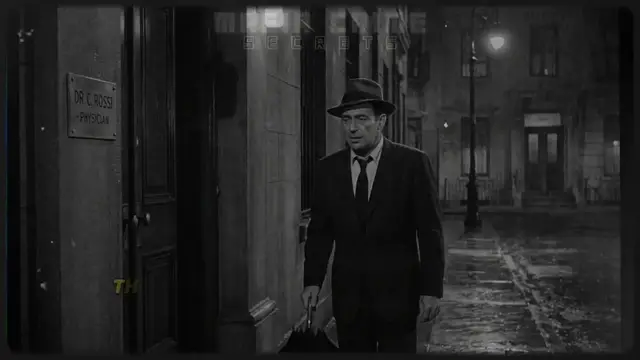
He was the "Prime Minister" of the underworld, a man who could appoint judges and politicians with a phone call. But at night, Frank Costello was falling apart.
This documentary explores the complex life of Frank Costello, the mob boss who bridged the gap between the criminal underworld and legitimate society. Unlike his violent contemporaries, Costello ruled through diplomacy, connections, and favors. But his desperate need for respectability created a psychological trap that led him to a psychiatrist's couch—a move that was unheard of in the Mafia.
From the poverty of East Harlem to the heights of power, and finally to the humiliation of the televised Kefauver hearings, we analyze the rise and psychological unraveling of the man who wanted to be a businessman but could never wash the blood off his money.
Timestamps:
00:00 The Patient in the Penthouse
01:26 From Calabria to East Harlem
04:00 The Gangster Who Hated Violence
05:29 Prohibition & The Rise of the Syndicate
09:56 The Prime Minister of the Underworld
14:10 Operation Underworld: The Navy & The Mob
16:59 The Boss Goes to Therapy
23:46 The Kefauver Hearings: The Hands That Betrayed Him
29:05 The Assassination Attempt: "This is for you, Frank"
32:23 The Retirement & The Empty Throne
Sources & Further Reading:
- Wolf, George. "Frank Costello: Prime Minister of the Underworld." William Morrow & Co, 1974.
- Raab, Selwyn. "Five Families: The Rise, Decline, and Resurgence of America's Most Powerful Mafia Empires." St. Martin's Press, 2005.
- The Kefauver Committee Report on Organized Crime, U.S. Government Printing Office, 1951.
- Katz, Leonard. "Uncle Frank: The Biography of Frank Costello." Drake Publishers, 1973.
#TrueCrime #FrankCostello #MafiaHistory #OrganizedCrime #Psychology #Documentary
-~-~~-~~~-~~-~--~-~~-~~~-~~-~--~-~~-~~~-~~-~-
⚠️ Content Disclaimer
This video is created solely for educational and informational purposes.
We do not glorify, promote, or encourage any kind of criminal behavior or illegal activity.
All visuals, audio, and materials in this video are either:
✔️ AI-generated, or
✔️ Sourced from royalty-free platforms under valid licenses.
Some images, characters, and scenes have been created using artificial intelligence and are not depictions of real people or events.
No copyrighted material belonging to others has been used without permission.
❤️ Support the Channel
If you enjoy learning about true crime stories, history, and real-life mysteries, please:
✔️ Like the video
✔️ Subscribe to the channel
✔️ Share your thoughts in the comments
Your support helps us continue producing valuable and well-researched content!
🔧 Tools I Use to Grow This Channel
I personally use vidIQ to optimize my videos, find trending keywords, and grow faster on YouTube.
👉 Try it for free and experience the difference.
💼 Contact & Copyright Notice
If you believe any part of this video infringes on your rights, please contact me directly via YouTube.
I fully respect copyright laws and will respond promptly and professionally.
-~-~~-~~~-~~-~--~-~~-~~~-~~-~--~-~~-~~~-~~-~-
-
Show More Show Less View Video Transcript
0:03
the most powerful man in America
0:08
by several accounts
0:09
he visited regularly for a period of years
0:12
he climbed those stairs
0:14
a narrow building on the Upper East Side
0:17
no doorman no witnesses
0:19
just a brass plaque by the door with a doctor's name
0:22
the man who had documented influence over judges
0:25
and police officials
0:27
the man with access to political power
0:29
few criminals ever achieved
0:32
came here to talk about his feelings
0:34
his name was Frank Costello
0:37
and by some contemporary accounts
0:39
he was the most powerful criminal in America
0:42
but something was wrong
0:44
something he couldn't fix with money
0:46
something he couldn't solve with a favour or a threat
0:50
something that woke him at 3 in the morning
0:52
and wouldn't let him sleep
0:54
Frank Costello was falling apart from the inside
0:58
before we go further a necessary word
1:01
this is a documentary account
1:03
based on historical sources
1:05
court records and documented testimony
1:08
some details remain disputed
1:11
where the evidence is uncertain
1:13
I'll say so
1:14
this is not an endorsement of any criminal activity
1:18
it's an attempt to understand a complicated man
1:21
in a complicated time now let's go
1:24
back to where it started
1:26
Francesco Castiglia was born in 1891
1:30
the village was loropoli a small town in Calabria
1:34
the toe of the Italian boot
1:36
Southern Italy the forgotten part
1:39
his family was poor not romantically poor
1:42
not the charming poverty of old movies
1:45
desperately poor the kind of poverty where children die
1:48
young and old men look ancient at 40
1:52
Calabria in the 1890s
1:54
was a land of feudal estates and landless peasants
1:57
there was no future there
1:59
everyone knew it his father
2:01
Luigi left for America when Francesco was still a child
2:06
he went ahead to find work to establish a foothold
2:09
the boy followed a few years later
2:12
arriving in New York around 1896 or 1897
2:17
the exact year is uncertain
2:19
he was 4 or 5 years old
2:21
he would never see Calabria again
2:24
the family settled in East Harlem
2:26
Italian Harlem
2:28
a neighborhood of tenements and push carts
2:31
of too many people in too few rooms
2:33
six families sharing a single bathroom
2:36
laundry strung between fire escapes
2:40
the smell of garlic and poverty
2:42
this was not the America of the postcards
2:45
but it was opportunity of a sort
2:48
Francesco became Frank Castiglia became Costello
2:53
the transformation began early
2:55
and the boy from Calabria
2:57
began learning the rules of a new country
2:59
the streets taught him first
3:01
East Harlem in the early 1900s was controlled by gangs
3:06
not the organized syndicates that would come later
3:09
street gangs neighborhood crews
3:12
young men with nothing and everything to prove
3:15
by his teenage years Frank was running with them
3:19
petty theft small time hustles
3:22
shaking down pushcart vendors for pennies
3:25
he was arrested for assault in 19:08
3:28
he was 17 then again for robbery in 1912
3:33
then again in 1915
3:35
the pattern was clear the trajectory seemed fixed
3:39
prison eventually maybe an early death
3:42
but Frank Costello was different from the other young
3:45
toughs people noticed it early
3:47
he didn't like violence that might sound strange
3:50
perhaps even naive
3:52
how could a man rise to lead a criminal organisation
3:55
without liking violence but it's documented
3:59
it's consistent across almost every account
4:02
Costello preferred talking
4:04
negotiating finding the angle
4:07
that made everyone walk away satisfied
4:10
he had a gift for it he wasn't soft
4:13
make no mistake
4:14
he survived in a world where weakness meant death
4:18
he did what he had to do but he understood something
4:21
most street criminals never Learned
4:23
violence attracts attention
4:26
attention brings police police bring courts
4:29
courts bring prison and prison is bad for business
4:32
this insight would define his entire career
4:36
while other ambitious
4:37
young criminals were building reputations
4:40
with their fists and their guns
4:42
Costello was building something else relationships
4:46
in 1914 Costello met a young woman named Loretta Geiger
4:51
man she was Jewish
4:53
not Italian this was unusual for the time
4:57
they married
4:58
they would stay married for nearly 60 years
5:01
until his death by most accounts
5:03
it was a genuine partnership
5:05
she knew who he was what he did
5:07
she accepted it some historians have suggested
5:10
that Loretta was his anchor
5:12
the one connection to normality he allowed himself
5:16
others see the marriage differently
5:18
a strategic alliance a way to bridge the gap
5:21
between Italian and Jewish criminal networks
5:25
perhaps it was both The 1920s changed everything
5:29
on January 17th, 1920 the 18th Amendment took effect
5:35
prohibition the manufacture
5:37
sale and transportation of alcohol
5:40
became illegal across the United States
5:43
the reformers thought they were saving
5:45
America from the scourge of drink
5:47
they created
5:48
the greatest criminal opportunity in history
5:51
suddenly everyone wanted what no one could legally have
5:55
the demand was infinite
5:57
the supply required organization
6:00
and the profits
6:01
the profits were beyond anything anyone had imagined
6:05
Costello was ready he'd already built connections
6:08
during the years before prohibition
6:11
he knew people who knew people bootleggers
6:15
rum runners ship captains
6:17
willing to look the other way
6:18
more importantly he knew politicians
6:21
Tammany Hall controlled New York City politics
6:24
the democratic machine
6:26
patronage and power and corruption so deeply embedded
6:29
it was simply how things worked
6:32
Costello understood Tammany
6:34
he understood what they needed
6:36
money for campaigns
6:37
jobs for loyalists favors that could be called in later
6:42
he began making himself useful
6:44
this is where the legend begins
6:46
Costello partnered with other ambitious young men
6:49
names that would become infamous
6:52
Lucky Luciano born Salvatore Lukania in Sicily
6:56
brilliant ruthless
6:58
visionary Mayor Lansky
7:01
born Mayor Suchal Jansky in Poland
7:03
the mathematician the planner
7:06
the man who saw numbers where others saw chaos
7:09
Benjamin Siegel Bugsy
7:11
though never to his face the handsome one
7:14
the violent one
7:16
these men were different from the older generation
7:18
the mustache Pete's they called them
7:21
the old bosses
7:22
who thought only in terms of Sicilians and Neopolitans
7:26
who couldn't see past their own villages
7:29
the new generation saw bigger
7:31
Costello's role in this new order was specific
7:34
essential he was the bridge
7:37
the man who could sit with Italian gangsters
7:39
and Jewish gangsters and Irish politicians
7:43
and make them all feel comfortable
7:45
make them all feel like they were getting the better
7:47
deal he was the fixer
7:50
let me give you an example of how this worked
7:52
say a bootlegging ship was coming in from Canada
7:56
the cargo was valuable
7:58
but the Coast Guard was asking questions
8:00
who do you call
8:02
Costello knew a man in the district attorney's office
8:05
that man owed him a favor
8:07
the questions went away
8:09
or say a police captain was getting ambitious
8:12
raiding the wrong warehouses
8:14
making himself a nuisance
8:16
who do you call Costello knew someone in Tammany Hall
8:20
a word was spoken
8:22
the captain was transferred to Staten Island
8:25
this was Costello's genius
8:27
not violence access
8:29
by the late 1920s the operation was massive
8:33
rum row they called it
8:35
ships anchored
8:36
just outside the three mile limit
8:38
of federal jurisdiction smaller boats
8:41
running the liquor to shore under cover of darkness
8:44
millions of gallons tens of millions of dollars
8:48
Costello oversaw significant portions of this operation
8:53
the exact scope is debated
8:55
but his involvement is not
8:57
he was becoming rich and more importantly
9:00
he was becoming connected
9:02
prohibition ended in 1933
9:05
Roosevelt repealed the 18th Amendment
9:08
the grand experiment was over
9:10
most bootleggers were caught flatfooted
9:13
their entire business model vanished overnight
9:16
but Costello had been preparing
9:18
he understood that liquor was just one business
9:21
the real product he sold was something else entirely
9:25
influence access
9:28
the ability to make problems disappear
9:31
he moved into gambling slot machines first
9:35
then larger operations he had connections in Louisiana
9:39
with Huey Long's political machine
9:41
he had operations in Florida
9:44
in Cuba wherever the money flowed
9:46
Costello found a way to be nearby
9:49
but gambling was just the visible business
9:52
the invisible business was power
9:54
by the mid 1930s
9:56
Frank Costello had become something unprecedented
10:00
he was a criminal who operated almost entirely
10:03
through legitimate channels
10:05
his weapons were relationships
10:07
his currency was favors he could get a judge appointed
10:11
get a politician elected get a city contract steered
10:15
he never had to threaten anyone directly
10:18
he simply knew people
10:20
and those people knew other people
10:23
and somewhere in that web of connections
10:25
things happened the other bosses respected him for this
10:29
Lucky Luciano who by this point
10:31
had consolidated power
10:33
over the Italian criminal organizations
10:36
in New York
10:37
relied on Costello's political connections constantly
10:41
when Luciano needed Protection
10:43
he called Costello when Luciano needed a case fixed
10:47
he called Costello
10:49
when Luciano needed a politician to look the other way
10:52
he called Costello Costello was not boss
10:56
but in some ways he was more valuable than any boss
11:00
let me pause here for a moment
11:02
the picture I'm painting might sound almost admiring
11:06
it's not Frank Costello was a criminal
11:09
his political machine was corruption
11:12
pure and simple real people were hurt
11:15
real institutions were damaged
11:17
real democracy was undermined
11:20
the money that flowed through his hands
11:22
came from gambling addicts
11:24
losing their savings
11:25
from slot machines in poor neighborhoods
11:28
from bribes that made honest government impossible
11:32
but if we're going to understand what happened to him
11:35
psychologically
11:36
we need to understand how he saw himself
11:39
Costello wanted legitimacy
11:42
not just the appearance of it
11:44
the real thing he wanted to walk into a room
11:47
and be seen as a businessman
11:49
a political player
11:51
a man of substance and sophistication
11:54
look at the choices he made
11:55
not criminal choices personal choices
11:58
he dressed impeccably
12:00
custom suits from the finest tailors
12:03
silk ties shoes polished to mirrors
12:06
he cultivated his voice
12:08
worked for years to minimize his Italian accent
12:12
to sound like an American businessman
12:14
not a street tough from East Harlem
12:16
he collected art he attended the opera
12:19
he gave generously to charity
12:21
the charities were real the donations were documented
12:26
he lived in the majestic one of the most prestigious
12:29
apartment buildings on Central Park West
12:32
his neighbors were executives
12:33
and doctors and society figures
12:36
and he told himself a story
12:38
the story was simple he was a fixer
12:41
a facilitator
12:42
a man who made things happen for other men
12:45
he wasn't a gangster gangsters were crude
12:47
violent obvious
12:49
he was a connector a businessman
12:51
who happened to know some rough characters
12:54
from the old neighborhood
12:55
that was the story but here's the problem
12:59
the world didn't see it that way
13:01
and deep down if we're being honest
13:03
neither did he 1936 brought trouble
13:07
Lucky Luciano was convicted on prostitution charges
13:11
and sentenced to 30 to 50 years in prison
13:14
the details of the case were questionable
13:17
the prosecutor a young Thomas Jewie
13:20
had ambitions of his own but guilty or not
13:23
Luciano was gone sent to Daniel Moore
13:26
the infamous prison in upstate New York
13:29
Costello lost his most important ally
13:32
his protector in a sense
13:34
now he was more exposed than ever
13:37
the war years brought an unlikely reprieve
13:40
this is where history gets strange
13:43
where the line between criminal and patriot blurs
13:47
in 1942 the US Navy had a problem
13:51
German U boats were sinking ships along the East Coast
13:54
with frightening regularity
13:56
intelligence suggested saboteurs
13:59
might be operating from the New York waterfront
14:02
the waterfront was controlled by the mob
14:05
everyone knew it the Navy
14:07
through naval intelligence
14:09
made an extraordinary decision
14:11
they reached out to organized crime for help
14:14
Operation Underworld that was the code name
14:18
according to most accounts
14:20
the details remain murky
14:22
classified documents were later destroyed
14:25
the full story may never be known
14:28
but here's what seems to have happened
14:30
Naval Intelligence contacted Meyer Lansky
14:33
Lansky contacted Luciano still in prison
14:37
Luciano agreed to cooperate
14:39
and Costello according to some accounts
14:42
served as an intermediary
14:44
the mob helped secure the waterfront
14:47
sabotage dropped to nearly zero later
14:50
when the allies invaded Sicily in 1943
14:54
there are disputed claims that Luciano's connections
14:57
helped smooth the way
14:59
I want to be careful here
15:01
Operation Underworld is documented
15:04
but many of the specific claims about mob involvement
15:07
in the Sicily invasion are contested by historians
15:12
what's certain is this
15:14
Luciano's cooperation earned him a reward
15:17
after the war his sentence was commuted
15:20
he was released from prison in 1946
15:23
but there was a condition deportation
15:26
he could never return to American soil
15:29
1946 was a turning point Lucky Luciano
15:33
Costello's longtime ally
15:35
and the symbolic head of their organization
15:38
was deported to Italy
15:40
he sailed from New York Harbor in February
15:43
he would never return the departure left a vacuum
15:47
a vacuum of leadership of authority
15:50
of the particular kind of vision Luciano had provided
15:54
someone had to fill it Frank Costello stepped forward
15:58
according to most accounts
16:00
he became the de facto
16:01
leader of what would later be called
16:03
the Genovese crime family
16:06
though the exact
16:07
nature of his authority is debated by historians
16:11
some say he was the boss period
16:14
the supreme authority
16:15
others argue he was more of a chairman
16:18
first among equals
16:20
a man who LED through consensus rather than command
16:23
the truth
16:24
probably lies somewhere between these interpretations
16:28
what's not debated is this
16:30
Costello was now by any measure
16:32
at the top the prime minister of the underworld
16:35
that nickname captured something real
16:38
he ruled through diplomacy
16:40
not fear through connections
16:42
not guns
16:43
through favors owed and debts accumulated over decades
16:47
he was the anti boss
16:49
the criminal who didn't look or act like a criminal
16:52
but the throne came with a weight
16:54
and the weight was crushing him
16:56
sometime in the late 1940s
16:59
Frank Costello did something
17:01
almost unheard of for a man in his position
17:04
he went to see a psychiatrist
17:06
think about what this meant
17:08
this was the 1940s
17:10
psychiatry carried stigma for ordinary people
17:13
for a man in Costello's world
17:15
it was almost inconceivable
17:18
the underworld valued strength silence
17:21
the ability to endure without complaint
17:24
a man who needed a doctor for his feelings
17:27
that man was weak that man was a liability
17:31
but Costello went anyway
17:33
the doctor's name was Richard Hoffman
17:35
according to various accounts
17:37
Costello began visiting Hoffman's office around 1948
17:42
or 1949 the exact date isn't certain
17:46
neither is the precise duration
17:48
what we know is this
17:50
over a period that may have lasted several years
17:53
the boss visited that office regularly
17:56
he lay on that leather couch and he talked
17:59
but wait let's pause
18:01
how do we know any of this happened
18:03
the answer is complicated
18:05
some of the evidence comes from later court proceedings
18:09
in the 1950s when Costello was fighting deportation
18:13
his mental health became a matter of legal record
18:17
some comes from government investigations
18:20
the FBI was watching Costello
18:22
closely they documented his movements
18:25
some comes from journalists who developed
18:28
sources close to the situation
18:30
columnists who ran in the same social circles
18:34
and some comes from Costello's own admissions
18:37
he never denied the treatment
18:39
in fact
18:40
he spoke about it relatively openly in later years
18:44
but we don't have transcripts of the sessions
18:47
we don't have Doctor Hoffman's notes
18:49
doctor patient confidentiality protected those secrets
18:54
even after both men died
18:56
so what I'm about to describe is reconstruction
18:59
educated interpretation
19:01
based on the evidence we do have
19:03
I'll be clear when I'm speculating
19:06
what was wrong with Frank Costello
19:09
based on the available evidence
19:11
he appears to have suffered from
19:12
what we might now call anxiety disorder
19:15
severe anxiety possibly depression as well
19:19
he had trouble sleeping he was prone to dark moods
19:23
he worried constantly
19:25
obsessively about things he couldn't control
19:28
about what specifically according to those who knew him
19:32
about everything he worried about his enemies
19:35
that's understandable
19:37
a man in his position had reason to fear betrayal
19:41
the history of organized crime
19:43
is written in the blood of men who trusted
19:45
the wrong people
19:47
but he also worried about things that didn't threaten
19:50
his life his reputation
19:52
his standing in legitimate society
19:55
what people thought of him
19:56
when he walked into a restaurant or a charity gala
20:00
he worried about the newspapers
20:02
about what the columnists wrote
20:04
he was known to call reporters personally
20:07
to complain about unflattering coverage
20:10
this is where it gets interesting
20:12
Costello wanted two contradictory things
20:16
he wanted power real power
20:19
the kind that comes from influencing politicians
20:21
and judges and police officials
20:24
the kind that lets you reshape the world
20:26
to your advantage but he also wanted respectability
20:30
he wanted to be seen as legitimate
20:33
as a businessman
20:34
who happened to know some rough characters
20:36
he wanted to sit in the Waldorf
20:38
and be treated like any other wealthy citizen
20:41
he wanted his charity donations to be praised
20:44
without asterisks
20:46
he wanted desperately to be respectable
20:49
these two desires were fundamentally incompatible
20:53
you can't be the secret power
20:55
behind political corruption
20:57
and also be a respectable citizen
21:00
the math doesn't work the equation never balances
21:04
and somewhere in the deep architecture of his psyche
21:07
Frank Costello knew it the sessions with Doctor Hoffman
21:11
must have been extraordinary
21:13
we can only imagine what was said in that quiet room
21:17
but consider the situation
21:19
a man who had spent his entire adult life
21:22
controlling information
21:24
every conversation was strategic
21:27
every relationship was transactional
21:29
every word was calculated
21:31
a man who survived by keeping secrets
21:34
who trusted almost no one completely
21:37
who knew that a single slip could mean prison or death
21:41
that man walked into a room with a stranger
21:43
lay down on a couch and apparently began to talk
21:48
some researchers believe
21:49
Costello used the sessions to unburden himself
21:53
the guilt there must have been guilt
21:55
despite how he justified his actions to himself
21:59
despite the elaborate story he told himself
22:01
about being a businessman somewhere
22:04
he knew the loneliness
22:06
he was surrounded by people constantly associates
22:09
politicians supplicants
22:12
but how many of them could he truly trust
22:15
how many would still be there if his power vanished
22:18
the fear not just of violence
22:20
though that was real too
22:21
not just of prison but of exposure
22:24
of being seen
22:26
finally and completely for what he really was
22:29
the fear
22:30
that the story he told himself might not be true
22:33
where the historical record ends
22:36
psychological interpretation begins
22:39
what follows is informed speculation
22:42
my attempt to understand a man
22:44
through the fragments he left behind
22:46
what if the anxiety wasn't about what Costello had done
22:50
what if it was about who he had become
22:52
think about it
22:53
he started as a poor immigrant kid from Calabria
22:57
a nobody less than nobody
23:00
one of millions streaming through Ellis Island
23:03
he clawed his way up through a brutal world
23:05
he survived when others didn't
23:08
he built something he became someone
23:10
but the someone he became
23:12
that person
23:13
couldn't exist in the legitimate world he craved
23:16
every step toward power
23:18
was a step away from respectability
23:21
every political connection he cultivated
23:24
was another chain binding him to the underworld
23:27
every favor he granted created another debt
23:31
another person who knew another potential witness
23:34
he had built a trap brick by brick
23:37
relationship by relationship
23:39
favour by favour and he was living inside it
23:42
The 1950s brought his nightmare to life
23:46
Senator Estes Kefauver of Tennessee
23:48
was an ambitious man in 1950
23:51
he launched a congressional
23:53
investigation into organized crime
23:55
in interstate commerce the Kefover Committee
23:59
it would be called the stated goal was
24:02
to expose the National Crime Syndicate
24:04
to show the American public
24:06
that organized crime was real
24:09
powerful and dangerous the unstated goal
24:12
was to make Estes Kefover a household name
24:16
to make him president
24:17
the committee would hold hearings in 14 cities
24:21
it would call hundreds of witnesses
24:23
it would produce thousands of pages of testimony
24:27
but only one moment would be remembered
24:30
for the first time in history
24:32
organized crime would be exposed on television
24:35
the hearings were broadcast live
24:38
in living rooms across America
24:40
families gathered around small screens and watched
24:43
they watched mobsters plead the Fifth Amendment
24:46
they watched politicians squirm
24:49
they watched a hidden world dragged into the light
24:52
and estimated 30 million Americans tuned in
24:55
and Frank Costello would become its reluctant star
24:59
March 1951 New York City
25:03
Costello was subpoenaed to testify before the committee
25:07
he had no choice
25:08
refusing a congressional subpoena meant contempt
25:12
contempt meant prison but he knew what was coming
25:15
the whole country would be watching
25:17
his face his words
25:20
everything he'd tried to hide
25:22
his lawyers made a request
25:24
they asked that his face not be shown on camera
25:27
the reasoning was clever the lawyers argued
25:30
that showing Costello's face
25:32
would prejudice any future jury
25:34
it would make a fair trial impossible
25:37
the committee agreed to a compromise
25:40
the cameras could broadcast the hearings
25:42
but they would focus only on Costello's hands
25:45
it became one of the most famous
25:47
images in television history
25:50
those hands restless
25:52
nervous
25:53
clasping and unclasping fingers drumming on the table
25:58
reaching for a glass of water
26:00
tearing a piece of paper into tiny strips
26:03
the hands of a man coming apart
26:05
for years Costello had controlled his image
26:09
he wore the right suits said the right things
26:12
cultivated the right relationships
26:14
he had built a wall between his public persona
26:17
and the criminal underneath
26:19
now
26:19
millions of Americans were watching that wall crumble
26:23
they couldn't see his face
26:25
but they didn't need to the hands told the story
26:28
the committee asked him about his business dealings
26:31
Costello deflected he was in real estate
26:35
legitimate investments
26:36
he didn't know anything about any criminal organization
26:40
they asked about his political connections
26:43
he was a citizen who took an interest in civic affairs
26:46
nothing unusual nothing illegal
26:48
they asked about specific individuals
26:51
known criminals associates
26:53
he knew them sure
26:55
New York was a small world
26:57
everyone knew everyone but the evasions weren't working
27:01
the committee had done its homework
27:03
they had documents
27:05
they had other witnesses who had already testified
27:08
and they had something else
27:10
they had Frank Costello nervous and sweating
27:13
in front of an audience of 30 million
27:16
the anxiety
27:17
he'd been treating in that psychiatrist's office
27:20
it was now on display for the entire country
27:23
every time the camera lingered on those restless hands
27:26
it told a story this man is hiding something
27:30
this man is afraid the more he talked
27:33
the worse it got he lost his temper
27:36
he complained about the proceedings
27:38
he walked out at one point claiming throat problems
27:42
the committee found him in contempt
27:44
the Kefover hearings
27:46
destroyed something in Frank Costello
27:48
not his power not yet
27:51
he would remain influential for several more years
27:54
the machine he had built
27:56
was too entrenched to collapse overnight
27:58
what they destroyed was the illusion
28:01
the story he told himself
28:03
the narrative that made his life bearable
28:06
that he was a businessman
28:07
a fixer
28:08
a man who happened to know some rough characters
28:11
from the old neighborhood
28:13
after the hearings everyone knew
28:15
his neighbors in the majestic knew
28:17
when he walked through the lobby
28:19
he could feel their eyes
28:21
the people at the charity events knew
28:23
the opera patrons
28:25
the restaurant staff at the places he liked to dine
28:28
Frank Costello was a gangster
28:31
the word he'd spent his entire life trying to escape
28:34
now it followed him everywhere
28:36
some men would have accepted it
28:38
made peace with who they were
28:40
embraced the role stopped pretending
28:43
there's a certain freedom in being known
28:46
in no longer having to maintain the fiction
28:49
but Costello couldn't do that
28:51
the need for respectability was too deep
28:54
too fundamental to who he understood himself to be
28:57
so he kept trying and the trying made everything worse
29:01
the mid 1950s brought new pressures
29:05
Vito Genovese
29:06
a name that had lurked in the background for
29:08
years was making moves
29:10
Genovese was different from Costello
29:13
where Costello was diplomatic
29:15
Genovese was brutal
29:17
where Costello cultivated politicians
29:20
Genovese cultivated fear he had been biding his time
29:25
waiting building his own alliances
29:28
now he wanted control and Costello was in his way
29:32
the old methods weren't working anymore
29:35
Costello's power rested on relationships
29:38
on favors on the delicate web of mutual obligation
29:42
he had spent decades weaving
29:44
but Genovese didn't care about relationships
29:47
he cared about territory about respect in the old sense
29:51
the kind that came from fear
29:53
he was whispering to the other bosses
29:56
suggesting that Costello had gone soft
29:58
that the prime minister had lost his edge
30:01
the throne was wobbling on May 2nd, 1957
30:06
Frank Costello came home to his apartment building
30:08
on Central Park West
30:10
it was late around 11 at night
30:13
he'd had dinner at a restaurant in Midtown
30:16
a normal evening nothing unusual
30:19
he entered the building
30:20
walked through the lobby toward the elevator
30:23
he didn't notice the large man in a dark coat
30:26
standing near the entrance
30:28
the man followed him inside
30:30
this is for you Frank Costello turned
30:33
the man fired the bullet grazed Costello's head
30:36
it carved a furrow across his scalp
30:39
a groove in the flesh maybe an inch deep
30:41
blood everywhere but it didn't penetrate his skull
30:45
he staggered he fell
30:46
but he didn't die the shooter was Vincent Gigante
30:50
a soldier working for Vito Genovese
30:53
the message was clear Costello's time was over
30:57
the fact that he survived
30:58
was almost accidental a few degrees in either direction
31:03
and the most powerful mob boss in America
31:06
would have died in a lobby
31:07
but here's what's remarkable
31:09
according to multiple accounts
31:11
when questioned by police
31:13
Costello refused to identify his attacker
31:16
I didn't see nothing he reportedly said
31:20
I don't know who did it the police knew it was giant
31:24
several witnesses had seen him
31:26
but without Costello's cooperation
31:29
the case went nowhere even after being shot in the head
31:33
he followed the code
31:35
the code that says you don't talk to police
31:37
you don't cooperate with authorities
31:40
you handle things yourself
31:41
or you don't handle them at all
31:43
some might call this loyalty
31:45
others might call it Stockholm syndrome
31:48
but Costello knew something else
31:51
he knew that if he cooperated
31:52
if he broke the code
31:54
he would lose whatever standing he had left
31:56
he would become a rat
31:58
and rats don't survive long in that world
32:01
the assassination attempt changed things
32:04
not because it made Costello afraid of death
32:07
by this point
32:08
he may have been too exhausted to fear much of anything
32:11
he was 66 years old
32:13
he had been fighting his entire life
32:16
but because it gave him permission to step back
32:19
in the following months Costello effectively retired
32:23
he ceded control to Genovese
32:26
he withdrew
32:27
from the active management of the organization
32:29
he stepped off the throne
32:31
he became what he'd always claimed to be
32:34
a private citizen the final years were quiet
32:37
Costello maintained some of his political friendships
32:41
old habits die hard
32:43
he kept in touch with certain associates
32:45
he lived comfortably in the majestic
32:48
surrounded by the trappings of legitimacy
32:51
but something had changed
32:53
the restless energy the constant maneuvering
32:56
the midnight phone calls and the whispered meetings
33:00
it was gone he spent time with Loretta
33:03
his wife of half a century
33:05
he raided he walked in Central Park
33:08
he dined at restaurants
33:09
where he was still treated like a king
33:11
even if the kingdom was gone
33:13
the anxiety seems to have faded
33:16
or perhaps he simply made peace with it
33:18
Vito Genovese the man who had tried to kill him
33:22
didn't fare as well in 1959
33:25
Genovese was convicted on narcotics charges
33:29
and sentenced to 15 years in federal prison
33:32
he would die there in 1969
33:35
there are theories that Costello helped engineer this
33:39
that he quietly fed information to the authorities
33:43
that the mastermind got his revenge
33:45
after all these theories are unproven
33:48
but they are not impossible
33:50
Costello was patient he knew how to wait
33:53
he understood that revenge is a dish best served cold
33:57
Frank Costello died on February 18th, 1973
34:02
natural causes a heart attack
34:04
he was 82 years old he died in his bed in his apartment
34:09
surrounded by the life he had built
34:11
in his final years according to those who knew him
34:14
he seemed at peace or at least more peaceful
34:18
than he'd ever been during his rise
34:21
maybe the anxiety finally let go
34:23
or maybe he just stopped fighting
34:26
so what do we make of Frank Costello
34:28
he was a criminal that's undeniable
34:31
the corruption he enabled damaged institutions
34:34
and harmed countless people
34:37
he helped create a system where justice was for sale
34:40
where politicians answered to gangsters
34:44
where the rule of law was a fiction
34:46
the gambling operations he ran
34:48
extracted
34:49
money from people who couldn't afford to lose it
34:52
the political machine he built
34:53
made honest government impossible in New York
34:56
for decades these are facts
34:59
they can't be softened or excused
35:01
but he was also something else
35:03
something more complicated
35:05
he was a man at war with himself
35:07
the psychiatrist's couch revealed
35:09
what the Kefover hearings made public
35:12
Frank Costello wanted two things that couldn't coexist
35:16
he wanted power and he wanted to be good
35:19
not good in some abstract moral sense
35:22
not virtuous or holy or pure
35:25
but good in the eyes of others respectable
35:28
legitimate worthy of admiration rather than fear
35:32
he wanted to be seen as a builder
35:34
not a destroyer a man who made things happen
35:37
not a man who broke things apart
35:40
a citizen of the country that had taken him in as a boy
35:43
not a parasite feeding on its weakness
35:46
that's what he wanted and he could never have it
35:49
you can argue that he deserved his suffering
35:52
that the anxiety and depression
35:54
were appropriate responses to a life of crime
35:57
that his conscience was simply doing its job
36:01
that the guilt was earned
36:02
that's a fair argument maybe the only honest argument
36:07
but I think there's something else here too
36:09
Costello's story
36:11
tells us something about the cost of self deception
36:14
he built an elaborate internal narrative
36:17
a story in which he was the hero
36:19
or at least not the villain
36:21
a story that made his choices bearable
36:24
the fixer the facilitator
36:26
the businessman
36:28
but the narrative required constant maintenance
36:31
every day he had to shore up the illusion
36:34
ignore the contradictions
36:35
push away the evidence
36:37
tell himself the story again and again
36:40
until it felt true that kind of work takes a toll
36:43
the toll is anxiety the toll is sleeplessness
36:47
the toll is a leather couch in a psychiatrist's office
36:51
the empty throne that's how some writers have described
36:55
Costello's position he sat at the top
36:58
he had everything a man could want power
37:01
wealth influence
37:03
respect of a kind but the throne was empty
37:07
because he couldn't truly occupy it
37:09
he couldn't be the ruthless boss his position required
37:12
violence disgusted him fear repelled him
37:16
and he couldn't be the legitimate businessman
37:18
his heart desired
37:20
the blood on the money wouldn't wash off
37:22
so he was neither
37:23
he was a man suspended between two worlds
37:26
belonging fully to none king of everything
37:30
at home nowhere
37:31
maybe that's why he went to the psychiatrist
37:34
not because he was weak not because he was broken
37:38
but because he was honest enough
37:40
at least sometimes to acknowledge the contradiction
37:44
to sit in that quiet room and say to someone
37:47
to anyone this isn't working
37:50
I don't know who I am anymore
37:51
I don't know if I ever did
37:53
the file on Frank Costello is closed
37:56
the man is gone the empire he helped build
37:59
has transformed into something else entirely
38:02
the world he navigated has vanished
38:05
Tammany Hall is a memory
38:07
the old political machines are dead
38:10
the underworld he knew has fragmented and reformed
38:13
and fragmented again
38:15
but the questions he struggled with remain
38:17
what does power cost the person who wields it
38:20
can you escape the identity the world assigns to you
38:24
can you be one thing in your heart
38:25
and another thing in your life
38:28
and when you look in the mirror
38:29
do you see the man you intended to become
38:32
Frank Costello looked in the mirror
38:35
and by several accounts for a period of years
38:38
he sat in a quiet room in Manhattan
38:40
and tried to understand what he saw
38:43
he never found the answer
38:45
but he kept looking
38:46
if you found this journey into criminal psychology
38:49
worth taking consider subscribing
38:52
there are more stories like this one
38:54
men who rose and fell empires built on secrets
38:59
lives lived in the space between legitimacy and crime
39:03
and always beneath the surface
39:06
the human cost of the choices they made until next time
Arts & Entertainment