Up next in 10


Every Friday, an envelope appeared on the counter. It wasn't a bribe; it was a salary for looking the other way.
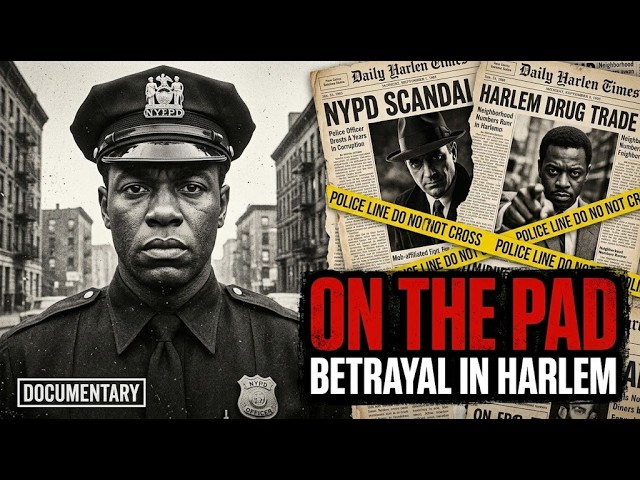
Harlem in the 1960s was a city within a city, running on a shadow economy of cash, numbers rackets, and heroin. For the black officers assigned to these precincts, the choice wasn't simply between right and wrong—it was between survival and betrayal. This video uncovers the history of "The Pad," a systematic corruption machine that turned law enforcement into collection agents for organized crime.
While the story of Frank Serpico is famous, the reality for officers of color policing their own communities was far more complex and tragic. From the numbers bankers to the Knapp Commission, this is the story of how the system broke the men sworn to uphold it.
Timestamps:
00:00 - The City Within a City
01:40 - The Envelope on the Counter
03:19 - How "The Pad" Worked
05:48 - The Moral Cost: From Numbers to Heroin
07:49 - Why Serpico's Story Isn't the Whole Truth
09:20 - The Danger of saying "No"
14:00 - The Mob Takes Over
16:08 - The Knapp Commission & "Meat Eaters"
21:30 - The Realization
26:30 - Did the System Ever Change?
Sources & Further Reading:
- The Knapp Commission Report on Police Corruption (1972)
- "Serpico" by Peter Maas (1973)
- New York Times Archives (Articles by David Burnham, April 1970)
- Commission to Investigate Allegations of Police Corruption (Mollen Commission Report, 1994)
- Oral histories of the NY Transit Police and NYPD Guardians Association
#NYPDHistory #TrueCrime #HarlemHistory #Corruption #KnappCommission #1960s
-~-~~-~~~-~~-~--~-~~-~~~-~~-~--~-~~-~~~-~~-~-
🕵️♂️ Global Mafia Universe - https://www.youtube.com/@GlobalMafiaUniverse?sub_confirmation=1
-~-~~-~~~-~~-~--~-~~-~~~-~~-~--~-~~-~~~-~~-~-
⚠️ Content Disclaimer:
This video is created for educational and informational purposes only. We do NOT glorify, promote, or encourage any form of criminal activity.
All visuals, audio, and materials used in this video are either:
✔ Created using AI tools, or
✔ Sourced from royalty-free platforms with valid licenses.
Some images and characters have been generated using AI and do not represent real people or events.
No copyrighted content belonging to others has been used without permission.
❤️ Support the Channel:
If you enjoy learning about real-life crime stories, history, and social issues, don't forget to:
✔ Like the video
✔ Subscribe to the channel
✔ Share your thoughts in the comments
Your support helps us keep creating more valuable content!
🔧 Tools I Use to Grow This Channel:
I personally use vidIQ to optimize my videos, find trending keywords, and grow my YouTube channel faster. Try it for free and see the difference!
💼 Contact & Copyright:
If you believe any part of this video violates your rights, please contact me directly via YouTube. I fully respect copyright laws and will respond promptly.
-~-~~-~~~-~~-~--~-~~-~~~-~~-~--~-~~-~~~-~~-~-
-
Show More Show Less View Video Transcript
0:01
they said every cop had a price
0:04
the question was whether you'd live with yours
0:08
Harlem in the early 1960s was a city within a city
0:12
150,000 people
0:14
packed into a few square miles of upper Manhattan
0:17
brownstones and tenements
0:19
churches on every corner
0:21
jazz clubs that didn't close until sunrise
0:24
and underneath it all a system that ran on cash
0:27
not taxes not city budgets
0:29
cash in envelopes passed under tables
0:33
through car windows
0:34
across bar counters in the middle of the afternoon
0:37
this story draws from documented sources
0:40
court records
0:41
published investigations and first hand accounts
0:45
where facts are uncertain
0:46
we say so the money moved in a circle
0:49
heroin came into the neighborhood
0:51
through a handful of major distributors
0:54
the distributors paid the street crews
0:56
the street crews paid the cops
0:58
the cops paid the sergeants
1:00
the sergeants paid the lieutenants
1:03
and somewhere above all of it
1:05
men in suits
1:05
took their percentage and never touched a thing
1:08
that was the system and the system needed cops
1:11
not just any cops it needed black cops
1:15
officers who looked like the neighborhood
1:17
who knew the streets who could walk into a barbershop
1:20
or a pool hall without drawing stares
1:22
The New York City
1:24
Police Department had been hiring black officers
1:26
in larger numbers since the late 1940s
1:30
by the early 60s precincts in Harlem
1:33
the 2 8 the 2 5
1:35
the 3 2 had significant numbers of black patrolmen
1:39
and a growing handful of black detectives
1:41
most of these
1:42
men had joined the force for the same reasons
1:45
anyone did steady paycheck
1:48
city pension a chance to do something that mattered
1:51
what they found was something else entirely
1:54
the money appeared almost immediately
1:57
not in dramatic fashion not in some back alley hand off
2:01
it started with small gestures
2:03
a store owner pressing a 10 dollar Bill into your hand
2:06
when you walked your beat
2:08
a bar owner leaving an envelope at the precinct
2:10
with your name on it
2:12
a numbers runner offering to buy your lunch
2:15
these were not bribes not exactly
2:17
they were introductions
2:19
the real money came later and it came with a choice
2:22
to understand that choice
2:24
you have to understand how the numbers racket worked
2:26
in Harlem the numbers game
2:29
sometimes called policy
2:31
was the largest illegal gambling operation in black
2:34
America it was simple
2:36
you picked a three digit number
2:38
you placed a bet a nickel
2:40
a dime a quarter
2:41
if your number hit you got paid 600 to one
2:45
thousands of people played every day barbershops
2:48
candy stores shoe shine stands
2:50
they all had a numbers runner nearby
2:52
the operation generated millions of dollars a year
2:56
and it had been running since the 1920s
2:59
by the early 60s
3:00
the numbers racket in Harlem was not run by Italians
3:04
not primarily it was run by black operators
3:07
men and women
3:08
who had built their own organizations over decades
3:12
people like Bumpy Johnson
3:14
like Madam Stephanie Saint Clair
3:16
before him
3:17
like dozens of others whose names never made the papers
3:21
these operators needed one thing above all else
3:24
Protection and that is where the cops came in
3:27
a rookie patrolman
3:28
assigned to a Harlem precinct in 1961 or 62
3:32
would typically hear about the arrangement
3:35
within his first few weeks
3:36
sometimes from a partner sometimes from a sergeant
3:40
sometimes from a civilian who assumed he already knew
3:44
the exact words varied
3:46
but the dynamic was always the same
3:49
no transcript survives these conversations
3:52
but we know they happened from later testimony
3:55
from grand jury records
3:57
from the accounts of men who eventually came forward
4:00
it might have gone something like this
4:02
a veteran officer eight years on the job
4:06
pulling a younger man aside after a shift
4:09
listen I'm going to tell you something
4:11
because nobody else will there's money out here
4:14
steady money and it's yours if you want it
4:17
the younger officer would hesitate
4:19
maybe ask what kind of money
4:21
the kind that doesn't show up on your pay stub
4:24
you got a wife kids
4:26
you know what a patrolman makes
4:27
this is how you make it work
4:29
what do I have to do nothing
4:32
that's the whole point you do nothing
4:34
you walk your beat
4:35
you look the other way when you're supposed to
4:37
and on Friday there's an envelope
4:39
that was the pitch and it was effective
4:42
because it wasn't asking you to do something terrible
4:46
it was asking you to do nothing at all
4:48
but doing nothing had a cost
4:50
the officers who took the money
4:52
and many sources suggest a significant majority did
4:55
though exact numbers are impossible to verify
4:58
entered a system with its own rules
5:01
its own hierarchy its own punishments
5:04
the pad that was the word for it
5:06
if you were on the pad you received regular payments
5:10
weekly or monthly
5:11
the amount depended on your rank and your usefulness
5:14
a patrolman on the pad in a Harlem precinct
5:17
might receive 50 to 100 dollars a month
5:20
in the early 60s that was real money
5:23
equivalent to several hundred dollars today
5:26
on top of a base salary that barely covered rent
5:29
a sergeant received more a detective more still
5:33
a lieutenant or captain
5:35
who controlled an entire precincts pad
5:38
could receive thousands per month
5:40
the money came from the numbers operators
5:43
from after hours clubs from drug dealers
5:46
who needed the police
5:47
to stay away from certain corners
5:49
at certain hours and eventually
5:52
increasingly from the heroin trade itself
5:56
this is where the moral arithmetic
5:57
started to break down
5:59
looking the other way on a numbers game was one thing
6:02
the numbers racket had deep roots in the community
6:06
many people viewed it as a neighborhood institution
6:09
not a crime the runners were neighbors
6:11
the operators were local businessmen
6:14
nobody got hurt heroin was different
6:17
heroin was destroying Harlem
6:19
by the mid 1960s addiction rates in Central Harlem
6:23
were among the highest in the country
6:25
young men were nodding off on stoops
6:28
mothers were losing sons
6:30
the neighborhood was eating itself from the inside
6:33
and the same cops who were supposed to protect it
6:36
many of them were being paid to let it happen
6:39
but wait if these officers
6:41
knew what heroin was doing to their own community
6:44
why did they stay on the pad
6:46
the answer is more complicated than greed
6:49
some officers will tell you
6:51
and some did years later
6:53
in scattered interviews and testimonies
6:55
that the system felt inescapable
6:57
you took the money once then twice
7:00
then it was simply how things worked
7:03
refusing the money didn't stop the heroin
7:05
it just made you poor and suspicious
7:08
an officer who refused the pad was a threat
7:11
not because he might report it
7:13
though that was a fear
7:14
but because his refusal was an accusation
7:17
a silent judgment of every man around him
7:20
there is a concept that some researchers describe
7:23
as institutional capture when the institution itself
7:26
becomes the mechanism of corruption
7:29
individual resistance doesn't just fail
7:32
it becomes dangerous a cop who said no
7:35
might find himself assigned to the worst shifts
7:38
the worst posts
7:39
he might find that backup was slow to arrive
7:42
when he called for it
7:43
he might find that his locker had been searched
7:46
that his patrol car had been moved
7:48
small things constant things
7:51
the message was clear without anyone saying a word
7:54
not every officer accepted this
7:57
the story that most people know is Frank Serpico's
8:00
the White Officer who refused the pad
8:03
reported corruption and nearly died for it
8:06
his story became a book
8:08
then a movie with Al Pacino in 1973
8:12
Serpico's story is important
8:14
it is well documented it was courageous
8:17
but Serpico operated in a different precinct
8:20
a different world the corruption he faced was real
8:23
but it existed in a context
8:25
where the lines between police and community
8:28
were drawn differently in Harlem
8:30
a black officer faced something Serpico did not
8:34
the community he was betraying
8:36
it was his own
8:37
the barber shop where the numbers runner worked
8:39
was the same barber shop
8:41
where his father got his hair cut
8:43
the block where the heroin dealer operated
8:46
was the same block where his mother went to church
8:49
the kid nodding off on the stoop
8:51
might have been the son of someone he grew up with
8:54
the corruption was not abstract
8:56
it was personal among the men who tried to fight it
9:00
and there were several
9:01
though their stories are far less famous than Serpico's
9:04
the details follow a pattern
9:06
a black officer usually a few years into his career
9:10
begins to feel the weight of what he's part of
9:13
he sees the heroin he sees what it does
9:16
he sees the money in his pocket
9:18
and knows where it came from
9:19
he makes a decision
9:21
the decision is almost never dramatic
9:24
it does not happen in a single moment of revelation
9:27
it happens slowly
9:28
a growing disgust that becomes impossible to swallow
9:32
according to accounts
9:33
documented in various published investigations
9:36
of the era including material
9:39
that would eventually feed into the nap commission
9:42
of 1970 to 72
9:45
some black officers attempted to report corruption
9:48
through internal channels
9:50
the process looked something like this
9:53
the officer would request a meeting
9:55
with internal affairs in the 1960s
9:58
this division was known formally
10:01
as the Civilian Complaint Review Board
10:03
or through the department's internal
10:06
investigative apparatus the exact pathway varied
10:10
but what happened in these meetings
10:12
was remarkably consistent
10:14
we don't have transcripts
10:16
of these specific conversations
10:18
but the dynamic is documented in multiple sources
10:21
from nap commission testimony
10:23
to published accounts by officers
10:25
who went through the process
10:27
the conversation reconstructed from these accounts
10:30
often unfolded like this
10:33
an officer sits across from a desk
10:35
an internal affairs investigator
10:38
usually white usually a lieutenant or higher
10:41
opens a folder so you wanna make a complaint
10:45
I want to report what's happening in my precinct
10:48
what specifically regular payments from numbers
10:52
operators weekly
10:54
it goes up the chain patrol to sergeants
10:56
to the lieutenant a pause
10:59
the investigator writes something down
11:01
then looks up you have proof
11:04
I have names I have dates
11:07
I can tell you which bars
11:08
which store owners that's not proof
11:11
that's allegations do you have recordings
11:13
documents photographs
11:16
no but I can
11:17
let me explain something without physical evidence
11:21
this is your word against theirs
11:24
and theirs is a lot of people
11:26
the investigator closes the folder
11:29
we'll look into it they rarely did
11:32
this was the trap and it had teeth
11:35
the officer had now identified himself
11:37
as someone willing to talk
11:39
his name was in a file somewhere
11:41
and the department at that time
11:43
in that era was not structured to protect him
11:46
within weeks the officers around him would know
11:49
not because internal affairs told them directly
11:52
but because the department leaked
11:54
it always leaked a word here
11:57
a glance there and suddenly
11:59
the officer who made the complaint was standing alone
12:02
the retaliation was subtle at first
12:04
different shift assignments
12:06
a new partner someone he didn't know
12:09
someone who watched him too closely
12:11
his arrest reports questioned more aggressively
12:14
his overtime denied then less subtle
12:17
one account and this is drawn from published testimony
12:21
though the specific officer's name is not always clear
12:24
in the public record
12:25
describes a black officer who reported corruption
12:29
and found himself transferred to a precinct
12:31
in a neighborhood where he knew no one
12:33
he was assigned to foot patrol alone
12:37
in an area where officers normally worked in pairs
12:40
the message didn't need to be spoken
12:42
but there was another side to this story
12:45
because not every cop who collected for the mob
12:47
did it reluctantly
12:49
some officers were active participants
12:51
enthusiastic ones they didn't just look the other way
12:55
they organized the pad they expanded it
12:58
they reached out to new operators
13:00
and offered Protection
13:01
they treated their territory like a franchise
13:04
the exact words are lost
13:06
but the meetings are documented
13:09
and the outcomes tell us plenty
13:11
a detective
13:12
call him a collector because that's what he was
13:15
would sit down with a numbers operator or a bar owner
13:19
the conversation was business
13:21
here's how this works you're paying 60 a week right now
13:25
that covers patrol
13:26
you want detectives off your back too
13:28
that's another forty that's 100 a week
13:31
that's more than my rent
13:33
your rent doesn't keep you out of jail
13:35
what if I just pay the 60
13:38
then patrol looks the other way
13:40
but the next time
13:41
a detective walks in and finds your back room
13:44
that's on you a pause
13:46
the operator reaches for his wallet
13:49
smart man these weren't rogue officers acting alone
13:53
this was a system a pricing structure
13:57
a business with tiers of service
13:59
and consequences for non payment
14:01
what makes this story different
14:03
from the standard corruption narrative
14:05
is what happened when the collectors
14:07
started collecting for the wrong people
14:10
through the late 1950s and into the 60s
14:13
the Italian mob specifically the Genovese family
14:16
and to a lesser extent the Lucchese family
14:19
had been pushing into Harlem's numbers racket
14:22
their method was simple
14:24
they didn't replace the black operators
14:26
they taxed them a percentage of the take paid weekly
14:30
in exchange for allowing the operation to continue
14:33
and they used the same cops
14:36
the officers
14:36
who had been collecting from black numbers operators
14:39
were now collecting for Italian organized crime
14:42
the envelopes came from the same places
14:45
but a portion now went uptown to people
14:48
the cops never met
14:49
some officers understood this immediately
14:52
others Learned it gradually
14:53
a few claimed
14:54
they never knew who the money ultimately reached
14:57
but the effect was the same
14:59
black cops in a black neighborhood were now
15:03
whether they knew it or not
15:05
functioning as collection agents for the Italian Mafia
15:08
this is where the story gets personal
15:10
there are many versions of what happened next
15:13
different names different blocks
15:15
but the details repeat an officer
15:18
let's say he's been on the pad for three years
15:20
he's a patrolman he's got a family
15:23
two kids his wife works part time at a hospital
15:26
the pad money makes the difference between scraping by
15:29
and something that feels almost like comfort
15:32
then a kid dies not violently
15:34
not from a shooting from an overdose
15:37
a teenager maybe 15 or sixteen
15:40
found in a hallway needle still in his arm
15:43
the officer knows the kid
15:45
maybe not well but he recognizes the face
15:48
he's seen him around the neighborhood
15:50
and he knows he has to know
15:51
that the heroin that killed this boy
15:53
came through a supply chain
15:55
that he helped protect not directly
15:58
not deliberately but
15:59
the money in his pocket
16:01
is connected to the powder in that needle
16:03
by a chain of transactions that he chose not to see
16:06
does he stop does he walk into internal affairs again
16:10
most didn't but some did
16:12
The nap commission
16:13
which began its investigation in 1970
16:16
would eventually expose systematic corruption
16:19
across the New York City Police Department
16:22
its findings were devastating
16:24
the commission documented what it called grass eaters
16:28
officers who passively accepted payoffs and meat eaters
16:32
officers
16:33
who aggressively sought out and demanded bribes
16:36
most officers the commission found
16:38
were grass eaters they took what was offered
16:42
they didn't seek it out
16:43
they told themselves it was harmless
16:45
the meat eaters were fewer in number
16:48
but far more damaging they set prices
16:51
they enforced payment
16:53
they punished operators who didn't comply
16:55
in Harlem
16:56
the line between the two categories was especially thin
17:00
but the nap commission almost didn't happen
17:03
and
17:03
that part of the story goes through a police officer
17:06
named David Dirk Dirk was a white detective
17:09
he was Sirpico's closest ally
17:12
the man who helped Sirpico
17:13
navigate the department's indifference
17:15
and eventually reach The New York Times
17:18
but before the times published its Exposé in 1970
17:22
Dirk had spent years trying to get someone
17:25
anyone to listen
17:26
he went to his commanders
17:28
they listened politely and did nothing
17:31
he went to the mayor's office
17:32
they referred him to the department
17:34
he went to prosecutors
17:36
they said they needed more evidence
17:38
the circle was closed
17:40
everyone had a reason to do nothing
17:42
and every reason sounded reasonable
17:44
what finally broke it open was not courage alone
17:48
it was journalism David Burnham
17:50
a reporter at The New York Times
17:52
published a front page story on April 25th, 1970
17:57
the story detailed systematic police corruption
18:00
it named no individual sources
18:03
but it forced the city to act
18:05
Mayor John Lindsay created the nap commission
18:09
and the hearings that followed
18:10
would change the department
18:12
but here's what the nap commission didn't fully address
18:15
what the Sirpico story didn't fully capture
18:18
what the headlines largely missed
18:20
the specific experience of black officers in Harlem
18:24
the commission's hearings focused heavily on narcotics
18:26
corruption and plainclothes units
18:29
they heard from white officers
18:31
they heard from Serpico
18:33
they documented the system in clinical detail
18:36
what they spent less time on
18:38
was the particular bind that black officers faced
18:41
the double burden the community pressure
18:44
the racial dynamics within the department itself
18:47
a black officer in a Harlem precinct in the 1960s
18:51
was caught between forces
18:52
that no white officer had to navigate
18:55
from one side the department
18:57
which was overwhelmingly white in its leadership
19:00
expected obedience and silence
19:03
the blue wall from the other side
19:05
the community
19:06
which was black and increasingly desperate
19:09
expected Protection real Protection
19:12
not the performance of policing
19:14
while the neighborhood was being poisoned
19:17
and from below the pad
19:19
which offered the only financial stability
19:22
many of these officers had ever known
19:24
some officers found a third path
19:27
not heroism not corruption
19:29
something in between they stayed on the pad
19:32
but they limited what they would tolerate
19:35
they took money from numbers operators
19:37
but refused to cover for heroin dealers
19:40
they made distinctions
19:41
that might seem meaningless on paper
19:43
but felt like survival in practice
19:46
one account
19:47
and this is drawn from a composite of several
19:49
published sources not
19:51
a single verified individual describes an officer
19:55
who accepted weekly payments from a numbers bank
19:58
but personally arrested two drug dealers on his beat
20:01
in the same year his sergeant pulled him aside
20:05
what are you doing my job
20:08
your job is what I tell you
20:10
your job is you want to arrest people
20:13
arrest the right people
20:15
those dealers had a 15 year old running bags for them
20:19
a long silence
20:21
you're going to have a problem if you keep this up
20:24
I already have a problem Sarge
20:26
this man and there were others like him
20:29
existed in a space
20:30
that doesn't fit neatly into the corruption narrative
20:33
he was dirty
20:35
and he was in his own way trying to draw a line
20:39
whether that line meant anything
20:41
that's a different question
20:42
by 1971 the nap commission hearings were in full swing
20:47
the star witness was not Serpico
20:49
it was a detective named William Phillips
20:52
who testified in extraordinary detail
20:54
about payments he had received and made
20:57
Philips described the pad
20:59
with the precision of a bookkeeper names amounts
21:02
dates routes
21:04
his testimony was devastating
21:06
but it was also limited Philips was a white detective
21:10
who operated primarily
21:11
in Midtown and downtown precincts
21:13
the Harlem experience the racial dimension
21:17
the community impact
21:18
the particular agony of black officers
21:21
received less spotlight some black officers did testify
21:26
their accounts
21:27
scattered across thousands of pages of commission
21:29
transcripts describe a world that the public
21:32
narrative has largely forgotten
21:35
one officer his name appears in the published record
21:38
though his testimony received little media attention
21:41
at the time described the moment
21:43
he realized what the pad actually meant
21:46
the exact words are lost
21:48
but the testimony is documented
21:50
and the outcome tells us plenty
21:53
he had been on the pad for two years
21:55
numbers money
21:56
nothing heavy then his collector
21:58
the detective who organized payments
22:01
told him the arrangement was changing
22:03
new people new terms
22:05
your share stays the same
22:06
but the source is different
22:08
different how you don't need to know how
22:11
you just need to know it's handled
22:13
I want to know who I'm working for
22:16
you're working for the same people
22:18
you've always been working for yourself
22:21
the officer later testified that he understood
22:23
in that moment
22:24
that the money was no longer coming from local numbers
22:27
operators it was coming through channels
22:30
connected to narcotics distribution
22:32
and those channels LED ultimately to organized crime
22:36
families he would never meet
22:38
he stayed on the pad for another six months
22:40
then he stopped he didn't go to internal affairs
22:44
he didn't call a reporter
22:45
he simply stopped collecting
22:47
stopped accepting and waited to see what would happen
22:51
what happened was nothing
22:52
and that was almost worse
22:54
because it meant he was replaceable
22:57
the system didn't need him
22:59
it didn't even notice when he left
23:01
the aftermath of the nap commission was sweeping
23:03
on paper new oversight structures
23:07
new internal affairs procedures
23:09
the creation of special prosecutors
23:12
mandatory integrity tests
23:14
random corruption probes the department changed
23:17
that is not in dispute
23:19
the specific mechanisms of the pad
23:22
the weekly envelopes
23:23
the precinct level collection systems
23:26
were largely dismantled by the mid 1970s
23:29
but the question that lingered
23:31
the question that several officers raised
23:33
in the years that followed
23:35
was whether the system had truly been broken
23:37
or merely rearranged
23:39
the numbers racket declined not because of policing
23:43
because of the New York State Lottery
23:45
which launched in 1967 the state had
23:49
in effect legalized what the numbers
23:51
runners had been doing for decades
23:53
and taken the profits the heroin trade did not decline
23:57
it adapted new suppliers
23:59
new routes new arrangements with new officers
24:03
and the fundamental dynamic
24:05
the one that trapped black officers
24:07
between badge and community
24:09
between duty and survival
24:11
did not disappear it took new forms
24:14
there's a moment in the nap commission transcripts
24:17
and this has been cited by several researchers
24:20
though interpretations vary
24:22
where a commissioner asks a question
24:24
that cuts to the center of everything
24:26
the question paraphrased from the public record
24:30
was essentially this
24:31
how does a good man become a corrupt cop
24:34
the officer's answer again
24:36
paraphrased from published accounts of the testimony
24:39
was that no one becomes corrupt
24:41
you just stop noticing when you cross the line
24:44
because the line moves every day
24:47
it moves a little
24:48
and one day you look around and the line is behind you
24:51
and you can't remember when you crossed it
24:54
that answer stayed in the record
24:56
it did not make the headlines
24:58
what happened to the men who collected
25:00
the ones who stayed on the pad
25:02
until the commission forced them out
25:04
some retired quietly pensions intact
25:07
no charges some were indicted
25:10
a handful went to prison
25:11
most received suspended sentences or probation
25:15
some and this is the part that stings
25:17
went on to have long careers in law enforcement
25:20
promoted decorated
25:22
their years on the pad
25:24
buried in files that no one opened
25:26
and some left the department entirely
25:29
walked away started new careers
25:32
never spoke about it again
25:34
there is no single ending to this story
25:36
because there was no single story
25:39
there were hundreds of men
25:40
making hundreds of decisions
25:42
in a system designed to make every decision
25:45
feel like the only option
25:47
the honest ones
25:48
the ones who refused the pad from the beginning
25:51
or who walked away
25:52
before the commission forced the issue
25:54
they deserve a different kind of recognition
25:57
not as heroes the word gets used too loosely
26:01
but as people who chose a harder path
26:03
when an easier one was right there
26:05
in an envelope on the counter
26:07
with their name on it some of them paid for that choice
26:10
with careers that went nowhere
26:12
passed over for promotion
26:14
given dead end assignments
26:16
treated as outsiders in their own precincts
26:19
a few have spoken publicly in the decades since
26:23
their accounts
26:24
published in oral histories and local journalism
26:27
describe a loneliness that is difficult to convey
26:31
the loneliness of being right
26:32
in a room full of people who needed you to be wrong
26:36
but wait if the system was dismantled
26:39
if the nap commission did its work
26:41
why does this story still matter
26:43
because the pattern didn't die
26:45
it changed shape in the 1980s
26:48
the crack epidemic created new fortunes
26:50
and new temptations in the 1990s
26:54
the Mollen Commission yes
26:55
another commission
26:57
investigated a new generation of corrupt officers
27:00
different drugs different neighborhoods
27:03
same dynamic officers taking money
27:06
officers looking the other way
27:07
officers caught between the institution
27:10
and the community and black officers
27:12
once again facing the particular burden
27:15
of policing
27:16
neighborhoods that look like the ones they grew up in
27:19
The Mullin Commission's findings
27:21
published in 1994 echoed the nap commission's findings
27:25
almost exactly 22 years apart
27:28
the same conclusions some patterns don't break
27:31
they bend they wait
27:33
they come back wearing different clothes
27:35
this story doesn't have a clean ending
27:38
it doesn't have a hero who wins
27:40
it doesn't have a villain who loses
27:42
it has something harder
27:43
it has ordinary men making choices
27:46
in a system that was built to make the wrong choice
27:49
feel like the only choice
27:51
some of them collected for the mob
27:53
and arrested their own partners
27:55
when the spotlight finally came
27:57
some collected for the mob and never stopped
28:00
some refused to collect and paid the price in silence
28:03
none of them not one
28:05
had the luxury of a simple decision
28:07
the badge was on the counter
28:09
the envelope was right beside it
28:11
and every Friday the choice came back
28:14
if this story made you think about systems
28:17
about choices
28:18
about the distance between right and wrong
28:21
consider subscribing
28:22
there are more stories like this one
28:25
stories that don't have easy answers
28:27
because the best stories never do
Arts & Entertainment
Crime & Justice
Law Enforcement