Up next in 10



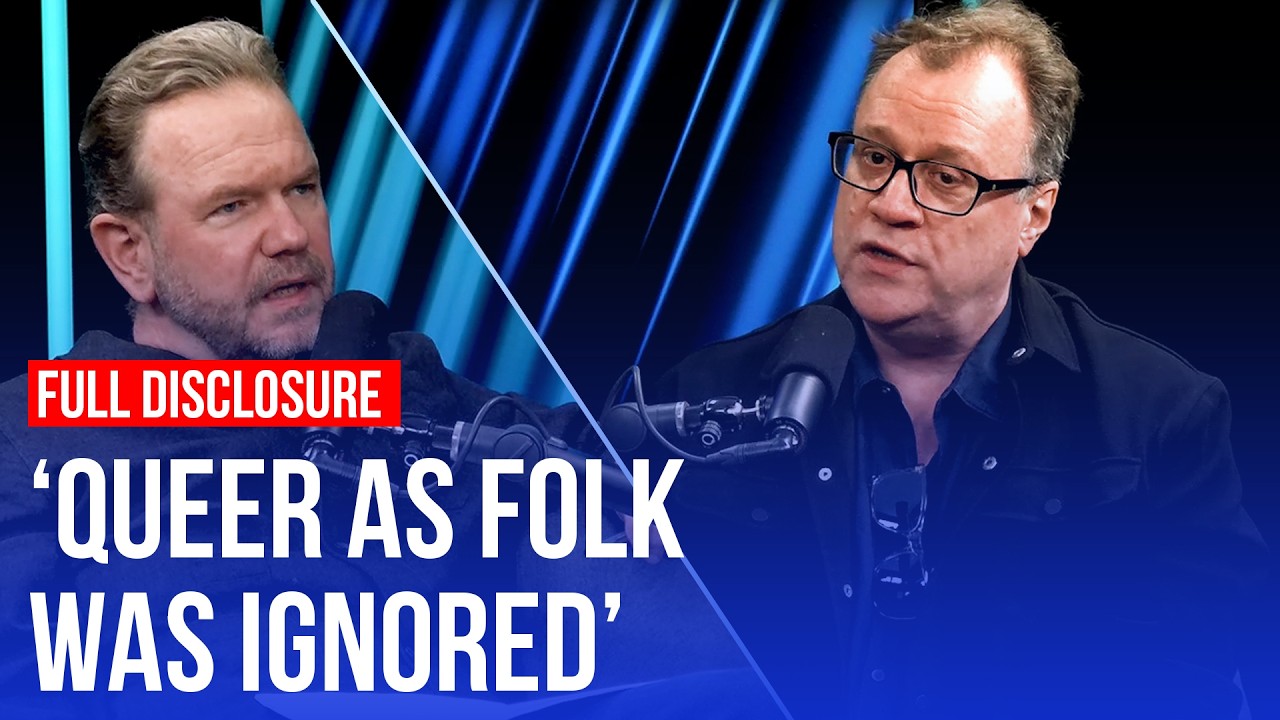
01:27 The Influence of Television and Education 04:05 Growing Up in Swansea and Finding a Voice 06:14 From Drawing to Writing: The Creative Shift 08:45 The Enduring Magic of Doctor Who 11:54 Tiptoe and the Modern Gay Experience 13:48 Reflecting on History and Political Cycles 17:11 Family Secrets and Challenging Social Norms 21:02 The Observer: Why Being an Outsider Makes a Writer 23:33 Youth Theatre and the Apprenticeship of TV 35:06 The Granada Years and Finding a Creative Home 43:31 The Cultural Phenomenon of Queer as Folk 50:56 Future Projects and the Urgency of Topical Storytelling Russell T Davies has spent a career changing what British television can be, moving from children’s drama to fearless queer storytelling and one of the nation’s most enduring cultural institutions, Doctor Who. Whether reinventing Saturday night television, capturing the emotional truth of the AIDS crisis in It’s a Sin, or turning the anxieties of modern Britain into gripping drama in Years and Years and his new series Tip Toe, his work has consistently shaped the conversation as well as entertained millions. In this episode of Full Disclosure, James O’Brien sits down with Russell to explore the childhood in Swansea that first formed him: a home full of books, teachers and respect for television, a huge comprehensive school where he learned to keep his head down, and the youth theatre that gave him both his tribe and his future. Russell reflects on the early obsession with Doctor Who, the long road into writing, and the Manchester years that changed everything, professionally and personally. He talks about finding his voice through queer characters, the shock of Queer as Folk becoming a cultural flashpoint, and why television has always felt like the natural home for the stories he wants to tell. They also discuss politics, backlash, imagination, gay identity and the darker mood shaping modern Britain. Along the way, Russell explains why storytelling is a form of witness, why no childhood is too happy to produce serious art, and how the obsessions of youth can become the work of a lifetime. Watch Tip Toe on Channel 4 from May 31st at https://www.channel4.com/programmes/tip-toe Full Disclosure is a Global Production Listen or watch every Friday on Global Player, YouTube or wherever you get your podcasts. #jamesobrien #russeltdavies #LBC LBC is the home of live debate around news and current affairs in the UK. Join in the conversation and listen at https://www.lbc.co.uk/ Sign up to LBC’s weekly newsletter here: https://l-bc.co/signup
Show More Show Less View Video Transcript
0:00
This is a Global Player original podcast
0:30
and it wouldn't be there. How did that make you feel? You s
0:34
I've never been more angry in my life. The malice of that
0:45
Hello and welcome to Full Disclosure, a podcast project designed to let me spend more time
0:51
with interesting people than I would ever get on the radio. Russell T Davies, welcome
0:55
Hiya, hello. It's lovely to see you. I mean, everyone who interviews you must spend a significant portion of time running through the CV
1:03
But pick favorites. The second coming. It's getting long. Bob and Rose, years and years
1:09
It's a sin. And imminently, by the time people listen to this, tiptoe, of which more later
1:17
The more I read about you in preparation for this interview, the more it seemed as if your childhood had left you with precious little option, but to become Russell T. Davis
1:25
What way? A lot of telly. I had an obsession with storytelling from a very early age
1:31
And a lovely youth theatre that brought me up. Yes, it's like, well, it's not the mouth it goes out of
1:36
it's the brain it goes into. And, yeah, I was that sponge sitting there
1:41
And when people say, oh, don't sit your children in front of the television, I say, nonsense, nonsense
1:46
In the way you wouldn't stop them reading. It was wonderful for me
1:50
My parents had this kind of strange respect for the television. They never turned it off
1:54
It was a bit of a temple for them, I think. And yet they were proper intellectuals themselves, or at least very, very cultured people
2:01
Teachers and a house full of books and magazines. And they both taught classics
2:06
My mum was a French teacher, really, but they both taught classics. And they did practical
2:10
My father then went on to become a peripatetic careers master. So he was really, he loved his kids and he really did a lot to move them on in life
2:19
And that's, I mean, one of the sort of earliest building blocks then, isn't it
2:23
this idea that there's nothing second division about television. And if you want to be a creator
2:31
then why wouldn't you use the televisual medium, given that more people are likely to see it than pretty much anything else
2:36
I'm with you. And if people say to me now, if I've written a film, why haven't you written a film
2:40
If I have an idea, it's four or five episodes long, or eight episodes or ten episodes
2:44
I just don't think... I watch a film quite happily, but I'm more likely to sit down and watch a television show
2:49
I mean, and even now, in this age of the streamers, I'm there happily watching Antiques Roadshow
2:54
through to the quizzes in the afternoon, through to the daft shows at night
2:58
I'm still a great terrestrial viewer. The last. I'm going to be pretentious
3:02
not for the last time in this interview, but is it like Dickens preferring to write in episodic form
3:08
So you like that self-contained... I'll go with that comparison. Yeah. I will seize that
3:13
Maybe it is. I know what you mean. Yes, yes, yes. Yes. And yet, yeah, serialized but contained
3:19
I spent a certain amount of time on soap operas and I love soap operas
3:22
and I'm possibly one of the last soap operas left in Great Britain
3:26
I feel very alone. My friend's mother died at the age of 82 recently
3:30
and now I think the viewing figures of Coronation Street have halved down to me
3:36
But I'm still there. I'm still there. Still enjoying it. You see the numbers from the old days
3:40
It is almost unbelievable, isn't it? Amazing, isn't it? And I was there. I was the Granada in the 90s
3:45
when Coronation Street was introducing Hayley by Julia Hesmelt, trans characters, stuff like that
3:49
What a feisty, steamy place it was. It was brilliant. It was an engine of creativity
3:54
It's just one of Tony. Who has? Julie has. Yes, doesn't she? Yes. She sat in that very chair
4:00
Not long, was it? Sorry. Yeah, yeah, yeah. Amazing. Her first time in the West End as well
4:04
It's beautiful. Isn't that amazing? It is. So, Swansea, early 60s. Happy home
4:10
Son of teachers. It all sounds very, very sort of secure, comfortable, and happy
4:16
Yes, it really was. So an interviewer's nightmare. Exactly. It was a big old comprehensive school I went to
4:22
2,300 pupils. That was a farm or a factory. I mean, that's ridiculous, isn't it? 2,300
4:28
It was at four o'clock that bell would ring and it was like the wildebeest in The Lion King
4:34
storming out of that place. So that's not the... I mean, I'm not weaving a tale of tragedy here
4:40
It's not the happiest place to be a young gay boy in the 70s
4:43
No. When you kind of awareness of your gayness is growing and that's the last place you're ever going to say it
4:48
So, yeah. That's hardly suffering the whole generation. Many generations have lived through that
4:54
Well, home was always a sanctuary from that as well. So, I mean, that's a sort of positive, isn't it
5:01
Is that you'd never have, you could, I don't know, when you came out, your parents took it very comfortably
5:05
Oh, yeah. And it was a place of reading, of drawings, draw a lot as well
5:10
I was, yeah, loved it. Your dad was the storyteller, I think, of the pair? Yes, especially when drunk
5:14
He was one of the great after-dinner speakers of all time. It's like, you know, when we had to go to a wedding or something
5:22
and Dad was giving a speech, we'd all be like, oh, great. Off he goes. Literally get on with that track
5:26
And what would you feel sitting there watching that? Being your dad, that element of it
5:30
I kind of loved it. We all looked forward to it. It's like we had to go to a rugby club dinner or something
5:34
and he was on the menu. And I'd see him for, it's where I kind of learned hard work
5:38
I mean, me and my sisters have come out of this with some mad work ethic
5:41
We all work ourselves to death. And you look back now at this age, where did we get that from
5:46
And it was my mum and dad. It's like they were very, very, very hard workers
5:49
If my dad had an after dinner speech, I saw the two weeks beforehand of him rehearsing it and looking at books and chasing down anecdotes before the Internet
5:58
You know, you'd have to look at books and research stuff and play music that would take lyrics off things
6:04
The proper hard work that went into a speech. Yeah. So you're absorbing at a rate of knots
6:09
And I think very, very early you started creating as well. I suppose I was always drawing
6:16
that was my very first it took me a long while it took me into my 20s to realize that i wasn't
6:20
going to draw okay i was going to write i did the difference between the two is is is but would you
6:25
not draw things with words yes so i was doing little strips to myself and it's very weird i
6:31
recently uh i used to do theater posters for the sherman theater in cardiff in my in my 20s i did
6:38
the christmas shows and i don't know if it's interesting but i recently had to redraw them
6:43
I did Mr. Toad, I did Emperor's New Clothes. I did all these characters. And I recently had to redraw them
6:49
And maybe you have to see this, but all I had to do was look at those posters
6:54
and I recreated them exactly. It's like they were in my hand
6:58
It's like the memory of those drawings was in my hand. And once I finished the drawing
7:02
I looked at it, every proportion was correct. After 40 years of characters I hadn't drawn
7:06
like Mr. Toad with his bow tie and stuff like that, I looked at the modern drawing, I looked at the old drawing
7:10
and I was like, it's like I traced it. Isn't that strange? I find that incredible
7:14
But then I thought, well, actually, you never forget a tune, do you
7:18
How much is that related? Maybe. These things stay in you. Like a muscle memory
7:22
I had no idea it was that deeply ingrained until I did this drawing And I was like wow Why did you decide what happened in your early 20s Did you just realise there wasn much of a career in there Yes hard to do and I was mistakenly told by a careers teacher when I was about 16
7:36
that I couldn't get into graphics or graphic design because I was colourblind. I'm just a bit red-green colourblind, that's all
7:41
And she went, oh no, that's the whole world of... I just love magazines. I was really determined to go and work in magazines
7:47
I still love... I'm the last buyer of magazines and there were soap operas and there were touristy television and there were magazines
7:52
They will have to sweep me away in the end. You park your penny farthing outside
7:56
All the shops are closing. Exactly. And so I was determined to do that
8:00
So that changed a path a great deal. And yes, and then eventually I kind of worked out I was writing, really
8:07
Because you do your own comic strips. And this, I think, probably more at primary school than secondary school
8:12
they would become an event for other children in the class. Oh, the cartoons
8:16
No, secondary school. Was it as well? Yeah, yeah, yeah. It was when I could really start to draw. I mean, primary school, you just do splotches
8:22
Of course. Secondary school, I was properly doing cartoons. Yeah, they'd get passed around and the teachers would read them
8:27
when they go into the school magazine. There was curriculars, the teachers in there. Yeah
8:31
What would they be about? They were kind of like Doctor Who-y adventures, but much more cartoon strip
8:36
They weren't proper Marvel-type comics. They were more Asterix. I loved Asterix
8:41
I still love Asterix to this day. Much more cartoony, much more knockabout
8:45
So Doctor Who was there from the very, very start. Yeah. Absolutely
8:49
Literally one of my first memories of seeing William Hartnell regenerate. I had no idea what was happening back in
8:55
That's missing from the archives, but it's there in my head. I got it. I literally remember it
8:59
It's actually missing from the archives. Yeah, yeah, yeah. That episode's gone. They think someone nicked it
9:03
It was sent to Blue Peter once to them to make some clips, and it was never sent back
9:07
It's just amazing, isn't it? Someone put it in their bag and walked out. So that was that
9:10
I mean, because obviously it's a show with which you are very strongly associated
9:15
But this is what I meant at the beginning by saying there's so much that appears to have been preparation
9:20
for only the life that you could have led. Yes, yes. Do you know I read a thing once that said
9:25
and it might not be true, but it's fascinating, that you will have had every idea you will ever have
9:30
by the age of 16. And you spend the rest of your life coming to terms with that
9:35
And that's interesting. Do you buy that? It's nonsense. But yeah, I look at my life and I go
9:41
well, that's Doctor Who. And also that's gay stories. That's what else was I thinking up to the age of 16
9:47
It was gay, gay, gay, gay, secretly. and what have I written since? So there's something in it
9:52
I keep coming back to that thought. It's not as mad as it looks. What was it, do you think, about Doctor Who
9:57
that grabbed you so powerfully? I wonder, and maybe I keep writing it
10:01
in order to find that answer. I still don't know. I still think it's beautiful and unique
10:05
I think it's all the things that it's not and that I actively didn't like Star Trek
10:09
because that's the military, because that's joining up and putting on a uniform
10:13
in Star Trek. And I do love the modern Star Trek. I've come to terms with it now eventually
10:18
but actually you have to have a job, it's a job also you have to be the best to be on board the Enterprise
10:25
whereas actually to get on board the TARDIS you just have to be good and nice
10:29
you have to be lovely to get on there as opposed to you have to pass all your exams
10:33
so it's very very different worlds and so my heart went to the one
10:37
that was just free and also the genius thing about Doctor Who is
10:41
if you're 8 years old you can imagine that TARDIS landing at the Botheby's
10:45
you don't imagine the Enterprise sailing over your house you don't, it's not going to happen the TARDIS is designed to appear at the bottom of your road
10:51
or on the way to school or in the schoolyard or on that moor or next to that gate
10:56
and you walk in, it's a beautiful idea so there's no cod psychology in play here
11:00
because your home life was so warm and happy the escapism is a positive
11:07
it's not a desperate attempt to get away from your reality it's just an augmentation of your reality in a way
11:13
not at all, absolutely you spend a lot of time when you first start to write
11:17
you feel that incredible pressure of not having suffered as a child
11:22
which is weird there's a weird snobbery about that talking about snobbery it's like oh how dare you
11:28
how dare you have an opinion on the world if you haven't suffered and then actually all you have to do
11:33
is to find the areas in which you have not suffered but which you've had an interesting life
11:38
which is mostly being gay and my god if I mind that
11:42
stop please someone stop me yeah well accept that The mind keeps changing, doesn't it
11:48
That's true. In the new show, I'm conscious of not wanting to give too much away
11:54
But in the new show, the moment in episode one when the reason behind the title comes
12:00
I'm going to well up just talking about it. The idea that the gay experience
12:05
and somewhat implausibly, I spent quite a lot of time on C Street in the early 90s
12:10
They're still talking to you. You still owe them money, actually. Get that credit off of my head
12:15
And in a way, and correct me if I've got this wrong
12:20
but tiptoe is used, the way it hit me and the reason why it hit me so hard
12:25
was because it's almost been offered up as the opposite of pride
12:31
Yes, I love you've understood the title from those opening images, which not everyone does
12:37
When you go to episode five, you really, really, really get that. That is the title that's happening right there in front of you
12:42
But it really is on tiptoe. And that's interesting, the opposite of Pride. I just think, yes, and that just rose up in me
12:51
I just had to write this because, look, you deal with the world on your shows and the way we're heading, and that's what I listen to
12:58
And the one thing I like about being gay, well, I like a lot of things about being gay
13:02
but I like how automatically politicized we are because our lives and our sex lives
13:07
and our physical lives and our identity are constantly being debated and elections are being fought on the street, especially in America
13:13
on the strength of who we are and how we are. And it's like, and more, that's happening here as well
13:18
So it's like you can't help but stay in touch with what's going on simply by being part of a queer community
13:24
It's like we are under debate and being judged constantly. And in a dark place
13:30
And in a dark place. I do think it's getting darker, absolutely. As the character Melba sort of puts it
13:35
So Alan Cumming is at this point in proceedings a much more upbeat character
13:39
And Melba just essentially says history has not taught us that it all comes out in the wash
13:44
History has taught us that we're, pardon my French, but we're potentially ed
13:48
Well, here we go again. And I said this in, I did a show called Years and Years
13:52
So I said, remember in the old days when we talk about pigs getting elected as mayor and Caligula married a horse
13:59
And the horse was part of the Senate. You think, here we go. Yeah. This is where we're heading
14:03
They weren't any less human than us, those people who did those things
14:08
They were us. Yeah, and that whole it couldn't happen here thing just gets chipped away at the other side of the Atlantic, all chipped away to the point of obliteration
14:17
And now the chipping here is under way. I go back to my mum and dad in those classics books
14:22
Yes, I bet. The fall of civilization. Because if you read about Greek and Roman stuff, you read about civilizations that have fallen, gods that have gone
14:28
And I think that's steeped in me. second moment of conscious pretension then because i interviewed ian hislock during the
14:40
immediate aftermath of brexit and i was hoping he would provide me with sucker and comfort and and
14:45
and he kind of did and i said how do you stay optimistic and he said i go back to the classics
14:50
and i remind myself that it has all happened before yes i get that so it not unique and It not unprecedented and it will end This too shall pass Well but it could be over hundreds of years if not 500 years That the downside
15:05
I remember great commentators like Catlin Moran. I love Catlin Moran. Fine writer
15:10
When Trump's first election, writing a really positive piece saying, I think this is the end of an era
15:15
I think this is the last great shout of these men. And here we are with the shouting, getting louder and stronger
15:20
and I think, oh, my God, if someone is wise as that is wrong, don't help us
15:26
Did your intelligence emerge? I mean, I don't imagine anyone was particularly surprised
15:31
to discover that you were bright, but was it recognised early? It was, and in a household of teachers, to be honest, yes
15:38
Yeah, I went to a great big comprehensive school, which I remember a teacher there, a very wise and clever teacher
15:45
Iris Williams, there saying the problem with a school like this is that the intelligent kids are taught to be quiet
15:51
and that you don't put your hand up. That's true of a lot of schools, but certainly school might be
15:56
it's like if you knew the answer, you didn't say so. And it was good to have that pointed out to you
16:00
at the age of 14, 15. And she wasn't saying stick your hand up
16:04
but she was saying we notice. Oh, gosh, that is a really important intervention
16:09
Yeah, absolutely. It was very, very good. And I had a good dad as well, because it's like he was very much
16:14
he was a great sportsman. He was huge in Welsh rugby. He was captain of Swansea, chairman of Swansea rugby club
16:19
life chairman of Swansea rugby club at one point. So, of course, every games teacher wanted me to be a rugby player
16:24
And that was a lot of pressure and a lot of trouble. It just wasn't me at all
16:28
And he stepped into that, sort of saying, you just go and do whatever you want to do
16:32
I think I went a bit far. Without any... Spinning in his grave
16:37
Now we're powering the national grid off his grave spin. But without any sense of disappointment then
16:43
because he loved you. Oh, absolutely. He never understood. It's like I went to television
16:51
When I left television to become a writer, which was right about 1994, so I actually gave up the office job to live at home and write
16:59
We never told him. He lived for about another 15 years. Because he'd have been terrifying
17:03
Yes, he couldn't understand a freelance life. That was literally beyond him
17:11
Do you know when my dad left the army? He was in the Second World War. When he left, he was in love with a woman called Margaret Radcliffe, I think her name was, from Shoreditch
17:20
And they'd been together in the army in Malta. He had stories about hosing down boats of Jews to stop them coming into harbour
17:29
You know, and how traumatized he was about them to stop all that. And they fell in love and a little wartime romance
17:35
And then when he came home and she went back to London and he went back to Swansea
17:39
it was literally impossible for a Welsh man to marry a Cockney. That was
17:46
impossible. She travelled to see him Viv, I love you. No, he said
17:50
I mean, he's talking about war damage to individuals as well. And she tried and tried and tried
17:56
I love you and it's like everyone all his friends lined up and said you cannot
18:00
marry a Cockney. That's what a different world that was. That's the world he was brought up in. So for him then
18:06
to have like a son who turns out to be gay and two daughters were both divorced
18:11
and then he had his limits. So me working from home was the limit
18:14
That's fine. Of all the things. We finally discovered, never tell him
18:19
That's happened. How do you know that story? He told that story when my
18:23
I didn't know that until my mum died. Right. And then when, yeah, when my mother's mother died
18:29
she came out with all sorts of stories about her past. When she died, my dad came out with
18:33
it's funny, those funeral nights, he came out with all sorts of family histories
18:37
that I've never heard before. You don't realize how many dimensions your parents have, do you
18:41
No, I've thought a lot about that woman. I really hope she was happy. Yes, of course
18:45
I'm sure she found someone else and married again and was happy, but I wonder
18:50
And what precisely was it? Because it wasn't class. Was it just tribalism
18:54
Tribalism? Cockney? Yes, it was class. I think, did she run a pub from a pub owner
19:00
I made that up. But no, she wasn't posh. We just don't do that
19:04
She has Cockney. We don't do Cockney. Cockney was an enemy. Yeah, yeah. It's like Welsh and Cockney
19:10
Well, Welsh and English, if you're a rugby player, is bad enough anyway. So when Iris Williams, who I think was deputy head, I get all my pronunciations, or is it Olkva
19:19
Olkva. Olkva. Which means scrubbing place. Does it? We were scrubbers in that school
19:25
It's Whithnell and I, isn't it? When he shouts out of the van, we're scrubbers out of the window of the van
19:30
We were scrubbers. You weren't being told by Iris Williams to wind your neck in there
19:37
She was just pointing out that she knew you were clever and that you wouldn't be able to make a song
19:41
If you'd gone to a school like mine, the opposite would have happened. You'd have been put on pedestals. They were very clever
19:45
They looked after the clever kids. Out of a school of 2,300 pupils, they had 15 each year they sent to Oxbridge
19:54
which is a big figure, comprehensive. In the 70s, I think that was unheard of
19:59
And that was a program she led. So well done. There was no, you know, they were like
20:03
And she was to put you on it shortly. Yes. But before that, did you have a show-off gene then in class
20:09
Did you draw attention to it in other ways? I was gobby. Were you? I was kind of gobby and sarky
20:14
That was my way of kind of surviving. Yes. It was rough in a sense in many corners of that school
20:21
And so I was just, well, I think the two, it's funny. You're many things
20:25
Yes. because Alan Yendob did a documentary about the movie which was very nice
20:31
and there were a lot of people going oh Russell's how lovely and all that sort of stuff and a friend of mine did an interview
20:36
with them which was cut and he said actually I said how quiet you were
20:40
when it was the BBC how you just sat there and hardly ever said a word and I thought oh that version of me is true as well
20:45
it's interesting he said you were just quiet you just sat in the office and watched everyone
20:48
and absorbed it all and watched what was going on I said was I? and then I thought about it
20:52
I thought yeah actually so it's funny Were you waiting for something
20:57
I think I think this is called psychology but I do think
21:04
I became a writer well, I had a writer shaped brain so that's just a fact
21:08
but I think I particularly became a writer when I'm gay, 13, 14, 15, 16, 17
21:13
18, 19 years old so everyone else is getting pissed everyone else is trying drugs
21:18
and they're in the kitchens at parties crying their eyes out or having sex on the lawn
21:24
and stuff like that and you're just watching it all. And sort of pretending
21:27
to be part of it. Oh yeah, like that. But actually just sitting about watching it
21:31
and working out why she's not going out with him and why he's not going out with her
21:35
and just finding it all very interesting. I mean, you can watch that and not become a storyteller
21:40
If you've got a storyteller's brain, I think those are very useful years in which to soak it all up
21:45
and absorb it. So I think I'm quite in that sense. But so you're inside and outside those stories
21:50
Yeah. Yes, yes, yes. You're not alienated or... No. Well, I think you feel outside them
21:55
A little bit. I think the thing that you play with a small violin. Also, you couldn't cop off
21:59
You didn't cop off. No, exactly. It's quite a big part of those years. Well, that's why your gays go mad in their 20s and 30s
22:06
and run around having a lot of sex because actually all the street people who might object to that
22:10
they were doing it when they were 14. I saw them. It was all happening. Did you have an early ambition to write
22:19
I mean, I know you said you were drawing, but did you, because I'm conscious of that
22:23
One of the lines that pops up a lot in these interviews is that it wasn for the likes of you I sense that no one ever would have sat on your dreams whatever they were whether you thought you were going to be a No Apart from being a freelance
22:35
But every other element of the possible creative life would have seemed both feasible and viable
22:42
Yeah, well, it didn't seem feasible. Did it not? Because I didn't come from that, although..
22:46
Well, that's the bit, so that's the geography. Yes, and when you're living in Swansea, what I love now is the fact that television and cinema
22:52
is more and more being made outside London. but then it was all in London to have a job
22:56
a little bit in Manchester exactly and that's where I ended up going
22:59
a tiny bit in Cardiff but in Cardiff you felt like you had to be a Welsh speaker
23:04
which I'm not, it's not strictly true but it's how it felt, you thought you'd never get anywhere
23:08
without being able to speak Welsh to the extent that in my 20s I was even considering learning to speak Welsh
23:12
to get on somewhere so I didn't think it was viable, so I didn't walk around
23:18
saying oh my god I'm going to be a writer until I did get jobs in television
23:22
and then I started to meet writers and then I just saw that as the most perfect life
23:26
and the most wonderful life. I could do that. Yes, yes, with a strong sense of that as well. Yes
23:31
Yes, a conviction, I could do that. So the youth theatre then, how old were you when you first walked through the door
23:37
I was, well, I did school plays when I was 11, so I must have been 12
23:41
The drama teacher who still lives round the corner from me in Swansea in her 90s now, Cecily Hughes
23:46
Good lord. Gorgeous, beautiful woman. You did bottom, I think, in A Midsummer Night's Dream. I did, I gave Swansea my bottom, thank you
23:52
I know, I'm sorry. Well, I can beat that. There's a teacher at my school who said that James O'Brien's bottom
23:58
was the finest thing to grace the ample fourth stage since Rupert Everett's Titania
24:03
Yes, but did you do drama? So why not? I mean, were you not dreaming of being an actor then
24:11
I was. Yes, yes, yes, yes, yes. And that was great, great fun
24:15
That was a good actor. I was really funny. Yeah, clearly. But they didn't give bottom to anybody
24:20
But those years we had to come. But to then be growing up
24:27
being friendly with people who were going to become actors, 16, 17, 18, at that age, 16, 17
24:31
I realised you had to want to do it 100%. And I 90% wanted to be an actor
24:37
but I'm glad I was sort of open-eyed enough to think, no
24:42
And it was at Glamorgan Youth Theatre that you started writing for performance as well. Yes, they started me writing
24:46
I mean, I hold West Glamorgan Youth Theatre to be the thing that created me, actually
24:52
and make me. And if you look at, we mentioned before we went on air
24:56
about funding in those days. West Camorgan County Council used to fund the West Camorgan Youth Theatre
25:02
the Youth Orchestra, which was vast, an orchestra of 100 plus, a youth choir
25:07
a youth dance company, a youth jazz band. Calm down, everyone. It's like, wow
25:11
all of that funding. And with residential courses, with staff, with instructions
25:16
all gone. Literally all gone. It's shocking. It is. And I know you do your bit to keep some bits of it afloat
25:26
Wonderful. Michael Sheen was part of that youth theatre. He does an awful lot to try and keep it afloat now
25:31
Because I return to this point sometimes because I didn't need that experience in order to appreciate culture
25:38
But when I went to Manchester in 1988 to do Manchester Youth Theatre with actually a few people who've subsequently popped up in your shows
25:47
I realised that there were kids there who were on grants. They get a council grant to spend six weeks in Manchester
25:53
and they never would have walked into a theatre, let alone onto a stage otherwise
25:58
And the entire generations. It's a bit like the theme of tiptoe
26:02
It's as if we are currently in reverse gear, not just in neutral or idling the engine
26:07
We're in reverse. If you want, you have to sit and explain to people
26:11
why you want children to be part of theatre and creativity and media
26:16
It's as if it needs explaining. Anyway, you never have to do a sport. No
26:19
And actually, you're likely to get more good actors out of a school than you want to get England footballers
26:23
It's much more likely. But what a world. So just a quick word then, Russell, on why it is so important
26:31
Because you weren't unhappy at school, but your tribe was at West Brindle
26:36
I was quiet at school. I kind of kept my head down. I was a bit sarky, a bit lippy
26:40
I wasn't picked on much by the police because I was tall also
26:44
But I remember how tall I was, I was 6'6 then. At the time of the age 16, I'm shrinking now
26:48
I'm down to 6'4". but I was properly tall unless you get left alone if you're tall
26:52
you do you're just this big willow and but and I just
26:58
kept my head and that is a gay thing just kept my head down could do the homework
27:02
everyone was happy with the work and stuff like that but my real self
27:06
began to emerge in that youth theatre and alongside that thanks to the deputy head
27:11
the sites are set on Oxford yes yeah kind of automatically set
27:15
I've got to say I passed the exams I went there and had a nice time I look back and think I could have skipped those three years
27:21
Oh, really? Well, I'm in a job where I've never, ever had to give my qualification
27:25
I've never had to tell anyone my O-levels or A-levels or certainly not my degree
27:29
Never. Never. Ever. It's weird, isn't it? They told us you need those things
27:33
Yeah, but you really didn't. We never did, except we were learning along the way, actually, in that process
27:38
And also, because you'd already found your theatrical feat, you didn't need university drama societies to..
27:44
No, I did all that. I did acting there. I was once in Rosencrantz and Guildenstern are dead
27:49
I was Rosencrantz with Tom Stoppard in the audience. Wow. And Miriam Stoppard. Yeah, yeah, yeah
27:52
That was in the Oxford Playhouse. That was a nice moment. But you were sort of wanting to break into the real world
28:00
Yes, I was kind of right. Yes, I put on one of my own plays there. A play called Box I put on there
28:04
So it was starting to tick away. Yeah, yeah, yeah. But again, I never believed writing was possible
28:10
Right. Actually, I tell you what was a great help during those years was love of Doctor Who
28:14
Right. Because Doctor Who is more, the behind-the-scenes stuff on Doctor Who is so fully documented and so open
28:20
and has been since the 70s. So with Doctor Who, you'd be able to read books in which the writers would say
28:25
I wrote this, I created this story, I invented this robot, I invented the Daleks, which no other program would talk about
28:31
The veil was lifted on Doctor Who. So you would see jobs as writer
28:35
as script editor, as storyteller, as producer, like you would on nothing else
28:40
So it's amazing what an education that is. The anatomy of a production. The anatomy, it showed you ways through
28:45
that you could do that job. I never would have known that. Yeah, and only Doctor Who had that
28:48
And you have now not just contributed to the canon of the shows, but contributed to the canon of the lid lifting exercise
28:54
We open up that, but it's funny, I was just doing some behind the scenes stuff for Tiptoe this morning
28:59
and they apologized for something, and I said, don't worry, I invented this. It's genuinely, because the moment we started
29:05
on Doctor Who in 2005, it was like, open the doors, I want every magazine, I want everything on video
29:09
I want every personal video diary, everything, everything, everything on screen. It helps
29:15
It creates the mind. Again, it's not the mouth it comes out of
29:18
it's the mind it goes into. And if it goes into your mind and you are that person, it'll inspire you
29:23
And the more complete the world is, the more magical the immersion in it
29:30
Yes, the richer experience. The richer the experience. All of which makes it a crying shame
29:35
that Crossroads never happened. Do you know, I often think I had a chance
29:40
to write Crossroads in the, what was it, 19? I can't remember the years
29:44
But also when I was at Granada in the 90s, I was begging to work on
29:48
I've got 83 in my research. 83. But in the 90s, then I was begging to work on Coronation Street
29:53
And they were very like the royal family then. It's like we ordained to look upon you
29:57
when the time is right. Yes. At the time, the time is right
30:01
I had written Queer As Folk and I had a sense of freedom. And I'm so glad because I think I would have stayed on it forever
30:06
I think I've never written all these things. If I joined Coronation Street in 1999, I would have stayed
30:11
And I'd be one of those old lags sitting around the table now and very happy. Yes
30:15
And a nice regular wage for 30 years. But thank God I didn't. Absolutely. Thank God
30:18
But the Coronation Street, the Crossroads things, was your first introduction to the fragile nature of the industry
30:26
My first look around at a drama studio. I wrote a script, sent it off to them
30:31
They said, this is good. They brought me up to Birmingham. And I looked around the sets, which were literally the smallest and shakiest sets
30:37
that you could ever possibly see. But I kind of realized it was possible
30:42
It was first the fact that they plucked my script off a pile. Smacked that
30:46
And said, well, it's like, well, I could run. When I wrote my very first script
30:51
which is called Dark Season, there was, I mean, I've just got to be honest
30:54
there was a bidding war over there. The BBC liked it and ITV liked it. And they fought over it
30:58
And so you kind of sit there going, oh, I can write. Yeah, yeah, exactly
31:02
You need those moments to go, right. So what was the first job in telly then
31:12
What was the first? It was behind the scenes. A friend of mine, I'd just directed A Midsummer Night's Dream
31:16
at the Sherman Theatre in Cardiff. And a lovely woman there called Jill Reese said, there's a job going at the BBC working with kids on the studio floor
31:23
It was a programme called Why Don't You Switch Up Your Telephone and Go Do Something Less Boring Instead
31:27
which was presented by children. It was games and puzzles and recipes for the school holidays
31:33
presented entirely by children with no adults. So it needed someone on the studio floors
31:39
and the director would sit in the gallery and obviously the studio floor has a floor manager
31:42
but the floor manager isn't necessarily trained in working with kids and giving them instructions
31:49
The floor manager doesn't have to be good at working with kids. And also often the floor manager by the nature of the job
31:55
often arrive that morning and just do the job. They haven't been in rehearsals or anything
31:59
So they needed someone who was the kid's friend on the studio floor, who could, and also direct them
32:04
who could say, look, that bit's not funny. Change this line. Look at the camera here
32:08
Don't look at the camera there. So I was just the floor director for the kids, which I loved
32:14
I stayed on that show for about five years. I've never stayed on a job that long ever since
32:18
But I loved it. It was properly fun. And you learn everything on that job as well
32:22
You also went on vacation. You did all this. in the days when you go on location with film cameras
32:27
actual film, 13, 16-millimeter film, and you go into the dub, the mix, everything
32:33
You can learn everything in children's time. So it's an apprenticeship. Yeah, a great apprenticeship
32:37
because there's not enough money in children's, so you end up doing everything, which is great
32:41
And are you, I mean, were you conscious of assembling a machine
32:48
that would take you somewhere else? Yes, I loved it. The moment I was in there
32:52
Studio C in Llandaff in Cardiff. I walked in, I was like, this is it
32:57
That was a big moment for me. The smell of it, I can smell it now. No other studios ever smell like that
33:02
And I was just like, this is it. That's old-fashioned. That's old-fashioned, a multi-camera studio
33:06
with the old boom cameras and all that. You don't have them anymore, hardly. But, oh, I loved it
33:11
And yeah, that was me thinking, yes, I like this. What was the next big moment
33:16
The next big moment, well, actually, that happened on that job where they then asked me to write the scripts
33:20
They got a sense that I was clever. and I wrote a script for 50 quid
33:25
And then the producer went, oh, that's good. Can you write them all? And he phoned me an old fashioned phone call
33:30
Phoned me, oh, that's good. Can you write them all by next Friday or something? I was like, yes, of course I can
33:35
An electric typewriter. I had James. There was such a thing as an electric typewriter
33:39
I sat in my electric typewriter in Roath in Cardiff and typed those out
33:44
And yeah, that was a great moment of me. That was me telling myself what job I wanted to do
33:49
It came out of my hands. Yeah, so you're up and running
33:53
Yeah, I could have been a director. I love directing. There was a great moment of, like, loving directing
33:57
and I went on a BBC director's course where they train you in there
34:01
into directing live stuff, directing bands in studio. I loved that. I loved that so much with such intensity
34:10
that I gave it up. I thought, that's going to consume me. I was, like, at three in the morning
34:15
I had camera plans going through my head, working out where the cable knew. What would have been wrong with that
34:18
Well, yes, I obviously had other things I wanted to do. Right
34:22
I thought... Because I sense you're pretty consumed by the writing, so it's not the being consumed that's the problem
34:27
It was the room for it. Yes, it's the one you're being consumed by. And also, it was things like when I was at the BBC
34:32
they said, oh, God, you're a good director now. You've trained director, so will you come and direct record breakers
34:36
Yeah, OK. I was like, record breakers? I'd rather die. Yeah, yeah, yeah. So you could feel..
34:40
It was point and click directing. Actually wanting direct is very different to getting the right jobs to direct
34:45
So I felt like... I thought, you're not getting me. If you think I'm going to direct record breakers, you can think again
34:50
So you shut that door and opened the writing door wider. And the stories were starting
34:54
I was starting to write scripts more and more and more. And those scripts were becoming proper scripts
34:59
Then I wrote my first draft script, which was called Dark Season. And then that got commissioned, like bang, bang, bang
35:04
Where does Children's World fit into this trajectory? During that, when Dark Season just got commissioned and I moved to Granada
35:10
I was already being to stick my head above the pyramid going. Well, I was at the BBC making children's shows, which was lovely
35:16
but in Manchester half a mile down the road was that beautiful Granada building
35:21
with a great big Granada sign at the top of it, that gorgeous font of that thing where they were making dramas
35:28
and children's shows and Coronation Street and Cracker and Prime Suspect and it felt like I was in the wrong factory
35:35
It felt like I was in the lunchtime factory and dinner was being made over there and I was like, I want that dinner
35:39
I started to meet people there and I just, I actually left my job at the BBC with no job to go to
35:44
God, you're cheeky when you're young. Just arrogant. I left it with no job to go to
35:48
Just saying, I will sit on the dole until I get a job in that building, in the Good Ardough building
35:53
And I think about two weeks past that I got a job. And, I mean, what
35:58
Pedigree. And Paul Abbott, Kay Mellor. Sally Wainwright. Sally Wainwright, yeah, of course
36:02
Just surrounded by extraordinary talent. My first day's work was to go on to Children's World, created by Paul Abbott and Kay Mellor, and to sit with them
36:11
And the good thing was I already had my own drama coming up on BBC One
36:15
I was sitting there going, yeah, in six months time, I've got a thing called Dark Season on BBC One
36:19
So it felt I wasn't just a kid walking in. And they were immensely respectful of that
36:23
Paul and Kay are just the most delightful people. Lovely Kay is no longer with us
36:27
And the help they gave people, the mentorship, the laughs, the drink, the fun, just gorgeous people
36:34
And a sense, for the first time in your life, of being at the centre of everything, being exactly where you wanted to be
36:40
Yes, loving it. Yes, absolutely. And learning storylining, the stuff you'd learn off the soap opera
36:46
I mean, once you come off soap opera, there's a lot to unlearn as well. But glorious
36:51
And not just in your professional life, because, of course, in your personal life, Manchester, C Street
36:55
Yes, Manchester. It's also the centre of, or a centre of the universe
36:59
The first time I started going out properly. Two things happened, really. It's like, I didn't go out all the time because the moment I started working with all these writers and realising how brilliant it was
37:08
that I knew I wanted to become a writer. I'd always known that really except then it became a fact so actually what I started to do was save my money
37:15
Because everyone says to you you'll be poor you will live in an attic It's like when I left the BBC the head of children's Anna Hume said you will be poor
37:22
It very hard to get work as a writer I fine I do that And so I think about it in in the 90s I saved out of my wage It a fortune It is That not that was my wage
37:35
I just, so I hardly ever went out. At one point, my friend would tell me off for, like, wearing shoes that were falling apart
37:40
because I wouldn't buy new shoes. I'm just saving and saving and saving for that day when I left so that I could
37:46
so that when I left to write full-time, I would never have to fall back on a daytime job
37:51
£20,000 was the figure on my head that I could last for two years
37:55
And in those days, you could survive for £10,000 a year. So it was your safety net? Yes, it was my safety net to say
38:00
I'm going to go and write. That won't be successful. I won't starve. I won't starve. It'll take a while
38:05
so I don't want to fall back because there's always a day job in television that I can go back to behind the scenes
38:10
but I will always be in demand there, but I don't want to do that. But you did, you went out enough
38:15
to create a sort of family, a sort of second family. Yes, at the same time
38:19
Yes, yes, yes. I mean, really, that was after once I started
38:23
because having decided I want to be a writer and leaving Granada, I think I'll work straight away
38:28
So actually, all that money I saved is still there. I never got touched, which is great
38:34
I would say that to any writer, save your money and pay your tax, be ready for the tax
38:39
But then once I began to think, oh, this is OK, then I started to go out properly
38:44
There was never then a kind of, given the role that Doctor Who plays in your formative years and in your later years as well
38:52
in a way it's not immediately obvious that you would become so quickly concerned with very real life
39:01
as opposed to sort of fantasy or... Yeah, I mean, I know what you mean, but that's not true, is it
39:07
No. Because anyone can love Star Trek and love politics and love a murder industry
39:12
I just wondered whether some people might have tried desperately to emulate what they had enjoyed the most
39:17
The very first things I wrote were Dark Season, which was like a Doctor Who thing. Yes. And then the next thing was called Century Falls, which was like one of those spooky things
39:24
Again, a bit Doctor Who-y, but much more supernatural. So that was the start
39:28
But at the same time... Spring Hill had a bit of supernatural mystery. Yes, that was the birth of the Antichrist
39:34
But at the same time, you're working with Paul Abbott. You're working with Kay
39:38
Jimmy McGovern was there. Frank Cottrell Boyce was there. So actually, and Sally Wayne is this great Manchester school
39:45
And actually, maybe possibly fundamentally, it was Kay Mellor writing Band of Gold about sex workers
39:51
And she made it salty and rude and dark and violent and fun
39:56
And that was, it's been forgotten slightly, Band of Gold. It was a revolution at the time
40:01
the fact that that could be so successful. And that was a big turning point for me, watching my friend write that and it being so amazing
40:09
and so dark and so much part of the real world that we hadn't seen the lives of sex workers
40:14
That's what Band of Gold was. It was amazing. And does that take us to the ground? Kind of
40:18
That's happening at the same time. That was one of my learning grounds where that's like, that was like
40:24
to be honest, I just inherited that. Right. Because that's like the Downton Abbey of its day
40:28
Yes, of course. Very, very, very cheap. But literally, the script had fallen through
40:33
They didn't have a writer. They needed a script in two weeks. Paul Abbott was there in the office
40:38
and they said, Paul, who can write this in two weeks? He went Russell Davis. They phoned me
40:42
I went, yes, I'll do it. And then ended up on this show for two years, which I never quite owned
40:46
So it was a bit strange. It wasn't something I might naturally have sat down and gone, I'm dying to write about the 1920s
40:52
But you were dying to write about Manchester AIDS. Well, what happened on the ground was it wasn't working
41:00
It never quite worked as a concept. I read that you thought it was all right after episode 14
41:04
Yeah, I got it right at the very last episode. The right person inherited the hotel at the end. Susan Hampshire inherited the hotel in the last episode
41:10
And he went, that's a show. Now I can write it. But it was slightly out of control as a show
41:17
It wasn't being produced very well. And it was all a bit mad. And so I had to kind of build a shell around myself, just write what I wanted
41:24
And so I made one of the characters gay. Right. In 1920. Yes. A working class 1920 story
41:30
And suddenly you find yourself writing better than I'd ever written before
41:34
So you just find your way. I know you're saying where do these stories come from. Sure. And they reveal themselves to you in the end
41:40
And they're in your heart. The moment I looked into my heart
41:44
I go, I get this. I'm not born in the 1920s, obviously, but I get being lonely. I get being closeted
41:48
I get being single. I can write that. And there's Clive. And there's Clive. Played by Paul Warren in a wonderful performance
41:55
And suddenly I'd written something that was streets ahead of anything I'd ever written before
41:59
And I knew that. And you knew that. Yes, I knew it. Absolutely. They kind of tried
42:03
Is it the richness of the character? Yeah, the truth of it. The richness. It was very, it was clever
42:08
It was imaginative. The structure of it was clever. It wasn't just gay, gay, gay
42:12
No. It was clever. It was sharp. There's a twist at the end
42:16
That's a great twist at the end. Yeah. So I was at full power
42:22
You're quite fond of a twist at the end, aren't you, Russell? Yes. Exactly
42:26
That was my first. I would love that one. That was a very big one coming. And queer as folk is gestating during this period
42:34
Yes. I mean, you've got to bear in mind that no one had any concept back then that that could happen
42:38
There was a very marvellous woman at Channel 4 called Katrina McKenzie who'd worked with me on the ground
42:43
She then moved to Channel 4 and then she said it's Channel 4's job to do stuff that's more revolutionary and more radical
42:51
Come and write about gay life over here. And her boss as well, Gopaniel
42:55
And that was then, incredibly, that hadn't been done. No, it isn't. It's amazing to look back and think
43:00
But it is and it isn't, isn't it? I mean, it's... I do think I was part of a rising tide
43:06
It's like that conversation could have happened with Jonathan Harvey, with those women who went on to make bad girls
43:11
I was lucky that I got the grand. So I was seen
43:15
I'd done a gay hour of TV that really worked. So I became the man to do it
43:20
But it would have been someone else if it hadn't been me. Did they pick it up after, I think, a 100-page draft
43:25
Was it? I've forgotten that. Did I say that? Oh, I wonder. I probably just blows everything onto the page
43:29
and then yeah and it gets I mean it launches in February of 1999
43:34
this changes everything for you I think in every sense every imaginable sense
43:38
there's life before and life after I'm sure absolutely did you did you did you know
43:43
that it was going to explode no we honestly thought it would disappear
43:48
because it was like for starters it wasn't going to go to 9 o'clock
43:52
they said we'll put it to 10 o'clock and then a couple of weeks before transmission they said it's going to go
43:55
out to 10.30 I mean now these times don't matter it's hilarious at the time
43:59
who lived or died by the transmission slot. And the moment they moved it to 10.30
44:03
me and Nicola, my brilliant producers, went, oh, it's dead. Like that. So, and bear in mind how much people
44:09
used to take the piss out of Channel 4 back then. And, well, still do to some extent. But do you remember how there's been a documentary
44:14
on about duvet makers in Tibet or something? And that seems like the ultimate show
44:20
It was the channel that showed documentaries about old women making duvets in Tibet
44:24
or blankets or knitted something or whatever. So I thought we were in that slot of like, oh, we're the obscure niche bit of nonsense
44:35
So we very much felt it was that until it transmitted. And then that was like, whoa
44:39
But how good did you think it was in the way that when you wrote Clive, you knew it was the best thing you'd done so far
44:43
Oh, I knew it was good. And I never had any doubt about how good and honest it was. But that doesn't guarantee anything
44:47
No. Oh, my God. Oh, my God. No, no, no. But I kind of I know enough about Gay World to know that it would always have a niche if any gay film goes along then it part of the record You know it remembered And so I always thought right we be part of the record whether you but whether you sit on the shelf and gather dust or whether you alive or not
45:07
and it was great to see that take off. It was so exciting. How big a propulsion was the backlash in the takeoff
45:14
It wasn't, it's kind of overrated. Yeah, I thought it might have been. Um, it was more ignored than, than
45:21
You'd look in the papers like what's on telly on Tuesday night and it wouldn't be there
45:28
And it was a new drama on a 1030 at night. You know, you should at least list it
45:33
But it'd be amazing. There's a going tonight, the street, whatever. How did that make you feel
45:37
That was annoying. Yeah, worse than annoying. Yes, it was. You felt very powerless
45:42
Yeah, yeah. And again, all these structures were new. Then now that happened now somehow you'd have systems to complain
45:48
I don't know who to complain to, who to sort that out with immediately. The whole world of PR and their relationship with the papers is much more of a system now
45:55
Then it was just like, oh, a big shrug. Oh, gosh, oh, dear. So how did you register the fact that it was going gangbusters then
46:07
It was little things. It was the sponsors pulling out. You remember Bexbier pulled out
46:11
That was kind of exciting. That was great. I love that. That was noisy
46:16
Apparently the chairman's daughter was here from Germany and watched it on her hotel television
46:20
and phoned a papa papa and said we must pull out of the show
46:25
Like that. And I'll tell you what it was. It was, there was a protest in Manchester in daytime
46:31
to keep the Oldham Coliseum Theatre open or was it the Bolton Octagon? It was one of those theatres
46:36
A protest in daytime, properly organised with like school kids there and banners and a march
46:41
And I went along in daytime. And so two of the star
46:45
two of the cast of Queer as Folk, not the leads. It was Adam Zane who played one of their game mates and Alison Burroughs who played Stewart's secretary
46:56
So lovely actors, small parts, admittedly. They arrived, this bus full of school kids arrived and the school girls started to scream over them, like screaming at the Beatles
47:05
Wow. And went mad over them and running up to them. And that's when I actually went, oh, something's happening here
47:11
That was really fat. You thought, oh, my God, all those girls are watching it. 13, 14, they're screaming when they see some of the supporting cast
47:17
and that was like okay that's that's that was that was great i loved that moment what do you
47:22
think happened why do you think it hit those marks i mean those girls were loving it i think i
47:27
especially love that teenage girl audience because they were just loving it right they didn't carry
47:31
the weight of the politics the history of tv the the repercussions the consequences the weight of
47:37
it they were just loving something cheeky and funny and sexy and in a way that's the best audience
47:41
um and and and and there was a lot of protest i mean a lot of the protest was from the gays
47:47
who were up in arms about it, saying, you know, we're seen as drug-taking
47:51
and sex-mad and blah, blah, blah, blah, blah. And lesbians were complaining
47:55
that it didn't represent lesbian life. Esther Hall has one of the lead lesbians in it
48:02
So I expected all the gay protests. That surprised me. But things like, then the soundtrack got to number one
48:09
Yeah. And you're like, it's those things. Hang on a minute. Yeah, it's those popular things
48:14
The protests don't matter, because that might be 100 people, it might be 1,000 people, it's not going to be that many people
48:19
But when things, to be blunt, when things are selling, then you're like, oh, right, okay, that's something
48:25
It's nice. And you can then do not quite whatever you want next
48:31
I mean, that's never quite true because no one ever wants to give away money. No, no, but..
48:35
But yes, and to be honest, that quiz folk door stayed open
48:39
Even last year when I went to Channel 4 with Tiptoe, and bear in mind, all the staff have changed
48:44
There's no one there who worked there 25 years ago. But even then, the heads of drama at Channel 4 said
48:50
look, you make Queer as Folk for us. These doors are open to you. Even then, after 20, that's immensely kind
48:55
They didn't have to do that. It doesn't mean they're going to commission it. But it means come into a meeting and tell us your idea
49:00
So they get first look, as it were. They get first look, exactly, and were lovely and obviously liked it
49:05
And I really appreciate that because you don't have to do that. What's the process
49:09
Because, I mean, we're in the period of your life now that people will be familiar with
49:13
And if they're not familiar with you particularly, they're certainly, and they probably are
49:17
but they're certainly familiar with the work that you've done and the shows that you've made. So now you move through Bob and Rose and the second coming
49:26
building blocks, then you go to Doctor Who, then you go to America with the
49:31
spin-offs is not a wrong word to use. Yeah, it's a spin-off, yeah. With Torchwood
49:35
And yet, always you've got the two. when you're thinking what am I going to do next
49:45
do you think right now I'm going to do a real life
49:49
state of the nation piece years and years or do you think
49:55
I really fancy a bit of I never quite know but it's kind of unplanned
50:00
and yet some part of me is obviously planning it, it's literally whatever bubbles up
50:04
in my head and clearly when you look at it it's also contrary
50:08
I think there's something about I do Queer of Soak, then I do Bob and Rose
50:12
which is about a gay man falling in love with a woman. A lot of gays didn't like that at all. What I did, it's a sin
50:16
Why didn't they? Because it was, I mean, it happened. If you want to misinterpret that show
50:21
then it looks like the gay man was waiting for the right woman to come along
50:25
So it was a bit like... If you want to impose that reading. If you want to think and impose that reading on it. And that was 2001, when the whole notion of fluidity
50:32
and labels was a lot less. The world was a lot more rigid
50:36
But that, looking at that, when I wrote It's a Sin, and then wrote Nolly
50:41
I mean, who expected me to go and write about the life of a soap star from the 1980s having done It's a Sin
50:46
Well, I think it was unfinished business, wasn't it? It was, exactly. It's a bit absurd as a change
50:53
And now I've done Doctor Who again and now I'm coming back to tiptoe. So I like that
50:57
I like to keep swinging it around and not quite being... My brain likes that
51:02
There's no plan behind that. But some part of me goes, oh, something different, for God's sake
51:05
I mean, It's a Sin was a... do you have favourites in your category
51:10
I mean, I have to. Again, that's kind of life-changing. It changed my own life
51:15
I mean, I'm very lucky because I wrote Queer as Folk in 1980
51:19
You kind of expect to have one big success, but I've had three
51:23
I've had Queer as Folk, Doctor Who, and then you think it's over, and they think, well, I'll just keep working for the rest of my life
51:28
and then It's a Sin comes along, and you're like, wow, I've got three tent poles there
51:32
I feel like the luckiest man in the world. I just feel like I've worked very, very hard for them
51:36
Well, yeah, I mean, clearly. It's almost... Well, it is quite hard to believe the sheer volume of work that you've done
51:44
when you look at the finished products on screen and acknowledge that that's the tip of an iceberg, isn't it
51:49
I'm very proud of it. I'm very proud of all those actors I've worked with. I think I'm very lucky. And you'd like to come back with the same actors sometimes as well
51:56
and bring people back through again. It's both. You'd like to come back with the same ones and you're also a tart at the same time
52:01
I remember when I was asking the director, like why haven't you there's a part that would be perfect for that man you worked with before
52:06
why haven't you cast him and he went david evans is anyway no i'm a tart and he's right i thought
52:12
i picked that up i was like yeah you just want to have the next sensation so um so then we come to
52:17
tiptoe another clive although he doesn't bear much for example the name is that keep using that
52:21
clive a lot there was there was a catherine tate was going to marry a clive in doctor who yeah it just like the i and the v and the capital c i like it on the page i think it a nice looking name It is isn it It got a shape as well Yes exactly that And Leo played by Alan Cumming
52:35
Two actors absolutely on the top of their game. Gorgeous. Crossed, yeah
52:39
It is. I've only watched episode one very deliberately. Well, for two reasons
52:44
That's okay, darling. No, no, no. I'm not apologising. Well, I will if you want me to. But I wanted to conduct the interview in that position of knowing that I'm now like
52:52
oh, my giddy arm. And has it left you wanting to see what happens
52:56
Well, that's the second reason, is that I didn't want to watch all five episodes sitting down on my laptop, effectively
53:02
with the Channel 4 branding and all the security gear. I want to watch it with my daughter and my wife
53:07
and I want to start again and watch the whole thing all the way through
53:11
although I don't think we'll do it in five sittings. I suspect there'll be a little bit of speeding up
53:17
It's extraordinary from the very first scene. Well, that's an opening scene, isn't it
53:22
And then the acting, and then the sense that's very quickly established that this is..
53:30
I mean, it's not a plea, is it? But it's... It's tough, isn't it
53:35
No deed goes unpunished in this thing. Everyone gets it wrong all the time
53:40
Every word goes wrong, every text goes wrong, every phone call goes wrong, every message goes wrong
53:45
every good deed you could possibly try to do backfires on you
53:49
It's a really, really tough piece of work. And it keeps getting tougher and tighter and tighter
53:52
It's agonizing. Yes, but I think, I also think it's a lot of fun along the way
53:57
Don't get me wrong, it's a huge amount of fun. I don't think you can cast Alan Cumming in anything that wouldn't be a lot of fun, would it
54:02
David Morrissey is just... Those two, you know, they're like old mates
54:06
They've known each other for 40 years and never have been together. How amazing. Isn't that amazing
54:10
It is amazing. They did their first scene together on C Street. We gave them a little round of applause
54:14
Because it was like, it was magic and they were really, really moved by it. That is lovely
54:18
What a great moment to be there. because years and years that was the state of the world
54:23
this is a bit years and years cross from queer as folk I think I'm glad you said that
54:28
I almost thought at one point I said look at the very beginning we could put up a caption saying next year
54:32
we didn't but what happens in this is about to happen it's atomization
54:38
it's the anger that's rising and the role that the machines in our hands are playing absolutely
54:45
but also it's like It's in that sense. It's not particularly a gay drama. You could this could be a Jewish drama
54:52
This could absolutely be a disabled drama. I've got a friend who's disabled people now knock on her door
54:59
Strangers knock on a door and say I saw you walking right strangers knocking on their door
55:04
It's the way this online anger is transferring into the real world
55:09
We've known we've known about the whole death threat culture for 10 or 20 years and
55:14
And to the extent that we will shrug about it. It's like, I mean, for 10 or 20 years
55:18
I've been saying a death threat online is no more serious than saying, oh my God, it's religious
55:23
It's that we just say it. And I think it's beginning to change now. I think now people are knocking on doors and turning up
55:28
My husband used to, was partly disabled. He had 27 brain, he had seven brain operations
55:34
because he had brain cancer. So he used to walk with a stick. Lads would walk past him in town in Manchester
55:39
and say, you were limping on the other foot 10 minutes ago. You s
55:44
I've never been more angry in my life than that. I bet. The malice of that
55:48
Unbelievable. So it's the crossing over. It's the dangerous crossover. Well, it's the same with the flags and the marches, isn't it
55:56
It's like this was confined to social media where you could show yourself that you wouldn't show in public
56:01
and then they're hanging out the flags and they're marching in. And it's marching closer and closer to all of us
56:06
It's like, well, the burning of hotels. It's like, let's burn down a hotel that's got people in it. And then welcome you onto the stage of a party conference
56:13
We can have that conversation. I didn't need to explain that reference to you. We all know that's part of British life now
56:18
the threat to burn down hotels. What is this world? It's a boiled frog, Russell, isn't it
56:24
Because it takes moments like these, like you pick up on in tiptoe
56:28
to actually have a proper look in the rearview mirror. Because when you're in the car
56:33
they're just flying by. Even when you do what I do for a living, you're thinking, oh, here we go
56:37
And I occasionally have shows where I just go... and this is the dramatic equivalent of those moments
56:45
And I wish it would change the world, I don't want to talk about it for a second. No, but you've still got to do it. Why
56:49
What I can do is record it. Yes. I think someday, I believe, some great ledger will be taken
56:56
I'm not being religious at all yet, but one day people will look at the 21st century
57:01
and I honestly believe if we survive, and I'm not sure about that, but imagine, I like to imagine cinema audiences
57:06
in 500 years' time laughing at us, typing at each other. I would like to look back on Gin Alley and laugh
57:13
It's like how primitive was that? Now there'll be dramas where we all sit and type on our phones
57:17
and be hooting. People in the audience would be hooting with laughter. Look how mad they were
57:21
I honestly believe that age will come one day. One of the things I've already picked up on
57:28
is the fact that it could happen to anybody, what you're talking about
57:33
And I believe the event at the heart of this will happen in some shape or form one day
57:37
I mean, if I'd written, without going in detail, if I've written a stabbing at the beginning, well, that's already happened
57:42
Yes, of course. And that will happen tomorrow. If I've gone for something bigger with this weird sense of justice to it
57:49
that'll happen. It's gone its way. And when it does, and please God, it doesn't
57:55
but when it does, it won't have been done by somebody who was created in a laboratory to be evil
58:02
It will be done by somebody who could have gone the other way. With a sense of goodness and righteousness
58:06
and certainly a sense of their own country. and the patriotism behind it, astonishing
58:12
Astonishing. It's like when, I mean, I'm just sick of it when that toddler washed up on the shores of Greece
58:20
We all looked at that picture and said, everything must change now. It's only got worse
58:24
It's only got worse. Now, that's a normal thing now. What are we doing
58:31
I feel we should end on a more upbeat note, but I'm not sure. What are you doing next
58:36
Yeah, I don't actually know. Well, I'll tell you what, there's a... Rombert, who used to be ballet Rombert
58:41
are doing a stage show of It's a Sin. Oh, I saw what I read about it. Yeah, it's going to be done
58:45
It's not a musical. You take calls like that and just go... Yeah, well, actually, I'd fought off the It's a Sin musical for a long time
58:53
Have you? It's like... It was a banging soundtrack, wasn't it? So you can see why people want to do that
58:57
That's actually the most arias of those women. Oh, no, thanks. But a dance show
59:01
They did a Peaky Blinders dance show. Yes. Which was brilliant, by all accounts
59:05
That's going to be this. and it's very, very exciting. So that's coming in 2027
59:10
And I'm just, I'm kind of, I'm having a nice time. I'm kind of not rushing to write the next thing
59:15
I'm going to start now. Tiptoe, we finished work on that next week
59:19
and I'll start right to the next one. So that script will take a few months. Then we'll start talking to people about it
59:23
So I won't be back filming anything until next year, really. Just as an indication of how absolutely up to the wire Tiptoe is
59:31
I mean, we're having this conversation three weeks before the first episode goes out on Channel 4
59:35
and you're not going to finish putting it together until next week. Well, there are references to Keir Starmer and Kemi Badenok
59:41
that we're clinging on with our teeth to say, let them still be in power by the time we get there
59:46
In fact, there's one line in episode one that was like bloody Keir Starmer
59:49
And on set on that day, I said, should we just change that to the legacy of Keir Starmer in case he's gone
59:55
And we've got a few weeks. It might still happen. In fact, it could happen tomorrow
59:59
And so it's very topical. And I love that. I think that's really, really exciting
1:00:05
I like making stuff that way. It's an incredible, well, I mean, one episode in
1:00:11
Thank you. That means the world. Thank you. Thank you. I think you're the third person we've shown it to who's seen it
1:00:16
So thank you. Oh, wow. That means a lot. Well, I mean, so much you've given to us to enjoy and to, as you say
1:00:25
hopefully provoke thought and provoke change. But even if it doesn't, it's still got to be done
1:00:29
Yeah. Yes, it does. Russell T Davies, thank you. Thank you. I love this. Thank you very much
news