Up next in 10



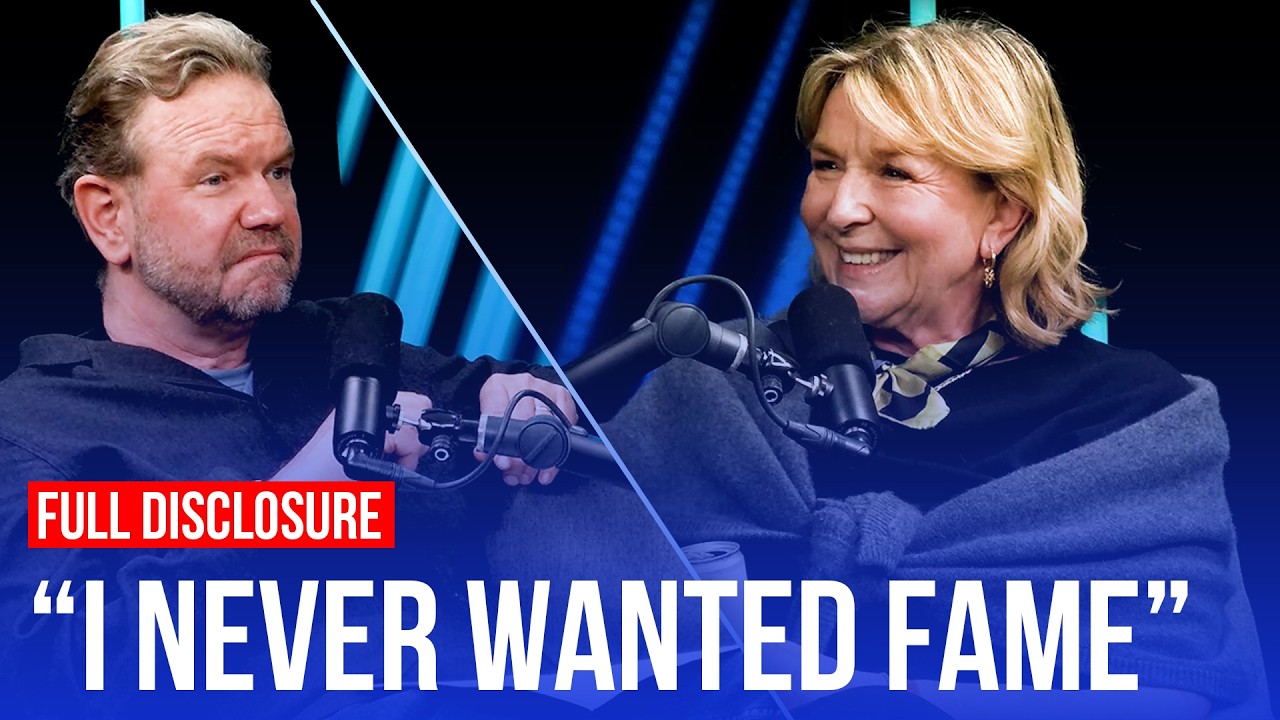
00:51 Growing Up with Tony Britton 02:00 The Influence of a Resilient Mother 04:12 Ruth: Beauty Queen and War Hero 08:23 School Days and Early Ambitions 11:29 The Life of a Stage Manager 13:34 Central School and Meeting Carrie Fisher 16:11 The Magic of Cornwall 19:05 Breaking into Television 28:28 The Golden Days of Continuity Announcing 33:58 The Art of the Interview 37:23 Behind the Scenes at Breakfast Time 40:47 Navigating Difficult Work Environments 44:23 Ready Steady Cook and Sudden Fame 48:26 The This Morning Years 53:45 Transitioning to a Career as an Author 58:51 Future Aspirations and The Good Servant Fern Britton spent decades in Britain’s living rooms, mastering the art of making live television feel warm, effortless and intimate, even when life behind the scenes was at times anything but. From breakfast TV and Ready Steady Cook to bestselling novels and a new chapter in Cornwall, Fern’s career has been defined by reinvention, resilience and an instinctive understanding of how to connect. In this episode of Full Disclosure, James O’Brien sits down with Fern to explore the winding path that took her from regional television to the very centre of British daytime broadcasting, and from household-name presenter to successful novelist. Fern reflects on the strange chemistry of live television, the professional confidence that grew alongside public recognition, and the moments when success came at a personal cost. She talks about the reality of working in some of TV’s biggest shows, the complicated dynamics behind the camera, and the scrutiny that followed her when private struggles became public spectacle. They also discuss friendship, ageing, writing, fame and the pull of Cornwall - a place that has long offered Fern both escape and inspiration. Along the way, she reveals how a career that often looked carefully planned was in fact built by saying yes, trusting her instincts and learning, time and again, how to begin again. Find out more about A Cornish Legacy by Fern Britton here https://harpercollins.co.uk/products/a-cornish-legacy-fern-britton?variant=55516662169979 Full Disclosure is a Global Production Listen or watch every Friday on Global Player, YouTube or wherever you get your podcasts. LBC is the home of live debate around news and current affairs in the UK. Join in the conversation and listen at https://www.lbc.co.uk/ Sign up to LBC’s weekly newsletter here: https://l-bc.co/signup
Show More Show Less View Video Transcript
0:00
This is a Global Player original podcast
0:30
come out told each other everything i thought everything right i'm not going to pry no no i
0:35
have very mixed emotions hello and welcome to full disclosure a podcast project conceived entirely to let me spend more
0:48
time with interesting people than i would ever get on the radio show um firm britain is here and
0:54
We've never met before, which is a little odd, considering that I used to pop up on..
0:59
Panels and things on daytime shows. Yes, arguing with Gloria Hunniford about whether or not dogs should be on Leeds and various other great..
1:07
The headlines of the day. Headlines are a little bit different this time, yes
1:12
Yes, this is true. But better late than never. Yeah. From my point of view. It's nice to be here
1:16
I'm thrilled. Good. Broadcaster, presenter, memoir writer, novelist, all sorts. A portfolio career
1:24
I think. Yeah, is that what you call it? It's just me bumbling along, really
1:29
But it begins in Ealing. And that is where we will begin in West London
1:34
Surprisingly young for a divorced home. I mean, it was still quite stigmatized
1:40
Yes, it was. I was about five, I think. I think the family history was sort of blurred for me
1:47
But anyway, I think I was about five when my parents did divorce. but my father had left my mother um before i was even conceived and came home to visit
1:58
my sister and my mother and by the time he'd left i was on the way a swift afternoon cup of tea in a
2:05
meeting i mean but he was he was somebody that i think no one could refuse you know he was very
2:11
charming and very handsome and he was um yes i don't like to say this but i'm going to say it
2:18
sexually incontinence you know yeah yes but I loved him anyway but I didn't know anything about
2:23
him till I was about 17 really he was of course the actor Tony Britton so you you you your father
2:29
was public property when he wasn't really yours no not mine at all so my sister continued to see
2:36
him and she would be on holiday with him and go to see him and knew that he was married and knew
2:40
that we had a half-brother but all that was kept from me and it wasn't till I was 55 that my father
2:47
told me can I tell you what happened and I went yeah then he explained it all to me and I thought
2:53
I said well of course now that makes perfect sense now I understand why you weren't there
2:58
when I was little I remember saying to my mum we used to call him Dada so I'd say you know where
3:03
is Dada and she said well he married another woman before he married me and he had to go back to her
3:08
I said oh which I sort of took on board yeah then in school primary school for some reason they were
3:14
discussing bigamy i don't know why i shot my hand up smiling my father's a bigamist
3:19
and um i think the staff all knew much more than i did it was just a village school but
3:25
yeah and now i look back at that thing what a bloody idiot i was i didn't i didn't get any of
3:31
it anyway but it all worked out all right in the end indeed it did so it's your mother really who
3:36
is the seminal figure in your childhood she was mother and father she sounds like an extraordinary
3:40
woman yes she was great in in an era when being on your own and raising two children would have
3:48
would have you'd have stood out yes and she did um so we had to move from a lovely big house we
3:56
had in gerrard's cross which was of course close to denim studios ealing studios pinewood etc
4:01
my father actually never lived there he must have bought it because he'd signed a film deal
4:06
like three or four years contract with Lion Films back in the 50s
4:11
And so he could afford this house but never actually lived there. But my mother had obviously decided, no, I'm going to live here
4:18
And then presumably after the divorce, they had to move. They had to sell the house
4:23
And we moved into a tiny little, just about three up, two down cottage
4:29
No, not cottage, just a little brick house, semi-detached in Charlton St. Giles
4:34
And so that became home. And I'd left school. I left I left my old house to go to school
4:42
When I came back in the evening, all the furniture had gone. All that was left was a couple of mattresses on the floor, one for my grandmother and me and one for my mother and my sister
4:54
And I thought, this is a bit weird. And then I went off to school and that day came home and we're in a new house
4:59
And that was the end of that. Nothing fitted. I remember the carpets didn't fit. The dining room table wouldn't fit because it was a little house
5:05
What sort of child were you? Would you have taken that sort of thing in your stride? Oh, yes. I was very good at everything went upside down. I'd make it go up the right way in my head
5:15
Did you have to? Did you feel that was, did you have to make everything go the right way
5:18
I would be too little to suggest that I had to, but looking back, I can see that I was, you know, like, okay, well, whatever's next, you know, I was quite good at it
5:28
And for my birthday that year, I remember getting a great big teddy. And I still have him, of course, Big Ted
5:35
I think that's an unusual name for him, Big Ted. It's very original. Thank you. I've got a Big Ted at home. Yeah
5:39
Oh, good. I like you even more. So, yeah, Big Ted was around and life was good
5:46
Let's talk a bit about Ruth, if we can. A beauty queen, and I always have to double check that some of the information that's been immortalized on the Internet is actually correct
5:54
A beauty queen, a World War II sergeant and a teacher. in no particular order
6:00
So, during the war, she joined up. She didn't wait for her papers
6:05
She joined up at 17 and joined the ATS, so it was the Women's Army
6:10
and she won her stripes, her sergeant stripes, and she was on the anti-heavy AKAC guns
6:17
because her elder brother, who would have been 22, was flying Lancasters and bombing Germany
6:25
And so she felt if any enemy aircraft came over us, she could shoot them down
6:30
Oh, that's lovely. And yeah, and my uncle, he did limp home having been shot down and he was on one engine, but got the whole crew home
6:40
And he got his Distinguished Flying, I want to say medal. Cross
6:46
Not cross, no, medal. DFM, yes. Distinguished Flying Medal, so that was good
6:50
and my mum, yep, she was busy in Bristol and in Scarborough
6:55
and where else, Salisbury Plain shooting down enemy aircraft then they finished the war
7:02
she and her brother came home and my grandmother she was running a boarding house
7:09
just outside Western Supermare and she read in the paper oh look, there's a Miss Rose of England contest
7:15
and I think you won a fiver or something she said to my mum, right, right, you can go and get yourself just up
7:19
come on, come on, go and do that So my mother got dressed out and she came second So the Miss Rose of England was at the celebration dinner sitting in the Pride of Place Next to her was a handsome young actor who been part of the judging panel a young man called Tony Britton
7:38
And my mother was on the other side, and he was busy chatting up the Queen, obviously
7:43
And then because my mother didn't drink, there was one glass of champagne each, he'd had his
7:47
And he looked at my mother and said, are you drinking that? And she went, no. So he sweeped that. But somehow or another, as the world went on, they got together
7:57
Were you aware of sadness when you were young? Because your mum was put in an invidious position by circumstances
8:05
Did that ever land at home? There were odd occasions, yes. See, my grandmother had left her husband. He was in Penang
8:16
and when Singapore fell, he was taken to that terrible jail that still exists and it's gone out of my mind for a minute
8:25
because I've been talking too much. Of course, no, I know. It's like Chi-Chi, Shang-Yi
8:30
Shang-Yi, yeah. So he was there for the onset of the war and beyond
8:35
Really, by rights, you should have been a novelist before you did anything else with all of these great stories
8:38
I know, nobody believes in my story. Can I tell you everything? You think, what? Carry on
8:42
Yeah. So anyway, he was there. Nana was on her own running this boarding house and she was absolutely strong my grandmother she
8:54
was so tough she passed that to my mother but I remember as a child occasionally my father would
9:00
arrive with a you know boot full of presents or something nice and only maybe I can remember
9:06
maybe two or three times I don't know and when he went I felt the house in some kind of quiet
9:14
hysteria. My sister would be upset. My mother would be upset. There'd be a row
9:20
I'd get upset. And it was always that. That always happened every time he left
9:26
So I think that's what I remember. Disturbance in the equilibrium. Yeah, absolutely. The vibrations were not good
9:32
No. Was there ever I mean, was she still smitten? In a way, I think they
9:38
did still both love each other because he did love her. He liked her enormously. He trusted her
9:44
but he also liked and trusted and adored other people too. And he couldn't help it
9:49
That's a very generous ysis, isn't it? But it's probably true. And people fell for him left, right and centre
9:55
When did you become aware of fame, Fern, in his case? Because it's a strange thing for a child to have in any context
10:02
Well, I remember primary school in Charleston Giles, where I'd said, oh, my father's a big amist
10:09
I remember there... Sorry. Sorry, just reminding me of something that we once ran out of laundry at home
10:17
And so my dad went to work having borrowed a pair of my mum's pants. And I announced at school that my dad wore my mum's knickers, which is marginally less, well, considerably less embarrassing
10:27
Yeah, but it's genius. As a child says what they see, what they hear
10:31
There's nothing wrong with this. I shall tell you this. Yeah, absolutely
10:36
Why wouldn't they? There was a school play. And we were doing Rag Tag and Bobtail, and I was Bobtail
10:44
And all I had to do was sing a little song with Rag and Tag and pretend
10:49
Oh, no, I was painting acorns because I was sticking the acorns into the thing, into the conker
10:55
I don't know what it was, but singing this little song about that. And I was really scared because he was coming
11:01
Right. And no one believed me that I had a father, let alone a father who was an actor
11:05
Well, where is he then? You know, all that. So in my nervousness, the paintbrush fell out of my hand
11:12
The acorn and the conker all fell around. And I looked at the teacher who was on the floor trying to direct us
11:19
And she just went, pretend. So I'm busy miming, painting these things, thinking, I think I've made a mess
11:25
And all at the same time, looking around, where is he then? Where is he? But still, people didn't believe that he was an actor
11:31
And I was making him up. Were you a good student at school
11:36
did you kind of excel? No, I wouldn't say that. I'm not an academic person as such
11:43
but I'm quite good at working out relationships and working patches and all that sort of stuff
11:52
I wasn't particularly clever, but I did enough to get through school
11:58
and came through. I know, deputy head girl. Well, there you go
12:02
I must have done something right. Yeah, only just because I was quite pleasant and nice. What did you enjoy most in your school days
12:09
I loved history. I really loved history. English. Never was allowed to be in the school plays
12:18
I think they thought I might be a pain in the arse, so I was never even invited. But I would write
12:22
So you peaked with Flopsy. Sorry, Bob Town. Yeah, Bob Town. Flopsy
12:27
Anyway. But I was allowed. When we got to the sixth form
12:31
we would always write a sixth form entertainment for the end of every term
12:36
and I was very good at writing sketches and performing in them
12:40
and making people laugh and so that was always good and I was able to sing at school I'm sure I was quite a good singer
12:47
but now I'm told I'm rubbish so there you go and none of this you would because you say it even now in quite a sort of
12:53
not a self-deprecating way but some people would have thought I was very good at sketches and I made everybody laugh
12:57
and that's why I went on to be, I don't know, you know
13:02
I went to drum school to be a stage manager. I know you did. So you never would have felt at this stage
13:08
you didn't have the show-off gene is what I'm saying, I suppose. No, I've never had that. That's interesting
13:12
Yes, I don't believe in that. And I never wanted to be famous, that's not the point
13:16
I found myself in a job when I was working in the theatre
13:21
which I absolutely loved. For any young person who's interested in any of that
13:25
Go and train to be a stage manager because it's just so much fun
13:30
And on a Saturday night, we were always touring. So on a Saturday night, once you've done the second show, audience has gone home
13:36
Actors have all gone home. Stage management taking down the entire set and all the electrics and the sound and putting it on a great big lorry
13:44
And then to save the train fare, you go with the lorry driver in the lorry, which is always exciting, and get taken
13:50
Next morning, you'd arrive at the next theatre and just do it all over again. There's a lot of ego in the profession that you ended up in
13:56
and yet you don't seem to have a great deal yourself. I think I do, but I know what you mean
14:06
I don't think I'm great, no. I think I'm okay. I get embarrassed when people blow smoke up my house
14:13
I can't bear it. I just can't bear it. And I think, no, they're lying. This is rubbish
14:17
And I was working with an American recently, and she said, oh but Fren you know you were great at that
14:23
no no no no no no I'm British if you just said to me hmm not bad
14:28
I'd say thank you very much that's enough that's all I can tolerate I nearly said
14:32
there's not a lot of ego in your profession I mean there is a lot of ego in your profession
14:37
and you were one of the most successful television presenters of your generation and yet you don't seem to have any ego yourself
14:42
I'm glad I didn't say that now because that might have been filed under blowing smoke up your arse
14:46
yes it would have been but on the other hand second time that landed really nicely
14:51
A lucky escape. Really, all the time. Oh, thank you. I have that as a credit on my gravestone That interesting isn it Because you would expect drama school
15:06
but you're in the background. Drama school's lovely. Yeah, Central you went to, I think
15:10
Yeah, so happy there. So that must have been quite a... What's the word that I'm looking for
15:14
Liberal, liberated. Yes, yes, yes, absolutely. I smoked well. After grammar school, yes
15:19
You know, tried smoking a bit of joint weed, whatever. Whatever. I wasn't good at that
15:24
I was sick. But it was absolutely lovely. I adored it. It was a happy, very happy tears
15:30
I did enjoy school as well, actually, because school was kind of safe and predictable
15:36
where sometimes at home it wasn't. Yeah, okay. Yeah. So there's no particular ambition here
15:43
You just sort of have a chat with a careers teacher. A careers teacher says that this might be misremembered
15:50
Well, I suppose you want to be an actress or something. who hands you and you think well actually that does look quite so you fell into stage well yes
15:56
she said i expect you want to be an actress and i thought well i've never shown any sign but anyway
16:01
she gave me she said well you can be a stage manager and she handed me a leaflet for central
16:05
and i went home and said to my mom i'm going to be a stage manager and she said she said that's a
16:10
terrible job could you it you know you're going to open that night and at four o'clock in the
16:15
afternoon someone says to you go and get me an elephant what would you do and i said i'd get the
16:19
elephant she went okay yeah you're fine did your mom work when you were growing up she taught she
16:24
did of course she taught yeah she taught woodwork and drama um who was at central when you were
16:28
there there's nothing in the notes about this but there must have been a few yes there were
16:32
i think the outstanding one was um a young lady blonde very short very petite wore a huge cloth
16:42
cap and an enormous gentleman's overcoat so she looked a bit like a you know a tramp in a way
16:49
smelling wonderfully of Nina Richie, La Duton, which is a great perfume
16:55
And after her second year, she vanished, and she went to Hollywood. And it turned out there was a park called Princess Leia for her
17:02
And so she was there. Debbie Reynolds' daughter. No way. I can't even remember
17:08
Carrie Fisher. Carrie Fisher. I never knew that. Yeah, she was lovely. I never knew she did a year at Central
17:12
Two, yeah. Two years at Central. Good Lord. She was lovely. Well, you knocked that one out of the park
17:17
That was a good one, wasn't it? That's absolutely extraordinary. Yes, yes
17:21
And so, I mean, clearly there's no moments here where you're sort of itching to be on the stage yourself
17:27
You were perfectly, the training was lovely. You enjoyed doing it. Loved working with actors in the rehearsal room
17:33
loved all that, loved the technical side of it, which was, of course, I mean, now I wouldn't be able to do the tech
17:38
Then it was just switch these lights on and off. It was fine. But, yeah. And what's your capacity for forming friendships like
17:45
Pretty good. Yeah, I thought it might be. I don't go mad
17:49
I don't always go, oh, she's my best friend. Oh, no, there's my best friend. No, she's my best friend. I don't have that
17:53
But I have several people who've come from that age. Yes. And the exciting thing about getting older that I've found is that you don't expect to find friends when you're older
18:05
And yet you do make new friends who are wonderful. And there are lots of people in the world that you brush up against as you walk through life
18:13
Some of them just for the moment. Some for a chapter. and very few of them stay for life
18:18
But the ones I have now, I have a really lovely little cabal
18:22
of very funny women in Cornwall and their husbands and children and things
18:26
It's great. When did Cornwall appear in your life? When and why did Cornwall appear? When I was tiny
18:30
Was it? Yeah, I think as a baby I was probably taken. We always had the same flat in Lou called the Dolphin
18:38
And, oh, you know, it was wonderful. We're going on holiday. When you're little and sitting in the back
18:43
of an old Triumph Herald, with no motorways. Getting to Cornwall took forever
18:48
And going across Dartmoor was always exciting because my mum would say, look at the prison
18:53
there might be an escaped convict somewhere. One exciting summer, there was a police cordon on the road
18:59
and somebody had escaped. And so they were looking in the cars and I said to
19:03
we drove on and I said to my mother, why didn't they stop us
19:08
And she said, because if he was an escaped convict, he'd be in exactly a family car
19:12
pretending he's just going on holiday. But they could see that it wasn't, you know, ah, that's clever
19:17
Amazing. And then we'd arrive in lieu, pile out of the car. My aunt, my uncle, my cousins, my grandmother
19:23
my mother, my sister and me. I was the littlest. They'd all go off and have to deal with the beds
19:28
and the unpacking. And I was allowed to scarper onto the beach on my own
19:32
and just stand and look at the sea and feel the sand in my toes. And I thought, wow
19:36
And it sort of reached parts that other experiences hadn't reached even at that age
19:41
Something about not just the sand, but about Cornwall itself. I don't want to say woo-woo
19:46
But it is a bit. Yeah, it is, isn't it? There's something about Cornwall, and people would say it if they were to
19:51
oh, well, Northumberland, the lakes. I get it a bit in North Norfolk. There
19:55
But there is something beyond a nice view. Yes. I always say there are places in Cornwall where the veil is very thin
20:04
Oh, I like that. You feel you can put your hand in and touch the past or maybe the future
20:08
Yes. There is something about it. And I live in a very small hamlet
20:13
there's not a pub or we lost our post box until I wrote to the post office and I
20:18
said now look here and they said no no we got there so I wrote to the King I did
20:24
I did and I wrote to our local MP yes and by Jove within a fortnight it was
20:30
there and it's Charles the third King Charles the third you should have a
20:33
little plaque on it yes yes yes I'm there's a film out of the moment I don't
20:41
Have you heard of it called Rose of Nevada? I'm longing to see it. Oh, I am. Did you see it
20:45
I saw it, yeah. It is, I mean, you will obviously need to see it
20:49
I might go this weekend. Just some of the reasons that you've just touched on, but I mean, it's not a comedy
20:54
Oh, really? You come out of that cinema feeling very discombobulated, I would say
21:01
I think you'll love it. I want a long, powerful, good story. It's that, but it also
21:06
what you just said about reaching into, through the veil, the thinness of the veil
21:10
could not be more appropriate for this film. Good. And when did it come back into your life, after holidays
21:17
When did you get your own place there? Well, when I... Yes, well, it was great
21:23
As soon as I discovered Cornwall was somewhere I could live. When I was also a child, I thought, well, that's what I'm going to do
21:27
Anyway, to cut a very long story short, the first job in television I got after I left the theatre
21:32
because I thought I might do something else. Yeah. And I got a job at Westwood Television
21:38
which was in Plymouth, which is Devon. but not far from the Tamar Bridge
21:42
So I said, I've got to live across the Tamar in Cornwall. And I rented a lovely little side of an old Cornish house
21:51
which has been made into a little annex. And this farmer and his wife next door was so kind to me
21:56
They were my parents sort of thing when I was there. I was 22 when I landed that job at Westwood
22:01
And then about a year later, there was a little cottage going in the village of £15,000
22:06
And I got 100% mortgage. I mean, the gods were with me. and so I bought that and did a lot of work doing the roof there was no running water
22:14
did it all up and so I was very happy there for about six years so I had lived in Cornwall then
22:19
for six years two cats you know happiest Larry and then I was working with the BBC by then in Plymouth and then breakfast came on air and called breakfast time at the time and the team came down because I think they were doing a sort of regions round
22:35
and I got a phone call there. Somebody saw me and said, come to London, so I did a little bit there
22:41
and then I landed the job of being either Selina Scott or Debbie Ricks, the newsreader
22:48
so I went between the two of them standing. At a very young age
22:52
I think I was 25, 26. It's not bad, is it, for someone who had no particular ambition in that immediate direction
23:00
I literally have just bumbled about going, oh, somebody gives you something else. Yeah, but I mean, it's not by accident that this has happened
23:09
Was there an umbilical still connecting you to Cornwall? Because for people who don't know, your novels, they draw very, very heavily on Cornish
23:15
Yeah, the majority of them are set in Cornwall. And also, my readers like them, so I'd be stupid to change that
23:20
So that's fine, and I'm happy. No, absolutely. Yeah, I was very attached to Cornwall
23:27
But then when London turned up and said, you know, do you want to do this
23:31
I couldn't keep it all going. No, fair enough. And it is, as you say, it's not exactly a tube right away, is it
23:37
No. Let's back up a bit. How did you get that first job
23:41
So stage management. I never know what comes after stage management. Do you know what I mean
23:45
Company manager. Yes. You'd be company manager and then you move on to whatever. Yeah. Yeah
23:49
So I was working with a fantastic director, Jonathan Lynn, a filmmaker
23:56
He was our artistic director. It was a company called Cambridge. Give me some more names
24:00
Who were the actors? We've had Carrie Fisher, so I presume Cher was probably on the..
24:05
She was great, but not right for the part. It was a shame. Yes, the first cast I worked with was Sheila Hancock. Gosh
24:15
and um leslie beautiful blonde lady ash no not leslie i do tall leslie
24:23
oh damn it don't worry she was great she's magnificent she isn't she yeah so i was i was
24:32
the assistant stage manager which meant i ran around you want tea you want coffee can i get
24:36
you anything put the money in the meters for me because we were in eton square you know put the
24:40
money in the meters yeah okay um and you're running out of you just rub you just sort of
24:44
have had my fun now are you or i've just sort of i don't know i was i know i was i was made
24:49
deputy says dsm so then asm's are out all day sourcing props and doing all that dsm means you
24:56
actually are in the rehearsal room with the actors working on the script with them uh and with the
25:01
directors and john jonathan was just lovely and he after rehearsals or during lunch breaks he'd
25:06
actually ask my opinion on things because we did a show as well with Timbrick Taylor Graham Garden
25:11
all funny wonderful David touch of frost yes Jason thank you he's also sat in that chair I'll stop
25:20
doing that man yeah David Jason wonderful people and I really enjoyed that and then I was offered
25:29
I don't probably I maybe I was shit and that's why they said tell you what firm what we need is a
25:33
marketing manager and you'd be very good face to go around to the theatres selling tickets telling
25:37
everybody what's going on and you can get to local radios and do it okay so off i went and um i stopped
25:45
being a stage manager and i really missed the actor at the actors i missed the theatre i missed the
25:51
all the long hours and the difficult times and did that for a while and then i said no i'm not
25:57
i had to leave yeah okay so that's when you sort of thought yeah i wasn't built for a little bit
26:02
You just did two things then that interest me. You said maybe I was shit, jokingly
26:07
but you also said they used to ask my opinion as if there was something surprising about them
26:12
Well, it was wonderful. I loved that. Yeah, but why would they not ask your opinion? Because I was sitting there and I was only 23, 24, I don't know
26:21
No, I was less, wasn't I? 21, 22. I saw Jonathan about a year ago, met up with him in London
26:27
He was so lovely. He was very sweet. Anyway, there we go. I mean, I suppose one word that has never been applied to you in that case is pushy
26:35
No, I don't. I really believe that. Well, thank you. Take it to the bank
26:41
But, I mean, A, I don't think I'd want to get on the wrong side of you
26:46
And B, you're not afraid of asking for things because now in 1980
26:52
you write to pretty much every radio and television station in the country and say, can I have a go, please
26:57
Yes, literally that. and in the office of where I was working as a marketer, I wrote the letter and then roneoed off 100 of them
27:04
about 72 letters I think I sent off. And I got replies
27:08
I still got the bundle of them saying, who do you think you are? It was brilliant
27:13
But a rejection is better than nothing. Oh, absolutely. Because you exist. Yes, yes
27:17
I am acknowledged. I am seen. They know I am alive. Exactly. So I actually did
27:23
I did an audition for Westwood and I met up with the Radio 4 people who I said
27:30
well, you know, I've got quite a good voice. Perhaps I could do some of the, you know, links between the programme
27:35
Hmm, yes, maybe. But first of all, we'd have you writing them
27:39
Oh, OK. I said, actually, I'm waiting for this other people to call me back from Westwood
27:45
OK, so just let me know. When do you think you might hear? I said, well, maybe, I don't know, in a day or two
27:49
It's OK. Well, when you hear, or if you don't hear before the end of day tomorrow
27:55
ring me beforehand. I said, OK. so nothing happened Westwood didn't ring so I had to ring up Radio 4 and I said I'd love the job I
28:04
haven't heard from them so yes please and he said yes that's lovely great welcome put the phone down
28:08
phone rang Westwood you've got the job then I had to ring him back it was Jim Black and he I said
28:14
I'm very very sorry I don't know would you be able and he said I tell you what let's forget we ever
28:19
spoke and good luck oh that's nice we're really nice isn't it where did that come from then that
28:25
Because there's a combination there of self-belief and also, what's the word
28:32
It's not ambition, is it? It's just a belief that things are possible
28:35
I do think I just have a faith in life somehow. It does come along
28:40
And I love living in my little house, but I really wouldn't mind living in a caravan
28:46
That kind of stuff. I'm not particularly needy. And that specific career path, where did that appear
28:55
front of you god only knows did you watch a lot of telly did you sit there thinking these continuity
28:59
links are awful no never never anything that organized come on um no it just just worked that
29:06
way and i um yeah the bbc in plymouth they the man running it at the time he died actually david
29:14
he was very nice but he rang me up and he said uh i uh when i was working for westwood would you uh
29:22
I'd like to have a meeting. Would you come for lunch? Oh, yes, yes, lovely
29:26
Come for lunch. Somewhere in a restaurant that he thought no one would see us
29:30
And we went in. It was completely empty. And he said, I hope you're very impressed I've booked all the whole room
29:37
And he said, look, what we want you to do is present our 6 o'clock, 6.30, you know, local news
29:45
Would you come and do that? He said, well, you know, it'll be £60 a day
29:50
and I was on £30 a day and I thought, oh, oh
29:55
So, yeah, that happened. So your continuity announcing was on screen
30:06
Yes. So people won't remember this, will they? Or some people won't even be aware of it
30:11
In between the programmes, you'd cut to a little tiny studio like a cupboard
30:17
Yes. And you would tell people what was coming up next. Yes
30:22
So you'd run the commercial break. Yeah. And then there'd be a bit of you going, stay with us on Westwood tonight because we've got it 7 o'clock, blah, blah, blah
30:28
Still got it, Phil. Still got it. To open the station in the morning
30:33
Yeah. You know, it's like turning the ignition on and turning it all on and going to the little booth, the cupboard
30:39
And it was, this is Westwood Television broadcasting to you from the transmitters of the Independent Broadcast Authority
30:46
It's now over to London after the latest ITN local and international news
30:51
Got it. That's how I opened the show. Isn't that funny? Smashed it. Boom. You do have a..
30:56
And some of it was envisioned. So Saturday nights, six o'clock Saturday night, you arrived in your going out clothes
31:02
You were inviting an audience to an evening of entertainment that would last until Sunday night
31:08
It's funny, you know, television wasn't just another screen. It was almost another organism in the corner of the room
31:17
And continuity announcers were a big part. Yes. Yes. It had respect
31:21
Yes, it really did. And it was the days maybe, you know, golden days of sitcoms and dramas
31:27
and I mean at the moment I think television content is looking pretty good and pretty healthy
31:31
But there was a bit of a slump. But it was good. It was good
31:36
How did you know you had a wonderful voice? Because like everybody else from various generations
31:40
before you arrived today, I kind of in my head already knew you. I have a sort of, which you know, you'll be familiar with that feeling
31:48
But until you just did that then, that continuity, when you turned up that gear, that's just firm talk
31:55
that's firm Britain talking. But how did you know you had such a, because you do have a really lovely voice
32:00
Thank you. I often think if I have had, you know, apparently we all are given a God-given talent of something
32:09
And mine is that I can read fluently. You can give me anything that I've not seen at all and I can read it and make sense
32:17
And I worked with a director, because I mean, I was in my 20s thinking, yeah, I can smoke, I can do everything
32:22
And he'd say, put that out. You're going to ruin the timbre of your voice
32:27
I carried on smoking. But I was lucky. And my father has a very good voice
32:32
He had a very good voice. He did wonderful audio books. He would do a lot of those. Geoffrey Archer's and Dick Francis in particular
32:40
And people often say to me, oh, we used to listen to him. And he did wonderful women's voices, apparently
32:44
So that's nice. But I like it. I like reading aloud. I'm happiest aloud
32:48
Ask me to read anything aloud. Yes. Come around, everybody. and so you just you knew i'm very comfortable doing this and people like it yeah and david
32:57
invites you out for lunch and offers to double your salary yes so the next thing you know you're
33:00
at the bbc doing rather more than continuity did you take that in your stride they put me on the
33:06
let me get this right hang on no no i'd already done the kind of news desk when i was at westwood
33:12
okay but now i was um you know one of a pair we were the co-hosts with a very good guy called
33:19
Chris Denham, who went on to do all the Floyd cooking things
33:26
And he and I got on very well together. And I learned a lot there
33:32
I think working when you're out in not the provinces, because that's theatrical, but in the areas, regions
33:38
Thank you. The regions. You can really make a lot of mistakes and people are very forgiving
33:44
And that was helpful. helpful for understanding that the audience are very sophisticated so if
33:50
something's gone wrong just admit it and you know have a laugh and they like all
33:56
that it's okay be relaxed and they'll be relaxed and I remember somebody saying
34:00
to me very early on if a woman looks nervous in a studio radio television
34:07
whatever those nerves will run like wildfire in and it's particularly women
34:13
if a man says where's my pen where's my pen get me my pen people just jump and
34:17
get it if a woman goes excuse me excuse me could I just have could I have you got it's like oh my god she doesn't know what she's doing she give it to the man
34:23
she's gone mad so that was that was a good lesson to say stay calm
34:29
I don't care I don't care if I'm got lipstick on and my mascara is running
34:32
down my face hey that's life you know did you enjoy it yeah hugely what did
34:39
What parts did it reach that other things hadn't reached? Well, it just pushed another set of experiences into me
34:50
And I was very willing to accept it and look at it and think about it
34:56
Another piece of good advice someone gave me was, oh, this is years and years and years ago
35:00
46 years I've been doing this. Somebody said to me, when you're in a studio, you're doing a live show
35:07
don't say, oh, I'm so tired. I's late at night. I've got a bit of a headache
35:12
I've got, because as far as the audience are concerned, you live in bloody la-la land
35:15
and you're there to make them feel better. And that's a really good one
35:21
You have a sense of responsibility then already, even though you're still in your early
35:26
well, early to mid-twenties. You have a responsibility to the job and the viewer
35:31
Yes, definitely. The viewer's important. And when I was doing This Morning
35:35
the interviews that were the most interesting and I think you'll probably agree
35:40
is the people who aren't famous but who have some incredible story to tell
35:45
and they trust you with it and they trust you that the questions you're going to ask
35:50
might be searching but they know it's gentle and will get to the truth
35:55
you don't need to say so you saw your husband stabbed to death
36:00
no no no it's not that although there are a couple of people who do prefer that approach
36:04
Well, I worry, you know, news reports and news writing is all about, you know, a wife was stabbed to death
36:13
No, why don't you just calm down that aggressive speech? It's not good for anybody
36:19
It's a way of telling that story without. The things that work in real life probably work in our professional things as well
36:26
And you'd never approach a subject any more than you turn up at the pub with a list of topics and then start tipping off one by one
36:32
and say, right, we'll talk about something else now. Precisely. I had Guy Gomer on the radio show today
36:38
Did you? You know, the guy when he got booked by accident
36:42
Oh, and he was the taxi driver. Oh, it's a wonderful story, isn't it? I was looking forward to that interview
36:47
more than I was looking forward to the last prime minister who came in as judges. Who was the last prime minister who came in
36:52
I think it was the current one, actually. Oh, that's amazing. I wonder who it'll be next week
36:57
Yeah, I'll stop it. Did you allow yourself to think that you must be rather good at this
37:03
because you're moving now very rapidly through the ranks. Did you have pride
37:08
I don't mean preening. I just mean simple professional pride. Yes, I think it gave me confidence
37:14
Yeah, for sure. Not that you're not the person who I know bloody everything in this room
37:20
and I would not that. I hope I never projected that. But it was confidence in wow you know but I never really saw it as big Right My mum rang me up one day when I interviewed Tony Blair
37:35
and I was going home in the car. And she just said, I thought it was very good
37:39
And I mean, that's the prime minister. And, you know, there are only so many hours on television
37:42
you have every day and you did that one, you know. That was nice. That's a lovely way of looking at things
37:46
Isn't it lovely? What did she make of it all in the very early days? What did she make of it all at this period
37:51
Yeah, she wasn't in Cornwall, so she didn't know. Oh, but yes. Regional TV is mad like that, right
37:56
Because you can open Fates. Yes, yes. And then go three miles up the road and you couldn't get arrested
38:02
Exactly. It's absolutely incredible. It's always rather lovely. It is, yes. Yeah, I can imagine that
38:06
Coming back into Cornwall, you think, oh, I better put some lipstick on now. I'm back in Cornwall
38:10
But the move to London, 25 years old, onto one of the sort of, it was a huge deal, breakfast time
38:16
Yeah. And then, you know, your mum's going to be aware of that, but so is everybody else
38:22
Yes. Yes. But again, you know, I'd leave the show. We'd be out by about nine o'clock, so about ten past nine
38:29
I'd walk out of the studios down near Shepherd's Bush and just trot about
38:38
Nobody, you know. And this is before that. I mean, it was just on the cusp, wasn't it
38:44
when everybody appearing on breakfast television was a new type of celebrity
38:49
But that was too early for you. Or your role wasn't big enough
38:53
because Selina Scott was... Yeah, she was huge and such a lovely person
38:58
Got on really well with her. That's nice. It was difficult with Frank Boff. She found it difficult with Frank Boff
39:03
And one day she said to me, come to breakfast with me, Fern. I said, okay
39:08
So she took me to the Savoy. Thank you. As you do. Oh, no, the Ritz
39:12
I'm sorry, because that was a short walk. The Ritz. Breakfast. And we walked in and, of course, the waiter
39:17
oh, your usual table, and took her to Selina's table. And we sat there and we had a lovely breakfast
39:23
and she said, how are you finding Frank? I said, he hasn't got much of a sense of humour, has he
39:32
And she laughed and she said, no. She said, here's the trick. He has everything in his head, but he can't ad-lib
39:39
So ask him a question and he'll fall apart. And I thought, well done, Selina, because it was great
39:44
because she was getting trounced by him. He said one day, watching her on a film
39:48
and I was sitting next to him that morning, I was her, and he was watching her cycling across the highlands or something and he said look at her
39:55
she even rides a bike with her knees together christ so that so i i did employ the ask him a
40:02
question and he just couldn't do it it worked yeah so he was actually the the auto cutie so to speak
40:08
as opposed well he had his agenda was very strong and not elastic enough perhaps yeah i mean the
40:15
first time i tried it um mother's day was coming up and we were talking about the price of flowers
40:20
you know and so I said to him what does your wife flower but what flowers are
40:24
your wife's favorite and he went yeah he said to me what are yours yeah really
40:31
yeah oh so this is great because now he's on the back foot every time you're
40:34
sitting next to him because you might ask him another question like that so interesting genius and he would want to there were some people yeah and early in
40:43
the morning when you get the brief of the show and he would take all the
40:47
oxygen it was my interview yes yes do we don't what I want it and so I'd be just like and um
40:53
indeed sometime there was Noel Edmonds was coming on and he said what sort of person is Noel Edmonds
40:58
we'll have him and I thought what don't yeah it was quite unpleasant. It's a weird business I mean
41:05
we say it's a weird or I said it's a weird business but actually as Ricky Gervais taught us you could
41:10
be working in a paper factory in Slough couldn't you and still be dealing with characters and
41:14
personalities just like this. They are everywhere. They are, aren't they? They are absolutely everywhere
41:18
Can I tell you the story when I first met Frank? Yeah. This is the God's truth
41:23
So I was invited to meet them all for lunch because I was the new person joining the team
41:28
Frank was on my right hand side. The editor was on my left. And we got to the part where everyone was smoking and stubbing out on the pudding plate as you could
41:35
And he leant back in his chair with his on, turned his knees towards him and he went
41:39
well I wonder how long it'll be before I'm having an affair with you because I
41:46
do have a very big cock did you ask him what his wife's favorite flowers not at
41:56
that stage because I didn't know and I went home and I told my mother and she oh that's dreadful and that's how we kept to the dreadful man you know that
42:03
was not even shot really no just all in behavior but just well that was kind of
42:08
the way it was. I'm not saying that was right, but it was at the time. No, I know you're not saying
42:12
that was right. It's a good Lord. We're kind of approaching the bit now
42:17
where people will be familiar with what you were doing, but there's a return
42:22
from London to Southampton next, isn't it? To do coast to coast south
42:27
which is, and now you're the main, the cheese, as it were
42:31
No, shared cheese. With Fred Diners. Yes. He's still there, I think, is he
42:35
No, he just recently retired. Oh, he just recently retired. Incredible broadcast. Yes. A perfect example, actually, of what we were talking about, of being the most famous man in town until you move to the next town along
42:45
Although he did national work as well. Of course he did. But that that was another move
42:50
So you're you're you're kinetic, aren't you? You're not you're you're looking for the next
42:54
Yeah, I left this morning because I was very unhappy that the the producer, sorry, the editor hated me
43:02
Frank hated me. It was I was made very, very difficult for me. There was one morning when the editor walked in at eight o'clock, sort of halfway through the morning, and the news was being read in the corner
43:15
We had to be quiet sitting on the sofa. And he came through the forest of cameras and guests were sitting around
43:22
And he said to me, you are terrible. You are awful. Now sit down there and do another hour
43:30
And after the show, I mean, I managed it. After the show, he called me into his office
43:34
he closed the door and locked it he was in there with the now his deputy editor
43:38
and they just shredded me and i cried and cried and cried it was a friday and he said you're not
43:46
leaving this office until you put some makeup on i said well it's in the bag on my desk and he went
43:51
and he got my bag and he brought it and i had to put my paper in front of him because he didn't want everyone to know you'd been crying or well yes i mean he this was what he did was really bad it was
43:59
really desiccated me why we said we're shit but you obviously you should look
44:07
more about how Frank does it he's the level of laughter well Frank hated me
44:11
maybe he wanted to get rid of me so in between time I had an interview but well
44:17
I got phoned by Greg who was doing TV AM hmm and Greg rang me and said um
44:23
but you must know you're not shit if we give Greg tights ringing you up well
44:28
Yeah, but at the time I didn't compute that. No, it doesn't matter, does it
44:31
No, it doesn't. Because someone's punching you. It's like saying it doesn't hurt. Yeah, yeah, yeah. Of course it hurts
44:36
And then he said, yeah, I'm going down to TVS. Nobody knows. We need some new people to do the show, the six o'clock show
44:43
And we'd like to meet you. So that happened. And then the editor, the bad, the horrible editor, left
44:50
And another one came in who was very pompous. And he called me into his office
44:54
And he said yes I see your contract coming to an end I said yes actually I thinking of leaving anyway Don play that old trick on me I went OK well yeah no bye bye then
45:05
So that was easy. Good for you. And there I was. Did you allow yourself a sort of air punch as you left that room
45:11
There are bits of times when you just think, hmm, that landed. Hmm
45:21
And so off to Southampton. Off to Southampton. where you had nice chemistry
45:26
Is chemistry a word that you recognise? I mean, because you've worked with some absolute twats
45:30
Some twats. Yes. But to the viewer, you might have appeared to have chemistry with them
45:34
is what I mean. Yes, and we did. Right, so it is a thing. But it's not a sign of anything off screen
45:40
It just works on screen. No, no, exactly. No, it worked. And we had a very similar sense of humour
45:45
And I learnt a lot from him. You know, you do learn a lot from people
45:49
the good stuff and the bad stuff. Yes, of course. Yeah. So this was a nice period
45:53
Yeah. And what came next? Was it, you do after five on ITV
45:58
so you're doing regional and national now. Yes. And Ready, Steady Cook changes everything
46:05
Yes. So I had my twins, my twin boys, and my husband and I had been longing for a child
46:14
We got twins, which was just lovely. And then I went up to do the programme after five
46:20
which was great, but it was just after the boys, well, I had left the boys. They were about four months old and I thought, I can go and do some work
46:26
Well, I wasn't in the right space. I had a bit of postnatal depression and I wasn't right at all
46:31
And then I broke my wrist and I was traveling in from London out to Buckinghamshire
46:35
trying to go up escalators at Marlebone with a broken wrist and then getting home to two boys and try to bath them
46:42
And looking back, I was clearly mad and just overtired. and so I had a phone call one day in the middle of doing an after five show great phone calls I
46:55
have taken it wasn't my phone call actually it was a phone call to the the boss of the program
47:01
who'd been an old friend from tvs oh that's nice and he came into the studio during the break and
47:06
he said to me just had a phone call I said yeah it's here from um Peter Baselgett I said oh yeah
47:13
I said yeah you've got the gig so that was Ready Steady Cook
47:17
so that was like oh well bye everybody and Ready Steady we could do three shows
47:22
in an afternoon first camera at two and out at six and I would do three days
47:28
of that and then you're away for a fortnight it was really nice and it was I mean bonkers bonkers
47:34
when did you realise how it had sort of broken out of both genre
47:41
and schedule to become a sort of television film nominee. Yeah, well, we just kept hearing that the ratings were just growing
47:48
and growing and growing on BBC Two. Yeah. And my husband at the time was a big cheese in ITV
47:55
and he said in the boardrooms, the guys were going, can you tell your wife to stop it
48:00
Wind it in a bit. Yeah, yeah, yeah. So that was fun. They're destroying us. And why was the show so successful
48:05
Because was it, I mean, a large part of it was you. You're probably too modest to say that
48:09
The format was pretty good. It was. There was proper chemistry there. The chefs all clearly loved you
48:14
And there was that wonderful thing, which you don't get on television, a genuinely friendly rivalry
48:20
So they really wanted to beat each other, but they didn't want to crush their opponent into the floor
48:25
I don't think. Maybe one or two did. There was skullduggery. Yes
48:29
People would get on the set and one chef would go to the other chef's station
48:33
before we started and turn off the water and the electricity and everything
48:37
So suddenly they couldn't turn the ovens on and the Hobbs wouldn't work and all that
48:41
So there was sort of some friendly shit that went on down there. But it was a good show, and I did enjoy it
48:48
because my agent at the time was very, very ill. He was dying, Peter Plant
48:53
and he got all his customers, all his clients, good jobs before he went
48:58
That was his main thing. And he got me ready to steady cook. He said, please go and do the audition
49:02
I said, I hate cooking. I'm not interested. I don't want... Please, for me, you'll get a car and a bottle of champagne
49:07
Oh, well, all right then. And because I didn't like cooking, because I knew very little about it, I could ask the stupid questions
49:17
And I'm sure you have heard this one, you know, always ask the daft lads questions because it makes you look
49:23
Well, there's going to be people in the audience who really don't know. Yeah. Yeah. And so I could say, well, what's that for them? Why? What? Yeah
49:32
And then one of them, Andrew, Anthony Warrell Thompson used to say to me, look, when you can see I'm having a problem, don't come next to me
49:39
and I'm going, no, that's when they want to see it. Exactly right. They became stars as well
49:45
They did. It was an extraordinarily launch pad, wasn't it? It was wonderful, really
49:49
And it was so much fun. I sense it was. It must have been lovely. And inevitably, the phone rings again
49:54
as a consequence of the success and the children are a little bit older and they offer you Fridays, I think, on This Morning
50:00
Yes. Yes, that's right. Quite a nice balance. Yes. It was Fridays with John, Leslie
50:06
yes and um and we got on very well together um and uh yeah yeah hang on i've got to get that
50:16
straight in my head have i jumped ahead no no no it's fine 99 i think now yes so the boys were
50:22
born yes the boys were born in 1997 so they were just over a year when i started ready steady
50:28
and then 1999 yes this morning came and it was it was a program i always thought i was built for
50:36
and had done an audition for at one stage and didn't get it. Okay
50:40
Yeah. And built for it because it's kind of what you do, isn't it
50:45
It's a combination of warmth and rigor. Oh, I like that. Do you good
50:50
I was frightened when I thought I wanted it. Warmth and rigor mortis. Well, no, warmth and rigor, I said
50:54
I'm joking. And now you personally and professionally move, I think within three years you're doing the rest of the week
51:04
You now move on to it. So this plus ready Steady Cook must have turned you into somebody who would get stopped regularly in the street
51:11
No. Oh, yes. Did you enjoy that? Sometimes it's a bit of a, I must say, people are very, very nice to me
51:19
Very rarely do I get something. Really? Yeah. People are always nice
51:25
And, you know, it takes nothing to say, yes, of course I have a selfie
51:29
Yes, of course. And sometimes people, do you remember when we met in the blah, blah, blah? And if I can understand the location, I think, yes, I think we must have, yes
51:37
It doesn't take 30 seconds to just be hello. Of course. And the gap between you on screen and you off screen is much smaller than it is with somebody like, well, no, maybe not
51:48
Yeah, someone like Frank Boff, for example. There isn't a huge difference between you on screen and you off screen
51:54
Thank you. That's nice. Thank you. I hope that's nice. Oh, yeah, really nice. Yeah
51:59
Good. Because with some people, they're bloody, it really is. You know, you can see the switch being flicked as they walk onto the set
52:07
Yeah. And you see, I'm not a good actor. Right. And I know I'm not a good actor
52:11
So this really is as genuine as I can be. That's nice
52:16
And now everybody's familiar with the next few years of your career
52:20
I have to ask you, and you would expect me to, I mean you got now John Leslie and Philip Schofield on your kind of most regular And don forget I worked with Frank as well And Frank Boff before that Please don let me work with any other men Yeah well that why I keeping my distance actually
52:36
I mean, how do you process? Because you knew what Frank Boff was like all along
52:41
but presumably with John Leslie and Philip Schofield, you would have been somewhat surprised by some of the stuff that's come out
52:50
Well, I will say that I really like John. I still like John
52:56
I have never seen anything that would set my alarms off. Nothing
53:02
I know that if we nipped over to the pub after a show, the girls would be all over you
53:08
I'd witnessed that, actually. Did you? Yes, I saw that at a party. Aha
53:12
OK, well, I wasn't partying, of course, at that stage. It wasn't that kind of party. It was just a launch, a book launch
53:17
Oh, well, fair enough. But, I mean, he's a big, tall, handsome guy
53:21
Yeah. And single. Yes. there's an awful lot but actually you're right and um he's always been acquitted of everything
53:30
that's true and he's you know disappeared having a life of his own doing property developments i
53:38
think i think his um his ex uh model says um in between jobs he has a sense of humor
53:47
and and i was very fond of him and he would come home with me because we might be cooking chicken
53:51
And he loved roast chicken. So he'd come home with me. We'd cook chicken. And all the kids were hanging around
53:57
They loved him. And he'd say, oh, look at the Lego. He'd be on the floor doing the Lego
54:00
Take a picture of that and then send it into Blue Peter. You'll get a badge for that
54:04
And they're going, will we? Yeah, yeah, yeah, that's fine. He walked with the pram with Grace, who's now 29, down to school to pick the boys up
54:15
And it was raining. And I said, oh. And I gave him an orange anorak
54:19
the sleeves were finishing at his elbows you know we walked into the playground I mean it was just
54:25
people swooning all over the place so I have a lot of time for John um I mean he rang me up last
54:32
year I mean might ring every couple of years that's it but it lovely uh and then of course
54:37
with all of that newspaper speculation and he was sacked from the show and everyone on the show we
54:43
were all heartbroken I will tell you that and really missed him and Philip had been doing one
54:50
day a week so John was doing four before all this happened so I was used to working with Philip
54:55
and and we had to get to know each other very quickly so we sat in my dressing room after the
55:03
show and I had a bottle of whiskey in there and we drank half of it told each other everything I
55:07
thought everything right and laughed and had a good time and uh and we we had to fix it from there
55:15
so that's okay that's how i did that and and then in 2009 that you get to the end of that rainbow
55:21
um i'd already left yeah it was just well one day i'll i'll i'm not gonna pry no no
55:32
My feeling, I have very mixed emotions because it was a very good relationship on and off air
55:41
And things got difficult and I couldn't. Well, I was having my own stuff all in the newspapers being followed by PAPS because of gastric band gate
55:53
Because I was a victim of hacking, I found out only five years ago. Right
55:59
So that goes back 17 years of being hacked. That's a violation
56:03
Yeah. And so, you know, a private medical condition. Why? If a man had had a gastric band, no
56:09
Exactly. But I was shredded for that one. And I had to keep going somehow
56:14
But I had an awful lot of attention. Too much attention. Had overly attention spotted on me
56:21
And things did become difficult. And then the day I did resign, I had no idea I was going to resign that day
56:27
but I was sort of suggested. One day I'll tell you, but he, you know
56:36
Okay. Yeah. Had you got by this point, by 2005, 2006, did you have a little dream of writing novels
56:47
and sort of stepping, well, particularly perhaps when the attention became unfair
56:52
and close to unbearable? It was unbearable. Was that your pod, your escape pod in any sense
56:59
Or did you just drift into this as well? What drifted in was before that, I had a penguin rang me up
57:09
Ring, ring. So yeah, penguin rang me up. Would you like to do your autobiography
57:17
And then, of course, we went to, oh, then there's a big story as well to add to the end of the autobiography
57:23
And it went really well. Because people really like you. Some people don't
57:30
Well, I live in a world of people being very nice, and I'm very happy with that
57:34
But it's, you know, you get back what you put out, I think. Well, thank you. That's kind of you
57:39
But that would explain, A, it was a very well-written memoir and funny and warm
57:44
but B, people really wanted to read about you. Well, it was lovely
57:50
Yeah. And Penguin realised you could write. yeah well i you know you know i can write a little voiceover script and they go how much is a book
57:59
well about 80 to 100 000 words what so then and then harper collins came because the autobiography
58:05
went well harper collins went well and then the novel started and i was like yeah gung-ho off we
58:10
go write what you know we can television blah blah blah blah blah and i thought i know and it
58:15
went okay and then harper collins said right we're going to give you a two book deal off you go you're
58:19
Fine now, on your own, don't need us. So then every book now gets harder and harder and harder
58:25
Oh, does it? Yes. Because what? Because you've got to find the subject matter
58:30
or because you just find the process? The process. Do you? Yes, absolutely
58:35
Really, it's a real thing. I hate writers who say it's easy or that they can't wait to get behind the desk in the morning
58:40
It's all nonsense. That's nonsense. The writer's profile, you know, the graph starts up here and goes
58:47
Yippee, page one. quickly goes boom and you spend another six months feeling utterly miserable wanting to slit your
58:55
wrists and then at the end you've typed the end thank you that's how it goes so you don't lose
59:00
yourself in these books i mean on a good day yeah on a good day it's like i think douglas adam said
59:05
it's like throwing yourself at the ground and missing you just go whoosh into the strats the
59:09
best days exactly that's a that's a good one that's a good one you know um hemingway said uh
59:15
Writing is easy. You sit yourself in front of a typewriter and you bleed
59:21
Gosh. So for people who are not familiar with your oeuvre of fiction, what should we tell them
59:28
Mostly set in Cornwall. And thankfully people like reading about it. So that's good
59:34
I think generally about ordinary human beings in this time trying to get through complicated relationships and situations
59:44
and sibling rivalry and ex-parents and all of that stuff. And I find that quite fun
59:50
I try to make it laugh and I try to have a laugh. And also you have to write a little bit of sex
59:55
which is a bit, you know, I quite enjoy that actually. And the kids go, don't tell me mother
59:59
it's not it's not pornography it's just that people do happen to have sex and so this is it
1:00:07
odd story if yeah i mean the only thing people don't do in books is go to the lavatory really
1:00:12
isn't it well yes perhaps i'll be a bit more of that you're right you're right yeah and the latest
1:00:17
in in the in the um series is a well it's not a series but the latest book is a cornish legacy
1:00:22
which is which is out now um do you have any boxes left unticked firm britain is that because
1:00:29
you've never really been a big box ticker have you you've been more a phone ringer than a box
1:00:34
ticker phone answerer phone answerer yes do you know what i'd love okay this is what i would love
1:00:39
i wrote a book called the good servant which is about our late queens growing up with her governess
1:00:46
crawfee who then got uh in our language cancelled because she wrote a book and i've done a bit of
1:00:53
research into that and it was was it really her because it's a much more nuanced story and i've
1:01:00
i really loved i researched it an awful lot and um and i i wrote it as obviously some of it is
1:01:06
fiction because you have to but it's pretty much as spot on as it might have been i think and i
1:01:12
thought this is gonna this is my champion book and actually it didn't sell as well as the others
1:01:17
because it didn't say Cornwall. Oh, okay. So this is what I really hope for it
1:01:22
I think I want to keep it alive and I want Netflix, you know. Hello
1:01:26
Yes, certainly. It should be a movie indeed. Yes, yes. So I just waiting for that phone call Can you sort that one out Well I don You the one with the magic phone I don know if there a great deal that I can do about it Apple TV would do a very good job on it They absolutely would
1:01:40
Well, you never know, do you? I mean, to be fair, you'd have thought that
1:01:44
post-Crown and things like that, they'd be looking around. Have you sent it to all the right people? Have you
1:01:47
done your 100 letters and sent them to every film? Blimey, that's the one thing
1:01:52
I haven't done. Yeah, I'll do that. Well, here you go. We've come full circle. Cool, thank you. That's where it began. I've just got to
1:01:56
find a roneo machine. That's where the next chapter will begin um a cornish legacy by fern britain is out now it's done very well i will say yes and it's
1:02:05
out now in paperback yes which fits into your suitcase which is the most important indeed it
1:02:09
does is it wilder who or wilder who wilder wilder a crumbling manor house on cornwall's atlantic
1:02:15
yes based on a real house beconic house which was um restored by a husband and wife who had it i
1:02:24
I think it was in his family. And then unfortunately he died before he saw it all finished
1:02:29
But it's beautiful. And I was filming there and this got into my head, this house
1:02:35
And it did for a couple of years. And I thought, it's telling me it wants to be a character. So it became a character
1:02:39
And it's lovely. And some funny people. It has a funny old housekeeper called Mrs. Joy, who may or may not be real
1:02:45
She kind of floats in and out at all the right times. And even I don't know. Through that thin veil
1:02:49
Through that thin veil. You love a story, don't you? I love telling a story
1:02:53
I love reading a story. Oh, I love hearing your stories. Firm Britain, thank you
1:02:59
Oh, James, thank you very much indeed
news