live_tv
Livestream Starting Soon
00
Hours
:
00
Minutes
:
00
Seconds
Up next in 10


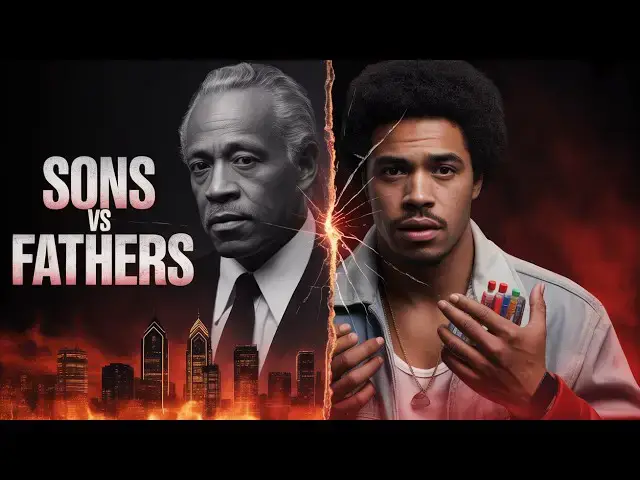
Philadelphia, 1985. A new generation rises from the ashes of the original Black Mafia—younger, more violent, and exponentially more ruthless. They don't ask for permission. They don't respect the old codes. They take everything, burn everything, and leave bodies in their wake.
This is the complete story of the Junior Black Mafia—the teenage drug lords who turned Philadelphia into a war zone, declared war on their own mentors, and built a $26 million crack cocaine empire in less than three years.
🔥 WHAT YOU'LL DISCOVER:
• How crack cocaine created the perfect storm for teenage kingpins
• Why JBM turned against the original Black Mafia leadership
• The decentralized structure that made them nearly invisible
• The generational war that left bodies on both sides
• Operation Cleanup: The federal takedown that destroyed them
• Life sentences handed to men who were barely old enough to vote
• The legacy that still haunts Philadelphia's streets today
From Southwest Philly projects to federal supermax prisons, from $500,000 weekly operations to life without parole, this is the rise and catastrophic fall of the generation that refused to wait their turn.
⚡ GLOBAL MAFIA UNIVERSE
We don't just tell crime stories. We expose the systems, the structures, and the streets that make them inevitable.
🎯 KEYWORDS: Junior Black Mafia, JBM Philadelphia, Black Mafia history, crack epidemic 1980s, Philadelphia organized crime, teenage drug lords, generational crime wars, federal RICO cases, urban drug empires, Operation Cleanup, street gangs, organized crime documentary, criminal history, mafia documentary, true crime 2025
Show More Show Less View Video Transcript
0:00
August 1985, Philadelphia. A 19-year-old walks into a
0:05
bar on Woodland Avenue. His former mentor is drinking alone at the end. The
0:11
man who taught him the streets, taught him the game, taught him everything. The
0:16
young man doesn't say a word, doesn't offer respect, doesn't ask permission.
0:21
He just raises his weapon. The mentor sees it coming. Too late. One shot, the
0:28
old order dies. The new order is born in blood. This is the Junior Black Mafia.
0:36
And they didn't come to ask, they came to take. By the mid1 1980s,
0:42
Philadelphia's criminal underworld faced something unprecedented. Not a takeover
0:47
from outside. Not Italians versus Irish. Not territory disputes between neighborhoods. This was something
0:54
darker. A generational apocalypse. Sons declaring war on fathers. Students
1:01
executing teachers. The Junior Black Mafia emerged from the ruins of the original Black Mafia with one mission.
1:08
Erase everyone who came before them. Destroy the old codes. Burn the old
1:13
respected. Build something faster, more violent, more profitable than anything
1:19
Philadelphia had ever seen. They were teenagers. Most couldn't legally buy
1:24
alcohol. But they built a $26 million empire in 3 years. They turned entire
1:31
neighborhoods into war zones. They made crack cocaine the new currency of power.
1:36
And they proved that age means nothing when you have nothing to lose. This is the complete story of the junior black
1:42
mafia. The generation that refused to wait their turn. The generation that made their mentors look soft. The
1:49
generation that burned so bright they incinerated themselves and everyone around them. Chapter one, the
1:56
inheritance of ashes. To understand the junior black mafia, you need to understand what they inherited.
2:04
Ashes. By 1977, the original black mafia was collapsing. Sam Christian and Ronald
2:10
Harour, the architects who challenged the Italian families and built Philadelphia's first sophisticated black
2:17
criminal organization, were in federal prison. RICO convictions, 25-year
2:23
sentences. The infrastructure they'd spent a decade building was shattered. But here's what federal prosecutors
2:28
didn't understand. You can imprison the men. You can't imprison the blueprint.
2:34
The younger generation watched everything. They watched their fathers build empires with numbers, rackets, and
2:40
gambling operations. They watched the discipline, the structure, the political
2:45
connections. They watched the Italians step back when black operators organized properly. They learned the mechanics of
2:52
power. But they also watched the mistakes. They watched leaders get too
2:58
visible, too centralized, too trusting of people who wore wires. They watched
3:03
the feds build cases with wiretaps and informants. They watched life sentences
3:09
get handed down in federal courtrooms. Therefore, when their turn came, they designed something different. The old
3:16
black mafia had been criminals trying to look legitimate. The junior black mafia would be predators who didn't bother
3:22
hiding. The old generation moved carefully, avoided unnecessary violence, built community infrastructure. The new
3:29
generation understood something brutal. In the crack era, violence wasn't a liability. It was marketing. Make the
3:37
streets terrified of your name. And you don't waste time enforcing respect. The fear does it for you. The transition
3:45
began in the early 1980s in the housing projects of southwest Philadelphia. Bartram Village.
3:52
Tasker homes places where poverty wasn't just economic. It was generational,
3:59
systematic, absolute. Unemployment hit 70% in some blocks. The factories that
4:05
had employed previous generations were gone. The legitimate economy had abandoned these neighborhoods
4:10
completely. Into this vacuum came the most profitable, most addictive, most destructive drug in American history,
4:17
crack cocaine. The chemistry was simple. Take powder cocaine, mix it with baking
4:24
soda and water. Cook it. You get rocks that could be sold for $5 instead of
4:30
hundreds. The profit margins were insane. A kilo of powder worth 20,000
4:35
became crack worth 80,000 on the street. But the real genius was the market expansion.
4:41
Powder cocaine was for wealthy users. Crack was for everyone. Instant
4:47
addiction. Massive volume. Infinite demand. The Junior Black Mafia saw this
4:53
before the old guard did. While the original black mafia leaders sat in prison thinking about traditional
4:59
rackets, the young guys on the streets understood crack would change everything. This wasn't gambling. This
5:05
wasn't lone sharking. This was chemical emp. The core leadership emerged from
5:10
this environment. Aaron Jones from Bartram Village. Mid-level family. Father in and out of prison, mother
5:17
working two jobs. He was 17 in 1984 when he started dealing smart,
5:24
disciplined, ruthless in ways that shocked even hardened criminals. Mark
5:30
Casey from Southwest Philly, 18 years old, he'd watched his uncle, an original
5:36
black mafia associate, get shot in a dispute over territory in 19. He learned a lesson. Respect means nothing if you
5:43
can't enforce it with overwhelming violence. dozens of others, names that appear in federal indictments, lives
5:50
summarized in arrest records. Most were teenagers. Most came from broken homes
5:56
in broken neighborhoods. Most had juvenile records before they could drive. And most saw crime not as
6:02
deviants, but as the only viable economic opportunity available. They began organizing in 1984. Small crews,
6:11
corner operations, learning the business. But they were watching something else, too. Original
6:17
black mafia members were getting released from prison, coming home after 8, 10, 12 years sentences,
6:25
expecting to reclaim their territories, expecting tribute from the young guys, expecting the old hierarchy to still
6:31
exist. The Junior Black Mafia had no intention of stepping aside. They built something while the old guard was locked
6:38
up. They weren't employees. They weren't apprentices waiting for permission. They
6:43
were competitors and they were better suited for the crack era than the men who'd mastered the numbers game. The
6:49
conflict was inevitable. The violence was guaranteed. The only question was how bloody it would get.
6:56
Chapter 2. The architecture of violence. By 198. The Junior Black Mafia had
7:03
constructed something law enforcement had never seen in Philadelphia's black criminal underworld. A hybrid street
7:10
gang violence with organized crime structure. Decentralized operation with centralized strategy. Teenage soldiers
7:17
with cartel level profits. The organizational design was brilliant in its simplicity. At the top, a loose
7:24
leadership council, Aaron Jones, Mark Casey, a few others whose names remain
7:30
partially sealed in juvenile records. They made strategic decisions, territory
7:36
allocation, supply connections, conflict resolution, but they never touched the
7:41
product. Never made street level transactions insulated by layers of soldiers who didn't know their names.
7:48
Below them, semi-independent crews, each controlling specific territories.
7:55
Southwest Philly, West Philly, portions of North Philly. Each crew operated like
8:01
a franchise. Same product, same methods, same brand,
8:07
but independent enough that if one got taken down, the others survived. Each crew had identical structure,
8:14
leadership, usually early 20s, experienced, connected to the council.
8:19
Enforcers muscle, intimidation, violence, specialists, street dealers.
8:25
The visible operators, usually teenagers, run as Evan younger kids, 12
8:30
to 15, moving product and money. Lookouts children posting on corners
8:36
watching for police. The use of minors was strategic and ruthless. Juvenile justice system was softer. Records got
8:43
sealed. A 15-year-old caught with crack got probation and juvenile dissension.
8:48
And Adele got federal mandatory min. The JBM exploited this systematically. The
8:54
youngest dealers made the most dangerous transactions, got arrested, got
8:59
released, went back to work. The money was staggering. Federal investigators
9:05
later estimated that JBM's operation generated $500,000 weekly at peak, $26
9:12
million annually from crack sales in Philadelphia and expanding into Chester,
9:17
Wilmington, and smaller Pennsylvania cities. For context, that's roughly 60
9:22
million in today's money, generated by an organization whose average age was 21. They laundered through the same
9:29
methods the original black mafia had pioneered. Car washes, barber shops,
9:35
corner stores, record shops, legitimate businesses with real customers and real revenue that
9:41
could absorb cash without raising immediate suspicion. They employed people from the neighborhoods paid
9:47
better than minimum wage. Created loyalty through economics. But the critical difference between JBM and
9:53
their predecessors was the role of violence. The original black mafia used violence sparingly
10:00
strategically as a last resort. When economic pressure failed, the junior black mafia weaponized it, made it
10:08
central to their brand. Made the streets understand that crossing the JBM didn't mean losing money. It meant losing life.
10:16
They established patterns. Someone stole product. Public example. Someone
10:22
cooperated with police. The sapper. Someone disrespected the brand.
10:27
Immediate overwhelming response. The message wasn't subtle. It didn't need to
10:33
be. Within 6 months, everyone in southwest Philly understood the rules. But violence attracts attention. Bodies
10:40
create investigations. And by mid 1980, the JBM's expansion was creating conflicts they couldn't control through
10:47
intimidation alone. Chapter 3. The war of generations. June 9. The conflict
10:53
that had been building erupted into open warfare. Original black mafia members
10:59
were getting out of federal prison. They came home to a different Philadelphia. Their old corners were occupied. Their
11:06
old soldiers were dead, imprisoned, or working for someone else. Their old respect was gone. Some accepted the new
11:13
reality, retired, went legitimate, moved away. Others couldn't accept it. They'd
11:21
built the infrastructure that made black organized crime in Philadelphia possible. They'd challenged the
11:26
Italians. They'd created the playbook. They expected acknowledgement,
11:31
tribute, a piece of what they saw as theirs. The junior black mafia saw them as obstacles. Dinosaurs, relics of a
11:40
slower, softer era that crack cocaine had made obsolete. The first major incident happened on a corner in
11:46
southwest Philadelphia, 52nd and Woodland. A JBM crew had been operating
11:52
there for 8 months, moving to 3000 in Crack Weekly. Consistent operation,
11:59
no problems. Then Raymond Mitchell, Oregon black mafia associate recently released after 9 years federal time
12:06
approached them. Mitchell was old school. 43 years old. He had done his
12:11
time quietly. Didn't cooperate. Came out expecting to reclaim some version of his
12:17
old life. He walked up to three JBM dealers on a late afternoon. Plenty of witnesses. He explained his credentials,
12:25
his history, his connection to the original organization. He demanded a
12:30
weekly payment, respect tax, for the corner he'd controlled in the 1970s.
12:36
The dealers listened. Didn't argue. Didn't agree.
12:41
Just listened. Then the youngest one, 17 years old, asked Mitchell a question.
12:49
What happens if we say no? Mitchell made a mistake. He reached for the kid.
12:54
Aggressive, trying to establish physical dominance the way his generation had.
12:59
The way that worked in a different era, the kid didn't back down, didn't flinch,
13:04
just looked at Mitchell with complete absence of fear and said four words that summarized the entire generational
13:11
conflict. This ain't your corner. Mitchell was found 3 days later. The details aren't
13:18
important. The message was the old respect was dead. The old hierarchy was
13:24
buried. If you couldn't enforce your claim with current power, you had no claim. History meant nothing.
13:32
Credentials meant nothing. Only violence and money mattered. The killing was
13:38
intended as a message to all the returning original black mafia members.
13:43
Stay away. This is ours now. Most got the message. A few didn't. Over the next
13:50
14 months, federal investigators documented 12 homicides connected to JBM
13:55
operations. Some were rival dealers from competing organizations. Some were potential witnesses who'd
14:02
talked to police. Some were civilians caught in crossfire, and some were original Black Mafia members who refused
14:09
to accept the new order. The violence was the Junior Black Mafia's strategic failure. Everybody was a federal case.
14:17
Every murder was a potential RICO predicate. The original Black Mafia had understood this. They'd minimized
14:24
bodies, maximized economic pressure, avoided creating the paper trail of violence that federal prosecutors could
14:31
turn into conspiracy charges. The JBM either didn't understand or didn't care.
14:37
They were young, making more money than they'd ever imagined. Feeling invincible. Consequences seemed
14:44
theoretical. Prisons seemed distant. Death seemed like something that happened to other people. But they were
14:51
creating their own destruction. Every murder brought more federal attention. Every shooting brought more witnesses
14:58
willing to talk. Every act of violence made the community that had tolerated underground gambling turn against an
15:05
organization that was destroying. Neighborhoods with crack and bodies. Mothers who'd lost sons to addiction
15:10
started talking to police. Grandmothers raising grandchildren because the parents were dead or imprisoned started
15:17
cooperating with federal agents. Pastors watching their congregations disappear into crackouses started providing
15:23
information. The streets were turning. The community was breaking and the feds
15:29
were building a case. Chapter 4. Operation Cleanup. By late 198, the
15:34
FBI's Philadelphia field office had designated the Junior Black Mafia as a priority target. They established a task
15:41
force, dedicated agents, resources, wiretap authorizations, surveillance
15:47
teams, undercover operations. The full weight of federal law enforcement focused on an organization run by
15:54
teenagers. The lead prosecutor was Michael Levy, federal attorney.
16:00
Experienced in organized crime prosecutions, he'd helped dismantle Italian families using RICO statutes.
16:06
Now he wanted to prove the same laws worked against emerging urban drug organizations. The investigation Cody
16:13
named Operation Cleanup was methodical. They started at the bottom. Street level
16:18
dealers 15, 16, 17 years old. Caught
16:24
with crack, facing adult charges because of quantity or weapons, offered deals
16:29
they couldn't refuse. Testify and get probation. Stay silent and get tried as
16:34
adults with mandatory minimums. Most talked. They gave up their crew leaders,
16:39
described the structure, named suppliers. Detailed the money flows. Each small
16:46
arrest led to bigger targets. Each cooperative witness provided pieces of the larger puzzle. The feds tapped
16:53
phones. The JBM was more careful than their predecessors, but young dealers made mistakes. They used code words, but
17:01
the codes were obvious. They avoided landlines, but they used payoneses repeatedly, creating patterns. They
17:08
tried to stay disciplined, but 19year-olds talk. They brag. They
17:14
confirm things they should deny. The wiretaps captured everything. Drug transactions, territory disputes,
17:21
discussions about violence, plans to eliminate witnesses, conversations about moneyaundering. Every call was another
17:28
brick in the federal case. Financial surveillance tracked the cash. IRS agents followed money through car washes
17:36
that washed very few cars. Barber shops with revenues that didn't match customer
17:41
traffic. Stores with sales that seemed impossible given their inventory. The
17:46
math didn't work. The audits revealed the truth. Undercover operations got inside the lower levels. Federal agents
17:53
posing as buyers, making controlled purchases, wearing wires, recording transactions, building
18:01
evidence that would be undeniable in court. By early 1987, the feds had
18:06
enough. Multiple cooperating witnesses, hours of wiretap evidence, financial
18:12
documents, undercover recordings, surveillance photos, murder investigations,
18:19
weapons charges, a complete RICO case against the entire organization. March
18:24
18th, 1987, 5:00 a.m. The raids were coordinated
18:30
across the entire Delaware Valley. 27 locations simultaneously, over 300
18:36
agents, FBI, DATF, Philadelphia police, Pennsylvania, state
18:44
police, tactical teams, arrest warrants for 43 individuals. They hit crew
18:49
houses, counting locations, leadership residences, stash houses, legitimate
18:56
businesses used for laundering, everything at once to prevent warning and evidence destruction. The arrests
19:01
took 3 hours. 43 people in custody by 9:00 a.m. The youngest was 16. The
19:08
oldest was 24. The average age was 21. Children barely adults. running a
19:16
multi-million dollar criminal empire. The seizures were massive. $4 million in
19:21
cash and assets, jewelry, vehicles, weapons, enough crack cocaine to supply
19:29
Philadelphia for months. The physical evidence alone filled multiple evidence rooms. But the most shocking discovery
19:36
came when federal agents processed the arrested individuals. These weren't hardened career criminals with decades
19:42
of experience. These were kids, teenagers when they'd started.
19:48
Most had juvenile records. Some were still in high school. Others had dropped
19:53
out years ago when dealing crack paid more than any diploma ever would. Federal prosecutors kept asking the same
20:00
question. How did children build something this sophisticated? The answer was uncomfortable. They'd grown up in
20:07
war zones. They'd watched the original Black Mafia operate and learned from both the successes and the mistakes.
20:13
They'd been handed the most profitable drug in history. At the exact moment when crack addiction was exploding,
20:20
they'd had nothing to lose because the legitimate economy offered them nothing. Perfect storm, desperation,
20:27
opportunity, drugs, guns, money, and children who
20:33
never had a chance to be children. Chapter 5. The federal gauntlet. The
20:39
trials began in the fall of 198. The federal government's case was overwhelming. The defense attorneys,
20:46
mostly courtappointed because few defendants could afford private counsel, faced an impossible task. The
20:52
prosecution presented why. The jury heard JBM members discussing crack shipments in code that wasn't actually
20:59
code. Planning violence against rivals, dividing money, celebrating successful
21:05
operations. The voices were young. The crimes were serious. The evidence was
21:12
undeniable. Financial experts testified about money laundering. IRS agents explained how cash moved through
21:18
businesses, how revenues didn't match legitimate operations, how the math proved criminal activity. But the most
21:25
devastating evidence came from inside the organization. 12 former JBM members took the stand,
21:32
granted immunity or reduced sentences in exchange for testimony. They described
21:37
the structure in detail, named the leadership, explained the operations,
21:42
confirmed the violence. The defense tried to discredit them. Criminals lying for reduced sentences, unreliable
21:50
witnesses with motivations to fabricate. But when 12 people arrested separately, interrogated separately with no contact
21:57
between them, tell identical stories with matching details, credibility becomes impossible to challenge. The
22:05
jury heard about the crackouses, the addicted mothers, the destroyed families, the teenagers recruited into
22:12
dealing, the violence against anyone who resisted, the bodies, the community,
22:18
devastatium, the millions in profits built on neighborhood destruction. The defense had little to offer. Yes, the
22:25
witnesses were criminals, but so were the defendants. Yes, they had
22:31
motivations to cooperate, but their testimony was corroborated by physical evidence, wiretaps, financial records,
22:38
and surveillance. The deliberations were relatively quick. The evidence was too
22:44
strong. The facts were too clear. Across multiple trials, the verdicts came back
22:50
the same way. Guilty. Guilty. Guilty. The sentencing was brutal. Federal
22:56
mandatory minimums for crack cocaine were designed to be harsh. The quantities involved triggered the
23:02
highest penalties. The violence triggered enhancements. The RA convictions allowed prosecutors to stack
23:09
charges. Aaron Jones, 23 years old, identified as top tier leadership. Life
23:16
plus 40 years. He'll die in federal prison for an empire he built as a
23:21
teenager. Mark Casey, 22 years old. another primary leader. Life without
23:29
parole, no possibility of release ever. Others received 20 years,
23:36
30 years, 40 years. A few lower level dealers who cooperated got 5 to 10 years, but the
23:43
core of the organization received sentences designed to ensure they'd never see freedom again. The courtroom
23:49
scenes were devastating. Young men barely into their 20s, hearing they'd
23:54
spend the rest of their lives in prison, mothers crying, families destroyed, defense attorneys
24:00
who'd known the verdicts were coming, but still looked shocked at the sentence lengths. The federal government sent a
24:05
message. Urban drug organizations would be prosecuted as seriously as Italian mafia families. Rico applied to
24:13
everyone. The sentences would be designed not just to punish, but to terrify the next generation into
24:19
different choices. But did it work? Did life sentences handed to 20-year-olds stop the next wave of young dealers? Did
24:26
Operation Cleanup end the crack trade in Philadelphia? No. Within months, new
24:32
organizations emerged. Different names, different faces, same drugs, same
24:38
economics, same desperation. The JBM was destroyed, but the conditions that
24:43
created them remained completely unchanged. Chapter 6. The inheritance.
24:49
This is the part federal press releases don't mention. While JBM leadership sat in supermax prisons beginning life
24:55
sentences, their legend grew on the streets. Two federal prosecutors, they were cautionary ties. To the next
25:02
generation of young dealers, they were something else. Proof of concept. The
25:07
younger brothers, cousins, and neighborhood kids who'd watched the JBM rise and fall didn't learn that crime
25:15
doesn't pay. They learned more specific lessons. The JBM got caught because they
25:21
were too visible, too violent, too careless with phones. Too trusting of
25:27
people who flipped. The next generation adapted. They went quieter, more disciplined.
25:34
They studied how the feds built cases and designed countermeasures. Burner phones replaced regular lines.
25:40
Face-to-face meetings replaced calls. Smaller crews replaced large organizations. Less violence, reduced
25:47
federal attention. The JBM had proven that young, hungry operators could
25:52
overthrow the established order, could build multi-million dollar empires, could challenge anyone. But they'd also
25:59
proven that visibility and violence brought federal annihilation, the generation that followed blended
26:04
approaches. Criminal sophistication from the original Black Mafia, profit models
26:10
from the JBM, but reduced visibility, less community destruction,
26:17
quieter operations. They learned from everyone's mistakes. In a prison interview conducted in 1998, a former
26:24
JBM leader serving life without parole was asked about regrets. His response
26:30
paraphrased from sealed documents. They'd been 19-year-old kids from the projects, handed unlimited money and
26:36
power. They did exactly what anyone would expect. 19year-olds with no future
26:42
to do. They took everything as fast as they could because they knew it wouldn't last. The tragedy wasn't getting caught.
26:49
The tragedy was that crime was the only empire available to them. Think about that. 43 men arrested, 30 plus
26:57
convicted. Most will die in federal prison for what? Millions in seized profits. Three
27:05
years of power, a legacy of destroyed neighborhoods that Philadelphia still hasn't recovered from. But here's the
27:12
question nobody wants to answer if the junior black mafia hadn't existed. What
27:17
would those 43 men have become? What would Aaron Jones have built with legitimate opportunities? What empires
27:23
might Mark Casey have created in a world where intelligence and ambition had legal outlets? How much talent got
27:30
buried in supermax cells because the only path to success in their neighborhoods ran through crackouses and
27:36
violence? The junior black mafia destroyed themselves. But what destroyed the communities that made the JBM
27:42
inevitable? What created the economic conditions where teenage drug dealing was the most rational choice available?
27:49
What abandon entire neighborhoods so completely that children built criminal empires because nothing else was
27:55
possible? Those questions don't have comfortable answers. They indict systems larger than individuals. Policies beyond
28:03
street corners. Decades of disinvestment, segregation, and abandonment that created the environment
28:09
where the junior black mafia wasn't an aberration. It was an inevitability. Chapter 7. the
28:17
survivors. Today, most of the junior black mafia leadership is still in federal prison. 40 years into life
28:24
sentences, men in their 60s now, imprisoned for crimes they committed as teenagers. They've spent more of their
28:30
lives in prison than they spent free. They'll die
28:36
there. A few got out. Early cooperation, reduced sentences, time served. They
28:43
live quietly now. Some found legitimate work. Others struggle with records that
28:48
make employment nearly impossible. Some returned to the same neighborhoods, older, wiser, broken by decades in
28:56
federal cages. The neighborhoods they devastated. Some recovered slowly.
29:02
Community programs, investment, generational change. Others
29:08
never recovered. still struggling with poverty, violence, limited opportunity,
29:15
the same conditions that bred the JBM in the first place. The original Black Mafia wanted to prove that black
29:21
criminals could organize as effectively as Italians. They succeeded and went to prison. The
29:28
Junior Black Mafia wanted to prove they didn't need permission from the old guard. They succeeded and went to
29:36
prison. The pattern repeats because the conditions repeat. Different names,
29:42
different drugs, different decades, same streets, same poverty, same mathematics
29:48
that make crime look like the only path to power. The JBM rose fast, burned
29:54
bright, crashed hard. They became exactly what they feared. A cautionary
30:00
tale for the next generation. But the next generation always comes and the streets never stay empty for long.
30:07
Here's what the federal government doesn't want you to understand. The Junior Black Mafia wasn't defeated by
30:12
brilliant law enforcement. They were defeated by their own success. They made too much money too fast. Generated too
30:19
much violence too quickly. Drew too much attention to vis. But the system that
30:24
created them untouched, the poverty that made crack dealing the best economic
30:30
option. Still there, the abandoned neighborhoods where legitimate opportunity disappeared. Still
30:37
abandoned. The schools that failed them, still failing the next generation. Operation
30:43
Cleanup removed 43 young men from the streets. Didn't remove the crack. Didn't
30:49
remove the demand. Didn't remove the desperation. Within six months, new
30:54
dealers filled every corner the JBM had controlled. Different faces, same product, same
31:02
economics. The federal government declared victory, held press conferences, celebrated the life
31:09
sentences. But Philadelphia's drug trade didn't even slow down. It just changed
31:14
management. And that's the real story. Not that the JBM got caught, but that
31:19
everything that made them possible remained completely unchanged. The arrests were inevitable. The convictions
31:26
were guaranteed, but the system that turns teenagers into drug kingpins that keeps running forever. The Junior Black
31:34
Mafia is gone. The name survives only in federal indictments and street legends.
31:39
The men who built it will die in prison. The neighborhoods they operated in are quieter now. Different problems.
31:47
different struggles, but still struggling. The legacy isn't the money or the violence or the empire. The
31:54
legacy is the question that nobody wants to answer when crime becomes the only viable path to success. Who's really
32:02
responsible? The teenagers who take that path or the society that made sure no
32:07
other paths existed? The junior black mafia rose because they had nothing to lose. They fell because the system was
32:14
designed to destroy them. But the system that created them in the first place, still creating the next generation,
32:21
still abandoning the same neighborhoods, still ensuring that desperate mathematics make crime look rational.
32:28
Different names, different drugs, different decades, same story forever.
32:35
This is Global Mafia Universe, where we don't just tell crime stories, we expose
32:40
the systems that make them inevitable. Subscribe if you want the truth. Not the
32:46
sanitized version, not the propaganda, the real mechanics of how empires rise
32:51
and fall. From Italian families to Russian, from Latin cartels to Asian
32:56
triads, from intelligence operations to global corruption. This is the mafia
33:02
universe and you're inside it now. Next investigation drops in 72 hours. Don't
33:08
miss it.