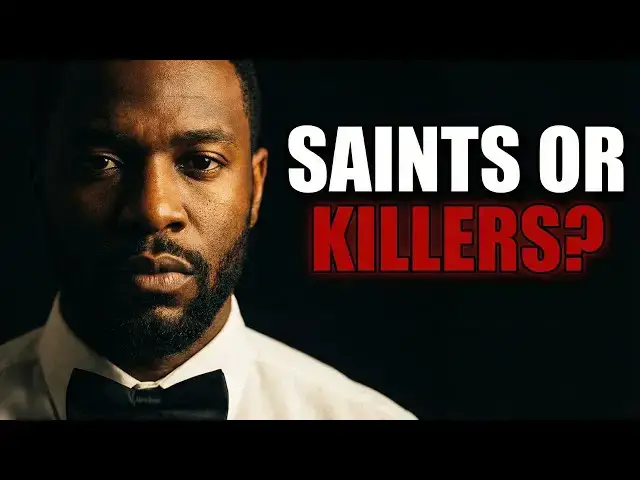
Up next in 10

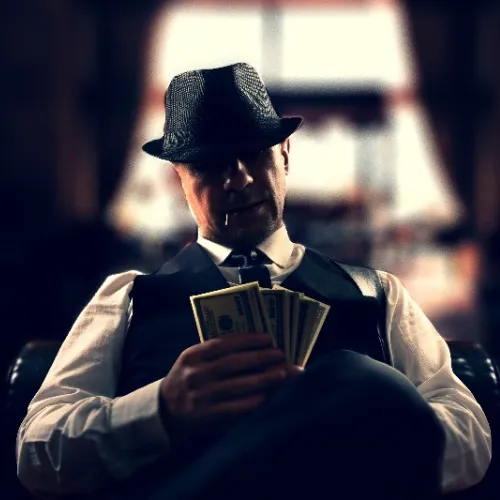
The Untold Story of the Black Mafia: Faith, Fear, and a Criminal Empire in Philadelphia
Step into the shadows of 1970s Philadelphia and uncover the chilling true story of the Black Mafia. This isn't just a tale of crime; it's a dark chapter where faith was twisted into a weapon and a community was held hostage by its own.
In this video, we reveal:
The Rise of the Black Mafia: How a group of young men from North Philadelphia, operating under the cover of the Nation of Islam, built a criminal empire that challenged the Italian mob and controlled the city's streets.
The Reign of Terror: Witness the brutal tactics—from arson and beatings to horrific executions—used by the Black Mafia to enforce their "street tax," dominate the heroin trade, and silence any opposition.
The Religious Facade: Explore the shocking duality of an organization that preached Black empowerment and religious discipline while flooding its own community with drugs and violence.
The Infamous Hanafi Massacre: Delve into the horrific crime in Washington D.C. that brought the Black Mafia to the attention of federal authorities and marked the beginning of their end.
The Fall and Legacy: Follow the FBI's intense investigation, the internal betrayals that led to the organization's collapse, and the lasting scars left on Philadelphia.
Join us as we piece together the history of one of America's most ruthless and complex criminal organizations.
Subscribe for more true crime stories, historical deep dives, and untold histories.
Show More Show Less View Video Transcript
0:00
The phone rang at 3:00 in the morning in North Philadelphia. A ringing phone at that hour meant one of two things.
0:06
Either someone you loved was dead or someone you loved was about to be. Dro's
0:11
furniture store had been a neighborhood institution for 23 years. Three generations of families had bought their
0:18
first couches there, their dining room tables, the cribs for their newborn children. But in the winter of 1,973,
0:26
Dubrose had a problem. They had refused to pay. The men who came wore suits,
0:32
clean, pressed, professional. They spoke softly. They quoted scripture. They called themselves brothers. However,
0:38
there was nothing brotherly about the gasoline cans they carried. By morning, Dub bro was ash. The owner understood
0:45
the message. Everyone on that block understood. Pay the tax or burn. This
0:51
was not the Italian mafia. This was not the Irish mob. This was something Philadelphia had never seen before. They
0:58
called themselves the Black Mafia. Between 1,968 and 1,984,
1:04
they would murder over 40 people. They would flood black neighborhoods with heroin. They would extort hundreds of
1:10
businesses. They would corrupt politicians, intimidate witnesses, and leave a trail of bodies from North
1:16
Philadelphia to Atlantic City. But here is what made them different, what made them terrifying. They did it all under
1:23
the banner of God. They wore the bow ties of the Nation of Islam. They preached black empowerment. They quoted
1:30
the Quran while they counted drug money. They executed their enemies while claiming to serve Allah. This is not a
1:37
story about gangsters. This is a story about how faith became a weapon, how
1:42
liberation became exploitation, how the dream of black self-determination was twisted into a nightmare of blood and
1:49
betrayal. This is the story of the Black Mafia and it begins on the broken
1:54
streets of Philadelphia. To understand how the Black Mafia was born, you must first understand the Philadelphia that
2:01
created them. Forget the Liberty Bell. Forget Independence Hall. Forget the founding fathers and their promises of
2:07
freedom. The Philadelphia of the 1950s and 1960s was two cities sharing one
2:13
name. In the Northwest, white families lived in treeine neighborhoods. Their children attended well-funded schools.
2:19
Their streets were clean, their futures were secure. But cross Broad Street heading north and you entered a
2:26
different world. North Philadelphia row houses packed so tightly you could hear your neighbors arguments through the
2:32
walls. Streets where garbage collection was a suggestion, not a service. Schools
2:38
so overcrowded that children attended in shifts. This was where black Philadelphia lived. Not by choice, by
2:46
design. Red lining had carved the city like a butcher carves meat. Banks refused mortgages to black families in
2:53
white neighborhoods. Real estate agents steered them away. If a black family
2:58
somehow managed to buy in a white area, their windows would be broken within the week. Therefore, everyone stayed in
3:05
their place contained, controlled, forgotten. The factories provided work. For a while, Stson Hats, Filco
3:12
Electronics, Midvail Steel, black men worked the most dangerous jobs for the lowest wages. However, it was work, it
3:20
was dignity, it was survival. But by the early 1960s, the factories began to
3:25
close. Automation came first, then the jobs moved south, where labor was
3:30
cheaper and unions were weaker. One by one, the smoke stacks went cold. The lunch whistles fell silent. Unemployment
3:38
in North Philadelphia reached 40%. 40%. Nearly half the men on some blocks had
3:44
no work, no income, no purpose. What happens to a community when its men
3:49
cannot provide? When fathers watch their families go hungry? When every job application comes back rejected or never
3:56
answered at all? Anger happens. Desperation happens. Opportunity happens. The streets filled with idle
4:03
young men, smart young men, capable young men, young men who watch their fathers crushed by a system that was
4:10
never designed to let them succeed. These young men learned a different lesson than the American dream. They
4:16
learned that the rules were rigged, that playing fair was for suckers, that the
4:22
only way to win was to stop playing their game entirely. Some of these young men would become activists. Some would
4:29
become artists, some would become leaders, but some of them would become predators. Into this powder, keg came a
4:36
match. The Nation of Islam arrived in Philadelphia in the 1950s, but it was
4:42
not until the following decade that its message truly ignited. Malcolm X had electrified black America with his
4:49
uncompromising rhetoric. He spoke of white devils, of black superiority, of
4:54
self-defense, by any means necessary. For young men who had been told their entire lives that they were less than.
5:01
This message was revolutionary. You are not inferior. The nation preached. You
5:06
are the original man. The white man stole your history, your language, your god. Take it back. Temple number 12
5:14
opened in Philadelphia. It was modest at first. A storefront operation. folding
5:19
chairs and borrowed microphones. However, the message spread like fire through dry grass. The nation offered
5:26
what the streets could not structure. Every member wore the same uniform. Dark suit, white shirt, bow tie, clean
5:34
shaven, no alcohol, no tobacco, no drugs, no gambling. The fruit of Islam,
5:40
the nation's security wing. Trained young men like soldiers. Martial arts every morning. Drilling in formation.
5:47
absolute obedience to the chain of command. For young men raised in chaos, this discipline was intoxicating. For
5:54
the first time in their lives, they belong to something larger than themselves, something that demanded
5:59
their best, something that made them feel powerful. However, there was a shadow side to this power. The nation
6:06
taught that the white man was the enemy. that integration was a trap that black
6:12
people should build their own separate nation, their own economy, their own destiny. This philosophy created a moral
6:19
framework that would prove catastrophic. If the white system was evil, then breaking its laws was not a crime. It
6:27
was resistance. If white society had stolen from black people for 400 years,
6:32
then taking from that society was not theft. It was reparation. The line
6:37
between righteousness and criminality began to blur. Some men joined Temple 12 seeking spiritual salvation. Others
6:45
joined seeking something else entirely. They recognized what the nation had built. A disciplined organization with
6:51
absolute loyalty, a code of silence, and a ready supply of young men willing to follow orders without question. In other
6:58
words, the perfect infrastructure for a criminal empire. Samuel Richard Christian was born in 19,940
7:06
in the heart of North Philadelphia. His childhood was a catalog of American failure, absent father, overwhelmed
7:14
mother, streets that taught lessons no classroom ever could. By 14, he was already cycling through juvenile
7:20
detention, fighting theft, assault. The charges varied, but the pattern was
7:25
consistent. Samuel Christian was smart. Samuel Christian was violent. Samuel Christian refused to accept the place
7:32
society had assigned him. In his late teens, he discovered the Nation of Islam. The transformation appeared
7:38
miraculous. The street tough became a minister. The criminal became a counselor. He dressed in immaculate
7:45
suits. He spoke with calm authority. He memorized scripture and quoted it with
7:50
apparent conviction. But those who knew Samuel Christian saw something else behind the bow tie. His eyes never
7:57
stopped calculating. He watched the temple's financial operations with intense interest. He noted how members
8:04
handed over their savings without question. He observed how the chain of command eliminated disscent. He studied
8:10
how the nation's reputation for retaliation kept enemies at bay. Samuel Christian was not experiencing a
8:17
spiritual awakening. He was conducting research. By his late 20s, he had risen to a position of influence within Temple
8:25
12. He led study groups. He recruited new members. He counseledled young men who reminded him of himself. However,
8:32
his true congregation met in back rooms in parked cars. In the shadows after
8:37
official temple business concluded, Ronald Harvey was one of the first. Another child of North Philadelphia.
8:44
Another graduate of juvenile detention. Ronald Harvey had the muscle that Samuel Christian sometimes lacked. More
8:51
importantly, he had no hesitation when violence was required. Richard Allen James came next. They called him Pork
8:58
Chops, a nickname from his heavy build and his appetite for food, for money,
9:03
for power. Pork Chops would become one of the organization's most effective enforcers. James Fox, John Clark, Bo
9:11
Baines, Eugene Hearn, Theodore Wilson. One by one, Samuel Christian assembled
9:16
his council. All of them were fruit of Islam. All of them had street credentials that predated their
9:22
religious conversion. All of them understood exactly what Christian was proposing. The Nation of Islam had
9:28
created something unprecedented. A disciplined, loyal, wellorganized institution embedded in the black
9:35
community with a code of silence enforced by fear of divine punishment. Samuel Christian intended to weaponize
9:42
it. In 1,968, in a back room somewhere in North Philadelphia, the Black Mafia held its
9:49
first official meeting. Samuel Christian laid out the vision. The Italian mob controlled Philadelphia's major rackets,
9:56
numbers, drugs, prostitution. They had allowed black criminals to operate, but only as subordinates, tributaries
10:04
feeding the main river. Christian proposed a revolution. Why should black criminals pay tribute to white
10:09
gangsters? Why should black money flow into Italian pockets? The Nation of Islam preached economic independence.
10:16
very well. They would take that lesson and apply it literally. The black mafia would seize control of every criminal
10:24
enterprise in black Philadelphia. The numbers game which generated millions annually. Heroin distribution which was
10:31
spreading like cancer through urban America. Extortion of blackowned businesses who were too afraid of the
10:37
system to seek police protection. However, the genius of Christian's plan was not the criminal enterprises
10:43
themselves. Any gang could sell drugs. Any thugs could shake down shopkeepers.
10:49
The genius was the cover. They would continue to operate within the Nation of Islam. They would wear the suits, attend
10:55
the services, speak the language of faith. When the police came asking questions, they would find respectable
11:01
Muslim businessmen involved in community uplift. When witnesses considered talking, they would remember that
11:07
betraying the nation meant betraying God himself. The nation's code of discipline
11:13
would keep members in line. The nation's code of silence would protect against informants. The nation's reputation for
11:20
violent retaliation would deter competitors. Faith would be their shield. Terror would be their sword.
11:26
There was one more element to Christian's plan. Something that would distinguish the black mafia from every
11:32
other criminal organization in Philadelphia history. They would show no mercy. The Italian mob understood that
11:38
excessive violence was bad for business. It attracted attention. It provoked crackdowns. It disrupted the steady flow
11:45
of money. That was the whole point of organized crime. Samuel Christian rejected this philosophy. Fear, he
11:52
understood, was the most effective form of control. Not mere intimidation.
11:57
Genuine paralyzing terror. If people believed that crossing the Black Mafia meant not just death, but death in the
12:04
most horrible manner imaginable, resistance would evaporate. They would make examples. They would be creative.
12:11
They would ensure that every murder sent a message that echoed through the streets for years. The meeting ended
12:18
with a handshake, a prayer, a commitment. The Black Mafia was born.
12:23
Philadelphia had no idea what was coming, but it was about to find out. The first target was the numbers game.
12:29
Before state lotteryies existed, before scratchoff tickets and Powerball, there was the numbers. A street lottery run in
12:37
every black neighborhood in America. Pick three digits, place your bet. If your numbers match the day's result,
12:44
usually derived from horse racing totals or stock market figures you won. The odds were terrible. The house always
12:50
won. But the numbers game was embedded in the community like a heartbeat. Everyone played your grandmother, your
12:57
barber, the deacon at your church. In Philadelphia, the numbers generated millions of dollars annually. And in
13:04
19,968, that money flowed upward to the Italian mob. Black runners collected bets on
13:11
street corners. Black bankers tallied the slips in back rooms, but the real profits climbed the ladder into white
13:18
hands. Samuel Christian intended to sever that ladder. The strategy was elegant in its brutality. They did not
13:25
attempt to negotiate with the Italians. They did not seek permission or partnership. They simply began
13:31
eliminating the competition. One by one, the independent black numbers bankers
13:37
received visits. The first conversation was always polite, brothers in suits,
13:42
quoting scripture, explaining that a new organization was taking over operations,
13:47
offering partnership, offering protection. Most understood immediately. The reputation of the fruit of Islam
13:54
preceded them. These were not men who made empty threats. Cooperation was the only rational choice. However, some
14:01
refused. Those who refused became examples. Tyrone Palmer was a numbers
14:06
banker in West Philadelphia. He had operated independently for 15 years. He
14:12
had survived police raids, robbery attempts, and two assassination plots. He believed he could survive the Black
14:18
Mafia as well. They found his body in an abandoned building on Gerard Avenue. He
14:24
had been tortured extensively before death. The details were so disturbing that the responding officers refused to
14:31
describe them in their reports. Word spread instantaneously. Within 6 months,
14:36
every significant numbers operation in black Philadelphia was paying tribute to Samuel Christian. The Italians noticed.
14:44
Bruno family representatives demanded a meeting. What occurred at that meeting remains disputed. However, the result
14:51
was clear. An uneasy truce emerged. The black mafia would control the numbers in
14:57
black neighborhoods. The Italians would retain their operations elsewhere. Philadelphia had never seen anything
15:02
like it. A black criminal organization had negotiated as equals with the Italian mob. Samuel Christian had
15:09
achieved something that seemed impossible, but he was only beginning. Heroin arrived in black neighborhoods
15:15
like a biblical plague. The drug had existed for decades, but the late 1960s
15:21
brought an explosion in supply and demand. Vietnam veterans returned home with addictions acquired overseas.
15:28
Trafficking routes from Southeast Asia flooded American cities with cheap, potent product. North Philadelphia
15:34
became an open air drug market. The black mafia recognized the opportunity immediately. Numbers provided steady
15:42
income, but heroin promised fortunes. A kilogram purchased for $20,000 could
15:48
generate $100,000 in street sales. The profit margins were obscene. However,
15:54
entering the heroin trade required connections the black mafia did not yet possess. The major suppliers were
16:01
international, Colombian, Southeast Asian. They did not deal with unknown street organizations. This is where the
16:09
black mafia's most controversial alliance emerged. Major Benjamin Coxin
16:14
was a Philadelphia legend, a flamboyant hustler who drove Rolls-Royces and wore
16:20
fur coats. He had connections everywhere, legitimate businessmen, politicians, and most importantly, major
16:26
drug suppliers who trusted his reliability. Coxin was not black mafia. He was too independent, too flashy, too
16:33
unwilling to submit to anyone's authority. But he needed the mafia's street distribution network. They needed
16:40
his supply connections. The partnership transformed the organization. Suddenly, the black mafia had access to quantities
16:47
of heroin that dwarfed anything they had handled before. Kilg became dozens of
16:52
kilog. Street corners became entire neighborhoods. The money flowed in faster than they could count it. They
16:58
established a distribution hierarchy that mirrored legitimate corporations. Ronald Harvey oversaw operations.
17:05
Trusted lieutenants managed regional territories. Street level dealers reported to block captains. Product
17:11
flowed downward. Money flowed upward. Meanwhile, addiction devastated the very
17:17
communities the Nation of Islam claimed to serve. This was the black mafia's original sin. The heroin they
17:24
distributed destroyed countless lives. Mothers who neglected their children. Fathers who stole from their families.
17:31
Young people whose potential died in the spike of a needle. Yet the money continued flowing and Samuel Christian
17:38
continued expanding. Heroin and numbers were not enough. The black mafia wanted
17:43
everything. Every dollar that moved through Black Philadelphia would pay tribute to their organization. Every
17:50
business owner would understand that protection was not optional. They called it the street tax. The system was
17:58
methodical. Teams of well-dressed men would visit businesses, grocery stores,
18:03
barber shops, funeral homes, restaurants, nightclubs. They presented themselves as representatives of a
18:10
community organization. They explained that operating a business in the neighborhood required contributing to
18:16
neighborhood security. The amounts varied based on the business's apparent prosperity. Small shops might pay $50
18:23
weekly. Nightclubs and larger establishments paid hundreds. The wealthiest targets paid thousands.
18:30
Refusal brought consequences. First, vandalism, broken windows, slash tires,
18:36
messages that could be ignored if one possessed sufficient courage. Second, arson Dubro's furniture store was not
18:43
unique. Across north and west Philadelphia, businesses that refused to pay found themselves engulfed in flames.
18:50
Fire inspectors noted a suspicious pattern, but investigations went nowhere. Third, violence against
18:57
employees, beatings in parking lots, assaults that left permanent damage,
19:02
attacks that made clear the consequences of continued resistance. Finally,
19:07
murder. The Black Mafia understood something fundamental about extortion. One spectacular killing could eliminate
19:14
the need for dozens of confrontations. When business owners learned that refusing the street tax meant death, not
19:20
theoretical death, but actual death, documented in newspaper headlines, most
19:25
calculated that the payments were simply another cost of doing business. The extortion network eventually encompassed
19:32
hundreds of businesses. The weekly take reached into six figures. More importantly, it established the black
19:39
mafia's omnipresence. There was nowhere in black Philadelphia to hide from their
19:44
reach. Success bred ambition. By the early 1970s, the Black Mafia controlled
19:50
vast criminal enterprises across Philadelphia. Samuel Christian had achieved everything he envisioned in
19:56
that first meeting. However, Empire Builders never stopped building. Atlantic City beckoned. The seaside
20:03
resort had decayed from its glamorous past, but it remained a destination for tourists, conventioneers, and most
20:10
importantly, gamblers. Underground casinos operated throughout the city. The numbers game thrived. Prostitution
20:17
was barely concealed. The organization established a beach head through familiar methods. Members relocated to
20:23
Atlantic City. They identified existing operations. They offered partnership.
20:28
They punished refusal. However, Atlantic City presented complications Philadelphia had not. The resort town
20:35
had its own criminal ecosystem. Established operators resisted the newcomers. Local politicians had
20:42
existing relationships they preferred to maintain. The police force, while certainly corruptible, answered to
20:49
different masters. The black mafia responded with escalated violence. Bodies began appearing. Gamblers who
20:55
resisted the takeover, dealers who refused to share territory. Anyone who represented an obstacle to expansion.
21:02
The Atlantic City campaign ultimately proved less successful than Philadelphia
21:07
operations. The distance created coordination problems. Local resistance
21:13
proved more stubborn than anticipated. Law enforcement began paying closer
21:18
attention. Nevertheless, the expansion demonstrated something important. The Black Mafia was not content with local
21:25
dominance. They intended to become a regional power, perhaps eventually a national one. This ambition would
21:32
attract attention they could not afford. January 1,973,
21:38
Washington DC. The temperature hovered near freezing as seven members of the Black Mafia approached a three-story
21:44
townhouse on 16th Street Northwest. Inside lived the family of Hamas, Abdul
21:50
Kahalis, the leader of the Hanafi Muslim Movement. Kahalis had once been a highranking official in the Nation of
21:57
Islam. However, he had broken with the organization and begun publicly denouncing its leadership. He called
22:04
Elijah Muhammad a false prophet. He sent letters to Nation of Islam members
22:09
urging them to abandon what he termed a fraudulent faith. For the nation, this apostasy was intolerable. For the Black
22:16
Mafia, eliminating Kahalis would demonstrate their value to the nation's leadership and perhaps earn dispensation
22:24
for their criminal activities. What occurred inside that townhouse remains among the most horrific crimes in
22:30
American history. The killers entered the home and systematically murdered seven people. Men were shot execution
22:38
style. Women were drowned, children were drowned, children. The youngest victim was 9 days old. This was not a murder.
22:45
It was a massacre designed to obliterate a bloodline to send a message so savage that no one would ever again consider
22:52
defying the Nation of Islam. Kahalis himself was not home during the attack.
22:57
He survived to discover his family slaughtered. The grief would transform him into something dangerous, a story
23:04
that would intersect with the Black Mafia again years later. The Hanafi massacre shocked investigators. The FBI
23:11
immediately identified the killers as members of the Black Mafia. The religious connection was unmistakable.
23:18
However, prosecuting the case would prove complicated. Witnesses were terrified into silence. Evidence
23:24
disappeared. The Black Mafia's reputation for eliminating anyone who cooperated with authorities had never
23:31
been more relevant. Yet, the massacre marked a turning point. Before January
23:36
1,973, the Black Mafia had operated largely beneath federal radar. They were a local
23:44
problem, a Philadelphia problem. Law enforcement had other priorities. The
23:50
murder of children in the nation's capital changed everything. Suddenly, the black mafia had the full attention
23:56
of the FBI. Resources that had been directed elsewhere began flowing toward Philadelphia. Investigators who had
24:03
never heard of Samuel Christian began building dossas. The organization had demonstrated it would stop at nothing,
24:10
murder children, execute entire families, commit atrocities that would haunt the survivors forever. In their
24:17
minds, this proved their power. They had shown the world their capacity for ruthlessness. In reality, they had
24:24
sealed their fate. Understanding the Black Mafia's violence requires understanding its purpose. Every killing
24:32
served multiple functions. The immediate function was obvious. Eliminating enemies, punishing betrayal, enforcing
24:39
discipline. However, the secondary function was equally important. Each murder was a performance. Bodies were
24:46
not hidden. They were displayed found in public places discovered by people who would tell others what they had seen.
24:52
The manner of death was never quick when slow would serve better. The message was never subtle when explicit would be more
24:59
effective. Consider their approach to suspected informants. Those believed to be cooperating with police faced a
25:06
specific ritual. They were taken to isolated locations. They were interrogated extensively. Then they were
25:12
killed in ways designed to warn anyone else considering cooperation. Tongues
25:17
were removed. The symbolism was unmistakable. Those who talked lost the instruments of their betrayal. Consider
25:24
their approach to business owners who refused extortion. The violence escalated predictably. Each stage
25:30
offered the opportunity for capitulation. Only the most stubborn or the most foolish reached the final
25:37
stage. Those who did became legends. Cautionary tales passed from merchant to
25:42
merchant. Consider their internal discipline. Members who violated organizational rules faced punishment
25:49
ranging from beatings to execution. There was no appeals process, no court of peers. The leadership decided and the
25:55
sentence was carried out. This internal brutality served essential purposes. It
26:00
maintained absolute obedience. It demonstrated that no one was exempt from the organization's authority. It proved
26:07
that the Black Mafia's violence was not personal. It was systematic. By the mid
26:12
1970s, the Black Mafia had achieved something remarkable. They had created an atmosphere of terror so pervasive
26:20
that their reputation alone accomplished much of their work. Business owners paid without being asked. Witnesses forgot
26:26
what they had seen. Competitors avoided their territories entirely. Samuel Christian had built exactly what he
26:33
envisioned, a criminal empire wrapped in religious legitimacy, enforced through systematic violence and protected by the
26:40
silence of an entire community. However, empires built on fear share a common
26:46
vulnerability. Fear creates obedience. But obedience is not loyalty. When the
26:51
moment of reckoning arrives, those who followed out of terror become the first to abandon ship. That moment was
26:58
approaching faster than Samuel Christian knew. The FBI was watching. The bodies were accumulating. And somewhere in
27:05
Philadelphia, someone was preparing to talk. The fall was coming. Success is the father of complacency, and
27:12
complacency is the mother of destruction. By 1,973,
27:17
the black mafia sat at top a criminal empire worth millions. Samuel Christian
27:22
commanded an organization that stretched across Philadelphia and reached toward Atlantic City. The street tax flowed in
27:28
weekly. The heroine trade generated fortunes. The numbers game provided steady, reliable income. From the
27:35
outside, the organization appeared invincible. However, empires rot from
27:40
within. The first problem was theological. The Nation of Islam's national leadership had grown
27:47
increasingly uncomfortable with their Philadelphia brothers. Elijah Muhammad preached against drugs, against alcohol,
27:54
against the vices that destroyed black communities. Yet the black mafia was flooding those same communities with
28:00
heroin. They were profiting from the very destruction the nation claimed to oppose. The contradiction was becoming
28:07
impossible to ignore. Whispers circulated through temple circles nationwide. Philadelphia was out of
28:14
control. Philadelphia had corrupted the faith. Philadelphia was an embarrassment that would eventually bring scrutiny
28:21
upon the entire organization. Samuel Christian dismissed these concerns. The
28:27
national leadership took money from Philadelphia. Substantial money, contributions that funded temple
28:33
operations across the country. They might complain privately, but they would never act against such a profitable
28:39
affiliate. This was his first miscalculation. The second problem was structural. The
28:45
black mafia had grown too large too quickly. The original circle of founders, men who knew each other from
28:51
the streets, who trusted each other implicitly, had been diluted by expansion. New members joined
28:58
constantly. Some came from the fruit of Islam, properly indoctrinated in discipline and obedience. Others came
29:04
from the streets, attracted by money and power rather than ideology. These newer recruits lacked the bonds that held the
29:12
original leadership together. They saw the wealth their leaders accumulated, the cars, the clothes, the women. They
29:19
wanted their share. And when that share seemed insufficient, resentment festered. The third problem was
29:25
competition. The black mafia had made enemies throughout their rise. Numbers bankers who remembered losing their
29:31
operations. Drug dealers who had been forced out of territories. Business owners who paid the street tax while
29:38
dreaming of revenge. Most of these enemies were too frightened to act. However, fear has limits. Push people
29:44
far enough and they begin calculating whether resistance might be preferable to continued submission. By 1,973,
29:53
people were beginning to calculate. Major Benjamin Coxin had never been a comfortable ally. His flamboyance
30:00
contradicted everything the black mafia represented. where they wore identical suits and preached religious discipline.
30:08
Coxin draped himself in furs and drove cars that cost more than most houses.
30:13
Where they operated in shadows, Coxin courted publicity. He had appeared on television. He had befriended
30:20
celebrities. He had even mounted a kotic campaign for mayor of Camden, New Jersey, attracting media attention that
30:28
made his partners deeply uncomfortable. Nevertheless, Coxin remained valuable.
30:33
His supply connections kept heroin flowing. His legitimate business fronts helped launder money. His political
30:40
contacts occasionally proved useful. The relationship began deteriorating over
30:45
money. Coxin believed he deserved a larger share of profits. After all, without his connections, the black mafia
30:52
would still be nickel and dime operators. He had elevated them to major players. The debt he felt was
30:59
inadequately acknowledged. Samuel Christian saw the situation differently. Coxin was a partner, not a leader. He
31:06
served at the organization's pleasure. His complaints about money revealed dangerous ambition. Perhaps he was
31:12
positioning himself to challenge the existing power structure. The tension escalated through 1,972
31:20
and into 1,973. Meetings grew heated. Accusations flew.
31:26
Trust evaporated. Coxin began making independent moves, meeting with suppliers without informing his
31:33
partners, establishing relationships with other criminal organizations, building what appeared to be an
31:39
alternative power base. Whether Coxin actually intended to challenge the black mafia remains unclear. However, his
31:47
actions created that impression, and in the world Samuel Christian had built, the perception of disloyalty was
31:54
indistinguishable from disloyalty itself. The decision was made on June 8,
31:59
1,973. Intruders entered Major Coxin's home in Cherry Hill, New Jersey. They bound his
32:07
wife. They bound his children. Then they executed Coxin and four members of his family. The killers took cash and
32:14
jewelry, making the crime appear to be a robbery gone wrong. Police initially
32:19
investigated it as such. However, those familiar with Philadelphia's underworld understood immediately Major Coxin had
32:26
been removed. The murders sent multiple messages simultaneously. To potential
32:32
rivals, ambition is fatal. To partners considering independence, you exist at
32:37
our pleasure. To anyone who believed the Black Mafia might show mercy, such
32:42
beliefs are delusions. Yet, the Coxin killings also demonstrated something troubling. The organization was now
32:49
murdering its own allies. The circle of people who might feel threatened, had expanded dramatically. If Coxin, a
32:56
founding partner who had helped build the empire, could be eliminated, no one
33:01
was safe. Paranoia began spreading through the ranks. Ronald Harvey had always been Samuel Christian's right
33:07
hand. From the earliest days, Harvey had provided the muscle that Christian sometimes lacked. He was feared
33:13
throughout North Philadelphia. His reputation for violence was unmatched. When problems required forceful
33:20
solutions, Ronald Harvey delivered those solutions. However, power reshapes
33:25
relationships. As the organization grew, Harvey began questioning his position.
33:30
He took the same risks as Christian. He made the same sacrifices. Yet, Christian
33:36
made the decisions. Christian received the difference. Christian was the Black Mafia's public face and private ruler.
33:44
Perhaps Harvey began thinking a different arrangement was possible. The tension between them remained largely
33:50
hidden from lower ranking members. Both men understood that visible division would weaken the organization. They
33:57
maintained public unity while their private relationship deteriorated. However, their lieutenants noticed and
34:04
some of those lieutenants saw opportunity. Factions began forming. those loyal to Christian, those who
34:10
believed Harvey was the organization's true strength, those who calculated that
34:16
supporting one side against the other might elevate their own positions. The organization that had presented a united
34:22
front to the world was fracturing internally. Simultaneously, disputes
34:28
erupted over territory and money. The heroine trade created constant friction.
34:33
which crews controlled which corners, how profits were divided, who bore responsibility when shipments were lost
34:39
or stolen. These disputes had previously been resolved through Christians authority. His word was final, however,
34:46
as respect for that authority eroded. Members began settling conflicts through other means. Bodies began appearing, not
34:53
enemies of the organization, members of it. The violence was explained as punishment for disloyalty or discipline
35:00
for rule violations. However, those paying attention recognized the pattern.
35:06
The Black Mafia was beginning to consume itself. The organization's enemies were watching. Years of extortion had created
35:13
a reservoir of hatred throughout Black Philadelphia. Business owners who had been bled dry. Families who had lost
35:20
members to the black mafia's heroine. Criminals who had been pushed out of their territories. These enemies had
35:26
remained passive out of fear. However, fear diminishes when the object of fear
35:31
begins showing weakness. Word spread that the black mafia was experiencing
35:37
internal problems, that the leadership was divided, that the unity which made them invincible was cracking. Some
35:44
decided to test whether the legends were still true. Independent drug dealers began operating in territories they had
35:50
previously avoided. When retaliation was slow or absent, others grew bolder. The
35:56
iron control that the black mafia had maintained over Philadelphia's drug trade began loosening. Numbers operators
36:02
who had been forced to pay tribute started skimming. Small amounts at first, testing whether anyone was paying
36:09
attention. When consequences failed to materialize, the amounts grew larger. The street tax became harder to collect.
36:17
Business owners who had paid reliably for years began missing payments, citing economic difficulties, pleading for
36:24
extensions. gambling that the organization was too distracted to enforce compliance. Each act of defiance
36:30
encouraged others. The perception of invincibility that Samuel Christian had so carefully constructed was dissolving.
36:38
More dangerously, some enemies considered active retaliation. Attempts were made on the lives of black mafia
36:45
members. Shootings that targeted soldiers on street corners. Attacks on businesses known to be mafia affiliated.
36:52
violence that would have been unthinkable 2 years earlier. The organization responded with its
36:57
traditional brutality. Those they could identify as responsible were hunted and
37:03
eliminated. Examples were made. However, the response revealed another problem.
37:08
The Black Mafia was stretched thin. Maintaining control over vast criminal enterprises while simultaneously
37:15
fighting internal disputes and external challenges required resources they no
37:20
longer possessed. They could not be everywhere. They could not punish every defection. They could not maintain the
37:26
omnipresent surveillance that had made resistance seem impossible. The empire was overextended. The year 1,974
37:34
brought chaos. The conflicts that had been building erupted into open warfare. Bodies accumulated faster than
37:41
investigators could process them. Philadelphia's homicide detectives struggled to distinguish black mafia
37:48
killings from random violence from retaliatory strikes from internal executions. The murder rate in black
37:55
Philadelphia reached unprecedented levels. Each killing spawned others.
38:00
Revenge for revenge. Preemptive strikes against suspected threats. Elimination
38:06
of witnesses. The spiral seemed unstoppable. Families were devastated. Children grew up without fathers.
38:12
mothers, buried sons. The communities that the Nation of Islam claimed to champion bore the heaviest burden of the
38:19
violence. Yet the organization could not stop to show weakness was to invite
38:24
annihilation. Every enemy was watching. Every pause in violence would be interpreted as incapacity. Survival
38:31
required constant demonstration that the black mafia remained capable of terrible
38:36
retaliation. The financial empire began suffering. Heroin distribution networks
38:41
were disrupted by the violence. Dealers were killed or fled. Customers sought more reliable suppliers. Revenue
38:48
declined even as operational costs increased. The numbers game experienced similar problems. The chaos made
38:55
collection difficult. Runners feared traveling their routes. Bankers questioned whether the protection they
39:01
were paying for still existed. Extortion revenue collapsed. Business owners
39:06
recognized that the black mafia was fighting for survival. The street tax seemed less threatening when the
39:12
collectors themselves were being murdered. Many simply stopped paying. Samuel Christian faced a devastating
39:19
reality. The empire he had built was crumbling. The discipline that made the organization effective was gone. The
39:26
fear that had been his greatest weapon was fading. And the enemies he had created during the rise were circling.
39:33
The most dangerous threat came from unexpected quarters. Throughout its existence, the Black Mafia had
39:39
maintained remarkable operational security. Members did not cooperate with police. Witnesses did not testify. The
39:47
code of silence was enforced through terror so effective that prosecutors struggled to build cases. However, the
39:54
internal conflicts changed this calculation. Members began to fear their own organization more than law
40:01
enforcement. If you were targeted for elimination by rival factions within the
40:06
mafia, the police offered an alternative. Cooperation meant protection. Testimony meant witness
40:13
relocation. Betrayal meant survival. The FBI recognized the opportunity. Agents
40:19
who had been investigating the organization since the Hafi massacre understood that the internal chaos
40:25
presented unprecedented possibilities. Members who would never have considered cooperation were now desperate for
40:32
options. Approaches were made carefully, secretly to individuals identified as
40:37
vulnerable, those who had fallen from favor, those facing internal charges,
40:43
those who had reason to believe their lives were in danger. Some of these approaches succeeded. For the first
40:49
time, investigators began receiving detailed information about the Black Mafia's structure and operations, names,
40:57
dates, locations. Information that could build prosecutable cases. The flow of
41:02
intelligence was initially a trickle. However, as it became clear that cooperators were being protected, others
41:09
came forward. The trickle became a stream. Samuel Christian sensed the danger without identifying its source.
41:16
He knew that information was leaking. Arrests were happening that suggested inside knowledge. Operations were being
41:22
disrupted with suspicious precision. Someone was talking. The organization responded with intensified internal
41:29
surveillance. Members were watched. Communications were monitored. Loyalty tests were administered. Suspected
41:36
informants were eliminated. Some of these suspicions were accurate. Others were not. The paranoid atmosphere led to
41:43
executions of loyal members whose only crime was appearing suspicious. This in
41:49
turn drove more people toward cooperation. The Black Mafia was trapped in a death spiral. Violence created
41:56
fear. Fear created betrayal. Betrayal created more violence. Each cycle
42:01
weakened the organization further while strengthening the government's case. By late 1,974,
42:08
the FBI had assembled a comprehensive picture of the Black Mafia's operations.
42:14
They had witnesses willing to testify. They had evidence documenting crimes. They had the foundation for prosecutions
42:21
that would devastate the organization. The fall was no longer approaching. It
42:26
had arrived. In early, 1975, the remaining leadership convened. The
42:33
meeting occurred in secret location known only to those present. The agenda was survival. Samuel Christian surveyed
42:40
his diminished council. So many faces were missing, dead, imprisoned, fled,
42:46
cooperating with authorities, the organization that had once commanded hundreds of soldiers was reduced to a
42:52
fraction of its former strength. The options were limited. They could attempt to rebuild, recruit new members,
42:58
reassert control over lost territories, eliminate the informants who were providing information to investigators.
43:06
However, rebuilding required resources they no longer possessed. The money that had funded expansion was gone. The fear
43:14
that had maintained discipline was insufficient. The enemies who had been held at bay were now emboldened. They
43:20
could flee, relocate to cities where the Black Mafia's reputation was known, but its current weakness was not. Start
43:27
over, build something new in territories not already saturated with enemies.
43:33
However, flight meant abandoning everything they had built, admitting defeat. Surrendering the empire to those
43:40
who had opposed them, they could fight, except that the organization was dying, and extract maximum damage before the
43:46
end. take as many enemies as possible into the grave with them. This option held a certain appeal. If annihilation
43:54
was inevitable, annihilation with honor was preferable to slow dissolution. The
43:59
meeting ended without resolution. Different factions pursued different strategies. Some attempted to negotiate
44:06
with authorities. Some fled to other cities. Some continued operations as though nothing had changed. The Black
44:14
Mafia's final months were characterized by this incoherence. There was no unified strategy because there was no
44:21
longer a unified organization. The structure that Samuel Christian had spent years building had shattered into
44:28
fragments. Each fragment pursued its own survival. None would succeed. The FBI
44:34
called it Operation Family Affair. The name was deliberately ironic. The Black
44:39
Mafia had fashioned itself as a brotherhood, a family bound by faith and blood. The investigation would use that
44:45
very structure to destroy them. Special Agent Frank Nolan had been tracking the organization since the Hanafi massacre.
44:52
The murder of children in Washington had transformed what might have been a local investigation into a federal priority.
44:59
Resources flowed. Manpower increased. The full weight of the bureau descended upon Philadelphia. Nolan understood
45:06
something that previous investigators had missed. The Black Mafia's greatest strength was also its fatal
45:12
vulnerability. Their integration with the Nation of Islam provided cover and discipline. However, it also created a
45:20
paper trail. Temple meetings were documented. Financial contributions were recorded. The organizational structure
45:26
that made them effective also made them traceable. The investigation proceeded on multiple fronts. Simultaneously,
45:34
financial investigators traced money flows. The black mafia had grown wealthy, but wealth must go somewhere.
45:41
Cars were purchased. Properties were acquired. Businesses were established.
45:46
Each transaction created records. Each record provided evidence. Surveillance
45:51
teams documented movements, who met with whom, where meetings occurred, which
45:57
businesses received visits from well-dressed men in bow ties. patterns emerged from hundreds of hours of
46:02
observation. Wire taps captured conversations. Obtaining judicial authorization required demonstrating
46:09
probable cause, but the evidence accumulated quickly. Once the taps were in place, investigators recorded
46:16
discussions that would prove devastating in court. Most importantly, informants
46:21
provided context. The men and women who had decided to cooperate gave investigators something surveillance
46:28
could never capture, meaning they explained the organization's internal language. They identified individuals by
46:34
voice. They interpreted conversations that might otherwise seem innocent. Each
46:40
piece of evidence connected to others. The picture grew clearer. The case grew
46:45
stronger. By early 1,975, the FBI was ready to move. Every
46:51
criminal organization fears the same nightmare. The trusted member who betrays everything. Who provides
46:58
testimony that cannot be discredited. Who knows enough secrets to bring the entire structure crashing down. For the
47:05
black mafia, that nightmare had a name. His identity was protected during the
47:10
investigation and trial. Court documents referred to him by pseudonyms. His testimony was given under extraordinary
47:17
security precautions. However, his knowledge was comprehensive. He had attended leadership meetings. He had
47:24
participated in criminal operations. He had witnessed murders. He knew where the bodies were buried, in some cases,
47:32
literally. His decision to cooperate resulted from the internal chaos that had consumed the organization. He had
47:38
fallen from favor. Whispers suggested he was being considered for elimination. The choice was stark. Cooperate with the
47:45
FBI or wait for his former brothers to kill him. He chose survival. The information he provided transformed the
47:52
investigation. Names of victims whose murders remained unsolved, details of extortion operations, the organizational
48:00
structure from top to bottom, financial arrangements that documented corruption. Most damagingly, he could testify to the
48:07
involvement of senior leadership. Samuel Christian, Ronald Harvey, the founding members who had remained insulated from
48:14
direct involvement in criminal acts. The black mafia had always protected its leadership through layers of
48:20
subordinates. Orders flowed down, money flowed up. The men at the top never
48:25
touched drugs, never pulled triggers, never collected extortion payments personally. This structure was designed
48:32
to create legal deniability. Even if street soldiers were arrested, they could not implicate leadership in
48:38
specific crimes because leadership had maintained distance. The informant shattered this protection. He had been
48:45
present when orders were given. He had heard Samuel Christian direct operations. He could connect the
48:52
leadership to crimes they believed they had safely delegated. When prosecutors
48:57
reviewed his information, they recognized they had something extraordinary, a case that could
49:03
decapitate the organization entirely. The grand jury convened in Philadelphia
49:08
in the summer of 1,975. Prosecutors presented evidence
49:13
methodically, witness after witness, document after document, recording after
49:19
recording. The jurors heard testimony about murders, drug trafficking, extortion, and corruption that spanned
49:26
nearly a decade. The indictments came down like hammer blows, Samuel Christian, racketeering, conspiracy to
49:33
commit murder, drug trafficking, extortion, Ronald Harvey, the same charges, plus multiple counts of
49:40
first-degree murder. James Fox, Eugene Hearn, John Clark, Theodore Wilson. The
49:45
names continued. Dozens of members facing charges that carried potential life sentences. The arrests occurred
49:52
simultaneously across Philadelphia. Pre-dawn raids, FBI agents backed by
49:58
local police, doors smashed open, suspects dragged from beds in handcuffs.
50:04
The coordination was essential. Any warning might allow defendants to flee or destroy evidence. The operation had
50:11
to occur as a single overwhelming strike. It succeeded beyond expectations. Most of the targets were
50:18
captured in the initial sweep. A few evaded arrest temporarily, but were apprehended within weeks. The
50:24
organization's leadership found themselves behind bars, denied bail as flight risks and dangers to the
50:30
community. The Philadelphia newspapers erupted. Headlines screamed about the black mafia's crimes. Details that had
50:38
been suppressed through fear were now published openly. Victims who had remained silent for years came forward.
50:45
The community that had suffered under the organization's reign began speaking. The revelations shocked even those
50:51
familiar with Philadelphia's criminal history, the scope of the violence, the extent of the drug trafficking, the
50:58
systematic extortion of businesses, the corruption of a religious institution for criminal purposes. Philadelphia had
51:06
known the Black Mafia was dangerous. Philadelphia had not understood how dangerous until the indictments revealed
51:13
the full picture. The legal proceedings stretched across multiple years. The complexity of the case demanded multiple
51:20
trials. Different defendants faced different charges. Some chose to fight,
51:25
others negotiated please. The judicial system strained to process the volume of cases. Samuel Christian's trial was the
51:33
centerpiece. The prosecution presented its case methodically. Witnesses testified to his leadership role.
51:39
Documents demonstrated his financial involvement. Recordings captured his voice discussing criminal operations.
51:46
The informant took the stand under extraordinary security. Armed marshals surrounded the courtroom. Christian
51:53
stared at his former associate throughout the testimony, his expression unreadable. The testimony was
51:59
devastating. Hour after hour, the informant detailed Christians involvement in the organization's
52:05
crimes, orders to eliminate rivals, decisions about drug distribution territories, approval of extortion
52:12
targets, the cold calculation behind seemingly random violence, Christian's
52:17
defense attempted to discredit the witness, a criminal himself, someone seeking reduced charges in exchange for
52:24
testimony, a man with every incentive to exaggerate or fabricate. However, the informant's testimony was corroborated
52:31
by physical evidence, by documents, by recordings, by the testimony of other
52:37
witnesses. The defense could attack his character, but could not explain away the mountain of supporting evidence. The
52:44
jury deliberated for 3 days guilty. On nearly every count, Samuel Christian,
52:49
who had built an empire through terror and religious manipulation, stood expressionless as the verdict was read.
52:55
The man who had commanded life and death across Philadelphia was now subject to the judgment of 12 citizens. The
53:01
sentence came weeks later. Life imprisonment. No possibility of parole for decades. Christian was transported
53:08
to federal prison where he would spend the remainder of his existence. The architect of the black mafia would never
53:14
walk free again. The other trials followed with similar results. Ronald Harvey was convicted of multiple murders
53:21
and sentenced to life. The enforcer who had inspired such terror was reduced to a number in the federal prison system.
53:28
His reputation meant nothing behind bars where other dangerous men had their own
53:33
reputations. James Fox convicted, life sentence. John Clark convicted. Decades
53:40
in prison. Eugene Hearn convicted. Theodore Wilson convicted. One by one
53:46
the leadership fell. The men who had sat in that first meeting, who had envisioned an empire, who had achieved
53:52
their vision through blood and terror, were systematically removed from society. The lower ranking members faced
53:59
varying fates. Some received lengthy sentences for their participation in specific crimes, drug trafficking,
54:06
assault, accessory to murder. They would spend years or decades incarcerated.
54:11
Others negotiated plea agreements providing testimony against their superiors in exchange for reduced
54:18
charges. They served shorter sentences then disappeared into new identities and distant cities. A few evaded conviction,
54:26
insufficient evidence, witnesses who recanted legal technicalities. They walked free but found themselves in a
54:32
transformed world. The organization that had provided their power was destroyed. The network that had protected them was
54:39
gone. The reputation that had made them feared was now a liability, attracting attention from law enforcement and
54:46
rivals alike. Freedom without the Black Mafia proved more dangerous than imprisonment might have been. The trials
54:52
revealed the full scope of the organization's crimes. 42 murders were directly attributed to the Black Mafia
54:59
or its members. The actual number was certainly higher. bodies that were never found, disappearances that were never
55:06
investigated, deaths ruled accidental or suicidal that were neither. The heroin
55:12
trafficking had devastated communities. Investigators estimated that millions of
55:17
dollars in drugs had been distributed through the organization's network. The addiction, the overdoses, the destroyed
55:24
families known of this could be quantified by statistics. The extortion had touched hundreds of businesses,
55:31
legitimate enterprises that had been bled dry. Entrepreneurs who had abandoned their dreams rather than
55:37
continue paying tribute. An entire economy distorted by criminal taxation.
55:42
The corruption extended beyond the black mafia itself. Police officers who had
55:48
looked away, politicians who had accepted money, religious leaders who had provided cover. The organization had
55:55
metastasized into institutions that should have opposed it. Perhaps most disturbingly, the trials revealed the
56:01
organization's contempt for its own community. The Black Mafia had wrapped itself in the rhetoric of black
56:08
empowerment. They had claimed to be soldiers in a struggle against white oppression. They had used the language
56:13
of liberation to justify their crimes. Yet, their primary victims were black. The business owners they extorted were
56:20
black. The communities they flooded with heroin were black. The witnesses they murdered were black. The families they
56:26
destroyed were black. The Italian mafia had been content to exploit black Philadelphia from a distance. The black
56:33
mafia had exploited it from within. They had transformed their community's pain into their profit. This truth emerged
56:40
clearly in the testimony victim after victim describing how the organization had prayed upon people who looked like
56:46
them, who shared their history, who had already suffered enough. The betrayal was total. The convictions triggered
56:54
systemic changes. Law enforcement agencies nationwide recognized the
56:59
danger posed by criminal organizations operating within religious structures.
57:04
The Black Mafia's use of the Nation of Islam as cover had been devastatingly effective. Other groups might attempt
57:11
similar strategies. New investigative approaches were developed. Greater attention was paid to financial flows
57:17
within religious organizations. The line between protected religious activity and
57:22
criminal conspiracy was more carefully examined. The Nation of Islam itself faced scrutiny. The organization
57:29
publicly disavowed the Black Mafia. These criminals had corrupted the faith.
57:34
National leadership proclaimed they had used the nation's name without authorization. They represented
57:40
everything genuine Muslims opposed. However, questions persisted. How had
57:46
the Black Mafia operated within temple structures for nearly a decade without intervention? How had they risen to
57:52
positions of influence while conducting criminal enterprises? Where had the money they contributed actually gone?
57:59
These questions were never fully answered. The Nation of Islam was not charged as an organization. Individual
58:06
members faced prosecution, but the institution survived. Nevertheless, the
58:11
scandal damaged the nation's reputation. Recruitment slowed. Contributions
58:16
declined. The association with criminality, however unfair to sincere believers, could not be easily erased.
58:24
Philadelphia's black communities confronted complicated legacies. The black mafia had been predators. This was
58:31
undeniable. However, they had also represented a certain kind of power. Black men who had refused to accept
58:38
subordination, who had challenged Italian dominance, who had built something entirely their own. This power
58:44
was illegitimate. It was destructive. It was murderous. Yet, it had existed. And
58:50
its destruction left a vacuum. Other organizations moved to fill that vacuum.
58:55
other criminals, other gangs. The drug trade continued. The violence continued.
59:00
The exploitation continued. The black mafia was gone. The conditions that
59:06
created it remained. The imprisoned leadership aged behind bars. Samuel
59:11
Christian maintained his silence. He granted no interviews. He wrote no
59:16
memoirs. Whatever wisdom or regret he might have accumulated remained locked within the walls that contained him. He
59:23
died in federal custody decades after his conviction. The architect of Philadelphia's most notorious criminal
59:30
organization passed unmorned by the city he had terrorized. No funeral
59:35
procession. No obituary tributes. A quiet ending to a violent life. Ronald
59:41
Harvey followed a similar path. Life imprisonment. Decades of anonymity within the prison system. Death far from
59:48
the streets where he had once commanded such fear. The others scattered across federal facilities nationwide aging
59:55
forgotten. Occasionally referenced in academic studies of organized crime, their names known only to specialists
1:00:02
and survivors. The witnesses who had testified largely disappeared. New identities, new cities, new lives
1:00:09
constructed from the rubble of their former existence. Some successfully reinvented themselves. Others struggled
1:00:15
with guilt, with trauma, with the knowledge of what they had participated in. The victim's families found no
1:00:22
peace. The convictions provided justice, but justice is not the same as healing.
1:00:27
Children who grew up without parents, parents who buried children, spouses who never recovered from witnessing
1:00:34
violence. Money from seized assets was distributed to some victims, but no amount could compensate for what had
1:00:40
been taken. The trauma transmitted across generations. Grandchildren who never knew what had happened bore its
1:00:47
effects nonetheless. Philadelphia itself moved forward. The city faced new
1:00:52
challenges, new forms of crime, new social problems. The Black Mafia became
1:00:58
historical curiosity rather than present danger. Young people grew up with no memory of the organization's reign. Yet
1:01:05
those who remembered did not forget. Elderly business owners who still flinched at well-dressed black men in
1:01:12
bow ties. Retired detectives who could recite victim names from memory. Aging
1:01:17
witnesses who still looked over their shoulders. The Black Mafia was destroyed. Its legacy endured. The
1:01:24
Shulkill River flows as it always has. On a quiet night, looking out over the
1:01:30
water from the Gerard Avenue Bridge, the city lights of Philadelphia reflect off the surface like diamonds scattered on
1:01:36
black velvet. It looks peaceful. It looks permanent. But the river remembers. It remembers the weighted
1:01:43
bags. It remembers the chains. It remembers the men who were led to its banks in the dead of night, knowing they
1:01:49
would never see the sunrise. The black mafia is gone. The bow ties have vanished. The temples have changed. But
1:01:56
the shadows they cast still stretch across the concrete of North Philadelphia. What did they leave
1:02:02
behind? They left a community more traumatized than the one they found. They promised liberation, but they
1:02:09
delivered a different kind of slavery. The slavery of the needle, the slavery of fear. They claimed to be building a
1:02:16
nation, but they were only building a graveyard. However, the story didn't end with the convictions of Samuel Christian
1:02:22
and Ronald Harvey. History is a circle, not a line. In the late 1980s, a new
1:02:28
generation emerged on the same corners. They called themselves the JBM, the Junior Black Mafia. They were younger.
1:02:35
They were flashier. They traded the Nation of Islam's discipline for the raw chaotic power of the crack cocaine era.
1:02:42
They looked at the legends of the original black mafia not as a cautionary tale, but as a blueprint. They saw the
1:02:49
Rolls-Royces and the power, but they ignored the life sentences and the early graves. Once again, the streets of
1:02:55
Philadelphia ran red. Once again, the mothers of North Philly wept over open caskets. Therefore, we must ask the
1:03:03
question, was the Black Mafia an anomaly, or was it an inevitability? When you trap a people in a city of
1:03:10
broken promises, do you expect them to remain docile? When you deny men a seat
1:03:15
at the legitimate table, should you be surprised when they build their own table in the dark? Samuel Christian was
1:03:21
a monster. Of that there is no doubt. But he was a monster born from the soil
1:03:26
of a city that refused to see him as a man. He took the tools of faith and the
1:03:32
discipline of a soldier and used them to pray on his own people because they were the only people he was allowed to reach.
1:03:38
The tragedy of the black mafia is not just the murders. It is the wasted potential. Think of the organizational
1:03:44
genius it took to run a multi-million dollar empire across three states. Think of the discipline it took to maintain a
1:03:51
paramilitary force under the nose of the FBI for 15 years. Imagine if that genius
1:03:57
had been directed toward building hospitals instead of heroin dens. Imagine if that discipline had been used
1:04:03
to protect the community instead of extorting it. But the concrete doesn't allow for whatifs. The concrete only
1:04:10
records what was. Today, North Philadelphia is changing again. Gentrification is creeping up from the
1:04:16
south. The old row houses are being torn down to make way for glass and steel apartments. The corners where pork chops
1:04:23
James once stood are now coffee shops and art galleries. The newcomers don't
1:04:29
know the names. They don't know about the street tax or the Hanafi massacre. They don't know that the ground they
1:04:34
walk on was once paid for in blood and bow ties. But the old-timers know. They
1:04:40
see a man in a sharp suit and they still feel a phantom chill. They hear a car door slam at 3:00 a.m. and they still
1:04:47
check the locks. They know that while the organization is dead, the spirit of the predator never truly leaves a city.
1:04:54
It just changes its clothes. The Black Mafia remains a ghost story told in the barber shops, a reminder that faith can
1:05:01
be a mask. That power is a drug more addictive than anything sold on a street
1:05:07
corner. and that the greatest betrayals are always the ones that come from within. Samuel Christian died in a cell.
1:05:14
Major Coxin died in his home. Hamus Abdul Kahalis died seeking a justice the
1:05:20
world couldn't provide. In the end, the empire of the black mafia amounted to nothing more than a pile of files in an
1:05:27
FBI warehouse and 42 names carved into headstones. They wanted to be kings.
1:05:32
They ended up as footnotes. But as you drive through North Philly at night, through the neighborhoods that still
1:05:39
haven't fully recovered from the heroin they brought, you realize the footnote is still being written. Every empty lot
1:05:45
is a memory. Every boarded up storefront is a scar. The city of brotherly love
1:05:50
still carries the marks of the brothers who didn't love it back. The phone has stopped ringing. The Cadillac has driven
1:05:56
away. The bow ties are folded in evidence boxes. But the silence in Philadelphia, the silence is very, very
1:06:04
loud.