Up next in 10


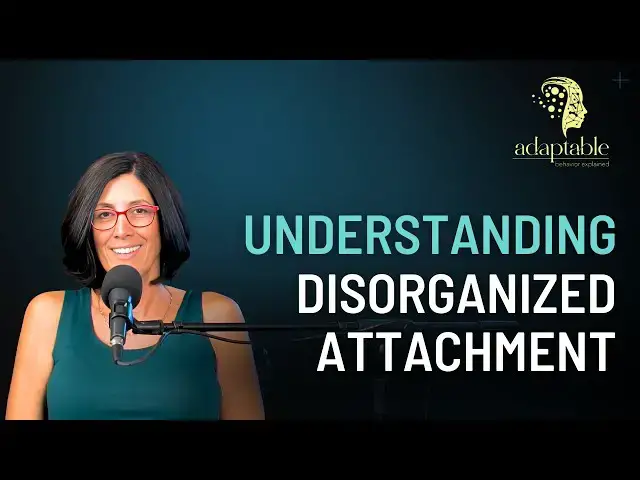
Welcome to Adaptable | Behavior Explained! This episode dives into Understanding Disorganized Attachment, what it looks like, where it comes from, and how it impacts our adult relationships. We’ll explore the push-and-pull dynamic of wanting closeness but fearing it at the same time, and how healing begins with recognizing these patterns and building safety in connection.
I'm Kelly O'Horo, Attachment based EMDR Therapist, EMDRIA Consultant, and Advanced Trainer. I'm a mom of 5, Nonna of 5, wife, and a healer. I have the honor of spending my workdays walking along side people while they brave their healing journeys. I try to live with the generous assumption that we're all doing the best we can with what we know. Therapists are teachers for the "life stuff" and "emotional vocabulary" that may not have been learned due to gaps in our care givers capabilities. In the last 15 years I've learned that people are freaking amazing, resilient, and inspiring. Most importantly, we are hardwired for connection and for healing!
I hope to bring an authentic, compassionate, and unpolished approach while we explore a variety of topics such as parenting, marriage, relationships, dating, trauma, attachment, adoption, depression, addiction, anxiety, and love! There's a why for all behaviors and an explanation that makes perfect sense as emotion is at the root of it all.
-- Links --
https://linktr.ee/kellyohorolpc
https://youtu.be/rLnARKekvgo
https://www.emdria.org/find-an-emdr-therapist/
Show More Show Less View Video Transcript
0:06
Hi everyone, I'm Kelly O'Horo and this
0:09
is Adaptable Behavior Explained.
0:12
Everybody, thank you so much for tuning
0:13
in to Adaptable. Today I'm your host,
0:16
Kelly O'Horo, and we're going to dig
0:18
into the topic of disorganized
0:20
attachment style. Today, you're
0:22
interested in the attachment series. Uh
0:25
we did an episode on avoidant last week.
0:28
The week before we did uh anxious
0:30
attachment and then prior to that we did
0:32
a secure attachment episode. If you'd
0:35
like an overview during season 1, I did
0:37
a show on just the four attachment
0:39
styles in brief. But we had some
0:40
requests for us to dig in. So here you
0:43
go. We're going to do that today. For
0:45
those of you who don't know or who are
0:46
just tuning in, I created this show
0:48
because a lot of times people behave in
0:50
ways that we can't understand. And all
0:53
behavior is adaptive in some way, shape,
0:55
or form. And so this whole show is
0:57
dedicated to helping people understand
0:59
those complex and misunderstood um
1:01
behaviors. So today we're going to
1:04
discuss disorganized attachment. If
1:06
you've ever felt torn between craving
1:09
closeness and fearing it and pushing it
1:11
away, or if relationships feel really
1:14
chaotic or confusing or usually unsafe,
1:16
then this is your episode. Or if you
1:18
love someone or know someone who is
1:20
described that way, then you're going to
1:22
want to tune in. Um, so disorganized
1:24
attachment. This is the least common of
1:27
attachment styles and it is always
1:29
rooted in trauma and it's really
1:31
described as a blend of anxious and
1:33
avoidant attachment styles. But it's
1:35
more than that. Uh, those early
1:37
experiences just like all attachment is
1:40
is uh is born. This type of attachment
1:43
style really shows up when a caregiver
1:46
was both a source of comfort and also a
1:48
source of fear or danger. And so this
1:51
this uh style is marked by like an
1:53
internal conflict. I want closeness, but
1:56
I'm afraid of it. I don't know how to
1:58
feel safe with others. And love can feel
2:00
dangerous. So people with disorganized
2:02
attachment really might crave intimacy,
2:05
but severely push others away. And so
2:07
it's very confusing, not just for you,
2:10
but for the people who care about them,
2:11
experience intense emotional swings, uh
2:14
often struggle with trust and emotion
2:16
regulation. They feel confused about
2:18
their own needs and boundaries and
2:20
they're always questioning if they're
2:22
even relevant or uh should be having
2:25
those uh feelings or needs. And so this
2:27
style often develops in environments
2:30
where trauma or neglect or fear were
2:32
present especially in those early early
2:35
years of life. How does disorganized
2:37
attachment shape relationships? Well, it
2:40
creates a really distressful push and
2:42
pull dynamic in a relationship. Whereas
2:44
the person desperately seeks connection
2:46
and then will suddenly withdraw or
2:48
sabotage it. So there's key traits that
2:50
come up with someone with disorganized
2:52
attachment. There's a deeprooted fear of
2:54
abandonment and potentially fear of
2:56
engulfment both at once. And so it's
3:00
very hard to navigate a nervous system
3:02
if this is happening to them. They're uh
3:04
difficulty regulating their own emotions
3:06
and often experience very intense highs
3:09
and very intense lows. hypervigilance is
3:12
one of the traits that will show up. So,
3:14
they're constantly scanning for danger
3:16
uh or rejection and they're they're
3:18
looking for things that will prove their
3:20
feelings uh to justify their emotional
3:23
experience. And so, um there's a lot of
3:26
confusion about boundaries. They can
3:28
either be really rigid or too porous. uh
3:31
and their self-protective behaviors like
3:33
shutting down, lashing out or oftentimes
3:36
dissociation is a character trait that
3:38
happens with disorganized attachment. So
3:41
some things that are commonly seen in
3:43
relationship patterns can look like you
3:45
know chaos, unpredictability, emotional
3:48
volatility. They can feel like emotional
3:51
roller coasters these relationships. The
3:53
other thing that happens is like an
3:54
idealization. So this is someone who
3:57
puts someone so high on a pedestal that
3:59
there's really no chance uh for them to
4:02
remain there and then it can be met with
4:04
like a catastrophic devaluation of that
4:07
person or relationship. So a person will
4:09
be seen as like perfect and no flaws and
4:12
then suddenly unsafe or dangerous or
4:15
really problematic. And so it's it's u
4:17
like a whiplash. And there's also thing
4:21
called a sabotage cycle. So just as
4:23
closeness starts to build to build in
4:26
these people, there's like a fear that
4:27
kicks in and they don't usually know
4:29
that's happening and then the person
4:30
will pull away or create a conflict to
4:33
create the distress. And so this style
4:36
often stems like I said before from
4:38
early trauma where a caregiver was
4:40
frightening or neglectful or emotionally
4:43
unstable. And so again, just like the
4:45
other attachment styles, it's rooted in
4:47
our um our caregiver experience and it's
4:50
not our fault, although it can feel like
4:52
it can it can be personal sometimes, but
4:54
it's it's really important to just
4:56
better understand what's going on. So
4:58
when we look at early uh childhood
5:00
trauma and disorganized attachment, it's
5:03
always at the roots of this uh
5:05
attachment style. And again, just like
5:07
all uh attachment formation, this
5:09
happens zero to three. Some some
5:11
theorists say five and disorganized
5:14
attachment often develops uh in
5:16
environments that are marked by
5:18
relational trauma. So this is where
5:20
someone is personally uh mean, harmful
5:23
or unsafe. The child's nervous system
5:26
becomes really disregulated because the
5:28
person they rely on for safety and love
5:30
and comfort is also a source of fear or
5:33
confusion. And so some examples of early
5:36
uh trauma that contribute to this
5:38
disorganized attachment can be abuse
5:41
both physical, emotional or sexual or
5:44
neglect. So the caregiver may have been
5:46
violent or threatening or really
5:48
unpredictable either physically or
5:50
emotionally. The neglect base of this
5:53
cannot be quite so obvious. So like
5:55
basic emotional or physical needs were
5:57
not met. Uh no comfort when someone was
5:59
distressed. Maybe they were often left
6:02
uh in soiled diapers and not paid
6:03
attention to and there was no consistent
6:06
presence from the caregiver. And so the
6:08
child then learns not just can I count
6:10
on them but I might not be worth
6:12
existing. And so it's really painful for
6:15
someone with disorganized attachment uh
6:18
to relate because it feels so scary in
6:20
relationship. oftentimes there was
6:22
exposure to domestic violence. Even if
6:24
they weren't directly harmed, they saw w
6:27
or witnessed violence between caregivers
6:29
um which creates fear or violence toward
6:32
another sibling. Uh creates a lot of
6:34
instability in the nervous system.
6:37
Another thing that can create some
6:38
disorganized attachment would be a a a
6:40
parent who is addicted to substances,
6:43
prescription drugs, uh alcohol, anything
6:47
that pulls a person out of emotional
6:49
presence and not emotionally available
6:52
or present for the child. So the
6:54
caregiver might have been just really
6:56
erratic or frightening potentially um
6:59
you know on the substance or when
7:02
withdrawing from a substance. And so
7:04
substances often times obviously create
7:06
a bit of an unstable nervous system in a
7:09
person and then our offspring become
7:11
unfortunate witnesses and experiences
7:14
experiencers of that environment.
7:16
Another thing that can create this
7:18
disorganized attachment are having a
7:21
parent with a mental illness. So severe
7:24
depression, psychosis, personality
7:26
disorders, chronic PTSD can really lead
7:30
to an inconsistent or frightening
7:32
caregiver. And so then what happens is
7:35
the child can't trust the safety of
7:37
their caregiver. Potential loss or
7:39
abandonment. So a caregiver may have
7:41
died or disappeared or have been
7:44
emotionally absent during really
7:46
critical bonding periods and
7:47
developmental times in one's life. And
7:50
so for a child, this ends up making them
7:52
feel dissociative. They have to
7:54
disconnect from their real life
7:56
experience because it's too painful.
7:58
Maybe they freeze at the onset of
8:00
distress because they're unsure whether
8:03
comfort is coming or danger is coming
8:05
and they can't count on it and their
8:06
nervous systems don't have enough
8:08
traction or runway to know the
8:09
difference. They might develop
8:11
contradictory behaviors like approaching
8:13
a caregiver and then pulling away. So
8:15
again, pushpull. I don't know what to
8:17
count on and should I or not.
8:19
Oftentimes, they feel unsafe in their
8:20
own bodies and relationships, not just
8:23
in relationships. So let me give you an
8:25
example of what this might look like. Uh
8:27
let's say a toddler is crying and they
8:29
reach for comfort from the caregiver,
8:31
but then the parent responds with anger
8:33
or withdrawal or worse, smacks them. The
8:36
child then learns like, "My feelings are
8:39
dangerous. I don't know what to expect."
8:41
And over time this creates this
8:44
fractured sense of self and others.
8:46
Trust is very difficult to manage or
8:49
understand. And so we we talked about
8:52
the fact that EMDR therapy can help to
8:54
address the early attachment wounds and
8:56
other sematic therapies like sensory
8:59
motor or sematic experiencing especially
9:02
when combined with EMDR therapy are
9:04
really the the gold standard for helping
9:07
us to reprocess those early experiences
9:10
which can allow adults to build safety
9:12
and coherence in their relationships.
9:14
But without a lot of work this
9:16
attachment style doesn't resolve on its
9:18
own. And it's it's a very hard
9:20
attachment style to overcome um because
9:22
of what we talked about just the levels
9:24
of trust are just not there in the
9:26
nervous system and it's just so much to
9:27
tolerate for a person who deals with
9:29
this. And just so you know if they are
9:32
aware of it they know it and they feel a
9:34
lot of shame about it. They don't want
9:36
to be this way but they don't know how
9:37
to trust and they don't know how to be
9:39
in their bodies with a more consistent
9:42
reliance on the fact that others could
9:44
potentially show up for them. And so
9:46
it's it's very painful for someone with
9:48
this attachment style specifically, not
9:51
just for you who cares about them, but
9:53
for them to be stuck and trapped in
9:55
these patterns. For them, it looks like
9:58
confusion, intensity, and fear. And so
10:01
they then respond or react to those
10:04
fears uh and their confusion by that
10:07
pushpull, you know, wanting the
10:08
closeness and then suddenly needing
10:10
space and pushing away. And so that's
10:12
very confusing not just for them but for
10:14
someone that they care about or for the
10:16
person that they care about. And it can
10:18
look like this emotional volatility
10:20
where this there's this intense reaction
10:22
uh to perceived rejection or perceived
10:25
abandonment when in fact that's not
10:27
happening. But their body doesn't know
10:29
the difference. And so they are off to
10:31
the races with these triggers and they
10:32
they really do believe it's true. And so
10:34
that can be really hard. Uh there's a
10:37
tremendous fear of intimacy. uh feeling
10:40
very exposed or unsure when there's an
10:42
emotional closeness. And so one of the
10:44
default uh protection patterns would be
10:46
to sabotage that connection. You know,
10:49
pick fights, withdrawing, blaming, you
10:52
know, things like I just can't be in
10:54
this relationship. We just have to be
10:55
different because of whatever their fear
10:57
is that's coming up. And then when they
10:59
don't have a choice or when their bodies
11:01
are going too fast, dissociation or
11:03
shutting down will be another default
11:05
mode of a mode of someone with
11:07
disorganized attachment. And oftentimes
11:10
numbing out during emotional moments,
11:12
whether they mean to or not, will
11:14
happen. So, for example, someone with a
11:17
disorganized attachment might feel
11:19
deeply vulnerable in a moment, like
11:21
sharing a fear, but then suddenly
11:23
feeling exposed and unsafe and then
11:25
withdrawing and saying, "Never mind, I'm
11:27
good." Um, and then it looks like cold.
11:30
It looks like distant or even worse,
11:33
sometimes they might start a conflict to
11:35
create distance because if the conflict
11:37
happens, the person is kind of taken by
11:39
surprise and then all of a sudden
11:41
they'll move away as well. the person
11:43
that was in the um in the moment. And so
11:46
it it uh subconsciously creates distance
11:48
because the connection is too scary. Um
11:51
another example that might show up for
11:53
someone in a disorganized attachment
11:55
strategy would be like during an
11:57
argument uh they might kind of swing
12:00
from pleading for that reassurance and
12:03
uh and needing it and then all of a
12:05
sudden lashing out in anger and it seems
12:07
out of nowhere out of nowhere. So
12:10
basically what's happening is that
12:12
internal message like I need you but I
12:14
don't trust you. So that's where that
12:16
pushpull comes in. And these behaviors
12:19
aren't meant to be manipulative even
12:21
though it can feel like that and can
12:23
look like that. They really are
12:25
protective in nature and they really
12:27
reflect just the nervous system that was
12:29
shaped by early chaos. And the message
12:32
that child received is don't trust. It's
12:34
dangerous. People can't be trusted. and
12:37
and then they continue that strategy.
12:40
And again, you can heal from
12:42
disorganized attachment. It's possible.
12:44
But it really takes time. It takes
12:46
current levels of safety in
12:48
relationships that that one can learn to
12:50
trust in and a lot of compassion for
12:53
self and a lot of compassion for others
12:55
and patience from others. So some things
12:58
that you can kind of have in your tool
12:59
belt for healing with disorganized
13:01
attachment is that you know building
13:04
relationships that can learn trust in
13:06
will create safety in your nervous
13:08
system. You know recognizing that some
13:10
people can be safe with emotional
13:13
expression. And if they're safe with em
13:16
emotional expression and they provide
13:17
warmth, not punishment, you can develop
13:20
new pathways and you can learn to do
13:23
something new because not everybody is
13:24
the same as what you experienced in
13:26
childhood. Um, but it takes some time to
13:28
find those people and to trust that. But
13:31
it all takes slowing down and that's
13:33
where EMDR comes in so beautifully or or
13:35
even ketamine assisted psychotherapy
13:37
really helps to slow the nervous system
13:39
down which gives you time then to notice
13:42
when that fear or that confusion arises
13:45
and gives you a moment to pause before
13:47
you react giving you an opportunity to
13:49
respond. Now that doesn't mean you're
13:51
not thinking some of the things that you
13:53
used to think but you don't necessarily
13:55
have to fall victim to to behaving in
13:58
those ways. You might be thinking,
14:00
"Don't trust these people will screw you
14:02
over." But instead, you say, "Yeah,
14:04
let's do lunch. Let's give it a shot."
14:07
So, it's like it's like being aware that
14:10
it's happening and having enough time to
14:11
make a different choice. Naming the
14:14
pattern is important. Like, I'm feeling
14:16
scared even though I want connection.
14:18
And recognizing this is that default
14:20
protection pattern. And then practicing
14:22
co-regulation, learning to calm your
14:25
nervous system with others through
14:26
breathing or touch or allowing for safe
14:30
physical presence with someone and just
14:31
being in a safe person's uh company
14:35
while practicing vulnerability which is
14:38
brave and it's healing and it takes a
14:40
lot of courage. The other thing that we
14:42
have to recognize is that we have the
14:44
ability to gain an internal locus of
14:47
control. Meaning we don't have to rely
14:49
on others for our sense of safety or or
14:52
meaning or purpose. So thinking about
14:55
like what makes you feel grounded.
14:57
Relationships do feel safe and even if
15:00
they don't currently feel safe, kind of
15:02
take an assessment. What relationships
15:04
have been consistent? where you can
15:06
build a sense of self outside of trauma
15:09
is really the key to healing. It's
15:11
recognizing that not everybody mirrors
15:13
the behaviors of your caregivers and um
15:16
trying to remain open to that
15:17
possibility. So disorganized attachment
15:20
can make life feel very cha chaotic not
15:23
just for you if you have this but also
15:25
for the people that love you and care
15:26
about you. But healing come and it
15:29
brings clarity and when you're working
15:32
towards these things start small. Have
15:34
compassion. Celebrate moments of safety.
15:37
Every time you stay present during your
15:38
discomfort, you're growing. Every time
15:40
you can show up with a vulnerable moment
15:43
and not kind of run away from it or
15:45
sabotage it, this is this is growth. And
15:48
it gives you an opportunity to reconnect
15:50
with yourself. So find small moments of
15:53
safe pleasures that remind you of your
15:55
resilience and how much you've overcome.
15:57
Because if you have disorganized
15:58
attachment, you certainly have been
15:59
through a lot. But remember, you're not
16:01
broken. These are just protective
16:03
behaviors and you're healing from
16:05
experiences that fractured your sense of
16:08
safety. But you're adaptable. We are
16:11
humans are so resilient and adaptable.
16:13
And this means you can learn. You can
16:15
learn to trust yourself. You can learn
16:17
to trust others who've earned that. And
16:19
the safety of your emotion and
16:21
relationship with others can improve
16:23
little by little. So if you have a
16:26
disorganized attachment, recognize it's
16:28
rooted in early trauma and fear. It's
16:31
protective in nature and it creates
16:33
confusion and emotional swings and
16:35
difficulty trusting. Um, and it's hard
16:38
on you and in the people that you're in
16:40
relationship with. But healing is
16:42
possible. Whatever we learn, we can
16:44
unlearn and we can develop a sense of
16:46
safety and self-awareness and and as
16:49
long as you have trauma-informed support
16:51
in your relationships, you can heal
16:53
because you aren't your trauma. It is
16:55
not your identity. It's something that
16:56
happened to you and you can overcome
16:58
that. So, I want you to think about what
17:00
does make you feel safe. Have you ever
17:02
had safety in your body when you have
17:05
those moments? Take them into take them
17:08
into resonance. And what small steps can
17:11
you take today toward connection even if
17:13
it's minor? These little moments build
17:16
new pathways in our brain and they build
17:18
trust in our brain that we can change
17:20
and we can be different. So, thank you
17:22
so much for tuning in. I know this was a
17:24
hard one for those of you who struggle
17:26
with this. Um, but if this episode
17:28
resonated with you or if you found it
17:30
helpful for yourself because you're in
17:32
relationship with someone who shows up
17:34
in this attachment strategy, please
17:37
leave us a a like or subscribe. Um,
17:39
share your comments. We really
17:41
appreciate that. And connect with me on
17:43
on social media, uh, Kelly O'Horo. And
17:46
please stay good to yourself and be
17:48
compassionate with yourself if you're
17:50
working on this. So until next time,
17:52
don't forget to lead with love. It'll
17:54
never steer you wrong.
17:57
[Music]
#Mental Health
#Family & Relationships
#Counseling Services