Up next in 10

Will The Iran War Cancel Your Summer Holiday? The Truth About the UK Jet Fuel Shortage
Jun 12, 2026

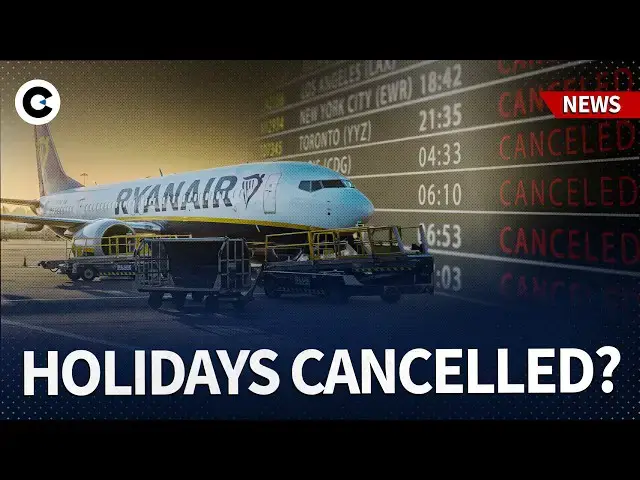
Following months of quiet warnings regarding a major Middle Eastern jet fuel shortage, British travellers are facing a stressful reality: could summer holidays actually be grounded?
We sit down with Ronan Murphy, Director at Alton Aviation, to unpack the risks facing the UK aviation market. While airlines have aggressively hedged their fuel contracts for the immediate summer window, the broader picture is far more volatile. From Goldman Sachs explicitly warning that the UK as an island nation is uniquely exposed to global energy chokepoints, to a quiet consumer shift away from traditional eastern hubs and back into an oversaturated Mediterranean market, the travel map is actively being redrawn.
Worse still, the financial pain isn't just coming from the fuel pumps. We break down why regulators are preparing to let Heathrow hike its airline fees to fund the long-delayed third runway, and why that ensures your ticket prices are about to become permanently, text-book expensive.
#UKTravel #JetFuelShortage #Heathrow #CostOfLiving #AviationNews #MiddleEastConflict #BritishInfrastructure
00:00 - Is Your Summer Holiday At Risk?
01:45 - The Hidden Risk Management Tricks of Major Airlines
03:22 - Why Goldman Sachs Warned the UK is Uniquely Exposed
04:56 - Panic Booking: Why Consumers Are Shifting to Late Flights
08:12 - Redrawing the Travel Map: The Abandonment of Dubai & Middle East Hubs
09:37 - The Second-Gen Cost of Living Crisis: Trading Down on Travel
11:54 - Will We See More Airline Liquidations This Winter?
13:27 - Fleet Efficiency: The High-Stakes Battle Between Airbus & Boeing
16:13 - Private Equity Moving In: The EasyJet Takeover Bid
17:08 - The Heathrow Nightmare: Why You Will Pay For the 3rd Runway
19:00 - Final Verdict: Can the Government Protect Consumers?
Get more of City AM 👇
🌐 http://www.cityam.com
X(formerly Twitter): http://twitter.com/CityAM
Facebook: http://www.facebook.com/cityam
Instagram: http://www.instagram.com/city_am
LinkedIn: http://www.linkedin.com/company/cityam
Show More Show Less View Video Transcript
0:00
After months of fears over a jet fuel shortage which could stop Brits from going on holiday this
0:04
summer, I'm joined by Ronan Murphy, a director at Alton Aviation, to tell me how bad is it really
0:10
Hey Felix, well first of all thanks for having me, really appreciate it, great to come in. It's obviously been a very topical subject for the last while. You know, it's very difficult and I think
0:20
the whole world became energy experts overnight and what we saw early on was definitely a concern
0:28
given the sheer size of the supply that was coming out of the Middle East
0:32
not only in just oil, but refined product. So that jet fuel that we're talking about
0:39
And there was concerns because in Europe in particular, over the last number of years, there hasn't been huge investment in refineries
0:46
So refineries closed down, highly reliant on global flows. But we've seen over the last couple of months that really that hasn't played out yet
0:55
we're not jumping to conclusions that everything's fine but for now there's been enough fuel to supply the European
1:02
market and we've had the major carriers come out and say their fuel suppliers
1:06
are securing supply certainly through the summer period so I think this risk that
1:12
you know airlines are en masse cancelling flights across Europe and the UK
1:17
that's not going to happen and so far things are moving along
1:21
that said the straits not open right we're drawing into reserves continuously how does it all ultimately play out into autumn
1:30
and winter it's difficult to say i think there's still very significant risk there but near term
1:35
look it looks like your flight's gonna go you're gonna get down to the south of spain you're gonna get to france wherever it is you're going and i don't think people need to be concerned about that
1:42
and what kind of tricks have the airlines had to pull to kind of soften the blow of this
1:46
yeah well i wouldn't say there's tricks that they're pulling you know it depends around the
1:51
world all the markets are different but we focus here on you know hometown both in the uk and say
1:56
wider europe is the airlines on their risk management were buying fuel in advance okay
2:02
they effectively had contracts in place so from the pure cost side of it they've been well protected
2:08
in europe and then it was really a question of well is the supply there you know there's weaker
2:15
parts of the world economically and often unfortunately disproportionately get impacted by these type of events
2:22
In the developed world, we can absorb slightly higher prices. The airlines can secure the supply
2:27
We can pay a little bit more. And I think that some of that has probably played out
2:31
where traffic gets redirected, right? It takes time, but ultimately it's just flows
2:36
of commodities around the world. And, you know, if you're outbidding other countries
2:41
it's going to come in. So I think there's been a national drive and a regional drive
2:45
to ensure there's no shortages, just generally of, you know, key fuels that we need
2:50
And then from the cost side, the airlines were well prepared in Europe and the UK, given that they had purchased those, you know, fuel contracts in advance
2:58
So they haven't been hit really hard on the cost base. They haven't had to cut lots of routes because they were unprofitable
3:03
And they've been able to, like, deliver the summer demand that's there or the capacity that was in place
3:09
Yeah. And one of these alarm bells that you talk about might have been that Goldman Sachs note, which said that the UK is among the most exposed areas to a jet fuel shortage
3:18
Do you agree with that? I think I'm not the expert that knows all of the flows and the, you know, inventories
3:27
Clearly, as an island nation and, you know, I'm coming from across the pond in Ireland, you're naturally more exposed, right
3:33
You're less connected from pipelines. You're always getting sort of relying on more imports
3:38
And then I think there's been less investment necessarily in, let's say, refining capacity onshore here, all of which led to that note and a concern
3:48
And I think that's still somewhat there structurally. But as we said, like we haven't seen that yet to play out
3:56
And again, you've got the whole global market and there's certain regions where capacity is down
4:01
So there's ebbs and flows of demand and supply globally right now for jet fuel
4:06
And everybody's managing it. And it's clear then from the refiner's perspective and the oil producer perspective
4:13
Whereas the margins got so high on jet fuel because the rates went so much higher than actual oil that they start to produce a bigger percentage of jet fuel because it's a more profitable product to do
4:26
So the next time a batch comes in, there's a bit more jet fuel coming out. I think all of this is happening
4:31
So there's risk still there. But some of those headlines that we saw originally just haven't yet sort of manifested, thankfully, for everybody
4:38
you know and we not facing this like real drastic situation where and if it jet fuel it probably diesel and other things and there there huge knock effects from that that hopefully don happen touch wood and certainly
4:50
haven't happened yet and we've had carriers especially some of the budget carriers like
4:55
jet2 and ryanair saying that um one trend they've noticed is people booking later
5:00
for flights during the summer um how do you think that's affecting airlines it's difficult when
5:06
people are booking later because you know one of the benefits is everybody booking well in advance
5:11
you've got a clear visibility into what the profitability might be like in the summer period
5:16
you've you've less seats to put on that maybe discounted fares closer to take off or you can
5:22
really charge the premium you know ticket fares for those few seats that are left because you've
5:28
really sold them so so what that's called the booking curve what you refer to is like how long
5:33
in advance people actually buy their seats the shorter that is the more challenging it is for
5:40
the airlines to manage their seat capacity their inventory quote-unquote as they call as they would
5:45
call it so that's something they're having to deal with and i think there has been even though it's
5:51
shorter it's also some softness in the demand backdrop a bit and fares haven't really gone that
5:56
much higher and again if you've got a lot of unsold seats it's quite risky to put out much
6:00
tire fare so that's a balance for them and even coming out since the pandemic that cycle has been
6:06
shorter and then given the concerns and all those headlines you mentioned and people saying i'm
6:11
going to book a flight and find out that i can't go and there's no jet fuel why would i spend that
6:15
money to people getting a little bit more comfortable and then we've had a couple of
6:19
weeks of rain and everybody's like get me out of here right you know i need some sun it's the
6:23
summer let's go you know so let's see how that plays out but it's definitely a bit more challenging
6:28
for them to plan when it is shorter. And as people are looking later, as you say
6:33
to kind of insulate themselves in potential cancellations and that kind of thing
6:37
do they end up being exposed to slightly higher fares if they're booking later, more so now than in previous summers
6:43
I would say in theory, yes, but not always in practice, if that makes sense
6:48
Because it just depends at the moment that you're booking them. Because if you do hold off, and in the prior couple of years
6:55
there's been a lack of supply in the global market on an aircraft and seats, it has cost you a lot
7:01
I think what we're seeing is certain markets are expensive markets where people feel very comfortable
7:08
to go and we're planning. Those fares are going up a bit
7:13
but not necessarily as much as everybody probably thought, us included, you know
7:18
when we were looking at this a couple of months ago. Premium long haul to Asia, that's skipping the Middle East
7:24
Certainly those fares are up, but, you know, intra-Europe is still a highly competitive market
7:31
And as I mentioned to you, you've got these airlines who have actually quite protected from the increase in the cost for now
7:37
And therefore, they're not really incentivized to push much higher fares. Plus the situation where people are booking
7:44
a little bit later. So there's a lot of seats unfilled. So I don't think people are getting caught yet
7:49
But again, naturally, the longer you wait to book something, it could be a little bit more
7:55
And you take that risk as a consumer. Yeah. And as you say, although the risk may have been overstated, those kind of fears around holidays being cancelled, that does really cut through
8:06
And what other kind of behaviour changes have you seen from consumers in response to those fears
8:11
Have we seen people maybe switching to more budget airlines if they think costs are going to be higher
8:16
Yeah, there's a couple of impacts. OK, there's probably two spheres to this
8:21
There's the direct impact of I was planning to go to Dubai or the Middle East with my family or I had done that before or I travel there a lot or even, you know, let's say Turkey, for example, maybe a little best impacted, maybe even northern Africa, for example, where people are just a tiny bit more concerned geopolitically about going there
8:44
Certainly in the Middle East, people are like, well, I'm not going down there. Now, summer wouldn't be high season given the heat anyway
8:50
But generally, that means a shift, a bit of a shift on where people are very comfortable to go, particularly when you're talking about bringing your family away
8:57
So your traditional markets, your Spain, your France, your Italy, there were already strong markets are going to see even more demand because people look to that and say, well, I'm happy to go there
9:08
Don't see any risk. I want my holiday. You know, it's an essential part of my life
9:12
I'm just not gonna go that little bit further. Greece as well to do well. So I expect your traditional Mediterranean markets
9:18
to be very strong performers. So that's maybe the direct impact, let's say
9:23
in terms of geographically where you comfortable going versus where you potentially were comfortable going six or eight months ago The second derivative effect is more down to well how much money have you got in your pocket Because if the cost of living generally has continued to rise
9:40
and you guys have talked about this at length, and we all feel it every single day
9:45
and then you're filling up the tank and it's more, and you're a little bit nervous about things
9:49
and electricity bills have come in, and you're thinking, maybe I haven't even thought about my gas bill because happily it's off for now
9:54
but you know it won't be too long before i'm turning it back on can i afford to go away or
10:00
if i can't afford to go away what can i afford and i think that's the second impact in the that
10:06
demand side equation where people are considering where to go and what do they have in their budget
10:11
and how can they best match that travel is really important to anybody that's plus 45 or 50 degrees
10:19
north in Europe, as we all know that. It's really, really high in our needs
10:25
And we will do a lot to make sure we get away. But there's a lot of flexibility in how much that costs
10:31
and where we can go. And people are going to work through that, I think, and potentially trade down a little bit
10:36
Yeah. And if this conflict is kind of redrawing that map of where people feel comfortable going on their holidays
10:44
could that benefit some carriers more than others who operate more in Europe, for example
10:48
and then further afield. Yeah, I think so. I think, you know, again
10:52
the retrenchment or that sort of focus on the core Mediterranean part
10:56
and like intra-Europe with UK has to benefit mostly the European carriers
11:02
and the leisure carriers within that space because they'll pick up a lot of those flows
11:07
The reluctance to go to the Middle East, and we'll see that more so
11:12
when we come into autumn and winter because that's when a lot of people would go down there
11:16
that potentially also benefits the european carriers because you know people will still
11:22
maybe want to go somewhere but they don't want to travel through the middle east they don't want to
11:26
transit through the middle east so then you're getting the direct connection from heatrow with
11:31
ba for example or virgin or you know into paris and frankfurt and so on of tons and potentially
11:37
there's a knock-on impact there for them positively yeah and of course a few weeks ago we saw um the
11:43
U.S. carrier spirit airlines go under. And a few weeks after that, Ryanair's finance chief said he wouldn't be surprised if some other weaker carriers, he said, went under towards the end of this year
11:54
Do you see that happening? Do you think there's a risk to other airlines? I mean, globally, and to go into liquidation is obviously a very major thing to happen
12:04
And actually for an airline of substance to actually stop operating is very significant
12:09
But globally, there's airlines that haven't purchased in advance the fuel, as I mentioned, or they aren't hedged
12:16
And they're in weaker economies. And just the cost that you need to charge a passenger is so significant for them
12:24
That's very difficult. So I think the longer this goes on, the more elevated fuel price, the higher the probability that we will see more restructuring
12:34
Now, if we bring this back home here to the local market, as we talk about UK, Europe, you know, the airlines are relatively well capitalized
12:41
There's a lot of cash there. It's difficult to see this tipping any airline over specifically
12:46
But it doesn't help. OK, if you weren't making much money anyway coming into this and fuel prices have gone up and you didn't have great cash balances, that's going to be a challenge
12:54
But the headline names that we all know and see, I mean, there's certainly no, in our view, near term, you know, real high level risk there at all
13:02
Globally, again, a different story. Yeah. And how else might this conflict change the way airlines operate? Is there a need for more fuel efficient aircraft? Will that be something that airlines are looking at
13:14
Yeah, I mean, I don't think it shifts, but it may shift the dynamic in the moment
13:18
What we've actually seen for the last number of years is new technology aircraft have been in production for almost 10 years now
13:27
When they came in, fuel prices were well in the $100 2013-14, okay
13:32
So the efficiency that you were saving, the cost you were saving with those aircraft was really material
13:38
Then fuel collapsed and it was down in the 50s and we've been living in a world of, I don't know, $60, $70
13:45
The marginal benefit of the fuel efficiency hasn't been as important for a while
13:50
Now, they were still moving into the newer, more efficient aircraft, but they were happy to continue operating older aircraft that they had in their fleet and extending the useful lives because it was less meaningful for them from the fuel side
14:05
And we seeing that if we stay here if we stay these levels like the shifts of again 180 where the new technology becomes even more important because every flight that taken off you burning 15 or 20 less fuel And that really really meaningful to the cost base of that airline
14:21
So I think that shift was happening anyway, regardless. You can't change it. The backlogs
14:27
from the manufacturers are so large that you can't just turn around and get those planes tomorrow
14:32
It just means those that have the newer technology in the near term, it's a bigger relative benefit
14:37
than what it was six or nine months ago. And which airlines have invested more in those kind of planes
14:44
Yeah, across all of the major carriers in Europe, there's been fleet renewal
14:50
If you look, whether it's EasyJet, Ryanair, Wizz, they all have high proportion of new technology aircraft
14:59
It varies. For example, Ryanair has Boeing aircraft and there's been the well-documented MAX issues
15:05
and groundings and on delivery. So proportionately, it's taken a little bit longer for them to get the renewal that they wanted
15:12
And Michael and the team have been out many times, you know, flagging this over the number of years that aircraft weren't coming
15:18
Whereas on the Airbus side, those newer technology were coming quicker and therefore the likes of an EasyJet or an SAS, for example, who was early to order them in Scandinavia, have a much higher proportion
15:29
With similarly are on the Airbus side and they've been taking a lot of new technology aircraft
15:34
and then you have your big legacy carriers much much bigger fleets let's call them bit more like
15:39
super tankers to try and turn around those fleets takes time i would say there they have those new
15:44
technology and they have them on order but it's taking longer for the overall like fleet to renew
15:50
if that makes sense and on easyjet it would be remiss me not to ask your thoughts on the potential
15:55
takeover deal from private equity firm castle lake which easyjet have said was opportunistic
16:00
given that their kind of share price is down on the conflict. What's your view on that potential takeover there
16:06
Look, we don't have a particular view on that specifically. But what I would say is, you know, seeing consolidation in the space
16:13
usually high fuel prices like this cause one or two things, some level of consolidation or some level of restructuring
16:21
So therefore, seeing transactions, seeing active money managers who know the space, who are savvy and smart about the space
16:29
look for opportunities that maybe weren't the traditional opportunities it doesn't surprise me
16:34
and i think we might see more of that whether it's strategics partnering with people or
16:39
financialers and strategics come together i do think we'll see some transactions in this market
16:44
over the next couple of years particularly if fuel remains elevated and um lastly as the um
16:51
heat throw and it's in its third runway as as that um rumbles on um there were reports recently that
16:58
the regulator could allow Heathrow to raise its fees on airlines. Is there a worry that, for it to fund its bid
17:05
is there a worry that this project could hit consumers and raise fees for them
17:10
I mean, inevitably, right, the magical third runway. Like, it does seem crazy that Heathrow continues to be so busy with two
17:17
you know, and it's almost inevitable that this has to happen. You go to any major U.S. airport, you're like seven runways
17:23
You know, so Heathrow is at the bounds of what it can do. the challenge in lots of lots of the developed world particularly in western europe is infrastructure
17:32
has become insanely expensive and and ultimately it's the user that pays right like because that's
17:38
as you said like of course there's that concern because the airlines will look and say okay well
17:41
if you're going to charge me this and my margin is tiny anyway like i have to pass it on right like
17:46
ultimately the consumer the consumer pays so i think that's inevitable the key thing is that
17:52
just generally these infrastructure projects start getting done quicker and more efficiently
17:58
more on time so that that extra burden isn't excessive right because these budgets blow out
18:03
and it's just ridiculous amounts of numbers and it's all getting pushed to the airlines just
18:07
getting pushed down to you phoenix you know what i mean the cost to fly at heat throw is going to cost you significantly more and and that's that's inevitable so if we can do that better it's going
18:15
to help consumers but ultimately we're the ones that are paying for infrastructure growth yeah
18:20
Yeah. And what can regulators and the government do to ease that impact on consumers of the third runway
18:27
I mean, again, I think it's quite difficult to change much except to say, you know, do it better
18:32
Right. Like either way, it's coming out of your taxes or it's coming out of direct or, you know, or the airlines can absorb a little bit more of it because profitability is up
18:40
But, you know, these things have to get paid for somehow. So it's one or the other
18:44
And maybe it's just running a process better and then effectively, hopefully supporting that with a lower fee
18:51
Well, thank you for joining me, Ronan. My pleasure. Thank you very much. Thanks
News