Up next in 10


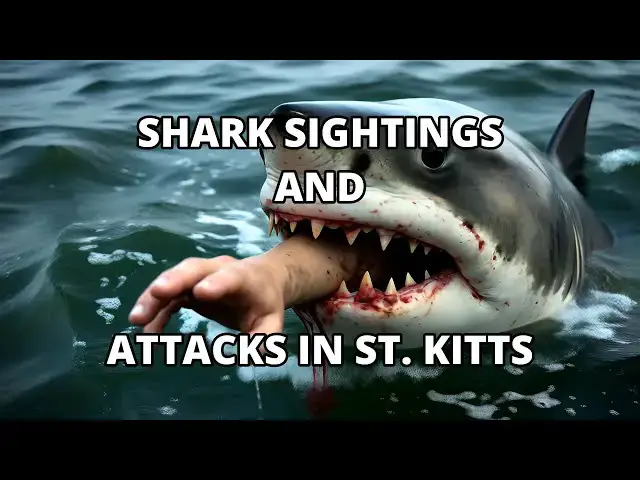
While shark attacks are rare in St. Kitts and Nevis, several incidents and sightings have been reported in recent years. Be mindful of your surroundings and the time of day.
Visit and learn more about St. Kitts and Nevis and the Caribbean: https://eat-enjoy-cruise.globaltravel.com/
Or become work from home a Travel Agent: https://gr3f.co/c/61445/er6g5
Show More Show Less View Video Transcript
0:00
Imagine you're on vacation in the
0:01
beautiful Caribbean islands of St. Kits
0:03
and Nevice. Crystal clear water, warm
0:06
sun, white sandy beaches. It's paradise.
0:09
But lurking just beneath that serene
0:10
surface is a danger that while rare is
0:12
very real. Today we read diving deep
0:15
into the recent surge of shark
0:16
encounters in this popular tourist
0:18
destination and what you need to know to
0:20
stay safe. Shark attacks in St. Kits and
0:22
Nevice are not a common headline, but
0:24
recent events have brought the issue
0:26
into sharp focus. Let's rewind to
0:29
January 9th, 2021.
0:32
26-year-old veterinary student Brooke
0:34
Tusan was enjoying a swim near Booby
0:36
Island in the channel between St. Kits
0:38
and Nevice. What started as a perfect
0:40
day in the water turned into a
0:42
nightmare. In a sudden, terrifying
0:45
moment, a tiger shark attacked, leading
0:47
to the amputation of her left leg. It
0:49
was a lifealtering event that sent shock
0:51
waves through the local community and
0:53
among visitors. But this wasn't an
0:56
isolated incident.
0:58
More recently, in September 2024, a
1:01
9-year-old boy swimming at the popular
1:02
Frigot Bay Beach in St. Kits suffered
1:05
severe arm injuries. While authorities
1:07
couldn't definitively say it was a
1:09
shark, the bite marks were consistent
1:10
with either a shark or a large
1:12
barracuda, a stark reminder of the
1:14
powerful predators that share these
1:16
waters. These attacks aren't the only
1:18
cause for concern. Shark sightings have
1:20
also been on the rise. In August 2024,
1:23
multiple sharks were seen swimming near
1:25
a restaurant in Friars's Bay. This
1:27
wasn't the first time. It was the second
1:29
sighting in that same area within a
1:31
year. Then in March 2025, witnesses
1:35
reported seeing a massive tiger shark
1:37
just below the surface off the coast of
1:39
NeAs. The increasing frequency of these
1:42
encounters is not just anecdotal. It's a
1:44
trend that has officials worried. In
1:46
response to this noticeable increase in
1:48
shark and human interactions, the St.
1:51
Kits and Nevice Department of Marine
1:53
Resources issued a serious warning. They
1:55
urged everyone using the ocean,
1:57
swimmers, divers, boers, everyone, to be
1:59
extremely cautious in their territorial
2:01
waters. This isn't about creating panic.
2:04
It's about fostering respect for the
2:06
ocean and understanding that we are
2:07
visitors in the wild habitat of these
2:09
powerful animals. So, what does this
2:11
mean for your dream Caribbean vacation?
2:14
It doesn't mean you have to cancel your
2:15
trip or stay out of the water entirely.
2:18
It just means you need to be smart,
2:20
aware, and prepared.
2:22
Let's talk about the practical steps you
2:24
can take to significantly reduce your
2:26
risk of a negative encounter. Think of
2:28
this as your essential guide to swimming
2:30
safely in shark inhabited waters. First
2:32
and foremost, their safety and numbers.
2:35
Always swim with a buddy or in a group.
2:38
Sharks are opportunistic predators, and
2:40
they are far more likely to investigate
2:42
a solitary person than a group. Sticking
2:45
together makes you a less appealing and
2:47
more intimidating target. It also means
2:50
if something does happen, help is right
2:52
there with you. Next, timing is
2:54
everything. Many shark species,
2:56
including the tiger sharks found in this
2:58
region, are most active during twilight
3:00
hours. Avoid entering the water at dawn,
3:03
dusk, or during the night. These are
3:05
their primary feeding times, and you
3:07
don't want to be on the menu. Stick to
3:10
swimming during the bright, clear
3:11
daylight hours. Your location in the
3:13
water matters, too. Stay relatively
3:16
close to the shore. Don't venture too
3:18
far out into deep water, especially by
3:20
yourself. Being close to shore means you
3:23
can get out of the water quickly if you
3:25
feel uneasy or if a warning is issued.
3:28
It also makes it much easier for
3:29
lifeguards or other people to reach you
3:31
in an emergency. Now, let's talk about
3:34
how you move. Try to swim smoothly and
3:36
calmly. Excessive splashing and frantic
3:39
movements can mimic the signals of a
3:41
struggling injured fish, which is like
3:43
ringing a dinner bell for a shark. While
3:45
it's fun to play and splash around, be
3:47
mindful of the signals you might be
3:49
sending. This next one is critical. If
3:52
you have an open cut or are bleeding
3:54
even a little, stay out of the water.
3:57
Sharks possess an incredibly acute sense
3:59
of smell, often described as their most
4:02
powerful sense. They can detect tiny
4:04
amounts of blood from a significant
4:05
distance away, and it will draw them in
4:07
to investigate the source. It's just not
4:10
worth the risk. Think about what you're
4:12
wearing. Shiny jewelry, watches, or even
4:16
high contrast swimwear can be a problem.
4:18
The glint of light reflecting off a
4:20
shiny object can look like the scales of
4:22
a fish, triggering a shark's predatory
4:24
curiosity. It's best to leave the bling
4:27
on the beach. Opt for less flashy
4:29
swimwear if you're concerned. The
4:31
condition of the water is another huge
4:33
factor. Avoid swimming in murky or dirty
4:36
water, especially near river mouths or
4:38
areas with any kind of runoff. Low
4:41
visibility is a shark's advantage, not
4:43
yours. In these conditions, a shark
4:45
can't see you clearly and might make a
4:47
mistake, biting out of curiosity in a
4:50
case of mistaken identity. Clear water
4:52
is always the safer choice. Be aware of
4:55
your surroundings and look for signs of
4:57
feeding activity. If you see people
4:59
fishing nearby or notice large schools
5:01
of bait fish, diving seabirds, or even
5:03
dolphins and porpuses, it's a good idea
5:05
to steer clear. These are all indicators
5:07
that larger predators, including sharks,
5:09
are likely in the area looking for a
5:11
meal. You don't want to be in the middle
5:13
of a feeding frenzy. And finally,
5:16
perhaps the most important tip of all,
5:18
pay attention to local warnings.
5:20
Listen to the lifeguards, local
5:22
officials, and even the residents who
5:24
know these waters best. If there have
5:26
been recent sightings, or if an area is
5:29
designated as high- risk, heed that
5:31
advice. They have the most up-to-date
5:33
information and their warnings are there
5:35
to protect you. The ocean is a wild and
5:37
wonderful place and sharks are a vital
5:40
part of its ecosystem. They are not
5:42
mindless monsters but ancient predators
5:44
that deserve our respect. By
5:46
understanding their behavior and taking
5:48
these simple common sense precautions,
5:50
we can coexist safely. We can continue
5:53
to enjoy the incredible beauty of places
5:55
like St. Kits and Nevice while
5:56
minimizing the risks. It's all about
5:59
being informed, being aware, and being
6:00
respectful of the powerful nature of the
6:02
sea. Thank you for watching. Stay safe
6:05
out there and don't forget to like and
6:07
subscribe for more content that helps
6:08
you explore our world safely and
6:10
responsibly.
News