Up next in 10


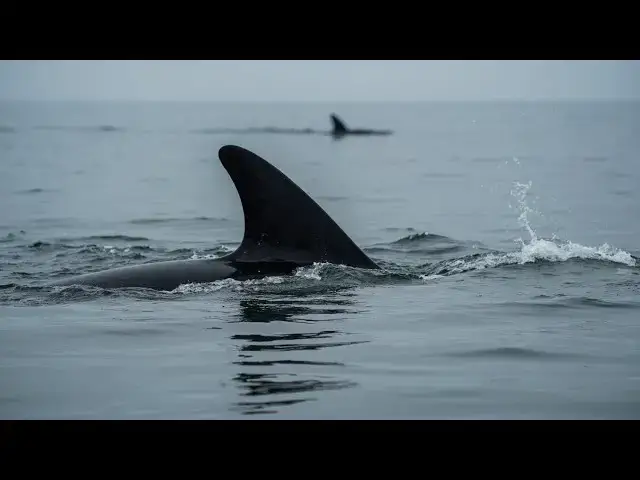
"What is your biggest fear when you step into the ocean?" For many, it’s a dorsal fin. Prevention: Managing the "Where" and "When"
Show More Show Less View Video Transcript
0:00
What is your biggest fear when you step
0:01
into the ocean? For so many of us, it's
0:04
that terrifying glimpse of a dorsal fin
0:06
slicing through the water.
0:09
Sharks. They dominate our deepest fears
0:11
about the sea. Today, we are going to
0:14
dive into the reality of shark
0:15
encounters and learn practical
0:17
sciencebacked ways to minimize risk,
0:19
handle an encounter, and if absolutely
0:21
necessary, survive an attack. First,
0:24
let's take a breath and a reality check.
0:26
Fear is natural, but the odds are
0:28
overwhelmingly in your favor. You are
0:30
significantly more likely to be struck
0:32
by lightning, fatally stung by a bee, or
0:34
injured by a vending machine than you
0:36
are to be bitten by a shark. Sharks are
0:39
not man-eaters looking for humans. The
0:42
core message here is that most bites are
0:44
cases of mistaken identity or
0:46
investigative test bites. They're trying
0:49
to figure out what you are, and that is
0:51
what we need to minimize. The best way
0:53
to prevent an attack is to manage the
0:54
where and when of your swim time. This
0:57
is the prevention phase, and it's the
0:59
most important part.
1:01
The golden rule of ocean safety is
1:03
simple. Never swim alone. Sharks are
1:07
significantly more likely to approach
1:09
solitary individuals than they are
1:10
groups. Strength and safety comes in
1:13
numbers. Next, watch the clock. Avoid
1:17
feeding times. Dawn, dusk, and nighttime
1:20
are prime hunting hours for many shark
1:22
species. Low light makes it incredibly
1:25
hard for a shark to distinguish a human
1:26
form from their natural prey, like seals
1:29
or large fish. And always watch the
1:31
water quality. Avoid murky or dirty
1:34
water, especially after heavy rain or
1:36
storms. Poor visibility is a huge risk
1:39
factor. If a shark can't see clearly, it
1:42
increases the chance of it bumping or
1:44
biting a human just to identify what it
1:46
is. You also need to identify potential
1:48
shark buffets. Stay far away from
1:51
commercial or recreational fishing
1:52
activity, peers where bait is discarded,
1:55
or areas with obvious signs of life. If
1:57
you see seals, sea lions, or large
2:00
schools of jumping bait fish, this is a
2:02
clear indication that predators are
2:04
likely nearby. Look for diving seabirds,
2:06
too. They are a primary indicator that
2:08
fish are being pushed to the surface by
2:10
predators feeding below. The rule is if
2:13
the water is thriving with food, stay
2:15
out. Now, let's talk about how you
2:17
appear in the water because it matters
2:19
more than you think. This is about
2:20
preventing yourself from looking like a
2:22
target. First, the bling factor. Avoid
2:26
wearing shiny jewelry. To a shark, the
2:28
glint of metal underwater perfectly
2:30
mimics the flash of fish scales, which
2:32
are a major food source. Leave the rings
2:34
and bracelets on the beach. Next is
2:36
contrast and color. Sharks see contrast
2:39
particularly well. Highly contrasting
2:41
swimwear, especially bright colors
2:43
combined with light skin or even uneven
2:45
tan lines, can attract unwanted
2:48
curiosity.
2:49
While there's no single safe color,
2:52
minimizing sharp contrasts can help. And
2:54
finally, manage the splash zone. Avoid
2:57
erratic excessive splashing. This mimics
3:00
the vibrations and sounds of injured or
3:02
struggling prey, essentially ringing a
3:04
dinner bell for curious sharks. Swim
3:06
smoothly and calmly. If you're playing
3:08
in the shallows, try to keep your
3:10
movements consistent. What if you do see
3:12
a shark? The first and most critical
3:14
rule is don't panic. How you react can
3:18
determine the entire outcome. If you
3:20
spot a shark, maintain eye contact.
3:23
Sharks are ambush predators. If you keep
3:25
your eyes on them and rotate your body
3:27
to face them, you demonstrate that you
3:29
are not prey. You are aware and you are
3:31
ready. Do not turn your back and swim
3:34
away quickly. This triggers a predatory
3:36
chase response. You will not outswim a
3:38
shark. Instead, initiate a slow retreat.
3:41
Move slowly and calmly toward the shore
3:43
or a boat, keeping the shark in your
3:45
sight at all times. If the shark starts
3:48
to approach you, shift into a defensive
3:50
positioning. Try to stay vertical in the
3:52
water. This reduces your horizontal
3:54
profile and makes you look less like a
3:56
seal or a large fish cruising along the
3:58
surface. Make yourself appear as large
4:01
and as awkward to bite as possible. This
4:03
is the scenario everyone dreads, but you
4:06
must be prepared for it. If a shark
4:08
actually strikes, you must be proactive.
4:10
First, fight back. Do not be passive.
4:13
You must show the shark that you are not
4:15
easy prey. Use any object you have
4:17
available. A surfboard, a camera, fins,
4:20
or even your hands and fists. As a
4:22
weapon, where should you aim? Target
4:25
sensitive areas. Aim for the nose, the
4:27
eyes, or the gill openings. These are a
4:30
shark's most vulnerable and sensitive
4:32
spots.
4:33
Studies have shown that a strong hit to
4:34
these areas is often enough to deter the
4:36
shark and cause it to release. The
4:38
moment the shark releases, your goal is
4:40
simple. Exit the water immediately. Most
4:44
sharks will not return for a second
4:45
strike once they realize you are not
4:47
their natural food and you be fought
4:49
back aggressively. But you need to get
4:51
out as quickly and calmly as possible
4:53
and seek medical attention right away,
4:55
even if the injury seems minor. To wrap
4:58
this up, remember that the ocean is the
5:00
shark's home, not ours. They operate on
5:03
instinct. By using common sense,
5:05
swimming in groups, avoiding low light
5:08
hours, staying away from bait fish, and
5:10
minimizing visual attractants, you can
5:13
drastically reduce your risk while still
5:15
enjoying the water. Your final
5:16
actionable step every time you go to the
5:19
beach is to always check with local
5:20
lifeguards and heed the beach flags. A
5:23
purple or blue flag often indicates that
5:25
dangerous marine life has been spotted.
5:27
Heeding those warnings is the easiest
5:29
defense. The goal here isn't to be
5:32
afraid of the ocean, but to be aware of
5:33
it. Stay safe out there, be smart, and
5:36
thanks for watching. Don't forget to
5:38
subscribe for more essential safety
5:39
tips.
Travel & Transportation