Up next in 10


AUTOPSIES THEN AND NOW. The first considered pathologists were butchers and cooks, who dissected and inspected animal organs to determine if they were fit for human consumption.
Show More Show Less View Video Transcript
0:00
Welcome to Little Known Facts about
0:01
human [music] autopsies. An autopsy or
0:04
post-mortem examination is a surgical
0:06
procedure involving the thorough
0:08
dissection [music] of a corpse to
0:09
determine the exact cause of death. The
0:12
term autopsy derives from the ancient
0:14
Greek word autopsia, meaning [music] to
0:16
see for oneself. It combines, meaning
0:19
oneself, and opsis, [music] which refers
0:20
to sight or a visual view. While
0:23
autopsia originated in ancient [music]
0:24
Greek, the word has been in use since
0:27
around the 17th century. It remains a
0:29
standard medical term used in clinical
0:32
and forensic medicine today. The
0:34
procedure is also called a post-mortem,
0:36
an abduction [music] or autopsy
0:38
cadaavver. The term necropsy is derived
0:40
from the Greek words necros meaning dead
0:42
and opsis referring to the visual site.
0:45
While human examinations are termed
0:47
autopsies, [music] the word necropsy is
0:49
generally reserved for non-human animal
0:52
examinations. Both processes involve a
0:54
surgical dissection to evaluate the
0:56
internal [music] structures of the body.
0:58
A specialized medical doctor called a
1:01
pathologist performs the procedure. In
1:03
forensic [music] cases, the medical
1:05
examiner is typically a forensic
1:07
pathologist who is employed directly by
1:09
the local government authority. There
1:11
are two primary types of autopsies,
1:14
clinical and [music] forensic. Clinical
1:16
autopsies are usually requested by
1:18
families or health care providers to
1:20
understand natural deaths caused by
1:22
illnesses or medical conditions.
1:24
Forensic autopsies are ordered by law
1:26
enforcement, [music]
1:27
coroners, or judges. These
1:29
investigations are mandatory when a
1:31
death is considered suspicious, sudden,
1:33
[music] or potentially involves criminal
1:35
activity or violent trauma. Clinical
1:38
autopsies [music]
1:39
help physicians investigate natural
1:41
diseases and confirm diagnoses that were
1:43
made before death. They provide valuable
1:46
data for [music] medical research,
1:48
education, and public health tracking
1:50
efforts today. A natural death occurs
1:52
when internal [music] factors cause the
1:54
body to shut down. Common examples
1:57
include heart attacks, infectious
1:58
[music] diseases, or terminal illnesses
2:00
like cancer without any external trauma
2:03
involved. The principal aim of an
2:05
autopsy is to determine the cause, mode,
2:08
and manner [music] of death. It also
2:09
assesses the person's overall health
2:11
state prior to their unexpected passing.
2:14
Manner of death is a critical
2:16
classification. It defines whether the
2:18
death was natural, suicide or homicide.
2:21
This distinction is essential for legal,
2:23
insurance, and public health reporting
2:25
requirements. The mechanism [music] of
2:27
death describes the specific
2:29
physiological process that caused the
2:31
person to pass. Examples include severe
2:33
blood loss, poisoning, or [music]
2:35
strangulation, often tied to the
2:37
underlying cause. Ideally, autopsies
2:40
occur as soon as possible. After about
2:42
24 hours, organs and tissues begin
2:45
[music] to deteriorate, which can make
2:46
performing certain diagnostic tests much
2:49
more difficult for the pathologist.
2:51
Although timing [music] is critical for
2:53
accuracy, forensic pathologists can
2:55
still perform successful examinations
2:57
[music] on decomposed or exumed bodies,
3:00
providing essential information even
3:01
long after the individual has [music]
3:03
passed away. Forensic autopsies are
3:06
often extremely thorough, examining
3:08
[music] every single part of the body.
3:10
They typically incorporate additional
3:12
evidence such as crime scene information
3:15
and [music] comprehensive toxicology
3:16
screenings for chemical substances.
3:19
The process begins with an external
3:21
examination. The pathologist inspects
3:24
the entire body, documenting
3:26
observations, taking photographs, and
3:28
collecting any external evidence before
3:30
beginning any internal surgical
3:32
incisions or [music] procedures. During
3:34
the external phase, the medical examiner
3:36
checks for any marks, [music]
3:38
bruises, or wounds. Proper documentation
3:41
of these findings is critical for legal
3:43
records [music] and potential future
3:44
court proceedings. Following the
3:46
external exam, [music] the internal
3:48
phase begins. Pathologists use
3:51
established surgical protocols to open
3:53
the body, which allow them to
3:54
systematically examine each of the
3:56
[music] internal organs and structures.
3:58
One common method for the internal
4:00
examination is the Y incision. This
4:02
technique provides [music] the
4:04
pathologist with full access to the
4:06
chest and abdomen for a thorough, clean,
4:08
[music] and organized examination.
4:10
The process includes evisceration where
4:13
organs are carefully removed for closer
4:15
inspection. Each organ is weighed,
4:17
measured, and examined [music] for any
4:19
signs of disease, trauma, or abnormal
4:21
anatomical development. Pathologists
4:24
take small [music] samples of tissue
4:25
from different organs. These samples are
4:28
preserved and analyzed using
4:30
hisystologology which involves looking
4:32
at the cells under a high-powered
4:33
medical microscope. Hisytology is
4:36
essential for identifying diseases that
4:38
are not visible to the naked eye. It
4:40
helps confirm diagnoses of infections,
4:43
cancers, or other cellular level changes
4:45
[music] that occurred in the body. In
4:47
some cases, samples are sent for
4:49
microbiology testing. This identifies
4:52
any presence [music] of bacteria or
4:54
viruses that might have contributed to
4:55
the death, helping clarify the
4:57
underlying medical issues. While
4:59
forensic autopsies are comprehensive,
5:01
[music]
5:02
clinical autopsies may sometimes only
5:04
investigate specific parts of the body
5:06
if the family or health care provider
5:08
[music] has requested limited focus on
5:10
particular conditions. Following the
5:13
examination, [music] the pathologist
5:14
writes a detailed autopsy report. This
5:17
document acts as the official [music]
5:19
summary of findings, providing critical
5:21
information for families, legal
5:23
proceedings, and medical providers. The
5:26
autopsy report is vital in court cases.
5:28
It provides objective scientific
5:30
evidence [music] that can confirm or
5:32
refute theories about how an individual
5:34
died, ensuring truth prevails in legal
5:36
investigations.
5:38
For families, [music] an autopsy often
5:40
provides closure by confirming the exact
5:42
cause of death. It answers painful
5:44
questions and helps [music] families
5:46
understand what occurred during their
5:48
loved ones final moments.
5:50
Autopsies are also important for [music]
5:52
medical education. They allow doctors
5:54
and students to observe the effects of
5:56
diseases [music] firsthand, improving
5:58
medical practice, surgical skills, and
6:00
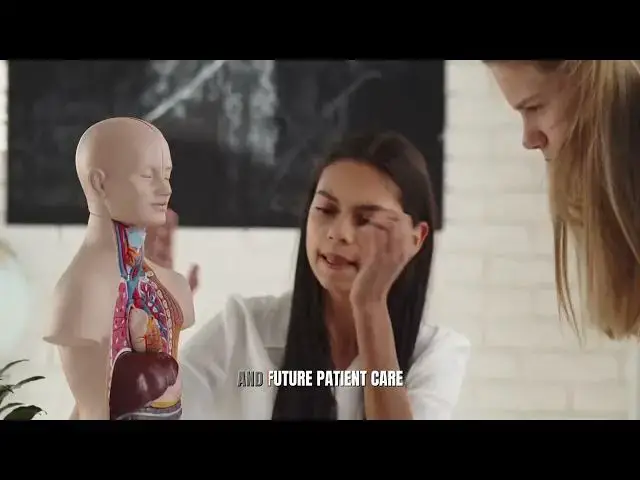
future patient care standards. By
6:03
revealing underlying diseases, autopsies
6:06
help public health officials track
6:07
trends. This information is crucial
6:10
[music] for identifying new viruses or
6:12
health patterns, ultimately protecting
6:14
the broader community [music] from
6:15
future threats. In most western
6:18
countries, the number of autopsies
6:19
performed in hospitals has been
6:21
decreasing [music] every year since
6:23
1955.
6:24
This trend has complex implications for
6:26
medical education and research [music]
6:28
data gathering. Some examinations now
6:31
use advanced medical imaging rather than
6:33
traditional surgical dissection.
6:35
Technologies like CT scans or MRIs
6:38
provide non-invasive views. Although
6:40
they are not a total replacement for
6:42
autopsies, medical imaging can help
6:44
>> [music]
6:44
>> identify fractures, tumors, or foreign
6:46
objects without any incisions. While
6:49
useful, [music] it lacks the tactile
6:50
depth of a physical examination for
6:52
complex organ system disease diagnosis.
6:55
Pathology is a vast branch of medicine
6:58
involving the examination of body
6:59
tissues. It encompasses various subsp
7:02
specialties including neuropathology,
7:04
forensic pathology, [music] and
7:06
hematopathology. Each focusing on
7:08
different body systems and needs. A
7:11
pathologist [music] underos rigorous
7:12
training to perform autopsies
7:14
accurately. Their expertise allows them
7:17
to connect [music] subtle clinical
7:18
observations with their findings,
7:20
building a complete picture of the cause
7:22
of death. An autopsy [music] is always
7:25
performed with the utmost dignity and
7:27
respect for the deceased person. Medical
7:30
protocols ensure that the body is
7:31
handled [music] with professional care
7:33
throughout the entire surgical process.
7:36
The fundamental [music] process follows
7:38
a wellestablished medical protocol
7:40
designed to be thorough. The procedure
7:42
typically begins with [music] the
7:44
general and then gradually ends with the
7:46
specific internal organ analysis steps.
7:49
Specific autopsy procedures vary by
7:51
jurisdiction [music] and the individual
7:53
provider. However, the goal remains
7:55
consistent to provide an accurate,
7:57
reliable, and scientifically [music]
7:59
sound medical explanation regarding the
8:01
death for all stakeholders. Private
8:04
autopsies can be requested by the next
8:06
of kin if they wish to understand the
8:08
cause of death more clearly. These are
8:10
performed by private pathology services
8:12
in [music] many regions. While public
8:15
forensic autopsies are mandated by legal
8:17
necessity, private clinical autopsies
8:20
offer families peace [music] of mind.
8:22
Both undergo rigorous ethical and
8:24
medical standards, ensuring the same
8:25
quality of diagnostic care. Pathologists
8:28
always use protective gear during an
8:30
autopsy. This includes [music] gloves,
8:33
lab coats, and eye protection, which are
8:35
essential for maintaining a sterile
8:37
environment [music] and ensuring the
8:38
safety of all staff. The laboratory
8:41
environment is designed [music] for
8:42
maximum cleanliness. Surfaces are
8:45
non-porous and easy to sanitize, and air
8:48
systems are designed to keep the
8:49
environment free [music] from
8:50
contaminants throughout the entire
8:52
procedure. Modern autopsies rely heavily
8:55
on digital [music] technology.
8:57
Pathologists record findings into
8:59
sophisticated electronic [music] medical
9:00
record systems, ensuring that data is
9:02
accessible, organized, and secure for
9:05
legal and historical review purposes.
9:08
Pathologists often [music] collaborate
9:09
with toxicologists, radiologists, and
9:12
law enforcement. This multiddisciplinary
9:15
approach ensures that all pieces of
9:17
evidence are gathered and analyzed by
9:19
the appropriate subject matter experts
9:21
in depth. Forensic autopsies can help
9:24
discern an identity when it is otherwise
9:26
unknown. By analyzing physical [music]
9:28
characteristics and dental records,
9:30
pathologists contribute significantly to
9:32
missing persons investigations and
9:34
unresolved identification cases.
9:37
Uncovering medical and legal truths is a
9:39
fundamental objective. [music] An
9:41
autopsy doesn't just reveal the end of a
9:43
life. It clarifies the circumstances,
9:45
health status, and medical history of
9:47
that [music] individual. Correctly
9:50
classifying the manner of death requires
9:52
careful analysis. Pathologists consider
9:54
[music] all surrounding evidence before
9:56
making a final determination, which
9:59
carries significant weight in legal,
10:00
[music]
10:01
criminal, and insurance related matters
10:03
globally. Every autopsy contributes to
10:05
[music] a broader understanding of
10:07
disease processes. By archiving data
10:10
from clinical cases, medical
10:12
institutions build [music] massive
10:13
databases that fuel future research and
10:15
scientific progress in medicine.
10:18
Families are encouraged to [music] speak
10:19
with providers if they are considering
10:21
requesting a private examination.
10:24
Understanding what the autopsy will
10:26
reveal helps [music] families feel more
10:28
informed and prepared for findings. The
10:31
finished autopsy report is a thorough,
10:33
detailed document. It explains all
10:35
clinical findings, test results, [music]
10:37
and final medical conclusions in a way
10:39
that is legally and professionally sound
10:41
for stakeholders. Precision is the
10:44
hallmark [music] of the pathologist's
10:45
work. Every incision, measurement, and
10:48
tissue sample is documented with
10:50
absolute care, ensuring the scientific
10:52
integrity of the entire [music]
10:54
post-mortem examination process
10:55
throughout. Autopsies often reveal
10:58
conditions that [music] were not
10:59
diagnosed before death. This feedback
11:02
loop is essential for doctors to improve
11:04
their diagnostic accuracy, surgical
11:06
decision-making, and [music] overall
11:08
patient safety. In practice, the ethical
11:10
duty of the pathologist extends to both
11:13
the deceased and their [music] surviving
11:14
family. Each step of the process is
11:17
handled with empathy, scientific rigor,
11:19
and deep [music] professional integrity.
11:21
Forensic labs are high security
11:23
facilities. Access [music] is strictly
11:25
controlled, ensuring the integrity of
11:28
all evidence and records processed
11:29
[music] for criminal, civil or public
11:31
health purposes throughout the entire
11:33
facility structure. Scientific standards
11:36
in pathology ensure that results are
11:38
repeatable and reliable. Every lab
11:41
procedure from the autopsy itself to the
11:43
final hisystologology report must meet
11:45
strict regulatory and professional
11:47
medical benchmarks. Autopsies have a
11:50
global medical [music] impact that far
11:51
exceeds the individual case. By
11:54
systematically cataloging findings,
11:56
science [music] continues to evolve,
11:58
reducing errors and saving lives in
12:00
clinical hospital practice everywhere.
12:02
The daily life of a forensic pathologist
12:04
is a [music] blend of scientific
12:06
analysis, legal documentation and
12:08
teaching. It is a critical role that
12:10
[music] connects medicine with justice
12:11
and truth. Daily science is always
12:14
moving forward and [music] pathologists
12:16
are lifelong learners. They stay up to
12:18
date with the newest imaging,
12:20
hisytologology, [music] and forensic
12:22
techniques to ensure the most accurate
12:24
diagnostics for every single case.
12:26
Understanding what an autopsy actually
12:28
[music] is demystifies the procedure. It
12:31
is a compassionate and vital scientific
12:33
step that honors the deceased while
12:35
uncovering essential medical [music] and
12:37
legal truths for everyone. Ultimately,
12:40
the autopsy remains one of medicine's
12:42
[music] most important tools. It
12:44
provides clarity to families and
12:46
essential data to the medical and legal
12:48
fields, proving its continued relevance
12:50
today. Thank you for watching this
12:52
introduction. If you are curious about
12:55
deeper insights, follow our [music]
12:57
channel for more episodes of littleknown
12:59
facts about human autopsies coming to
13:01
your screen.
Health Conditions
Science