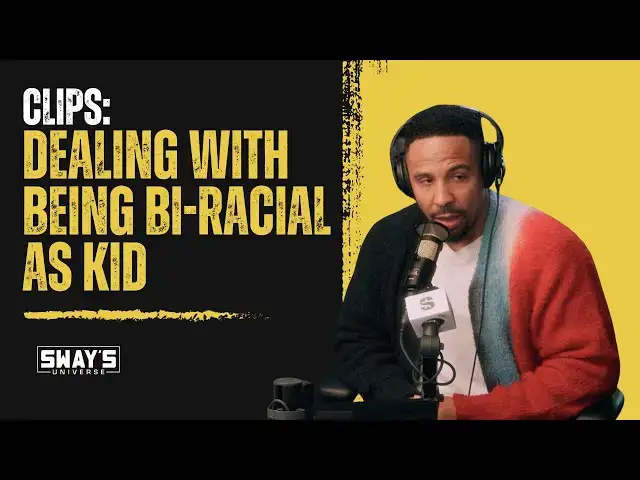

Facing Down Prejudice: Andre Ward on Being Bi-Racial | SWAY’S UNIVERSE
Jan 3, 2024

Subscribe to Sway’s Universe for more exclusive interviews and compelling content that you won't find anywhere else!
****Members Only****
Full Interview Exclusive: https://youtu.be/_LOm1IAS2kc
Andre Ward steps into the spotlight on Sway In The Morning to share a deeply personal narrative that transcends the ring. In this revelatory conversation, Ward unveils the struggles of growing up amidst his father's fury, the complexities of racism, and the resilience required to become a champion. His story is one of triumph over adversity, shaped by the streets of Oakland, the teachings of his father, and the challenges of navigating a biracial identity during tumultuous times.
Witness how Ward's indomitable spirit was fortified by his family's love and his father's unexpected acts of kindness, juxtaposed with a temper that could ignite at a moment's notice. From being knocked down to rising up with a smile, #AndreWard demonstrates the power of legacy and the fight within.
Stay locked in for this raw and uncensored dive into race, identity, and the strength to confront one’s demons. Follow Sway’s Universe on all social media platforms and visit our website for more groundbreaking content that pushes boundaries and sparks conversations. Don't miss out on this unprecedented insight into the life of a legend – right here on Sway's Universe, where the pulse of hip-hop and social change beats unceasingly. #SwaysUniverse #ExclusiveInterview
CHAPTERS:
0:00 - Andre Ward Oakland Influence
0:58 - Duke Ward Temper Impact
2:05 - Andre Ward Biracial Challenges Growing Up
Subscribe Here! http://bit.ly/SubscribeSU
Watch the Best of Sway In The Morning! http://bit.ly/BestOfSITM
Check out More From Sway’s Universe
http://swaysuniverse.com
http://twitter.com/swaysuniverse
http://instagram.com/swaysuniverse
http://facebook.com/swaysuniverse
#AndreWard #DukeWard #SwaysUniverse #SwayInTheMorning #SiriusXM #Shade45
About SWAY’s UNIVERSE
Exclusive interviews from Sway Calloway and the Sway In The Morning/ SwaysUniverse.com team with some of today's biggest celebrities, like Kevin Hart, Kanye West, Eminem, Usher, Jessica Alba, Steve Aoki, Torey Lanez, Julia Stiles and so much more.
Facing Down Prejudice: Andre Ward on Being Bi-Racial | SWAY’S UNIVERSE
https://youtu.be/4pWNn9dium8
Sway’s Universe
https://www.youtube.com/UCuS96jkLKpTaGB_OWnwZV_A
Show More Show Less