Up next in 10



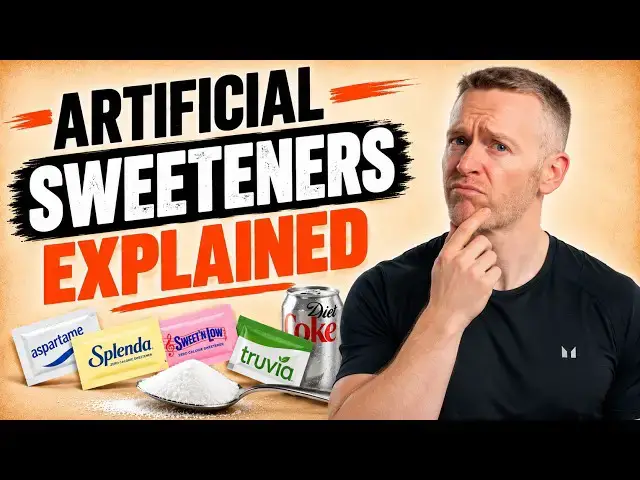
Artificial sweeteners explained. Are artificial sweeteners safe, do they cause weight gain, and are they actually better than sugar?
Learn how sweeteners work, why they're used in low-calorie foods and drinks, and what the research says about their impact on your health.
In this video, expert nutritionist Dr Richie Kirwan breaks down artificial and low-calorie sweeteners, including common ingredients such as aspartame and sucralose, and explains whether you really need to avoid them.
Key Facts:
Artificial and low-calorie sweeteners provide sweetness with little or no energy compared with sugar.
Common sweeteners include aspartame, sucralose, saccharin and acesulfame K.
Approved sweeteners are assessed by food safety authorities and have acceptable daily intake levels.
Replacing sugar-sweetened foods and drinks with lower-calorie alternatives can help reduce overall calorie and sugar intake.
Artificial sweeteners don't automatically cause weight gain. Your overall calorie intake remains a major factor in changes to body weight.
Research into areas such as the gut microbiome continues, but this doesn't mean approved sweeteners are unsafe at typical dietary intakes.
FAQ:
Q: Are artificial sweeteners safe?
A: Approved sweeteners have undergone safety assessments and are considered safe when consumed within established acceptable daily intake levels.
Q: Are artificial sweeteners better than sugar?
A: It depends on the goal. If replacing sugar with a low-calorie sweetener reduces your calorie or added-sugar intake, it can be a useful tool.
Q: Do artificial sweeteners cause weight gain?
A: Artificial sweeteners themselves don't automatically make you gain weight. When they replace higher-calorie sugar without those calories being replaced elsewhere, they can help reduce overall energy intake.
Q: Is aspartame bad for you?
A: Aspartame has been extensively studied and is approved for use within established intake limits. People with phenylketonuria (PKU), however, need to avoid or restrict phenylalanine from aspartame.
Q: Should you avoid artificial sweeteners?
A: Most people don't need to completely avoid approved sweeteners. Whether you choose to consume them comes down to your diet, preferences and individual needs.
#myprotein #wheyprotein #protein #nutrition
*********************************
Myprotein is Rated Excellent on Trustpilot
🔔 Subscribe to our channel: https://www.youtube.com/user/MyproteinUK?sub_confirmation=1
📲 Download the Myprotein app: https://myprotein.onelink.me/IYeO/o2erh9hb
The UK & Europe's Number 1 Online Sports Nutrition Brand, Myprotein.
Show More Show Less View Video Transcript
0:00
في العامين الماضيين،
0:01
رُبطت المُحليات
0:02
الصناعية بالسرطان
0:03
والنوبات القلبية،
0:04
ويقول البعض إنها قد
0:05
لا تساعد حتى في إنقاص
0:07
الوزن على الإطلاق.
0:08
إذًا، هل ثبت أخيرًا
0:09
أنها خطيرة؟ دعونا
0:11
نتحدث عن ذلك. كيف
0:15
حالكم يا رفاق؟ اسمي
0:16
ريتشي كيروان. أنا
0:18
أخصائي تغذية مسجل،
0:19
وباحث، ومحاضر جامعي
0:20
في التغذية
0:21
وفسيولوجيا التمارين.
0:23
الآن، إذا لم تشاهدوا
0:24
فيديوهاتي الأخرى عن
0:25
المحليات الصناعية
0:26
بعد، فتذكروا
0:27
مشاهدتها لاحقًا. منذ
0:29
إعداد ذلك الفيديو،
0:30
أثير الكثير من الجدل
0:31
حول المحليات
0:32
الصناعية. وفي هذا
0:34
الفيديو، أريد
0:35
مساعدتكم في فهم الأمر
0:37
. بعض تلك العناوين
0:38
تستند إلى علم جديد
0:40
يستحق المعرفة حقًا.
0:41
والبعض الآخر مبني على
0:43
سوء فهم لما تظهره
0:44
الأبحاث فعليًا.
0:46
وبعضها يجمع بين
0:47
الأمرين معًا، وهو أمر
0:49
مثير دائمًا. لكن قبل
0:50
أن نخوض في أي من ذلك،
0:52
يجدر بنا توضيح سبب
0:53
رغبة الناس في استخدام
0:55
المحليات في المقام
0:56
الأول، لأن هذا مهم
0:57
لكيفية تقييمنا. لها.
0:59
المشكلة الأساسية
1:00
التي يحاولون حلها هي
1:02
هذه. البشر يحبون
1:03
الطعام الحلو. وهذا
1:04
جزء من بيولوجيتنا.
1:06
المذاق الحلو يشير إلى
1:08
وجود طاقة للدماغ.
1:09
ولمعظم التاريخ
1:10
البشري، كانت تلك
1:11
إشارة مفيدة جدًا يجب
1:13
اتباعها. المشكلة هي
1:14
أن شركات الأغذية
1:15
اكتشفت هذا منذ وقت
1:17
طويل. والآن تظهر
1:18
السكريات المضافة في
1:19
كل شيء تقريبًا. ليس
1:20
لأنها ضرورية، بل
1:22
لأنها تجعل مذاق
1:23
الطعام أفضل وتسهل
1:24
الإفراط في تناوله.
1:25
الآن، الإفراط في
1:26
الأكل هو المشكلة
1:27
الجوهرية هنا. السكر
1:29
في حد ذاته ليس نوعًا
1:30
من السموم. لكنه لذيذ
1:32
ويجعلنا نتناول
1:33
الكثير من الطعام الذي
1:34
لم يكن ليحظى بشعبية
1:35
كبيرة بدون السكر. مثل
1:37
الآيس كريم
1:38
والشوكولاتة والكعك
1:39
والبسكويت. يمكن أن
1:40
يؤدي ذلك حقًا إلى
1:41
زيادة مدخولك من
1:42
السعرات الحرارية على
1:43
المدى الطويل. لذا، مع
1:44
مرور الوقت، يصبح
1:45
اكتساب الوزن أكثر
1:46
احتمالية، مما يجلب
1:47
معه مجموعة كاملة من
1:48
المشاكل الصحية من مرض
1:49
السكري من النوع
1:50
الثاني إلى أمراض
1:51
القلب والأوعية
1:52
الدموية. إذًا، الفكرة
1:54
وراء المحليات بسيطة
1:55
حقًا. إذا كان بإمكانك
1:57
منح الطعام ذلك المذاق
1:58
الحلو الذي ينجذب إليه
1:59
الناس دون إضافة أي
2:00
سعرات حرارية، فقد
2:01
تساعد الناس على تناول
2:02
كميات أقل بشكل عام
2:03
دون أن يجعلوا مذاق
2:04
الطعام كالورق المقوى.
2:05
وهذا يبدو رائعًا،
2:07
أليس كذلك؟ كما سنرى،
2:08
فإن الأدلة حول ما إذا
2:09
كان الأمر ينجح فعليًا
2:11
أكثر إثارة للاهتمام
2:12
مما قد تكون سمعت. إذًا
2:13
، إذا كانت المحليات
2:14
قادرة على المساعدة في
2:16
إنقاص الوزن، فلماذا
2:17
خرجت منظمة الصحة
2:18
العالمية في عام 2023
2:19
وأخبرت الناس بعدم
2:20
استخدامها للتحكم في
2:22
الوزن؟ هذا سؤال عادل
2:23
جدًا، لذا يستحق
2:25
التعمق فيه بشكل صحيح
2:26
لأن الإجابة تقول
2:28
الكثير عن كيفية عمل
2:29
علم التغذية في الواقع
2:31
. نظرت منظمة الصحة
2:32
العالمية إلى الأبحاث
2:34
الحالية وقسمتها إلى
2:35
فئتين. كانت الفئة
2:37
الأولى عبارة عن تجارب
2:38
عشوائية مضبوطة قصيرة
2:40
المدى، وهي المعيار
2:41
الذهبي لاختبار السبب
2:42
والنتيجة. أظهرت تلك
2:43
التجارب أنه عندما
2:44
يستبدل الناس السكر
2:45
بالمحليات، فإنهم
2:46
يميلون إلى تناول
2:47
سعرات حرارية أقل
2:48
والحصول على وزن جسم
2:49
أقل. أخبار سارة
2:50
للمحليات حتى الآن.
2:51
كانت الفئة الثانية هي
2:53
الدراسات الرصدية حيث
2:54
يكتفي الباحثون بتتبع
2:55
ما يأكله الناس وما
2:56
يحدث لهم على مر
2:57
السنين. وفي تلك الفئة
2:59
، ارتبط استخدام
3:00
المحليات بارتفاع
3:01
مؤشر كتلة الجسم،
3:02
وزيادة الإصابة
3:03
بالسكري من النوع
3:04
الثاني، والمزيد من
3:05
أمراض القلب والأوعية
3:07
الدموية. إذن، لديك
3:08
نوعان من الأدلة
3:09
يشيران إلى اتجاهات
3:11
مختلفة. وقد اعتمدت
3:12
توصية منظمة الصحة
3:13
العالمية بشكل كبير
3:14
على الفئة الثانية.
3:15
إذن، إليك المشكلة في
3:17
ذلك. لا يمكن للدراسات
3:19
الرصدية أن تخبرك بما
3:21
يسبب ماذا. الأشخاص
3:22
الذين يعانون بالفعل
3:23
من مشاكل في وزنهم هم
3:24
أكثر عرضة للجوء إلى
3:25
المشروبات المخصصة
3:26
للرجيم في المقام
3:27
الأول. هذا لا يعني أن
3:29
التحلية هي التي تسبب
3:30
زيادة الوزن. ما تراه
3:32
هو شخص يحاول إدارة
3:33
زيادة في الوزن موجودة
3:35
بالفعل. يسمى هذا
3:36
بالسببية العكسية،
3:38
وهي واحدة من أكبر
3:39
الفخاخ في أبحاث
3:40
التغذية. وقد تحدث
3:41
الكثير من الباحثين
3:43
علنًا عن المشاكل
3:44
المتعلقة ببيان منظمة
3:45
الصحة العالمية. والآن
3:47
لدينا في الواقع أدلة
3:48
تجارب عشوائية أحدث
3:49
تدعم هذا الرأي. أظهر
3:51
تحليل تلوي عام 2024
3:52
يجمع بيانات من تجارب
3:54
عشوائية مضبوطة
3:55
متعددة أن استبدال
3:56
السكر بالمحليات يقلل
3:58
إجمالي السعرات
3:59
الحرارية اليومية
4:00
بمقدار 175 سعرة حرارية
4:02
تقريبًا في اليوم. على
4:03
مدار عام، يعد هذا
4:04
تأثيرًا ذا مغزى كبير
4:06
في توازن الطاقة لدى
4:07
الشخص. لذا، نأمل أن
4:08
يزيل ذلك بعض الارتباك
4:10
حول بيان منظمة الصحة
4:11
العالمية المثير
4:12
للجدل بشأن المحليات.
4:13
والآن، لننتقل إلى
4:14
النقطة التالية. هناك
4:16
حجة أخرى حول المحليات
4:17
يتم تداولها كثيرًا.
4:19
حتى لو لم تكن
4:20
المحليات تحتوي على
4:21
سعرات حرارية بحد
4:22
ذاتها، فربما تزيد في
4:23
الواقع من شغفك
4:23
بالحلويات، وربما
4:24
يؤدي تدريب براعم
4:25
التذوق لديك على توقع
4:26
الحلاوة طوال الوقت
4:27
إلى جعلك تشتهي المزيد
4:29
من الطعام الحلو بشكل
4:30
عام، سواء كانت هناك
4:31
محليات أم لا. وهكذا،
4:32
ينتهي بك الأمر بتناول
4:33
المزيد من الحلويات
4:34
وإلغاء أي فائدة على
4:35
أي حال. يُطلق على هذا
4:37
أحيانًا فرضية "الشغف
4:38
بالحلويات"، وهي في
4:39
الواقع جزء صغير من
4:40
المنطق الكامن وراء
4:41
نصيحة منظمة الصحة
4:42
العالمية التي تحدثنا
4:43
عنها للتو. الفكرة هي
4:45
أنه لا يهم من أين تأتي
4:46
الحلاوة، سواء من
4:47
السكر أو المحليات أو
4:49
حتى الفاكهة. إذا
4:50
اعتدت على المذاق
4:51
الحلو، فستبدأ في حبه
4:52
أكثر، وترغب في المزيد
4:54
منه، وهذا يرفع من
4:55
استهلاكك للسعرات
4:56
الحرارية بمرور الوقت.
4:57
تبدو نظرية منطقية
4:59
حقًا، أليس كذلك؟
5:01
المشكلة هي أنك عندما
5:02
تختبرها فعليًا،
5:03
فإنها لا تصمد. في
5:05
أواخر عام 2025، نُشرت
5:06
دراسة وضعت هذه
5:07
النظرية تحت الاختبار
5:09
بطريقة جادة. أخذ
5:10
الباحثون 180 شخصًا
5:12
بالغًا يتمتعون بصحة
5:13
جيدة وقسموهم إلى ثلاث
5:15
مجموعات لمدة ستة أشهر
5:16
كاملة. حصلت مجموعة
5:18
واحدة على نظام غذائي
5:19
كان 7%فقط من طعامهم ذو
5:21
مذاق حلو. حصلت مجموعة
5:22
أخرى على كمية معتادة
5:24
من الطعام الحلو،
5:25
حوالي 35%، بينما حصلت
5:27
المجموعة الثالثة على
5:28
نسبة تعرض عالية جدًا
5:30
للحلو بحوالي 80%من
5:31
طعامهم. هذا فرق هائل
5:33
حقًا، وقد سيطر
5:34
الباحثون عليه بعناية
5:35
من خلال توفير حوالي
5:37
نصف الطعام اليومي لكل
5:39
مشارك بأنفسهم. إذًا،
5:40
بعد 6 أشهر من تناول
5:42
القليل جدًا من أي شيء
5:43
حلو أو تناول طعام حلو
5:45
باستمرار، ماذا تعتقد
5:46
أنه حدث لتفضيل الناس
5:48
للمذاق الحلو؟ حسنًا،
5:50
لم يحدث شيء. لم يتغير
5:52
إعجابهم بالمذاق
5:53
الحلو على الإطلاق.
5:54
ولم يتغير تصورهم لمدى
5:56
قوة المذاق الحلو
5:57
أيضًا. لم يهم ما إذا
5:59
كانوا قد تناولوا
6:00
القليل جدًا من الطعام
6:01
الحلو أو الكثير منه
6:02
لمدة نصف عام. ميلهم
6:04
للمذاق الحلو، إذا جاز
6:05
التعبير، ظل ثابتًا
6:06
تمامًا كما كان في
6:07
البداية. هذا أمر مهم
6:09
للغاية لأنه يشير إلى
6:10
أن تفضيلك للمذاق
6:12
الحلو ليس شيئًا تدربه
6:13
باستمرار بالزيادة أو
6:15
النقصان بناءً على ما
6:16
تأكله. في الواقع يبدو
6:18
أنه مستقر تمامًا، على
6:19
الأقل على مدى 6 أشهر.
6:20
لذا، إذا أخبرك شخص ما
6:22
أن المحليات تعيد
6:23
برمجة دماغك بهدوء
6:24
لترغب في المزيد من
6:25
السكر، فإن أفضل
6:25
الأدلة التي لدينا
6:26
الآن تقول إن الأمور
6:27
لا تسير على هذا النحو
6:29
على الأرجح. الآن،
6:30
لننتقل إلى القضية
6:31
الكبرى. في يوليو 2023،
6:33
ذكرت العناوين في كل
6:34
مكان أن الأسبارتام قد
6:36
صُنف كمسبب محتمل
6:38
للسرطان. لذا، إذا كنت
6:40
تستخدم المحليات،
6:41
فهذا عنوان مقلق
6:42
للغاية لتمر عليه.
6:44
إذًا، ماذا حدث بالفعل
6:45
؟ جاء التصنيف من
6:47
الوكالة الدولية
6:49
لبحوث السرطان (IARC).
6:50
لقد وضعوا الأسبارتام
6:52
في ما يسمى المجموعة 2B
6:54
، وهو ما يعني أنه مادة
6:56
مسرطنة محتملة للبشر.
6:58
وهذا يبدو خطيرًا جدًا
6:59
، لكن التصنيف لا
7:00
يخبرك سوى بجزء من
7:02
القصة. مهمة الوكالة
7:03
الدولية لبحوث
7:04
السرطان ليست إخبارك
7:06
بمدى خطورة شيء ما في
7:07
الواقع. مهمتهم هي فقط
7:09
طرح سؤال واحد ضيق
7:10
للغاية. هل هناك أي
7:12
دليل على الإطلاق على
7:14
أن هذا يمكن أن يسبب
7:15
السرطان تحت أي ظرف من
7:17
الظروف؟ هذا كل شيء.
7:19
إنهم لا يوازنون بين
7:20
الجرعة أو الكمية التي
7:21
قد تستهلكها بشكل
7:22
واقعي أو يقارنونها
7:23
بأي شيء آخر. إنهم
7:25
يقومون بما يسمى تحديد
7:26
المخاطر، وليس تقييم
7:28
المخاطر. وبمجرد فهمك
7:29
لذلك، تبدأ الشركة
7:30
التي ينتمي إليها
7:32
الأسبارتام الآن في أن
7:33
تصبح أكثر منطقية.
7:34
فالمجموعة 2B تشمل
7:36
أيضًا أشياء مثل
7:37
مستخلص الصبار
7:38
والخضروات المخللة. من
7:40
ناحية أخرى، فإن
7:41
المجموعة 1، وهي
7:42
مجموعة المسببات
7:43
المؤكدة للسرطان لدى
7:44
البشر، تشمل الكحول
7:46
واللحوم المصنعة. لذا،
7:47
يقع الأسبارتام في نفس
7:49
فئة الخضروات المخللة.
7:50
وهي درجة أقل بكثير من
7:51
الأشياء التي يجب أن
7:53
تقلق بشأنها حقًا.
7:54
كانت الأدلة التي
7:55
استندت إليها الوكالة
7:56
الدولية لبحوث
7:56
السرطان (IARC) محدودة
7:57
للغاية أيضاً. تتمثل
7:58
أساساً في عدد قليل من
8:00
الدراسات الرصدية على
8:01
البشر التي تربط بين
8:02
الأسبارتام ونوع معين
8:03
من سرطان الكبد.
8:04
بالإضافة إلى بعض
8:05
الدراسات القديمة على
8:06
الحيوانات. كان ذلك
8:07
دليلاً كافياً
8:08
لتصنيفه "كمسبب محتمل"
8:09
، لكنه بعيد كل البعد
8:11
عن كونه كافياً للقول
8:12
بأنه مسبب مرجح أو
8:13
مؤكد للسرطان. وهنا
8:14
الجزء الذي أعتقد أنه
8:16
ضاع في معظم العناوين
8:17
الإخبارية. في نفس
8:18
اليوم الذي أصدرت فيه
8:19
الوكالة الدولية
8:20
لبحوث السرطان
8:21
إعلانها، قامت مجموعة
8:22
أخرى، وهي لجنة
8:23
الخبراء المشتركة بين
8:25
منظمة الصحة العالمية
8:26
ومنظمة الأغذية
8:27
والزراعة المعنية
8:28
بالمضافات الغذائية (
8:29
JECFA)، بالنظر في نفس
8:30
الأدلة وتوصلت إلى
8:32
استنتاج مختلف. لقد
8:33
أعادوا التأكيد على
8:34
المدخول اليومي
8:36
المقبول الحالي
8:37
للأسبارتام، وهو
8:38
حوالي 40 مجم لكل
8:39
كيلوجرام من وزن الجسم
8:41
، وذكروا أن الأدلة
8:42
على وجود صلة بالسرطان
8:44
لم تكن مقنعة. ولوضع
8:46
هذا المدخول اليومي في
8:47
سياقه، سيحتاج شخص
8:49
بالغ يزن 70 كجم إلى شرب
8:50
ما بين 12 إلى 14 علبة من
8:52
المشروبات الغازية
8:53
الدايت يومياً، كل يوم
8:55
، طوال حياته للاقتراب
8:56
من هذا الحد. ذهبت
8:58
إدارة الغذاء والدواء
8:59
الأمريكية إلى أبعد من
9:00
ذلك، وصرحت علناً
9:01
بأنها تختلف مع تصنيف
9:02
الوكالة الدولية
9:03
لبحوث السرطان، مشيرة
9:04
إلى نقاط ضعف حقيقية
9:05
في الدراسات التي
9:06
استخدمتها الوكالة.
9:07
إذن، لدينا هيئتان من
9:08
الخبراء تنظران إلى
9:09
نفس البيانات في نفس
9:10
اليوم. أشارت الوكالة
9:12
الدولية لبحوث
9:12
السرطان إلى احتمال
9:14
نظري يستحق الاستمرار
9:15
في مراقبته. أما
9:16
الأخرى، وهي لجنة
9:17
الخبراء المشتركة،
9:18
فقالت إنه عند مستويات
9:19
الاستهلاك الواقعية،
9:20
لا يوجد شيء يدعو
9:21
للقلق. والواقع أنهما
9:22
لا تتناقضان مع بعضهما
9:24
البعض هنا. إنهما
9:25
تنظران ببساطة إلى
9:26
سؤالين مختلفين. لذا،
9:28
بالنسبة لأي شخص
9:29
يتناول المشروبات
9:30
الدايت بكميات طبيعية
9:32
، فإن الإجابة الثانية
9:33
هي الأكثر أهمية.
9:35
حسناً، هذا يغطي جانب
9:36
السرطان. لكن هناك
9:38
مجال بحثي أحدث وأكثر
9:39
إثارة للاهتمام يستحق
9:41
الحديث عنه، وهو
9:42
بكتيريا الأمعاء لديك.
9:44
لسنوات، كان الاعتقاد
9:45
السائد حول المحليات
9:46
هو أنها تمر عبر جسمك
9:47
دون أن تفعل الكثير
9:48
على الإطلاق. لا سعرات
9:49
حرارية، ولا استجابة
9:51
لسكر الدم، وانتهى
9:52
الأمر. لكن دراسة
9:53
نُشرت عام 2022 في مجلة "
9:55
سيل"(Cell) جعلت هذه
9:56
الصورة أكثر تعقيداً
9:57
قليلاً. أخذ الباحثون
9:58
120 شخصاً بالغاً
9:59
يتمتعون بصحة جيدة ممن
10:01
لا يستخدمون المحليات
10:02
عادةً وقسموهم إلى عدة
10:03
مجموعات. حصل البعض
10:04
على السكرين، والبعض
10:05
على السكرالوز،
10:06
والبعض على
10:07
الأسبارتام، والبعض
10:08
على الستيفيا، وكل ذلك
10:09
بجرعات ضمن المدخول
10:10
اليومي المقبول لمدة
10:11
أسبوعين. بينما لم
10:12
تحصل مجموعة المراقبة
10:13
على أي محليات على
10:14
الإطلاق. وهكذا، بعد
10:15
أسبوعين فقط، أدت جميع
10:17
المحليات الأربعة إلى
10:18
تغيير تكوين بكتيريا
10:19
الأمعاء لدى الأشخاص.
10:21
وبالنسبة لاثنين منها
10:22
، وتحديداً السكرين
10:23
والسكرالوز، حدث شيء
10:25
آخر. تدهور التحكم في
10:26
مستوى السكر في الدم
10:27
استجابةً لمشروبات
10:28
الجلوكوز. والآن، هنا
10:30
تصبح الأبحاث ذكية
10:31
حقاً. أخذ الباحثون
10:32
بكتيريا الأمعاء من
10:34
الأشخاص الذين تدهور
10:35
لديهم التحكم في نسبة
10:36
السكر في الدم وزرعوها
10:37
في فئران لا تملك
10:38
بكتيريا معوية خاصة
10:39
بها. طورت تلك الفئران
10:41
بعد ذلك نفس مشاكل
10:42
التحكم في نسبة السكر
10:43
في الدم. يخبرنا هذا أن
10:44
بكتيريا الأمعاء
10:45
نفسها هي التي كانت
10:46
تسبب هذا التأثير. إذن
10:48
، هل يعني هذا أن
10:48
المُحليات تدمر نسبة
10:50
السكر في دمك سراً؟
10:51
ليس بهذه السرعة. هناك
10:52
بضعة أمور تجدر
10:53
معرفتها قبل أن تصاب
10:54
بالذعر. أولاً، هذا
10:55
التأثير لم يكن
10:57
عالمياً. لقد اعتمد
10:58
الأمر بشكل كبير على
10:59
بكتيريا الأمعاء
11:00
الفردية لكل شخص في
11:01
المقام الأول. لذا،
11:02
تأثر بعض الناس بينما
11:04
لم يتأثر الكثيرون.
11:05
ثانياً، كانت هذه
11:06
دراسة لمدة أسبوعين
11:07
فقط على أشخاص أصحاء
11:09
لديهم سكر دم طبيعي
11:10
تماماً في البداية.
11:11
على الرغم من أن
11:12
النتائج كانت ذات
11:13
دلالة إحصائية، إلا أن
11:14
هذا لا يعني أنها كانت
11:15
ذات أهمية سريرية في
11:16
الواقع. حتى الباحثون
11:18
أنفسهم قالوا إننا
11:19
بحاجة إلى مزيد من
11:19
البحث لمعرفة ما إذا
11:21
كان هذا مهماً حقاً
11:22
لصحة الشخص على المدى
11:23
الطويل. ثالثاً، لم
11:24
يظهر هذا التأثير بشكل
11:26
ثابت في دراسات أخرى.
11:27
لم تجد بعض التجارب
11:28
التي استخدمت
11:29
الأسبارتام ومُحلياً
11:30
آخر يسمى أسيسلفام
11:31
البوتاسيوم أي تأثير
11:32
على سكر الدم خلال
11:33
فترة مماثلة مدتها
11:34
أسبوعين، حتى مع
11:34
استخدام أجهزة مراقبة
11:35
الجلوكوز المستمرة.
11:36
إذن، إلى أين يوصلنا
11:38
هذا؟ حسناً، هذه أدلة
11:40
مثيرة للاهتمام حقاً
11:41
على أن المُحليات قد
11:43
لا تكون خاملة
11:44
بيولوجياً كما كنا
11:45
نعتقد سابقاً. تبدو
11:47
بكتيريا أمعائك
11:48
مستجيبة لها، وقد يؤدي
11:49
ذلك لدى بعض الأشخاص
11:50
إلى دفع التحكم في سكر
11:52
الدم قليلاً في
11:52
الاتجاه الخاطئ. لكن،
11:54
وهناك "لكن" كبيرة حقاً
11:56
، نحن لا نعرف ما إذا
11:57
كان هذا يترجم إلى أي
11:59
شيء يهم صحتك على مدى
12:00
أشهر أو سنوات. لذا،
12:02
فهو مجال بحث يستحق
12:03
المراقبة عن كثب،
12:05
ولكنه ليس سبباً
12:06
للتخلص من مشروبات
12:07
الدايت بعد. أخيراً،
12:09
فيما يتعلق بجانب
12:10
السلامة. إذا اشتريت
12:12
أي منتجات خالية من
12:13
السكر في السنوات
12:13
القليلة الماضية، فمن
12:15
المحتمل أنك رأيت
12:16
الإريثريتول على
12:17
الملصق. إنه كحول
12:18
السكر الموجود خلف
12:19
الكثير من خلطات الخبز
12:20
الخالية من السكر،
12:21
وألواح البروتين،
12:22
وآيس كريم الكيتو. وقد
12:23
أصبحت الأدلة حول هذا
12:25
الأمر أكثر تعقيداً
12:26
بعض الشيء مؤخراً
12:27
أيضاً. أولاً، تمييز
12:29
سريع حول المُحليات
12:30
هنا. الإريثريتول ليس
12:32
تقنياً في نفس فئة
12:33
المُحليات الصناعية
12:34
مثل الأسبارتام أو
12:35
السكرالوز. إنه كحول
12:37
سكري، وجسمك ينتج
12:38
بالفعل كميات صغيرة
12:39
منه بشكل طبيعي كمنتج
12:40
ثانوي لعملية التمثيل
12:42
الغذائي الطبيعية. لذا
12:43
، بخلاف الآخرين، فهو
12:45
ليس غريباً تماماً على
12:46
نظامك. في عام 2023،
12:48
أثارت دراسة نُشرت في
12:49
مجلة "نيتشر ميديسن"
12:51
قلقاً حقيقياً بشأن
12:52
الإريثريتول. وجد
12:53
الباحثون أن الأشخاص
12:54
الذين لديهم مستويات
12:55
أعلى من الإريثريتول
12:56
المتداول في دمهم
12:56
كانوا أكثر عرضة لخطر
12:57
الإصابة بأحداث قلبية
12:58
وعائية كبرى مثل
12:59
النوبات القلبية أو
13:00
السكتات الدماغية
13:00
بحوالي الضعف على مدى
13:01
السنوات الثلاث
13:02
التالية. وفي بعض
13:03
التجارب المعملية
13:04
والحيوانية، بدا أن
13:05
الإريثريتول يجعل
13:06
صفائح الدم أكثر لزوجة
13:08
وأكثر عرضة للتجلط.
13:09
حسناً، هذا يبدو
13:10
مقلقاً للغاية. لذا،
13:11
دعونا نضيف بعض السياق
13:13
المهم هنا. جاءت
13:14
النتائج المتعلقة
13:15
بالقلب والأوعية
13:15
الدموية من مجموعة من
13:17
الأشخاص لديهم بالفعل
13:18
عوامل خطر للإصابة
13:18
بأمراض القلب، وليس من
13:20
عامة الناس. وكما ذكرت
13:21
سابقاً، يتم إنتاج
13:22
الإريثريتول جزئياً
13:24
بواسطة جسمك، خاصة
13:25
عندما لا يعمل تنظيم
13:26
سكر الدم بشكل جيد. هذا
13:28
يعني أنه من الممكن أن
13:29
تكون مستويات
13:30
الإريثريتول المرتفعة
13:32
علامة جزئية على وجود
13:33
مشاكل أيضية قائمة
13:35
بالفعل، وليست شيئاً
13:36
يسببها بشكل مباشر،
13:37
وهذا تمييز مهم جداً.
13:39
إذن، إلى أين يوصلنا
13:40
هذا؟ هذا الأمر يستحق
13:42
المعرفة حقاً ويستحق
13:44
المتابعة مع ظهور
13:45
المزيد من الأبحاث. لا
13:46
أستطيع القول بأن
13:47
الأدلة قوية بما يكفي
13:49
للذعر، ولكن إذا كان
13:50
شخص ما يستهلك كميات
13:51
كبيرة من الإريثريتول
13:52
يومياً، فأعتقد أنه من
13:54
المعقول توخي المزيد
13:55
من الحذر حتى تتوفر
13:56
لدينا أدلة أفضل على
13:57
المدى الطويل. تذكر،
13:58
هذه مجرد دراسة قائمة
14:00
على الملاحظة في
14:01
مجموعة سكانية معرضة
14:02
بالفعل لخطر مشاكل
14:03
القلب. لذا، لا يمكننا
14:04
القول حتى الآن ما إذا
14:05
كان الإريثريتول
14:06
علامة على مشاكل أيضية
14:08
موجودة أم سبباً
14:09
لمشاكل جديدة. بالنسبة
14:10
لمعظم الناس، ليس هذا
14:11
سبباً للذعر. لكنه سبب
14:13
للاهتمام بما ستؤول
14:14
إليه هذه الأبحاث
14:15
مستقبلاً. حسناً.
14:16
فلنحاول تلخيص كل هذا
14:18
معاً. أدلة مخاوف
14:20
الإصابة بالسرطان
14:21
أضعف مما أوحت به
14:22
العناوين الرئيسية.
14:23
تحذير منظمة الصحة
14:24
العالمية بشأن فقدان
14:26
الوزن مبني على بيانات
14:27
ملاحظة أكثر من
14:28
اعتماده على التجارب
14:29
العشوائية المحكومة،
14:30
والتي في الواقع تدعم
14:31
أن المحليات تساعد في
14:33
تقليل السعرات
14:33
الحرارية. وخرافة
14:35
الرغبة في تناول
14:36
السكريات لا تدعمها
14:37
أفضل تجربة لدينا
14:38
حالياً. أما قصة
14:39
ميكروبيوم الأمعاء،
14:41
فهي مثيرة للاهتمام
14:42
حقاً ولكنها لا تزال
14:43
غير مؤكدة من حيث
14:44
الصحة على المدى
14:45
الطويل. وبالنسبة
14:47
للإريثريتول، فهو
14:48
يستحق المتابعة ولكن
14:49
لا يستحق الذعر. لا
14:51
يعني هذا كله عدم وجود
14:52
أي مخاوف على الإطلاق
14:54
بشأن المحليات. بل
14:56
يعني أن المقارنة التي
14:57
تهم حقاً هي المحليات
14:59
مقابل السكر. وبالنسبة
15:01
لمعظم الأشخاص الذين
15:02
يحاولون التحكم في
15:03
سعراتهم الحرارية،
15:04
تعد المحليات خياراً
15:06
أفضل. كما هو الحال
15:07
دائماً، سيستمر العلم
15:08
في التقدم وقد تتغير
15:09
الأدلة، وكذلك ستتغير
15:11
آراؤنا حول هذا
15:12
الموضوع. وكما دائماً،
15:13
إذا كان لديك أي أسئلة
15:14
، أخبرني في التعليقات
15:16
أدناه. تذكر أن تضغط
15:17
على الإعجاب
15:17
والاشتراك في قناة
15:18
Myprotein على يوتيوب
15:19
للمزيد من المعلومات
15:20
الرائعة عن التغذية
15:21
والمبنية على الأدلة.
Sports