0:00
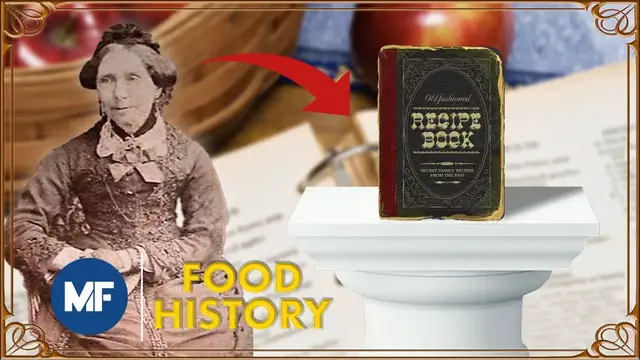
The first modern cookbook was penned not by a chef, but by a poet. Before Eliza Acton published
0:05
modern cookery for private families in 1845, she was known for crafting lush, sentimental verse
0:12
Her background is apparent in her culinary writing. In her recipe for a good sponge cake
0:17
she instructs readers to rasp on some lumps of well-refined sugar the rind of a fine-sound lemon
0:23
and scrape off the part that has imbibed the essence. If that was in iambic pentameter
0:28
would read like English literature homework. Acton's first cookbook was praised for its
0:32
striking prose when it was released in Britain. Nearly two centuries later
0:36
her impact extends far beyond her elegant turns of phrase. As one of the first authors to publish
0:42
well-organized recipes aimed at the average home cook, she helped invent the cookbook as we know it today
0:48
Hi, I'm Justin Dodd. Welcome to Food History. Many cookbooks predate modern cookery, but
0:59
they hardly resemble the volumes you keep on your shelves at home. The Yale Culinary Tablets date
1:05
back as far as 1700 BCE, and they contain the earliest recorded culinary recipe ever discovered
1:11
though the term recipe may be a stretch. The ancient Mesopotamian clay slabs are inscribed
1:17
with ingredients and some instructions for what to do with them. Experts have interpreted these
1:21
lists as the basis for various dishes, mostly different types of stew. Man, ancient civilizations
1:27
really loved their stews, soups, and slops. They weren't the polished recipes familiar to modern
1:32
home cooks. They were likely written for royalty. Cookbooks written centuries later were not much
1:38
clearer. The recipe for wine sauce for truffles from the famous Roman recipe book De Re Coconaria
1:44
from the 5th century simply lists pepper, lavage, coriander, roux, broth, honey, and a little oil
1:51
The formé of curie, which was written by the chefs of King Richard II around 1390
1:55
was only slightly more descriptive A recipe for saffron rice instructs cooks to soak rice well in a good broth leaving the definition of terms like well and good up to interpretation
2:07
Unclear writing aside, early recipes weren't meant to be accessible. For centuries
2:12
cookbooks were limited to the grandest palaces, and when they weren't getting used in royal
2:16
kitchens, they were flaunted as status symbols. This is why early cookbooks contained instructions
2:21
for cooking luxury items like peacock, flamingo, and other dishes that were missing from average
2:27
households. It seems that the writers of these cookbooks assumed that their chef readers already
2:32
knew how to cook the dishes, so a lack of construction wasn't considered the problem
2:36
The books were more like memory aids for royal chefs. For non-royal upper classes
2:41
they were sort of like a window into what was in vogue with the highest echelons of society. Like
2:47
you know, eating flamingo, apparently. Opaque recipes written for the wealthy were still the
2:52
status quo when Eliza Acton was born in Sussex, England in 1799. She was exposed to the culinary
2:58
sciences at a young age, growing up in a house connected to the brewery where her father worked
3:02
But her path to writing about food professionally wasn't straightforward. She ran boarding schools
3:07
for girls before getting serious about poetry in her 20s. In 1826, she made her literary debut with
3:13
a collection titled Poems. Huh. Poetic. Her examinations of themes like unrequited love were
3:20
rich with images of flowers, moonlight, and other usual suspects of the medium
3:25
As for whether her poetry was any good, authors Mary Eilet and Olive Ordish shared their opinions
3:31
on it in their 1965 culinary history book First Catch Your Hair. They described her work as
3:36
romantic, derivative, and often b. The command of the cliché which she displays in her verse is
3:42
happily, not repeated in her works on gastronomy. Acton's motivation for pivoting to recipes is
3:48
is debated among experts. According to one story, her publisher encouraged her to write
3:52
a book on cookery, which was a popular topic at the time. She published her first cookbook
3:58
Modern Cookery for Private Families in 1845 Its full original title Incredibly was Modern Cookery in All Its Branches Reduced to a System of Easy Practice for the Use of Private Families in a Series
4:10
of Practical Receipts, which have been strictly tested and are given with the most minute
4:14
exactness. Unlike recipe compendians of the past, Acton's book wasn't written with extravagant
4:19
feasts in mind. It catered to middle-class home cooks making meals for their families
4:24
not private chefs cooking for their wealthy employers. Instead of feathered peacock
4:28
for example, she included a recipe for common chicken pie. Though food preparation was a hot
4:33
subject in the mid-19th century, no one approached it like Acton did. Her cookbook was the first to
4:39
list ingredients with precise measurements separate from the body of the recipe. She tested
4:44
her recipes thoroughly and gave accurate cooking times for each dish. Modern cookery didn't assume
4:48
its readers knew their way around the kitchen. Instead, it provided a roadmap even amateurs could
4:54
follow. Photography wasn't widely used in publishing at this time. The first book illustrated
4:58
with photographs was published just two years prior in 1843. In its place, she used clear-lined
5:04
drawings to help cooks with tasks like selecting meat at the butcher. And on top of everything
5:09
her writing was as enjoyable to read as her dishes were to eat. Her recipes were conceived
5:14
for humble kitchens, but that didn't make them pedestrian. Later editions of the book featured
5:19
many dishes that would have been considered exotic in Victorian England, such as curries
5:24
and chutneys. The book also included the first English-language usage of spaghetti in print
5:29
At a list of cooking terms, she spelled it spaghetti and described the pasta as Naples
5:34
vermicelli. But most recipes in the book, like her mincemeat pudding and fashionable apple
5:39
dumplings, are classic British fare. Acton's elegant, approachable cookbook was a hit with
5:45
the British public. By 1853, 13 editions had been printed. So why isn't she as well-known today as
5:52
some of her peers. Her contributions to culinary history largely have been overshadowed by Isabella Beaton
5:57
the British author whose cookbook sales outpaced Acton in the 1860s Though Mrs Beaton book of household management became the more popular title it owes much of its legacy to modern cookery Beaton even included many of Acton recipes in her book without giving her credit Despite rampant plagiarism Beaton remains the more
6:15
celebrated of the two Victorian female cookbook authors over a century and a half later
6:20
Eliza Acton was never able to replicate the success of modern cookery for private families
6:26
She published The English Bread Book for Domestic Use in 1857, which took a more serious
6:31
and scholarly look at the culinary arts than her previous work. Readers were less interested in the shady adulteration practices of flour millers at the time
6:39
than they were in easy-to-follow recipes, and the book wasn't reprinted until well after her death
6:46
Acton died in 1859 at the age of 59. Many of the practices pioneered by Eliza Acton are standard in cookbooks today
6:54
Joy of Cooking by Irma S. Rombauer and Mastering the Art of French Cooking by Simone Beck
6:59
Louisette Bertoll and Julia Child became two of the most iconic cookbooks of the 20th century
7:04
due in part to their accessible recipes aimed at the humble home cook. Writing recipes with
7:10
measurements, cook times, and separate ingredients lists is also the norm for cookbooks today
7:15
Thanks, Eliza. In recent years, there has been a push to give Eliza Acton the recognition she's due
7:21
British author and historian Annabelle Abbs published a novel based on Acton's life in 2021
7:25
which was optioned as a miniseries by CBS. In 2022, Abs launched a campaign to fund the
7:31
restoration of her grave at Hampstead Parish Church in North London, which has fallen into
7:37
disrepair. If her advocates have their way, Eliza Acton's name will one day be as recognizable as
7:42
Isabella Beaton or Julia Child. Until then, her legacy lives on every time a cook reads a recipe's
7:48
ingredients list and realizes they're out of garlic. We got an upcoming video about everybody's
7:53
favorite canned meat, Spam. If you have any fun facts about the pink delicacy or have any questions
7:59
you want answered, leave them in the comments below. Don't forget to subscribe if you haven't
8:04
yet to stay up to date with all your food history news, and I'll see you next time