Up next in 10

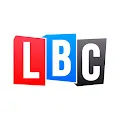

Shelagh Fogarty is joined by Scarlett Maguire, founder and director of Merlin Strategy, to discuss an LBC poll which showed that voters trust Nigel Farage more than the Chancellor with the economy.
The poll asked over 2,000 voters for their preference between Chancellor Rachel Reeves and Reform UK leader Nigel Farage on the question of who is best placed to generate economic growth and put more cash in their pockets.
54% of respondents said they believe they have a greater level of trust in Mr. Farage, with Ms. Reeves receiving 46%. Voters in the north east displayed the greatest support for Mr. Farage’s economic plans, with 70% saying they trusted him more than the Chancellor.
Maguire explains the reasons behind these polling numbers, including Labour's trust issues, the public's view on wealth taxes, and the impact of interest rates and unemployment on political perceptions.
Listen to the full show on the all-new LBC App: https://app.af.lbc.co.uk/btnc/thenewlbcapp
#shelaghfogarty #keirstarmer #farage #rachelreeves #LBC #reformuk #labour #ukpolitics
LBC is the home of live debate around news and current affairs in the UK.
Join in the conversation and listen at https://www.lbc.co.uk/
Sign up to LBC’s weekly newsletter here: https://l-bc.co/signup
Show More Show Less View Video Transcript
0:00
Scarlett Maguire is here to talk about this, founder and director of Merlin Strategy
0:05
It's interesting, this LBC poll, Scarlett, over 2,000 voters were asked, there's that particular distinction between Rachel Reeves and Nigel Farage on economic competence
0:15
And the majority, 54%, said they believe they have a greater level of trust in the reform leader, 46%, Rachel Reeves
0:23
Voters in the northeast of England displayed the greatest support for Nigel Farage's economic plans
0:28
70% saying they trusted him more than the Chancellor. So there's a shift happening here, isn't there
0:35
There is, and I think it's an interesting poll for several reasons. So on the face of it, this is in line with other findings that we've had
0:41
So, for example, when I did head-to-heads on Farage and Starmer, Farage just about beat Starmer
0:46
even on the question of who would be more responsible on the economy and far ahead on the question of who would be more radical
0:51
Although I think it's very interesting that I can completely see why the polls have pitted Nigel Farage and Rachel Reeves against each other
0:58
But it actually gets to a fundamental weakness with reform at the moment, which is the fact they have no shadow chancellor
1:04
They have no person in waiting that's going to be their chancellor. So you have to poll. Who would you prefer, Rachel Reeves or Nigel Farage
1:10
And actually, I think that goes to one of the things that I think at the moment for Reform UK, it's not mattering very much
1:15
They're still leading in effectively, I think it was every single poll last month they led. And they've been consistently leading in polls since the local elections
1:23
But I think it's a question for them over the next few years. So, for example, if you look at which party is most trusted on the economy, reform actually come forth behind the Conservatives, Labour, none and reform
1:33
Now, no one's really a winner there. Everyone performing very, very lowly there
1:37
Even the Conservatives out in front only polling just above where they did when Trust was in charge of the economy
1:42
So, everyone's doing badly, but at the moment, reform's doing worse of all on the economy
1:46
So, I think that's just an interesting dimension to the question. And at this stage in a parliament, so a year into this government's time in office, what does history tell us about polling at this stage
2:01
History gives us some not very favourable comparisons for this current Labour government
2:05
They are tending to be sort of performing worse than any government really at this point in their history
2:13
especially this soon after a newly elected, so not just a government, but a newly elected party to government
2:18
And to be clear, you're talking about performing in the polls, what people think as opposed to what they're actually doing
2:22
Exactly, absolutely right. And so some polls, so for example, Ipsos has been polling this for 49 years
2:27
Keir Starmer is now polling at the worst for any prime minister at this point in their premiership, with the exception of Gordon Brown
2:32
But I think Gordon Brown's a slightly different case because he was coming in a financial crash
2:36
And then obviously there was the legacy of all the problems that the Labour government had been having up to that point I think it a little bit different when you coming with that much baggage but even compared to Rishi Sunak who is probably a better person to compare with Keir Starmer performing worse than him at this point during Sunak premiership
2:51
And of course, Sunak had been the chancellor for a chunk of time. Yeah, Sunak had been the chancellor. In fact, I think it's easy to forget now that when Sunak
2:56
was chancellor, he was the most popular politician in the country. Partly, I think, because he was
3:01
giving lots of free money away. He was handing out the sweeties at that point, wasn't he? Yes, exactly. So I think it is easier then, but it's a stark contrast to Rachel Reeves now. So
3:07
Rachel Reeves, pretty much whichever poll you look at, comes out as the least popular politician polled in the country at the moment
3:13
And when it comes to people's opinion on tax rises, we've discussed a lot on this programme for the last, I don't know, month maybe
3:23
So-called wealth tax, both the singular wealth tax, a wealth tax on big wealth over 10 million
3:29
and wealth taxes, taxes on wealth rather than income. That's not going to stop, is it, that conversation
3:35
What do the polls tell us about people's views on that? Yeah, I think it's interesting that Labour haven't actually definitively stopped that
3:41
And that's probably partly because when you poll wealth taxes, at least when you poll them in the abstract
3:45
they tend to be pretty popular. I think that's part of a thing we often get
3:49
when we poll the public on these sorts of things, though, which is they don't often consider wealth to be hitting them
3:54
They think of other people as wealthier than them. So when you say, would you like to raise taxes? They say yes, and they normally mean for people earning more than them
4:01
even if they're in, you know, relatively high earning brackets themselves. and I think that could also be part of the issue with the wealth tax so for example if you take
4:08
other sorts of wealth taxes so for example inheritance tax getting rid of inheritance
4:13
tax actually polls pretty well so there is a complicated relationship I think between Britons
4:18
and for example property they own assets their own and whether or not they consider themselves
4:23
wealthy because I think one thing is certainly true I think aside from actually a sort of
4:28
microscopic proportion of the population most people are feeling worse off or harder off than
4:33
they did a few years ago. It's a funny thing though isn't it one's view of that because
4:37
if I look at my financial situation now compared to my parents throughout their entire life I am
4:43
undoubtedly wealthy compared to what they ever were and yet as you say ordinary working people
4:49
and I regard myself as an ordinary working person absolutely you feel the pinch when taxes go up and
4:54
bills go up and da da da da you it might not you might not experience it as critically as somebody
4:59
who was already struggling would, of course you don't. But you feel it
5:02
And from a political perspective and a voting perspective, you weigh things up as a result of that
5:08
And everybody will be doing that. Oh, you're absolutely right. And it's all relative. And I think that's a really interesting point you make
5:13
about your generations and your parents' wealth, because, of course, there'll be lots of younger people as well. It's the other way around
5:18
Making exactly the opposite comparison, thinking, hang on, when my parents were 35..
5:22
They had a house. They had a house and they had X amount in the bank. And that we finding is obviously increasingly less the case for younger people So no I think that what that goes to point is it all relative And actually the public I respect the public opinion absolutely
5:36
but it can be quite tricky getting straight economic answers out of the public. And to be fair, that's not their job
5:41
That's the politician's job to decide. But it means that quite often they can ask for quite contradictory things
5:45
and then that's for the politician to work out. Well, as ordinary voters, we are microeconomics, aren't we, as opposed to macroeconomics
5:53
and let's talk about interest rates and people's views on that because there was of course the
5:57
horrendous situation that many homeowners in particular found themselves in with it with the
6:02
trust um mini budget um i mean that was catastrophic for a lot of people wasn't it and some of them are
6:08
still feeling the effects of it now in the price of their mortgages it was catastrophic and it
6:11
probably lost the conservatives the last election i mean they did other things as well which i think
6:15
contributed to that loss but i think um i think you can probably it was so cavalier wasn't it with
6:19
people's lives well it went down incredibly badly and even to this day Liz Truss's name in focus
6:24
groups is a synonym for sort of economic disaster and and the sort of laughingstock that that party
6:29
became at that time and people were indeed they felt very angry about it because there were
6:32
substantial increases in bills um especially for people um with mortgages and people with loans as
6:38
well um so no so interest rates are a very very sensitive subject um my feeling is you we we didn't
6:45
see and and rishi sunak felt this as well didn't necessarily get as much credit for the cuts as
6:50
you might expect even if you get a lot of blame for the rises um but i think it will obviously be
6:55
i think the labor government even if it's the sort of playing into a macro economy might be
6:59
looking a bit worse which is why they're why they're lowering them for things like unemployment um i think they would still welcome it as a bit of good news they can try and sell to voters
7:06
and and on on interest rates in the here and now interestingly the bank of england
7:10
is saying it's watching closely how the jobs market is going because if it stalls
7:17
I mean, it's stalled a bit already, hasn't it? We know that those employer NI tax increases
7:23
have made people hold off, some businesses hold off on recruiting. The Bank of England watching
7:29
to do chunkier interest rate cuts. Now, Keir Starmer has been saying those interest rate cuts
7:35
are a sign, the ones we've seen so far, rather small ones, are a sign that the economy is
7:40
is rallying but if the reason you're cutting interest rates in a chunky way is because the
7:45
jobs market is stalling that can't be spun as good news can it no and especially high levels
7:50
of unemployment can be absolute kryptonite to government so i think it is something that we
7:54
already have very really the sickness well with sickness benefit exactly the levels of unemployment
7:59
is quite hidden and again it's something that people can notice not just in their lives saying hang on my child can't get a job you know my child in their 20s who might have graduated gone to a
8:06
good university or not gone to university and found another route to work but they're still
8:09
struggling I have young people in their 20s calling frequently to say that their experience Exactly and increasingly hearing the case and that doesn just matter for the people in their 20s it matters for the the older adults in their lives as well who can see hang on i don think this country is working very well um if the next
8:22
generation can't get the start in life that i had the opportunity to pursue so no i would be very
8:27
very worried about slow upticking and unemployment because people do notice and people do feel it
8:31
and it's funny isn't it you you'll know this uh way better than me about um you know people's
8:36
political impressions and how they can be really sticky can't they they can really stay
8:40
and I think it probably arguably was the trust fiasco that put paid to the Tories reputation
8:48
for economic competence but it really held held on that attitude for a long long time didn't it
8:54
against the against the the fortunes of Labour really yeah no it absolutely did but I think
8:59
what's quite striking at the moment and I'm surprised the Conservatives aren't making more
9:03
of this and we're not seeing a bit more of Mel Stride their shadow Chancellor for example because if you look at, so YouGov, who's been tracking this over a long period of time
9:10
the Conservatives are now out ahead again with the leading on the economy, which is sort of astonishing given what we were just talking about with List Trust
9:16
which wasn't that long ago, and did obviously really cut through a vote at the time
9:21
But I think it's more an indictment on just how poorly everyone else is doing. So Labour faring very badly there
9:25
It was just 16% of people said they trust Labour to handle the economy. That's worse than it was under Corbyn
9:30
And do they say why? Is it because of changes and new turns from the government
9:34
Well, so at this point, from that particular poll, we don't say why, but from focus groups, I can give you, I think, a very good idea of why
9:40
I think voters, in the sense of the run-up to the election, had a feeling that Labour wasn't telling them what they were actually going to do
9:46
It sort of played into this preconception that Keir Starmer wasn't quite ever saying what he really thought and might change his mind quite a lot
9:52
Well, they had a very... Even I found this in interviewing them ahead of the election. They had a very pro, really pro-former way of answering questions, which was do not deviate, do not deviate, do not deviate
10:01
and that blocks off a proper conversation completely. Well, it does, and as you'll know from your listeners
10:06
people are quite sensitive to that. I am. I don't like it. Exactly, people don't like it
10:10
and people sense that there might be something else going on. So I think there was always this suspicion
10:15
that during that campaign Labour might come in and make some decisions that they hadn't said
10:19
they were going to make before that might prove to be very unpopular. Which, truthfully, is always the case for governments
10:24
Absolutely. I mean, that is something that every government, well, pretty much every government that I can think of
10:28
is guilty of. In the last Conservative government broke their manifesto to raise national insurance
10:32
which they then cut again, obviously. But no, it's quite common to do it. But then I think on top of that
10:37
things like it really can't be overestimated how much things like the winter fuel cut
10:42
to benefits, the turning around on that, did damage to them. It was hugely, it came almost in isolation
10:48
in the middle of the summer. The disability benefits again. Exactly, and the disability benefits as well
10:52
And voters, I think, have this sense that, yes, there are probably some trade-offs to be made, but they made entirely the wrong ones
10:57
without any promise, without any payoff as well. for things necessarily getting better
news
Politics
Economy News
Political Polls & Surveys