
Up next in 10

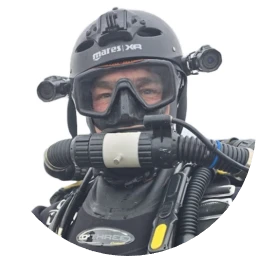

It is the most common heart defect in the world, found in roughly 25% of the population. But for technical divers, a Patent Foramen Ovale (PFO) changes the rules of decompression entirely.
In this deep dive, I am joined by Dr. Mark Turner, a world authority on PFOs and diving medicine. We move past the basic "hole in the heart" explanation to tackle the real data: Why do some studies suggest the risk of Decompression Illness (DCI) can be up to 26 times higher for divers with high-grade PFOs? And more importantly—do you have one?
We discuss the physiology, the real-world risks, and the closure options for divers who want to stay in the water.
━━━━━━━━━━━━━━━━━━━━━━
⏱️ VIDEO CHAPTERS:
00:00 Decompression illness risk even on a perfect dive
00:00:34 PFO in diving explained by Dr Mark Turner
00:01:20 How common is a PFO in divers really
00:02:00 PFO diving risk and the 26 times statistic
00:03:15 Conservative diving strategies for PFO risk
00:04:40 Bubble formation and decompression theory explained
00:05:30 Migraine after diving and early warning signs
00:07:00 Skin bends symptoms and delayed DCI
00:09:20 Inner ear decompression illness explained
00:12:10 Spinal cord DCS symptoms every diver should know
00:15:40 Pulmonary barotrauma and lung over expansion injury
00:19:30 Why decompression illness appears after surfacing
00:23:00 Technical diving behaviours that increase DCS risk
00:28:40 PFO testing for divers and when to get screened
00:32:30 Medical screening and grading of a PFO
00:36:10 Reducing decompression risk in technical diving
00:40:00 Technical diving safety takeaways
00:44:30 Final thoughts on PFO and decompression illness
━━━━━━━━━━━━━━━━━━━━━━
*ABOUT THIS CHANNEL*
Deep Wreck Diver explores shipwrecks, submarines, and sunken aircraft from around the world - combining technical diving with detailed wreck identification and historical storytelling. Every dive uncovers a piece of history lost to the depths.
━━━━━━━━━━━━━━━━━━━━━━━━━━━━━
*ABOUT THIS CHANNEL*
Deep Wreck Diver explores shipwrecks, submarines, and sunken aircraft from around the world - combining technical diving with detailed wreck identification and historical storytelling. Every dive uncovers a piece of history lost to the depths.
━━━━━━━━━━━━━━━━━━━━━━
*Kit I Use*
Note, some of these are affiliate links so help support making my videos:
- Gloves are Ansell Alphatec 87-063 - https://amzn.to/4jDHhX4
- Main torch is an Orcatorch D630 - https://amzn.to/4jlT4tA
- Backup torch is an Orcatorch D710 - https://amzn.to/4jhddRk
- Drysuit is an O-Three Ri200 - https://www.othree.co.uk/drysuit-range/ri-2-100-drysuit/
- CCR is an AP Diving Inspiration (XPD) - https://www.apdiving.com/
- Backup computer is a Shearwater Perdix v2 - https://amzn.to/42FXZOW
- Reels are by Kent Tooling - https://www.divingproducts.co.uk/
- Cameras are Paralenz Vaquita
- Video light is NiteScuba NSV60 - NiteScuba NSV60 - https://s.click.aliexpress.com/e/_onHEKQZ
- Phone housing is Divevolk Seatouch 4 Max - https://s.click.aliexpress.com/e/_omJlNKL
- Stickers for gear by Dive Signs - https://www.divesigns.com/
━━━━━━━━━━━━━━━━━━━━━━
*Strobes*
I use two different strobes (also affiliate links)
-- Prozhaozhu 3000 Lumen Diving Strobe - https://s.click.aliexpress.com/e/_c3Qb99tF
-- Prozhaozhu 4000 Lumen Diving Strobe - https://s.click.aliexpress.com/e/_c3KmWqCN
- Jon clip - https://s.click.aliexpress.com/e/_oDqq0RW
━━━━━━━━━━━━━━━━━━━━━━
📱Follow My Socials!
Instagram 👉 https://www.instagram.com/deepwreckdiver/
Facebook 👉 https://www.fb.com/DeepWreckDiver
Buy Me A Coffee 👉 https://buymeacoffee.com/d33puk
Email 👉 [email protected]
#TechnicalDiving #PFO #ScubaDiving #DrMarkTurner #DecompressionSickness #DeepWreckDiver #DivingMedicine
Show More Show Less View Video Transcript
0:00
You can do everything right on a dive
0:03
and still get bent.
0:05
You might have the perfect plan, your
0:08
buoyancy might be nailed, you've done
0:10
the right amount of decompression stops,
0:13
but you still end up in a chamber.
0:15
And that's because there's a risk most
0:18
divers never even think about.
0:21
A small opening in the heart.
0:23
You've probably heard that up to 30% of
0:26
divers have a PFO.
0:29
But today my guest is going to explain
0:32
why that number is misleading.
0:34
I'm joined by Dr. Mark Turner,
0:37
one of the world authorities on PFOs.
0:41
So Mark,
0:42
why should divers even care about PFOs?
0:46
PFOs are really important for divers.
0:48
They're one of the main causes of
0:50
decompression illness. But but why is it
0:52
the case? A lot of people don't realize
0:54
that they have them until they actually
0:56
suffer a problem related to it. A
0:59
well-known stat that you get taught
1:01
during diver training, which is that one
1:03
in four people have PFO. Now, I think
1:06
you've got a a slightly more nuanced
1:07
view on that.
1:08
Yeah, that that's really important. And
1:10
some people say, "Oh, one in four people
1:11
have got a PFO, therefore it can't be
1:13
important." But the reality is one in
1:16
four people have a tiny and irrelevant
1:19
PFO.
1:20
But about one in a hundred or maybe two
1:22
in a hundred have a really big PFO that
1:25
can both cause decompression illness,
1:27
but also stroke and other problems. And
1:30
about 5% or one in 20 people have a
1:34
moderate-size PFO that that could cause
1:37
decompression illness. And so I think
1:39
the one in four is just misquoted and it
1:41
and it's used by the people who want to
1:44
you know,
1:45
minimize the impact. But one or two in a
1:47
hundred really big PFO, one in 20
1:51
moderate maybe moderate to large PFO
1:53
that could cause trouble.
1:55
And in terms of the risk factor of
1:58
having those moderate or or large PFOs,
2:02
what sort of what's Can you assess
2:04
those? Can you give us some sort of
2:05
stats? Yeah, so there's a there's a very
2:07
nice study that's published in the
2:09
medical literature that looked at
2:10
hundreds of divers with PFOs. And and in
2:14
that study, the the number they came out
2:17
with was the people with a large PFO or
2:19
what they called a high-risk PFO, so 1
2:22
or 2% of the population, they had a a
2:25
risk of decompression illness 26 times
2:28
the risk of people who didn't have a
2:30
significant PFO. And and in all medical
2:33
studies, you get the number 26 as the
2:36
sort of average, but if you look at the
2:38
possibilities statistically, that could
2:40
be somewhere between 10 and a
2:42
hundredfold. So, it's a really massive
2:44
increase risk of decompression illness
2:47
for somebody with a really large or
2:48
high-risk PFO.
2:50
The ones who are the one in five, so the
2:53
one in the So, the 5% ones, the one in
2:56
20 PFOs, they they have an increased
3:00
risk, but it's not as great.
3:02
Maybe five times as much.
3:04
So, even a moderate PFO carries a
3:07
significant increase in risk. Even if
3:09
you dive conservatively with these PFOs,
3:12
your increased risk is still
3:13
substantial.
3:15
And how would you define diving
3:17
conservatively? You know, what does that
3:19
actually mean to a diver? Well, that's
3:21
that's that's a very good point, and of
3:23
course it means different things to
3:24
different divers. Um the UK Diving
3:27
Medical Committee say dive to 15 m or
3:32
air equivalent depth, so that's like 20
3:34
m on 32% nitrox.
3:37
Uh and only dive once a day and avoid
3:39
heavy lifting and straining after
3:41
surfacing. They say for an hour, but in
3:43
reality, you should do it for longer
3:45
than that. But even if you do that, then
3:47
there's still a risk. Um and the other
3:50
thing to say is that that number, that
3:51
15 m, does does doesn't come from any
3:54
scientific or study evidence. It came
3:57
from the top of the heads of the people
3:58
on the committee at the time they came
4:00
up with it.
4:01
In [clears throat] that none of them had
4:02
seen anyone who'd had a decompression
4:04
illness shallower than 15 m, but but I
4:07
definitely have seen a PFO related bend
4:10
shallower than 15 m. It was somebody who
4:12
was doing quite prolonged diving at 9 m,
4:15
but they definitely had a huge PFO,
4:17
definitely had a neurological bend.
4:20
And and it was, you know, the timing of
4:23
it was such that it had to be because of
4:25
the 9 m dive. So,
4:27
the trouble is there isn't a proper
4:28
definition of what's safe.
4:31
Now, if you've dived in a swimming pool
4:32
to 3 m for half an hour, you don't have
4:35
enough nitrogen dissolved cause any sort
4:37
of um you know, dissolved gas
4:39
decompression illness. So, so there is
4:42
there must be a point where it's safe,
4:43
but we don't know what that point is and
4:46
you certainly can't um give advice for
4:48
everybody because different people have
4:51
different thresholds for decompression
4:53
illness and as you get older your
4:56
resilience against decompression illness
4:57
seems to get less.
4:59
And if you do scans of people um when
5:02
they've come up from a dive to look to
5:04
see whether bubbles are forming in their
5:07
in their veins, then there's a vast
5:09
range. So, you're you can have two
5:11
divers who've done the same dive and one
5:14
of them has masses of bubbles in their
5:15
veins that indicate that they're not
5:18
dealing with nitrogen very well and
5:20
their buddy might have zero bubbles. So,
5:23
there's such variation between people,
5:25
it's not really possible to say that
5:26
something is safe.
5:28
Got it. And and obviously, you know, in
5:30
terms of knowing whether you've got one,
5:33
having this migraine with aura is one of
5:36
the things you've identified, I think,
5:37
as the most common. Yeah, it's the it's
5:39
the most likely thing people are going
5:41
to notice and I [clears throat] always
5:43
try and tell the you know, when stroke
5:45
doctors or other doctors are are asking
5:48
about migraine. If you say to somebody,
5:50
"Do you have migraine?" they'll often
5:52
say, "No, I don't get headache."
5:54
But it's not the headache that matters.
5:56
It's the visual that and the shimmering
5:58
and the jagged lines. And interestingly,
6:00
migraine is such a weird thing that
6:02
people often don't use words to describe
6:05
it and they'll do things with their
6:07
hands like I've just done. So, they'll
6:08
do this or they'll do jagged.
6:11
Um so, if somebody starts waving their
6:13
hands around when you ask them about
6:15
visual symptoms, they've probably got
6:17
migraine. Really importantly for divers,
6:20
if you get that sort of migraine visual
6:22
symptom in the first hour or two after
6:25
diving, there's an extremely high chance
6:28
that you've got a PFO. That is
6:30
absolutely fascinating, Marcus. I've
6:32
never heard anybody say that at all and
6:34
I've not seen that in any diving
6:36
training or anything like that. So, it
6:38
really useful piece of information. You
6:40
know, hopefully people watching this
6:41
will will kind of be looking out for
6:43
that now and if they know somebody
6:45
or they have it happen to themselves,
6:47
they'll be able to to flag it up because
6:49
I guess the only other way to or the
6:51
only way to know for certain that you've
6:52
got a PFO is to come to someone like
6:55
yourself and to have an investigation
6:57
done, isn't it? Um
6:59
>> [clears throat]
6:59
>> well, ultimately, that's the only way to
7:01
to find out, but we we've we came up
7:04
with a
7:05
publication. In that, we had the section
7:08
on screening and who should be
7:10
considered for testing.
7:12
Um the the things we put in that were
7:15
somebody who's had a a type of
7:17
decompression illness related to PFO.
7:20
So, that's vestibular skin,
7:22
neurological,
7:24
um
7:25
lymphatic bends as well. So, types of
7:28
decompression illness you should be
7:29
screened.
7:30
People who have migraine with aura
7:32
should consider being screened. It's
7:34
obviously up to the individual whether
7:36
it's worth them being screened. People
7:39
who've had uh other forms of congenital
7:41
heart disease are at much higher risk.
7:44
Um particularly bicuspid valves and and
7:47
some of the blue blue baby syndromes,
7:50
but any sort of congenital heart
7:51
disease, you're more likely to have it.
7:53
And something that isn't widely
7:54
appreciated is that it's definitely
7:56
familial.
7:58
So, Peter Wilmshurst, who's written a
8:00
lot of the original papers on this, uh
8:02
published a paper in 2004 now that
8:06
obviously not everybody's read, but it
8:08
very clearly shows that it's a
8:09
hereditary thing. And it's um
8:12
it's uh inherited in what we call a
8:14
dominant uh autosomal dominant way,
8:17
which means if uh any of your
8:19
first-degree relatives has about a 50%
8:22
chance of having a PFO. So, if you've
8:24
got a diver who
8:26
you know, who's who's had a a
8:27
decompression illness, and they've got a
8:30
PFO, and their children dive, or their
8:32
siblings dive, or their parents dive,
8:35
then it would be important for them to
8:37
to know that they have about a 50%
8:39
chance of uh having a PFO. And if if
8:43
that first-degree relative has migraine
8:46
with aura or migraine aura as well, then
8:50
one of Peter Wilmshurst's other papers
8:52
says they have an 87% chance of having a
8:55
PFO. Wow. The moment you start to
8:57
combine the risk factors, you
8:59
significantly increase
9:00
the likelihood. It doesn't mean
9:02
everybody has to be tested, but we we
9:05
also, you know, would recommend
9:07
that the individual has an opportunity
9:10
to discuss testing.
9:12
And the things in favor of testing
9:15
are that then at least you know what the
9:16
situation is, you can take appropriate
9:19
measures, you can consider whether to
9:21
give up diving, or whether to
9:24
have a PFO closed.
9:26
Um and things against testing are if you
9:28
find something, you then have to deal
9:30
with it, it's on your medical records.
9:32
Um and if you're 23, and you want to be
9:35
a fast jet pilot in the RAF, then don't
9:37
get tested because you don't want
9:39
something on your medical records that
9:40
might stop you doing something.
9:43
Um
9:45
So, it's it's a different decision for
9:47
everybody, really. It's it's a
9:48
personalized individual decision.
9:51
And if somebody approaches me to discuss
9:54
um having a
9:55
a bubble contrast echo, then we actually
9:58
have a
9:59
a process that is is kind of gives you
10:02
time to make a decision. So,
10:05
inside [clears throat] I'd have a
10:05
telephone consultation with you to go
10:07
through the pros and cons and whether
10:10
the reason that you think you might
10:11
benefit from testing is is correct. And
10:15
then we'd give you time to think about
10:16
it.
10:17
So, we don't bring you to the hospital,
10:19
talk about doing the testing. And that's
10:21
how we used to do it, and then you were
10:23
sat next to the ultrasound machine, and
10:25
people would say, "Well, I'm here now, I
10:26
might as well have it." But that didn't
10:28
give them the opportunity to think it
10:30
through properly. So, now we have a
10:32
phone consultation. They have the
10:34
opportunity to think through whether
10:35
it's the right thing for them.
10:37
And examples of people who should have
10:39
testing, if you're a professional diver
10:42
doing underwater [clears throat]
10:43
engineering at 30-40 m on surface
10:46
supply, um and you've had a skin bend,
10:50
and maybe a post-dive migraine and a
10:52
neurological bend in the past, then you
10:55
really need to be tested. Um if you're a
10:58
deep wreck diver, and you're in a remote
11:00
place in the world with very little
11:03
support if you get a bend, and you've
11:05
had post-dive migraine or even if you've
11:08
had migraine aura without anything like
11:10
that, then you don't want to be in a
11:12
situation where you've got a severe
11:14
decompression illness a long way away
11:16
from a chamber.
11:18
So, the these are some of the the things
11:20
that you put into the decision-making.
11:22
But if if you're a a diver who cleans
11:25
the bottom of of people's boats in
11:28
Mayfair Marina, and you don't go more
11:31
than 3 m,
11:33
then you really don't need a test
11:35
because you're not really at risk of
11:37
decompression illness of that type at
11:39
all. If you hold your breath and go to
11:40
the surface with full lungs, then you
11:42
can get barotrauma, but you won't get a
11:44
PFO-related
11:46
bend. So, it's a very individual
11:48
decision, but some of the issues I've
11:51
mentioned are the things that would that
11:53
you'd need to think about when making
11:55
your own decision to be tested. And I
11:58
suppose the other thing to say is uh the
12:00
NHS generally will not fund PFO closure
12:04
for divers even if they're
12:05
professionals. So, if you find a PFO,
12:09
then the whilst you might want it
12:11
closed, it's not always possible to have
12:14
it well, it's it's rarely possible
12:15
rarely if ever possible to have it done
12:17
in the NHS. One of the things I think it
12:20
might be useful for people to know is
12:21
what does a PFO test look like?
12:24
Yeah, that's a pretty straightforward
12:26
test. Um if you read the literature, you
12:28
might hear that some people do something
12:30
called a transesophageal
12:32
echo, which means they stuff an
12:33
ultrasound probe down your throat, often
12:36
with a bit of local anesthetic and some
12:38
sedation. But that's a more invasive
12:41
than it needs to be, and secondly, is
12:43
the wrong test to do. Um there are some
12:45
echo specialists that like doing that
12:47
test, believe it or not, and they say
12:49
it's the correct way to do it. But if
12:51
you read our um
12:53
paper in Diving and Hyperbaric Medicine,
12:55
it clearly
12:56
states that you should have uh a
12:58
standard echo, which is where you put
13:00
jelly on the front of the chest. And we
13:03
we we put jelly and and take scans um of
13:07
the
13:07
moving picture scans of the heart. And
13:10
once we're happy that the heart's normal
13:12
from a standard scan, we then put a
13:14
needle in the and the vein in front of
13:17
the elbow here. So, a small tube in the
13:19
arm, not really painful at all. Um and
13:22
then we inject microbubbles there. And
13:25
the microbubbles show up really well on
13:27
ultrasound, and if you think of where
13:29
the microbubbles go, they'll go up your
13:31
arm and down to the heart, and they fill
13:33
the right side of the heart. So, on the
13:35
scan, you see loads of white bubbles on
13:38
on the on that side of the heart up with
13:40
the blood on its way to the lungs.
13:43
The moment the bubbles hit the lungs,
13:45
the lung capillaries, the tiny vessels
13:47
that do the gas exchange, they stop
13:49
there. And they And then they're
13:51
exhaled, essentially. So, the bubbles
13:53
don't go through normal lungs.
13:56
But if you have a PFO, then you can see
13:58
the bubbles jump across into the left
14:00
side of the heart, and you see an
14:02
appearance like sort of champagne cork
14:04
being opened in the left side of the
14:06
heart. And then you know that there's a
14:08
connection between the two. The vast
14:11
majority of connections are due to a
14:13
PFO. There's a few unusual, rare
14:16
conditions that can give you a the same
14:18
sort of result, but without there being
14:20
a PFO, there being something else. But
14:23
the something else could also cause
14:24
decompression illness, so it's still
14:26
worth knowing about it.
14:28
And great that we've got some video
14:29
footage of what this actually looks
14:31
like.
14:32
So, this This is a bubble contrast echo.
14:35
Uh you can see on the screen, on the
14:38
left side of the screen, there are
14:40
there's a white area, and that's on the
14:42
right-hand side of the heart.
14:45
And on the on the right of the screen is
14:47
the left side of the heart. And bubbles
14:49
are white, and blood is black. So, at
14:51
the moment, the left side is black
14:53
mainly,
14:55
and the right side is
14:57
white. And there you can see a load of
14:59
bubbles have crossed over.
15:01
At the bottom of the screen is where the
15:03
atrial septum is, and you can see
15:06
there's a lot of motion backwards and
15:07
forwards there.
15:09
And that's what we call an aneurysmal
15:11
wobbly atrial septum.
15:13
And then all of the bubbles that are now
15:15
on the right of the screen, inside the
15:17
two chambers there, should not be there,
15:20
and that indicates a really big
15:22
right to left shunt.
15:24
And [snorts] this this patient actually
15:26
developed a stroke, but this is the sort
15:28
of appearance we often see
15:30
in divers who've had decompression
15:32
illness.
15:33
And then if we inject microbubbles at
15:35
rest and none go across, we then start
15:38
doing what we call provocative maneuvers
15:40
cuz the PFO is like a flap and most of
15:42
the time it will be shut. But you know,
15:45
when you're when you're diving or doing
15:47
normal things, it can open. Things that
15:49
can open it will be if you take a sharp
15:51
sniff.
15:53
>> [snorts]
15:53
>> In and out like that, that can open the
15:55
PFO. And that will often reveal the
15:57
bubbles you know, zooming across into
15:59
the left side of the heart. The other
16:02
thing we do which is important and has
16:04
to be done properly is to do a straining
16:07
maneuver.
16:08
Um and that's sometimes called a
16:10
Valsalva maneuver. And and again, that
16:12
has to be done properly and quality
16:14
controlled. And the way we do that is we
16:17
tell the patient to stop breathing in
16:19
the neutral position. So if they take a
16:21
breath in, we lose our ultrasound
16:23
picture. They hold their nose, close
16:25
their mouth and strain for about 5 or 10
16:27
seconds like this.
16:30
And then let go suddenly.
16:32
And the process of doing that when
16:34
you're straining, the pressure inside
16:36
the chest is higher than the pressure in
16:38
the veins.
16:40
>> [clears throat]
16:40
>> So no blood comes into the into the
16:42
chest. And the heart pumps away some of
16:45
the blood that's in there. So then the
16:46
heart's kind of empty at low pressure.
16:49
And when you suddenly release it, the
16:50
blood rushes into the right side of the
16:52
heart and the pressures normalized. And
16:55
if there's a PFO,
16:57
then the pressure on the left sucks open
16:59
the PFO and all the bubbles end up in
17:01
the left side of the heart.
17:03
Um if there isn't a PFO, then the only
17:06
way the left side of the heart recovers
17:07
is by the blood going through the lungs.
17:10
And then over the three or four beats,
17:11
the heart will recover in size. And we
17:14
can see all that on an ultrasound scan.
17:16
So as well as potentially um a
17:20
potentially seeing bubbles in the left
17:21
side of the heart, if we don't see any
17:24
bubbles, then we can quality control
17:26
whether the the maneuver's been done
17:28
properly. And one of the ways in which
17:30
this test can fail, and often does,
17:33
it's often done very badly, is by people
17:36
not being given the right instructions
17:38
to do those
17:39
provocative tests well.
17:42
And and there's no medical test can ever
17:44
be perfect. You know, there's there are
17:46
things called false positives, where you
17:48
get a positive test and there's no
17:50
problem underlying it. Or more commonly
17:53
with this, you get something called a
17:54
false negative, where the test is
17:57
reported as negative, but there is a
17:59
significant PFO, and it's not been
18:01
detected either because the bubbles
18:04
weren't injected properly, the timing of
18:07
the bubbles wasn't very good,
18:09
um the ultrasound picture wasn't kept
18:11
the whole time. And when when you're
18:13
doing these straining maneuvers, it's
18:15
quite hard sometimes to keep the
18:17
picture. And also, the other thing is
18:19
that people are not instructed to do the
18:22
provocative testing well enough. So,
18:24
it's really not uncommon for people to
18:26
be referred to us with either a negative
18:29
test, or they've been told they've got a
18:30
tiny PFO, even though they've had
18:33
decompression illness. And so, it's
18:35
extremely common for somebody to come
18:36
along saying, "Oh, I haven't got a PFO."
18:38
Well, we you know, we've looked at your
18:40
test, and it's not been done properly.
18:42
And it does irritate people that that
18:44
happens, but it definitely does. Um and
18:46
then we repeat the test, and we find
18:48
they really do have a big PFO. And if
18:50
they'd gone back to diving, they would
18:52
have been looking at one of these 25%
18:54
increased risks
18:56
um of having decompression illness
18:58
again. So, we often have to repeat
19:00
tests, but sometimes we can see tests
19:02
done in other hospitals and quality
19:04
control them. But more than 50% of the
19:06
time, we end up having to repeat them
19:08
because only a small number of hospitals
19:11
actually do these bubble tests in enough
19:14
volume to get good at it. And it's a bit
19:16
like golf. If you play golf once a
19:18
month, then you're you can probably do
19:20
it, but if you play every day, then
19:22
you'll you'll certainly be better at it.
19:25
And this is a test which is is
19:27
challenging sometimes to do for the
19:29
operator and sometimes challenging for
19:31
the patient to coordinate the straining
19:34
maneuvers. I guess let's say the worst
19:37
possible situation for a diver is they
19:40
have been for a PFO test, they have got
19:43
a PFO, they're in fortunate position,
19:45
they've managed to sort out getting it
19:48
funded and those kind of things.
19:51
What does it look like then in terms of
19:53
the operation to have their PFO closed?
19:55
There there are two ways of doing the
19:57
procedure.
19:59
Um the way we prefer
20:01
um
20:02
uh is to do it under a general
20:03
anesthetic. So, the anesthetist puts you
20:06
off to sleep. Uh we then put the
20:08
ultrasound probe down the throat, so the
20:10
one I mentioned earlier that isn't a
20:11
very good way of finding the PFO, but it
20:14
gives very good guidance for closing it
20:16
once you've confirmed that it's large.
20:19
And that gives us nice close-up pictures
20:20
of the heart. We then clean the skin
20:23
over the groin area, usually the right
20:25
groin, and then we cover cover the the
20:28
the diver with with a sterile thing with
20:30
a little circle down in the groin where
20:33
we work through. And then the first
20:35
thing we do is ultrasound the groin and
20:37
find a good place in the vein to put a
20:39
tube. If you just If you just do what I
20:41
call the poke and hope technique and try
20:43
sticking a needle in, which is what many
20:45
operators do, um then you can hit the
20:48
artery by mistake. Um so, we
20:50
[clears throat] started using ultrasound
20:52
in 2007, so nearly 20 years ago.
20:55
Um and you find a good spot in the vein,
20:57
put a needle in there, put a tube in
21:00
um before you make the hole any bigger,
21:02
you check that it's in the right place.
21:04
And then we pass a fine catheter or tube
21:06
up to the heart. It's about 2 mm across.
21:09
And then using the scan down the throat
21:12
to guide us, we manipulate the catheter
21:15
through the PFO. So, this is a an
21:18
animation of the heart.
21:20
And you can see now as they cut into the
21:22
heart, this wire is coming up from the
21:24
right side and opening the flap of the
21:26
PFO. And it shows nicely the nature of a
21:29
PFO being this flap that can be pushed
21:31
open.
21:32
And then the device is now opened in the
21:34
left, brought down to the septum. And
21:37
another identical
21:39
uh disc is
21:40
brought up on the right side.
21:42
The two are locked together by this
21:44
nitinol memory metal loop.
21:46
And then that clamps close the PFO. And
21:49
now they're animating some pink cells
21:52
growing over
21:54
the device. And that's the process of
21:56
what we call endothelialization or
21:58
healing up of the septum. And the cells
22:00
are
22:01
using the device as a scaffold over
22:03
which to grow
22:05
across, which is what should have
22:06
happened in uh
22:08
uh when when the person was a baby to
22:11
close off the PFO.
22:13
And that can take somewhere between
22:15
three and six months.
22:17
Um very occasionally it can take up to a
22:19
year.
22:20
Um and there are descriptions of
22:22
incomplete closure that don't close over
22:24
time, but I don't recall that we've ever
22:27
had a diver we couldn't get back to
22:28
normal diving after a year.
22:31
So, um but we also have to check. So,
22:35
you do have to check that it's closed
22:36
before returning to normal diving. And
22:39
again, that's one of the recommendations
22:41
in the the sort of international
22:43
consensus paper that we wrote and
22:45
published
22:46
um last year.
22:48
Uh and that was an update from a
22:50
previous paper from 2015. So, there is
22:53
this complete consensus that if you do
22:55
have PFO closure, you need to have a
22:57
check about three or three to six months
23:00
afterwards to make sure it's completely
23:02
closed before you return to diving.
23:05
And [snorts] And the point that we often
23:06
make, well, always make actually, to
23:08
divers is once they've had the PFO
23:10
closed,
23:11
that stops them getting PFO-related
23:14
decompression illness, but you can still
23:16
get a bend.
23:18
So, if you go to 50 m, hang around for a
23:20
long time, and come straight up, um then
23:22
you might still get a bend from other
23:24
mechanisms, and the closure, what that
23:26
does is take away that excess risk
23:29
associated with the PFO. Yeah. And so,
23:32
that's the
23:33
you're just back to the normal level of
23:35
risk. Your 25-fold risk has gone, but it
23:38
But it's it's still there. I mean,
23:39
that's a fascinating number you said, by
23:41
the way, several thousand of these
23:43
operations that you've done. That's
23:45
That's an incredible number.
23:47
Well, it's it's been over a long time.
23:49
So, I did my first one in the last
23:51
millennium. Okay. 1999. Okay. That time.
23:54
I've done about 2,000 PFOs and about
23:57
1,000 other procedures. Wow. on the
24:00
atrial septum and other structures.
24:03
Okay. You've talked us all the way
24:04
through the um the kind of process of
24:07
what, you know, how you identify them,
24:09
how you uh how you close them. I guess
24:12
the the the one perhaps little bit you
24:13
you've not covered, I think I know the
24:15
answer, but it's worth clarifying, is
24:17
that check again after 6 months. That
24:19
presumably is another bubble check, is
24:20
it? Yeah, it's exactly it's the same
24:23
bubble scan, needle in the front of the
24:25
elbow, plastic tube there, inject
24:28
microbubbles, and you go through exactly
24:30
the same process. So, you do a you do a
24:32
one at rest, you do a sharp sniff, and
24:35
then you do these straining maneuvers
24:37
um in the in the
24:40
UK DMC recommendations,
24:43
um Peter Wilmshurst says in his protocol
24:45
he does five
24:47
injections. So, five with a Valsalva. In
24:50
his papers, he reports that if he's
24:53
going to find a PFO, he finds it within
24:55
three.
24:56
So, I I always I do a minimum of three
24:59
and sometimes five. But, if you keep
25:02
injecting bubbles, eventually the lungs
25:04
get progressively filled up with
25:05
bubbles, and then you do a straining
25:07
maneuver, and then you'll start to see
25:09
some coming through. But, that's like
25:11
going to 50 m and staying there a long
25:12
time. You overwhelm
25:15
the lungs with bubbles. So, you you can
25:17
only do a limited number of injections,
25:20
which is why it's important that you do
25:21
them properly. And one of the ways to
25:24
have the false positive test, i.e., the
25:26
test comes out positive, but there isn't
25:28
a PFO there, is if people have done 10
25:31
12 injections and keep trying to look
25:33
for bubbles, and eventually they'll have
25:35
filled the lungs up so much that you
25:37
force some through, and then you get a
25:39
positive test. And then they get sent to
25:41
us, "Folk, can you close the PFO?" Um
25:44
and and I would you if if I was unsure
25:47
about that, then I'd do the test again.
25:49
But, I've I've seen examples where
25:51
people have had that sort of test. They
25:53
get sent to have the procedure, and when
25:55
the cardiologist is trying to get across
25:57
the PFO, they find there isn't one
25:59
there. So, then you've had a pointless
26:01
procedure. So, it's another reason why
26:03
it's so important to do these tests
26:05
properly
26:06
um and to make sure you really know how
26:08
to interpret them.
26:10
Got you.
26:11
Uh that's been absolutely fascinating,
26:13
Mark. Especially, I think, because what
26:15
you've done is corrected a few things
26:17
that certainly I thought I knew and that
26:19
turned out not to be correct. You know,
26:21
the one in four thing about the PFO, the
26:23
massive increase in risk if you are in
26:26
that high that high group, but also the
26:28
whole process to go through as well.
26:30
Probably brings us quite nicely on to We
26:32
haven't actually talked about what a PFO
26:33
is yet. But, for those people who who
26:36
don't know, I think it'd be useful to
26:37
kind of give us a bit of a an
26:39
explanation. Yeah. So, a a PFO stands
26:41
for patent or persistent foramen ovale.
26:44
And foramen and foramen ovale is Latin
26:47
for oval hole.
26:49
And when when you're a fetus, the
26:51
[clears throat] the the best blood
26:52
that's coming into the fetus's body is
26:55
coming through the umbilical
26:57
through the umbilicus. So, that comes
26:59
into the body in the belly and then
27:01
comes up to the heart from below.
27:03
And the the fetus needs to get that
27:05
blood to the brain. So, the way it does
27:07
that is that it comes up into the heart
27:10
instead of going into the lungs, which
27:12
it would do in an adult. It goes across
27:15
the PFO, across the foramen ovale into
27:17
the left side of the heart where it's
27:19
pumped directly to the to the brain.
27:22
So, when you're born, that the the hole
27:24
should close and it's covered with a
27:26
flap and in the fetus the flap is open.
27:29
And when you're born, the flap should
27:30
close and it should stay in a closed
27:32
position for a while and then the body
27:35
of the baby grows grows cells over it to
27:38
close it off.
27:39
But in this sort of 1 or 2% of people,
27:42
there's a very large residual flap left
27:45
that can open and close. Uh and in about
27:48
5% of people, there's a moderate-size
27:50
one.
27:51
Um and three-quarters of people close it
27:53
off completely and they can't have a
27:55
PFO-related bend cuz they don't have
27:57
one.
27:58
Um and the people with the very small
28:00
ones, it's not it's it's like not having
28:02
one at all, really. Okay.
28:04
And we think of it as something that
28:06
only affects divers, but it having a PFO
28:09
does have other health implications,
28:11
doesn't it?
28:12
It can and it's it's mainly the
28:15
the very big ones that cause problems,
28:17
the 1 or 2% of the population. And it's
28:20
the commonest cause of stroke in in
28:22
young people.
28:24
Um so, stroke is the main thing that it
28:26
causes, but the and the way it does that
28:29
is if you if you have a clot in the leg
28:31
in the same way as you might have
28:33
nitrogen dissolved in the in the leg,
28:35
the way that those that the
28:38
the the clot if it moved out of position
28:40
in the leg veins, say if you if you've
28:42
done a long-haul flight or something
28:44
like that and you've formed a clot, if
28:46
it wanders off, then it would come up to
28:48
the heart from below,
28:49
come into the right side of the heart
28:51
and it should normally go through into
28:53
the lungs and be filtered out. But if
28:55
you've got a big PFO, then it can jump
28:57
through the PFO, miss out the filter,
29:00
and it can be fired off around the body
29:02
and the the brain gets 20% of blood flow
29:04
at rest.
29:05
And
29:06
and therefore there's a fairly high
29:07
chance that the clot's going to end up
29:09
in the brain, and the brain's not very
29:12
pleased to have its blood supply blocks,
29:15
and and that's what causes a stroke. And
29:17
particularly
29:19
the one of the
29:21
the
29:22
one of the main risk factors for stroke,
29:24
particularly in young women, is having
29:26
migraine aura, or migraine with aura.
29:28
So
29:29
all of these young A lot of the young
29:31
strokes are related to PFO, and some are
29:34
diagnosed, but many people it's just,
29:37
you know, no cause is found, but there
29:39
there's often a PFO as the cause of
29:41
stroke in young people. But it isn't
29:43
just young people, um although it's it's
29:46
easier to spot it when it's a
29:47
25-year-old, but even people in their
29:50
50s can have strokes because of PFOs as
29:52
well.
29:53
And in fact in our in the in the UK, the
29:57
people who have the most strokes are
29:59
actually in the 40 and 50 year old age
30:01
group. So I'd like to think that that
30:04
that's young still, but
30:06
it's
30:07
it's not just very young people, but
30:09
stroke is really overwhelmingly the most
30:11
important consequence in society of
30:14
PFOs, but it can also cause the migraine
30:17
with aura, and some people have migraine
30:19
that's really debilitating,
30:21
and they lose time off work, and they
30:23
lose time off leisure activity. So
30:25
migraine is still an important thing.
30:29
And also there are some other strange
30:31
things, there's something called
30:32
transient global amnesia, where people
30:34
just have complete memory loss with no
30:36
sign of stroke, but they completely
30:38
forget who they are, where they are,
30:40
where they parked their car, who their
30:41
family is.
30:42
And then it just comes back a few hours
30:44
later. And also it can increase the risk
30:47
of altitude sickness. So if you're
30:50
halfway up Everest and you start to get
30:52
troubles, then you're more likely to
30:54
have a PFO.
30:56
Um so lot lots of different
30:58
manifestations, but the the main ones
31:01
are stroke, migraine, and for divers
31:03
decompression illness. I guess just to
31:06
conclude then, I think if you have, you
31:08
know,
31:09
a relatively, you know, if you have a
31:12
something you would like every diver to
31:13
know
31:15
um about a PFO, what what do you think
31:17
it is?
31:18
I guess it's the link
31:20
I guess [clears throat] the thing is to
31:21
be vigilant to symptoms. So if you get
31:24
some unusual symptoms
31:26
after diving, then you know, you think
31:29
could that be a post-dive migraine?
31:31
Could it be some minor form of
31:34
decompression illness? You know, we
31:36
we've not actually talked about the
31:37
manifestations of
31:39
PFO-related bends. So, you know, the the
31:42
things that examples of how what can
31:45
happen is the the the least the most
31:48
straightforward is the post-dive
31:50
migraine and that could happen anyway
31:51
anywhere in the first couple of hours.
31:54
Because the
31:55
um the mechanism by which you get the
31:57
PFO-related decompression illness is as
32:00
the nitrogen is coming out of the the
32:02
tissues. Well, so when you've been at
32:04
depth,
32:05
while you're at depth, the nitrogen is
32:07
high in the lungs, partial pressure of
32:09
nitrogen's transferred to the blood, and
32:12
then when it gets to the tissues, off
32:14
imagine it's in the in the leg muscles
32:16
where you're finning,
32:17
then the nitrogen gets delivered into
32:19
the legs.
32:21
And then after you come come back to to
32:23
the surface or to your first deco stop,
32:26
then the the partial pressure in the
32:28
lungs is low, and so then the partial
32:31
pressure in the legs and the blood is
32:32
higher, and then you start to get the
32:34
nitrogen coming out. And the only way
32:37
the nitrogen can get out of your leg
32:38
muscles, especially if you've been
32:40
working hard, is into the blood. And if
32:43
so much nitrogen comes into the blood,
32:44
it doesn't all dissolve. So, you then
32:46
get bubbles in the bloodstream.
32:49
>> [snorts]
32:49
>> And then, when they come up to the
32:51
heart, if they go into the lungs, then
32:53
they get trapped in the lung capillaries
32:55
and you breathe them out.
32:57
If they jump through the PFO, they get
32:59
fired all around the body.
33:02
Now, you know, that can happen without
33:04
necessarily getting decompression
33:06
illness, because the next step that has
33:07
to happen is
33:09
where that bubble goes matters. So, if
33:11
the bubble ends up in a tissue with not
33:12
very much
33:14
nitrogen, then the nitrogen will
33:15
dissipate into the tissue.
33:18
If it hits a tissue
33:20
where there's loads of nitrogen,
33:22
>> [clears throat]
33:22
>> then what happened, the partial pressure
33:24
of nitrogen in the bubble is X, say, and
33:26
the partial pressure in the tissue is
33:28
3X, then the tissue nitrogen will jump
33:30
into the bubble, bubble gets bigger,
33:33
the bubbles in the blood in the blood
33:35
um vessel, so it blocks the blood
33:38
vessel, so you stop removing nitrogen
33:40
anymore. And when the blood vessel has a
33:42
bubble in it, it if you think in an
33:45
evolutionary biology way, when does a
33:47
blood vessel see gas? Well, only if it's
33:49
been cut. So, the response of the blood
33:52
vessel is to constrict um and clot the
33:55
blood and and it starts leaking,
33:57
basically. So, you then get mayhem going
33:59
on in your tissues. And that's what's
34:01
happening in the skin where the skin
34:03
bend or in the inner ear where the uh an
34:06
inner ear bend or or the worst probably
34:09
cases in the spinal cord,
34:11
where the where the the bubble start to
34:13
expand.
34:15
And and that's what causes the trouble
34:17
of decompression illness. So, you have
34:18
to have enough nitrogen to make bubbles,
34:20
you have to have a PFO to let them
34:22
across, but those bubbles have to hit a
34:24
tissue where there's enough nitrogen
34:26
dissolved to to do what we call amplify
34:28
them. So, that amplification process is
34:31
really important part of it.
34:34
Um and so the the post-dive migraine is
34:36
is one way of manifesting it. The skin
34:39
bend is
34:40
skin bends will often start somewhere
34:42
between 30 minutes and several hours
34:45
after surfacing and that that that's a
34:48
bit longer than some others because
34:51
the skin hangs on to the nitrogen for
34:53
longer cuz your skin has a relatively
34:56
low blood flow, particularly if you're
34:58
cold during decompression illness,
35:00
there's not much blood flow to the
35:02
during sorry, decompression or
35:04
decompression illness, but
35:05
>> [snorts]
35:06
>> and so the nitrogen can hang around
35:07
there longer. So,
35:09
you can start to get symptoms later.
35:12
And that would usually manifest as
35:13
itchiness,
35:15
um skin rash, which you might not notice
35:17
immediately, but itchiness is the usual
35:19
thing to start with. And sometimes it
35:21
can cause pain. And then your the more
35:25
nasty forms of decompression illness
35:27
would be a a vestibulo-inner ear bend
35:30
and that will often manifest somewhere
35:33
between 10 minutes and an hour after
35:35
surfacing. And and it can often be like
35:37
a light switch going on suddenly, just
35:39
like that. Everything spins and often
35:42
people will start vomiting. And then
35:44
they have to kind of stay in exactly one
35:46
position, can't move, can't move their
35:48
head or else they vomit again.
35:50
So, it's a really nasty form of
35:52
decompression illness and it can affect
35:53
hearing as well as
35:55
balance.
35:56
Um and often it causes long-term damage
35:59
to the inner ear that you know, it it
36:01
seems it gets better, but actually
36:03
[snorts] the the inner ear is still
36:05
still not recovered fully, but the brain
36:08
gets used to ignoring its signals.
36:10
And then the spinal cord bend, the thing
36:12
that could leave you in a wheelchair
36:14
with a urinary catheter,
36:16
that's that will often happen again
36:18
between 10 minutes and 60 minutes
36:21
after surfacing and will often start
36:23
with a
36:24
a pain, an abdominal pain. So, a central
36:28
pain in the belly sometimes,
36:30
and then it will progress to tingling,
36:32
weakness,
36:34
and sometimes complete you know,
36:35
complete loss of
36:37
of movement or sensation below a certain
36:40
a certain
36:42
place. So, it often somewhere in the
36:44
middle of the body.
36:45
It can affect the arms, but the
36:48
generally it would be lower body more.
36:51
And and it it means you can't pee as
36:53
well and things like that. So, those
36:55
people that get that will often need a
36:57
catheter put in during the time when
36:59
they're in a chamber.
37:01
And if they don't recover, then they can
37:03
need one afterwards. So,
37:05
so that those are the main types of
37:07
decompression illness that people get.
37:09
There's there's one called lymphatic
37:11
bends, which we think are associated
37:14
with PFOs as well, but much rarer, and
37:16
that's where you get swelling of
37:19
of tissues where the fluid the tissue
37:21
fluid doesn't go away, but it's not so
37:24
well studied. So, it can manifest in a
37:26
whole range of different ways, some more
37:29
unpleasant than others.
37:31
To be honest, none of those sound
37:32
particularly great.
37:34
>> [laughter]
37:35
>> But but yeah, I know that is you know,
37:37
what's also really fascinating to know
37:40
the kind of things that you know,
37:42
may happen, people may see on dive
37:44
boats, and that may lead them to kind of
37:46
pushing people forward for this
37:47
diagnosis or for this test of a PFO. I
37:50
guess you probably suggest that anybody,
37:52
well, I think you have already, anybody
37:53
who has any form of bend or whatever
37:55
should go for a PFO test anyway. Well, I
37:58
think that it's got to be the right sort
37:59
of bend though.
38:01
So, what what sort of bends wouldn't you
38:03
get tested for? Well, [clears throat] so
38:05
the
38:06
the the thing that would be the worst
38:07
mistake to make would be and and I've
38:10
seen this a few times. I mean, we wrote
38:12
a paper that's published in one of the
38:13
American
38:14
journals on it. And I'll give an
38:17
example. So, I was referred somebody who
38:19
had already had come to me with a he'd
38:22
had a decompression illness. He'd
38:23
already had a PFO test and was told he
38:25
had a moderate size PFO.
38:28
Um and when I asked him about it, he'd
38:31
he'd um
38:32
he'd come been coming up from about a
38:35
26-m dive, something like that, not for
38:38
especially long. Um and he he got some
38:41
chest discomfort on the on the safety
38:44
stop. And then as he came to the surface
38:47
from the safety stop, um his
38:50
[clears throat] you know his chest
38:51
discomfort worsened. And when he hit the
38:53
surface, he said he couldn't control his
38:55
arms [clears throat] or legs. He
38:57
couldn't get himself out of the water
38:59
and he had to be rescued.
39:01
So, his symptoms started and basically
39:05
during the final bit of his ascent and
39:08
and immediately after surfacing. So,
39:11
PFO-related bends virtually never happen
39:14
before 5 minutes of surfacing unless
39:17
you've done some really weird
39:18
decompression profile or really
39:20
prolonged thing. But almost always it's
39:24
it's longer than 10 minutes and
39:26
certainly longer than five.
39:28
Um
39:29
and that person had had a pulmonary
39:31
barotrauma. So, he had an area of lung
39:35
that wasn't where the gas couldn't get
39:37
out of. When he was at depth, the gas
39:39
could diffuse in slowly, but as he came
39:41
up, gas couldn't get out and the the bit
39:43
of lung ruptured. So, gas got into his
39:46
circulation. And and he had
39:49
[clears throat] a a a gas embolism
39:51
mechanism decompression illness. And he
39:54
had been sent to me for a PFO closure.
39:58
So, when I took the story from him, I
40:00
made him have a CT scan and we found the
40:02
problem. But had he gone to somebody who
40:04
hadn't taken that history and worked out
40:07
that it was not a PFO-related bend, then
40:10
he could have had his PFO closed. And
40:13
we've seen that as well. And another
40:15
diver who'd had a Again, when you took
40:18
the history it was a
40:19
um gas embolus mechanism decompression
40:22
illness surfaced with immediate
40:23
problems.
40:25
Um he was then sent to somebody who
40:26
closed his PFO which wasn't very big and
40:29
was just a bystander and he went back to
40:31
diving and he had another gas embolus
40:34
and that one he nearly died from um but
40:36
luckily didn't.
40:38
And so the the worst thing you can do is
40:40
to
40:41
fail to diagnose gas embolus cuz all
40:44
though PFO related bends can cause
40:46
trouble
40:47
they rarely cause death.
40:49
But if if you take somebody who's had a
40:51
gas embolus
40:53
close their bystander PFO that was
40:55
irrelevant and send them back to diving
40:57
again then they might die. So it's
40:59
really important not to do that. And if
41:02
I talk at conferences about diving and
41:04
PFO closure that's one of the key
41:07
messages that I try to get across to
41:09
people and and they say [clears throat]
41:10
oh should any should uh diving divers
41:13
PFOs be closed by anybody? Well why
41:16
can't they be closed by anybody? Then I
41:18
I ask them whether they can take a
41:20
history to differentiate between gas
41:22
embolus mechanism decompression illness
41:25
and PFO related and if they can't then I
41:27
don't think they should be closing PFOs
41:29
for divers. Yeah and in in in diving
41:32
layman's terms we're talking about burst
41:35
lungs here. Yeah. Yeah. So yeah burst a
41:37
burst bit of lung. Yeah. And then the
41:39
burst either causes gas between the lung
41:42
and the chest. Yeah. And then you can
41:44
get um what you see on the telly where
41:46
they put the needle in and hiss comes
41:49
out and Yeah yeah yeah. that um Thing
41:51
around the neck and Yeah in fact the the
41:53
thing around the neck we call that
41:54
called a pneumomediastinum.
41:56
So thing around the neck is much easier
41:58
way to describe it. Um but we used to
42:01
see a lot of that in new divers in in
42:03
the Navy.
42:05
So at the Navy diver training center the
42:08
commonest thing that we saw was was the
42:11
the gas escaping into the into the
42:13
middle of the chest, not affecting the
42:15
lungs and then it it tracks up into the
42:17
neck and they get crunchy necks.
42:20
Um and that's another form of of
42:21
barotrauma.
42:23
And that's that doesn't usually cause
42:25
terrible harm and usually goes away, but
42:27
a pneumothorax can can cause death and a
42:30
gas embolus where the gas escapes from
42:33
the lung, goes into the veins draining
42:36
into the heart and then that's like a
42:38
massive slug of air being pumped around
42:40
the body.
42:41
Um so that's like in you know, injecting
42:43
loads of air into the circulation, which
42:46
is generally not a good idea. And that's
42:48
why one of the the the first things that
42:50
most divers get taught is never hold
42:52
your breath underwater when you
42:53
especially when you're ascending.
42:55
Exactly. It's to avoid that that
42:56
mechanism. So Okay, that's um
43:00
that's really useful to get that kind of
43:01
summary of
43:03
you know, how you can differentiate
43:04
between the different sorts um of uh
43:07
decompression, you know, illness that
43:09
that you may encounter.
43:11
Is there anything else that you think we
43:12
should cover?
43:13
Um I guess the key message from diving
43:16
is that some of these vague symptoms
43:18
that you might get after surfacing could
43:21
be related to a PFO. So don't just
43:24
ignore symptoms, you know, think about
43:26
what they might be and if they could be
43:29
decompression illness symptom then, you
43:31
know, consider whether a PFO test is
43:34
necessary. Um the other thing
43:36
[clears throat] that's relevant for
43:37
divers about PFOs is that if you do have
43:40
a migraine with aura or you know you
43:41
have a PFO and a lot of divers take long
43:44
haul flights to dive in remote places.
43:47
So if you're going to do that then
43:49
in order to avoid getting a stroke or a
43:51
heart attack we want to avoid you
43:53
getting a clots in the legs. So if you
43:55
do a long haul flight or a long car or
43:57
coach journey, wear compression socks,
43:59
drink plenty of fluid um and and move
44:03
around a lot as best you can to minimize
44:05
the risk. And that advice would apply to
44:07
anyone with a PFO, anyone with migraine
44:10
aura because they're at 50% chance of
44:12
having a PFO, or anybody with
44:16
with a family history or anyone who
44:19
definitely knows they have a PFO.
44:21
So, those are simple things you can do
44:23
to minimize your risk of stroke or heart
44:25
attack, and it's probably worth doing.
44:27
Brilliant.
44:28
On behalf of everybody watching this
44:29
video, Mark, I just want to say thank
44:31
you very much for taking that time, you
44:34
know, to come and talk to us all and
44:35
talk us through, you know, give us the
44:36
benefit of your experience and those
44:38
thousands of surgeries that you've done
44:40
on on divers.
44:42
I'm sure you've corrected a lot of
44:45
people's misunderstanding, you know,
44:46
myself included, and that is really
44:48
valuable. So, thank you. Thank you.
44:51
I hope you all found that as interesting
44:54
as I did. It was an absolute privilege
44:56
to have Dr. Mark Turner here to speak to
44:59
us. He's a man who is a specialist in
45:03
this area. As he said, he's done
45:05
thousands of these operations. So, it
45:08
was incredible that he took the time to
45:10
talk us through what is one of the most
45:12
important medical conditions that can
45:15
impact on us as divers.
45:18
I hope you've enjoyed this video. If
45:20
you'd like to see others that are on
45:22
similar topics, I've got a whole load
45:24
more on my channel, and I'll There's
45:26
probably a link right in front of my
45:28
face now.
45:29
But for now, I hope that you'll leave me
45:31
a like, you'll drop me a comment.
45:34
Of course, I hope you'll watch the next
45:36
video. But for now, I'm Don Robinson,
45:39
deep wreck diver, and I'll look forward
45:41
to seeing you next time.
Sports