Up next in 10



Alain de Botton argues that our romantic lives are shaped more by the emotional patterns we learned in childhood than by destiny.
Show More Show Less View Video Transcript
0:00
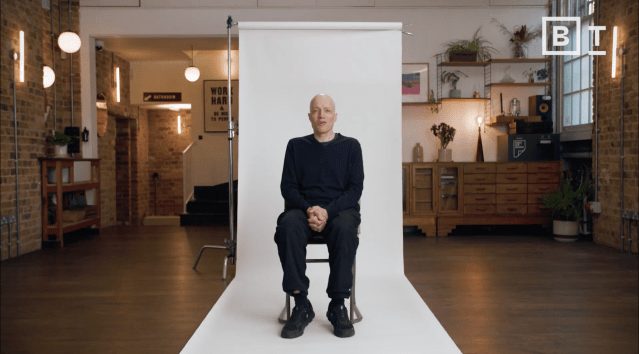
My name is Alain de Botton. I'm a philosopher, psychotherapist, and founder of the School of Life
0:10
Chapter 1. Our Destructive Romantic Culture We know in theory that love matters a lot. It's in every pop song, it's the center of most religions
0:21
We sometimes lose sight of what that word actually means. It's really about connection
0:27
And it is one of the most beautiful and one of the most complicated of all phenomena
0:32
Even though we think we've been around on this planet for a long time trying to figure things out
0:37
I'd say we were still at the dawn collectively of making sense of this phenomenon we call love
0:44
And it's no surprise that most people will go to their deathbeds thinking
0:50
not quite sure I've figured that side of life out. at least many of us, will still be grappling with some of the complexities of love by the time time
1:00
runs out on us. The most central kind of love that people are obsessed about, concerned about
1:06
is romantic love. That is the intimate connection between two human beings who have a sexual
1:13
contact. It's worth saying that there are other forms of love. We can love our children, we can
1:20
love animals, we can love ideas, we can love tables, chairs, clouds, all sorts of things
1:27
We are capable of many forms of love, but I'd say that when people sing about love and when they cry
1:33
about love, it tends to be the love of one very special person we tend to call our soulmate
1:40
our partner. It used to be the case that when people found partners, they would do so according
1:46
to fairly pragmatic considerations. In most nations, in most parts of the world
1:51
for most of history, couples were formed not by the individuals themselves
1:56
but by the wider society, families, the village, the court. There were, if you like, dynastic marriages
2:05
You would get together with somebody because they had a plough and you had an ox
2:09
and it seemed like a good match. Or you were the Duke of Brabant and they were the Princess of Naples
2:14
and that was seen as a wonderful union. So you got together for reasons
2:20
that were nothing to do with emotional compatibility. There were a lot of tears, there was sadness
2:26
there was loneliness, but it didn't seem to matter because relationships were seen to be about something else
2:31
There was then a momentous change that occurs towards the end of the 18th century
2:38
starting in Britain, France, Germany, parts of Italy, a revolution in feeling that we now know as romanticism. And one of the central tenets of
2:49
romanticism is that each individual should be left to decide on their partner by their own
2:56
the movements of their own heart. They should be left to decide for themselves. It's a beautiful
3:01
idea. It's a very liberating idea. It should make a lot of sense. And we have been in the romantic
3:09
age now for, you know, 200 years, perhaps shorter, perhaps a little longer, that kind of time period
3:16
And let's put it plainly, it's been a disaster. We are not any appreciably happier now in a romantic
3:25
culture than we were in a dynastic culture, where marriages were made for dynastic reasons. Why
3:32
Because we have failed collectively to focus with enough intent on the difficulties that couples
3:38
will have when they choose each other according to the movements of their own heart. Look, I think
3:44
a really key prejudice of the romantic worldview is that if love is working well, it should be
3:53
following instinct. There's been an enormous veneration, almost a worship of instinct. Love
4:00
is described as a special feeling, not in a set of ideas, not a sense of rationally observable
4:04
principles but a feeling. You either have the feeling or you don't. You must be guided by your
4:09
feeling. There's even a prejudice against language. You know, true lovers shouldn't talk too much
4:14
They should just feel the fluttering of their own hearts. That's why music has a huge prestige
4:19
higher than, you know, philosophy. When we're in love, we don't want to read philosophical tracks
4:23
we want to hear love songs. That is to do with our sense that emotion should be guiding us
4:30
not reason. Reason is the enemy in the romantic worldview of truly happy relationships. If you
4:37
follow reason, that's cold. It may be calculating. It's unromantic. And, you know, there are so many
4:43
things that are considered unromantic. And I would love to train our audience that every time
4:50
something seems unromantic, question it. Is it truly unromantic if we define romanticism as
4:57
the pursuit of a workable relationship. On that basis, is it unromantic to talk about money
5:04
Is it unromantic to think long and hard about childhood patterns of psychological development
5:11
Is it anti-romantic to spend a lot of time thinking about families and friends and compatibility at
5:19
that level? All these things, in my view, belong to a truly adequate way of surveying whether a
5:25
couple should be together. But I'm also aware that nowadays these things are considered very
5:29
unromantic. To live in a romantic culture means to live in a culture that has a set of ideas about
5:36
how good couples should form. They should be formed by instinct, that everybody has a soulmate
5:41
that you'll recognize your soulmate by a special fluttery feeling, that you shouldn't be asked to
5:46
account for that feeling. You should simply go for it and marry in Vegas in two weeks if that's what
5:52
seizes you, and that you should be able to communicate deeply with your partner without
5:58
using language through that special medium of the heart, through the silence. Also, that you
6:03
shouldn't criticize your partner, that true partners should love each other for who they really are
6:10
which means no desire to grow or change. You just accept someone. Couples in romantic culture
6:16
will sometimes complain, you're trying to change me. And this is seen as really offensive. It's like
6:23
what? You know, you complain to your friends. My partner's trying to change me. Oh, what an awful
6:28
person. This must be awful. You must get out immediately. If you went to an ancient Greek
6:34
if you went to Athens in 400 BC, and you said to an ancient Greek, what is love? And where is the
6:40
role of criticism. They would say love is a process of education. It's the education of emotion
6:47
And lovers should, of course, be able to pick each other up for things that they don't spot
6:53
in one another. And they should be trying to develop into the best version of themselves
6:58
rather than simply staying stuck in an admiration for who they are today. The whole process should
7:03
be dynamic, become who you could be, not worship who you happen to be right now
7:09
All of this sounds very strange in romantic culture, which is why relationships are so
7:15
difficult in our time. Let remember that a person life satisfaction is determined by up to around 70 by the quality of their personal relationships A Martian hearing that statistic visiting planet Earth would think well clearly Earthlings given the enormous role of love
7:36
will be spending 70% of their money and 70% of their educational time
7:40
working out how on Earth this business of love works. Is that true? No
7:45
We spend hardly any time rationally thinking about it. None of us are made to sit through classes in attachment theory
7:52
classes in apology, classes in listening, classes in communication. No, we're, you know, physics is important
7:59
Geography is important. Don't get me wrong. But is there no time for this, given its role in our lives
8:04
Do we really want to leave this to chance? And the answer is yes. And why
8:09
Because we live in a romantic culture that sees something adverse in planning and thinking and reflecting too hard on the business of love
8:18
It's very deleterious, and it's been a serious problem for humanity. One of the most powerful disseminators of romantic culture is art
8:27
And by art, I mean all the leading artistic media. Film, definitely
8:32
You know, if you were learning about love from films, you would be very confused
8:37
And that's why many of us are confused. Because films, and I include television shows and other narrative forms
8:44
these things are hugely misleading. They simply do not show what a real relationship is like
8:51
I mean, probably you can count on one hand that the number of films that have accurately shown love..
8:58
I think one of the most accurate representations of love is Richard Linklater's Before Trilogy
9:02
which ended up with Before Midnight. It's a wonderful reckoning, really, with the real complexities of love
9:08
But, you know, most films are not that. Most films are blithe, are superficial
9:13
are not modest enough in showing us what's really going on between couples
9:18
It's also intimidated through music. And music constantly gives us little miniature stories about how love works
9:26
And the music is terrific, but it's not accurate to what's going on
9:30
And it presses the wrong buttons. Poetry, no one really reads poetry nowadays
9:35
If they did, the problem exists in poetry too. So we have so much media around, and yet we're still so much strangers to ourselves
9:44
I would say that the single greatest, most misleading disseminator of ideas on love is culture and art
9:51
The problem is very heavily located there. Chapter 2. Lessons on love from psychotherapy
10:02
I think we need to split history into phases. The phase of the dynastic relationship
10:07
where people would get together for dynastic and financial and family reasons
10:13
That ended. That's behind us. Then we moved into the Romantic Age
10:17
and that caused a lot of problems and it lasted 250 years or so. We need to draw a line under that
10:22
We need to move towards something that I call the Therapeutic Age
10:27
The age of the Therapeutic Relationship. What on earth is a Therapeutic Relationship
10:32
Let me try and explain. A therapeutic relationship begins with the insights of psychotherapy
10:40
Psychotherapy has been with us for 120 years or so. It is the most sophisticated understanding of how human beings function emotionally
10:49
It's based on the insights of Sigmund Freud and all those who come after him
10:53
It is not going away. Some people say, oh, that's isn't that old hat
10:58
Wasn't Freud proved wrong? Sorry. No, he wasn't. I mean, of course, many, many areas of Freudian thought are wrong
11:05
but the fundamental insight that we have an unconscious, that how we love as adults was shaped by our childhoods
11:10
that there are defences that we put in place to protect ourselves as children
11:14
that cause difficulties for us as adults, this is indisputably true. And that's not going anywhere
11:21
All of us are the result of a very slow and long process of emotional education
11:27
that took place between the ages of zero and ten. This is extremely hard to perceive. Most of us are like, I never went to an emotional education
11:35
school. I just grew up. You know, my parents lived in Idaho or Milton Keynes or Frankfurt or
11:40
Yokohama. There's no sense that we've learned anything in particular. But my goodness, we have
11:46
All of us reach adulthood having learned very complicated languages of love and relationships
11:54
languages that tell us whether a human being can be trusted, whether we are worth something
11:59
whether communication is good, what happens when somebody is angry, what happens when we are shy
12:04
what happens when we sulk, how do we tell someone something important? All of these things will have
12:09
been imbibed in us. Let me give you a metaphor. Very few of us, I'd say none of us, remember what
12:15
it was like to learn language, to learn to speak. And yet, most of us know how to speak. But it went
12:22
in invisibly. While we were in the kitchen drawing buttercups, or in the garden doing handstands
12:27
all of us will have learned incredibly complex patterns of language, of grammar
12:34
We'll have learned about the pluperfect, we'll have learned about the subjunctive without even knowing that such things exist
12:38
We'll have learned tens of thousands of words and all sorts of ways of expressing ourselves without knowing a thing
12:45
I want to say that a similar process goes on at the level of emotional language
12:51
In the same way as we learn a grammatical language, we learn an emotional language
12:54
As I say, a language about trust, about kindness, about communication, about self-worth, about dialogue, etc. All these things that we take
13:04
with us into adulthood, we learned. And we learned from one place in particular
13:09
our families of origin, our mother and our father, or whoever our caregivers happen to be. These
13:15
people are immensely, immensely important in shaping our emotional grammar in the same way
13:22
as they shaped our linguistic grammar. I mean, anyone who's had a parent
13:26
with a regional accent of one kind or another will know that that sticks
13:30
You will pick up that regional accent from your parents and you will, it might stick with you all of your life
13:35
Same thing goes on with, as it were, the regional accents of emotional intelligence
13:41
You may speak a regional accent where every man is extremely frightening
13:45
or every woman has a tendency towards alcoholism or everyone who is kind is also slightly sadistic
13:51
or everyone who you depend on is also depressed. And these are all very, very difficult languages
13:56
to have been exposed to and to pick up on. Many of us, sadly, have come through childhood
14:02
with suboptimal language acquisition, emotional acquisition, if you like. And we take that into adulthood unconsciously
14:11
We have no clue where we've come from. And because we don't know where we've come from
14:16
we don't know how to plot a sensible course. And I'm going to mention something very important
14:21
which is attachment theory. One of the most useful tools for working out why relationships
14:26
work and why they don't was formulated by two researchers of near genus, John Bowlby and Mary
14:33
Ainsworth, two researchers working in the United Kingdom in the 1950s. They'd been very marked by
14:40
a phenomenon that took place in the 40s during the Second World War. In the Second World War
14:46
huge numbers of children were separated from their parents at a young age and were sent to
14:51
families outside London to escape the German bombing of British cities What researchers soon realised was that this was a catastrophe for the children The children began to exhibit extremely distressed behavior They would wet the bed they would get
15:07
very angry, they would not be able to eat, they would be in states of almost cataclysmic meltdown
15:14
Why was this? Materially they were well looked after. Psychologically, emotionally, they were
15:19
bereft. And researchers, this is one of the most moving stories in the history of the Second World
15:25
War, researchers realized that if this carried on, this would do more damage for the next generation
15:33
than any number of war dead. That the risks of German bombs were actually smaller than the risks
15:40
of ruptured emotional attachment. And on that basis, these psychological researchers wrote to
15:46
Ministry of Defense and the Home Office and got the children transferred back into their homes
15:53
in the cities of the United Kingdom. And thereby a great tragedy was averted. So that after the
15:59
height of the crisis, children were returned to their birth families and looked after again
16:04
by their closest figures of attachment. Why are we talking about this? Because this was the birth
16:09
of attachment theory. From watching how children were around their close caregivers in childhood
16:16
it was discovered that all of us are, in a sense, tethered to a story that we first have in childhood
16:24
around our caregivers. And the researchers in attachment theory began to divide human beings
16:31
into categories, highlighting their characteristic ways of behaving around relationships. To give you
16:38
a few of the categories, they identified something that we now know as avoidant attachment
16:44
Avoidant attachment is a way of relating to a troublesome and troubling caregiver
16:50
who in some ways lets you down. And by the way, caregivers, it's estimated let down around 50% of children
16:59
So around half of the population of any nation you care to mention
17:03
has got children wandering around with attachment wounds. It's an important statistic to bear in mind when you go on a date
17:10
you know 50% chance you've got somebody with an attachment wound that's not the end of the story
17:16
we can work with attachment wounds but we need to know that those attachment wounds are there
17:21
that's how we're going to try and solve the problem by knowing that the problem is there
17:25
an avoidantly attached person is somebody who responds to the insecurities in their relationship
17:30
with their caregiver by essentially moving away by pushing away intimacy the classic sentence that
17:38
an avoidantly attached person will say to their partner after a few beautiful weeks, a few mini
17:43
breaks, a few lovely times, they'll go, this is feeling a bit too intense, and then they will
17:49
withdraw in some way. They'll start causing a problem. They'll say, oh, I need to spend the
17:53
weekend with my friends or my mother really wants to see me. They'll pull away from a relationship
17:59
because it's getting too intense. And really what they mean is, I'm so afraid of love
18:04
and the way that I deal with my fear of love is to pull away
18:09
So that is avoidant attachment. And we see it all over the place
18:13
Some of your viewers will be avoidantly attached. Some of your viewers will have recognized this
18:18
with a partner that they had. It's not that the avoidantly attached person
18:22
doesn't want love. They want love. They're just terrified of it. Why are they terrified of it
18:28
Because it didn't go well for them in childhood. And this is something that we need to really keep in mind
18:34
We've got a culture that thinks that everybody's looking for love. They're not
18:39
They're ostensibly looking for love, but they're just as busy pushing love away when it comes
18:46
running away from it and making sure it doesn't succeed. Why? Because love is a threat
18:52
If you've grown up in an environment where love was not possible
18:57
where relationships between caregivers and children were not safe, you will have defended yourself against the risks of disappointment
19:05
You will have insulated yourself. And then when love comes your way in adulthood
19:10
what you will do against your knowledge, against your conscious knowledge, is make sure that love does not succeed
19:17
You will sabotage your own chances of a successful relationship. Let me give you a metaphor
19:23
Imagine that you've grown up in a prison camp. You were never fed or the diet was very meager
19:29
You didn't have much food. And then suddenly one day the prison gates are opened and you get to go to a banquet and you get to eat anything you like
19:39
And what might be the response? Panic. You might make yourself sick. You might try and eat the food
19:44
It might even kill you or threaten to kill you. Because why? You cannot metabolize the goodness on offer
19:51
Because you have learned to function with an emotionally restricted diet. an emotionally restricted diet where you've made do with very little. And so when there's a lot
20:05
suddenly on offer, you panic and you think this is too intense. In the same way that somebody who
20:11
has been going with almost no food will think it's far too intense to eat a rich chocolate cake
20:16
And sometimes healthy love is like a rich chocolate cake which we cannot bear
20:22
and some of your viewers will know the phenomenon whereby you offer somebody love
20:28
You love them, you feel that you want to give them a good life, you want to be a good partner to them
20:33
and they sort of accept it and then suddenly they run away. They put dynamite under it
20:38
This is a very common occurrence. What's going on? It's not that it's too bad, it's too good
20:44
And for some of us who had to get used to very poor relationships
20:48
the greatest threat is not a bad relationship, that's fine, It's a good relationship
20:54
And you get patterns, horrific patterns, where people have had an unstable and violent father, let's say
21:01
an uncaring and absent mother. And you think that these people are going to, you know, get to adulthood
21:07
and they're really going to make it up for themselves. They're going to find the love they yearn for and they're going to make it work
21:14
And what happens to them? Maybe a nice lover comes along. Someone kind offers them, you know, a home, as it were
21:21
you know, an emotional home. And maybe at the beginning they can bear it. It's easier at the
21:27
beginning. You can bear it at the beginning. But then the problem starts setting in when it really
21:32
becomes clear that love may work. That's when the traumatized attachment lover gets their sticks of
21:39
dynamite out and starts to blow the foundations of the house up so that they can return to the
21:45
suffering that feels more familiar. What you need to understand is that in love, we don't look for
21:51
for what will make us happy. Absolutely not. We look for what feels familiar
21:57
For some people, happiness and familiarity are one, but for many of us, they are not
22:03
For many of us, what is most familiar is a sense of not being loved properly
22:08
a sense of not being sure where we stand, a sense that someone may threaten us
22:12
a sense that someone may abandon us. That is our true home
22:16
And if that's our true home, we will be guided with a kind of honing instinct
22:22
to re that which is why you find again and again that the children of alcoholics do not head for sober partners They head for people who are struggling with alcohol Why the offspring of violent parents do not head for calm and kind partners
22:39
They head for people who are struggling with their temper. Now, what do we do about this
22:44
One optimistic story is to be found in the work of Sigmund Freud
22:49
who in many ways everything returns to him. He observed something which he called the repetition compulsion
22:55
He observed that human beings are not guided by a search for pleasure. They are guided by a search to repeat patterns, a repetition compulsion, often of pain
23:05
And he proposed an ingenious and, I think, optimistic answer to this
23:10
He argued that what many of us are doing when we repeat traumatic experiences
23:15
for example, getting back together with a violent partner or an alcoholic partner
23:19
What we're really doing there is not simply suffering ad infinitum for no reason
23:25
What we're trying to do is to master a challenge that we couldn't master in childhood
23:30
and we're trying to master it with the resources of adulthood. In other words, we're trying to get the alcoholic partner to stop drinking
23:37
in a way that we couldn't when we were children. We're trying to get the distance, emotionally uncommunicative partner
23:44
to start to talk in the way that our mother or father didn't. We're trying to make it up in the present
23:51
And Freud realized that for many of us, we wouldn't find the kind of excitement that we need
23:56
until we locate a partner who does suggest that they suffer from the very problem
24:01
that our crucial caregivers suffered from, until we find a little bit of an echo
24:05
of the original suffering. But the optimistic story is perhaps we can work with them
24:10
in the relationship to heal the pain. It's a very optimistic story
24:15
It works sometimes, and sometimes we may need to cut our losses
24:19
You know, love is not always about keeping going. Love is also sometimes about knowing that you are in a pattern
24:24
and that pattern is driving you to destruction. And when that happens, it's also important to know how to save yourself from sure destruction
24:36
Chapter 3. The Playbook for a Successful Relationship First of all, the idea of a playbook sounds strange
24:43
The idea of a playbook that you need to create to get in a relationship sounds really odd
24:48
You think, I don't need a playbook. I just need to head on in there, get a dating app, and off I go, and a nice new pair of clothes
24:54
But isn't it interesting, and wouldn't it be lovely to have a playbook that would be
25:00
trying to guide you to acquire the knowledge that you need for love
25:04
So the idea that love is a skill rather than an emotion is a strange one, but I think an
25:11
absolutely essential one in the worldview that I'm positing. You know, if somebody said, I'm going
25:16
to climb Mount Everest or K2, you would say, okay, how have you prepared for this? And you'd be
25:21
expecting them to show up with ropes, with training programs, with oxygen, with specially prepared
25:27
packs of food. You can get the metaphor. We walk into the mountain of love without sufficient
25:34
preparation and equipment. And then we're surprised that we routinely tumble off the mountain and we
25:39
blame the other person. We say we didn't match the right person. We haven't found our person
25:46
We go back on the dating app and we go ever further to try and find the right person
25:51
Don't get me wrong. Dating apps have their role. Sometimes we need to scan and see who's out there
25:56
and find a person who halfway meets us where we want to be. But once you've found a more or less
26:02
suitable person, that's when the work begins. And the work is to turn a stranger into somebody
26:09
that you can understand and who can understand you without bottling it, without panicking
26:14
without throwing them in the bin, without saying, we can't work this out if after five weeks and a pleasant mini break in Copenhagen
26:21
we suddenly have a conflict. No, the point is you need to stay where you are
26:25
and try and figure it out. But most people give up too soon
26:28
They say, we can't possibly do this. And they run for the hills, go back on the dating app
26:32
and find the next person with whom they will then try out an equally unfulfilling attempt to match their heart with a stranger's. What we need to do is
26:41
to start to create right people rather than search for them. And what does that mean to create a right
26:47
person? It means to work on yourself psychologically and therapeutically so that you understand your
26:54
script from childhood and do not simply play it out onto innocent person after innocent person
26:59
that you take responsibility for the problems that you are bringing into a relationship
27:05
At the School of Life, which I founded, an institution that is dedicated to emotional
27:10
growth and development, we tell our people that when they're on a date with somebody
27:14
among the first questions is to ask people playfully, how are you crazy? What does that
27:19
mean, how are you crazy? Why is everybody crazy? They're not necessarily crazy. Well, all of us have stuff that we need to be on top of. And if your person at dinner says to you
27:29
Yeah, I get the question. Yeah, I've got my crazy and my crazy is this, my crazy is that, my father, my mother
27:35
This is turning out to be a safe person. If the person goes, how do you mean? I can't possibly answer that question. That's rude
27:41
You think I'm not right or imperfect. Run for the hills. Drop it right there and then. I'm exaggerating, but this is probably not a person you should be hanging out with
27:50
because none of us need or can have perfect partners. But what we can have and must search for and must try to become is people who know enough about their patterns to be able to warn their prospective partners of what's going on and take averting action
28:09
The beginning of therapeutic relationships is to know that two people, when entering a couple, are not entering without a lot of history
28:20
It is essential that couples learn as much as possible about that history so that they are ready for the challenges and perplexities of love
28:31
A therapeutic relationship requires that each partner get on top of their dynamics that date back to childhood and are able to discuss them with relative grace, patience and insight with their partner so that when problems arise, and they will, they can adopt a therapeutic language
28:50
It is therapeutic to say, for example, when there is a conflict, I hear your point of view. It may not be mine, but I hear that it's yours
29:00
It is not therapeutic to say, you're wrong, you're an idiot, and you're just like your mother
29:06
or indeed like your father. This is not therapeutic. I'm kidding, but I'm making a very
29:10
serious point. Indeed, we do not tend to talk to each other in therapeutically informed language
29:16
We shout, we scream, we blame, we shapeshift, we don't take responsibility. We do all sorts of
29:22
things that doom us in relationships. Then we stand back and we say we're surprised. We are a
29:26
society that is obsessed with finding the right person without pausing to think, how do I become
29:33
the right person? How do I work on myself? Understanding that cannot be done simply
29:39
and this is paradoxical, by being on your own. This is another unbelievable mystery. You can't
29:45
understand yourself just by being with yourself. You need other people. Why is that? It's like
29:52
Why do you need a mirror to see the back of your head? Because we don't have eyes there
29:56
We need someone to help us to see the things that are
29:59
really hard for us to see. And psychotherapy gives us a forum in which we can come, tell the therapist
30:07
about what's going on in our lives, explain what happened last Monday, explain, you know, what
30:12
happened when we took that trip to New York or Buffalo, wherever it is, what happened. And then
30:18
slowly pattern recognition sets in. The therapist is able to go, it's funny, in that last relationship
30:24
you did this, this new relationship you're doing that, and you mentioned that your parent did
30:29
something that sounds kind of similar. So I wonder what's going on. And then slowly insight comes
30:34
We start to put the pieces together. We think I'm up to something. I'm doing something. And that way
30:40
is liberation. We can start to break the unconscious stories that we're living. Psychotherapy works
30:46
with this concept known as defences or defense mechanisms. In other words, these are tools that
30:52
our minds adopt to try and shield themselves from accurate knowledge of their own workings
30:59
This could sound really odd. Like, why don't we just embrace self-knowledge with open arms? Why do
31:04
we need to run away from it? The answer is that knowledge of ourselves is frightening. It's really
31:11
awful to have to learn certain things. It may make us very anxious. It may make us so sorrowful
31:17
It may panic us. And so we push away unwelcome information. I think that we still perhaps can't
31:24
quite bear how complicated we are. You know, we're very squeamish creatures. We don't like to sit
31:31
with ourselves. We don't like to sit with our emotions. Self-knowledge remains an enormously
31:37
elusive goal. You know, I think it is the most important goal of life. To understand oneself is
31:45
literally the meaning of life. The ancient Greeks knew this, you know, know thyself was the most
31:49
important command in ancient Greek culture and philosophy. Know thyself, most important thing
31:55
you could do. If you said nowadays, you know, in a conversation with friends or colleagues
32:00
what's your goal? Where are you trying to get to next year? What are you trying to do? Say, know thyself. People would go, that's a strange person there. We don't know about this
32:09
person, right? It's not an acceptable goal. We know that it's good to make money. We know that
32:15
it's good to travel to foreign countries, to learn how to fry garlic and to learn salsa. It's not
32:22
particularly esteemed to know yourself. And that's why we wander around strangers to ourselves and
32:28
therefore enormously confusing. And let's put it frankly, dangerous to other people. Because a
32:34
person who doesn't understand themselves, you know, if confronted with their behavior will go
32:38
it wasn't me, I didn't do it, or I can't think, or, you know, ask me tomorrow. They can't account
32:45
for themselves. They don't know why they do the stuff they do. They will simply, in a relationship
32:49
for example, bail out of a relationship going, you know, it's getting too intense. And why
32:54
They don't know. They don't understand what they themselves are doing. Even though, you know
32:59
they may have spent five years learning, you know, Spanish. They may have taken an advanced
33:03
degree in Japanese. They may be, you know, very active in all sorts of ways. They may have learned
33:07
pottery, they may be holding down a great job in marketing, something. But the point is
33:12
they will not have learned the really true constituents of emotional functioning
33:18
because they've been able to get away with it. And part of the playbook of becoming a better lover
33:22
is to dial down your defence mechanisms, to observe them. Typical defence mechanism is to push
33:29
responsibility onto other people, to say it's your fault. For example, someone tries to tell you
33:34
something about yourself. Someone says, I think that you, you know, you're a little bit this when
33:39
that happens, you know, and rather than going, thank you, let me think about that. You go
33:44
why are you being rude? Or this is not a good time for me, or I can't absorb this now. In other words
33:49
you push away information that might have helped you, not because it's false, but because it's
33:55
difficult to absorb. And that's often what happens to us. All of us, all of us are involved in
34:02
defense mechanisms. All of us can't quite bear the full truth about ourselves. It helps us to go to
34:07
psychotherapy. I know that, you know, AI is, you know, delivers some aspects of therapy. It can be
34:14
good at points. The good thing about a real human being is that they are not guided just by you
34:20
They've got their own independent judgment. And also you're in a relationship with them. And that
34:25
relationship is part of what heals you. Because the relationship with the therapist is a harbinger
34:31
of the relationship that you can then take out into the world, a relationship of trust and mutual
34:36
understanding. This is something that AI is not going to be able to replace anytime soon
34:41
So we need to understand ourselves. We need to understand the past. And then we need a certain
34:45
spirit. One of the things that we need in that playbook of love is a good sense of humor. That
34:49
could sound superfluous, like what on earth, you know, why do we need a sense of humor? Well, a sense
34:53
of humor is a modesty about our capacity to understand anything. And if we can signal to
34:59
our partners that, you know, we're a little stupid. We don't get it. We don't have all the
35:03
answers. That is a wonderful emollient. It's a wonderful lubricant to love because it just dials
35:10
down the temperature. If your partner is able to say, ah, I may not have understood this. I may not
35:16
be getting it. That's brilliant. And if they can make a little joke too, that's great. You know
35:22
if two people can learn to see each other as idiots, but lovable idiots, that's a beautiful
35:26
moment in love. It could sound negative. It's not. It's not. It's the most generous thing you can do
35:32
We are two blind people helping each other to find a way forward. If that's the spirit in which we
35:39
can enter love, that is a spirit of generosity, a spirit of mutual forgiveness. Too often we get on
35:45
our high horses. This is the way it is. I know the answer. This is what I think. That is not a friend
35:50
of love. So we need, if you like, a modesty, a humorous modesty. Let me give you another idea
35:57
Another thing that we need in order to make love work is a certain degree of pessimism
36:02
You know, optimism is the enemy of love. If we think that we will have a perfect love story
36:10
a love story with no ruffles in it, with no kinks in it, no, it's not going to happen
36:15
We need to accept that even a really good relationship has constant moments of crisis
36:21
And that's okay. The problem is not crisis. The problem is how do we repair crises
36:26
Can we repair them with forgiveness, with understanding, and most of all, with curiosity
36:31
Can we get curious about why we had a bus stop? Can we be searching for why our attachment patterns are not compatible
36:39
Can we get interested in why we're difficult to love? and that way will become easier to love
36:46
So pessimism is not an enemy of love. Knowing that there is no such thing as the right person
36:53
actually helps you to find a good enough person. You know a few years ago I wrote an essay that went viral I read it for the New York Times It was called Why You Will Marry the Wrong Person Why did that essay go viral I think it went viral because people all feel
37:11
sorry, let me correct that. Not all people, but many, many people feel
37:16
that they have married the wrong person. And they panic about this and they feel so ashamed
37:21
So here's an essay in the New York Times that says, yeah, we're all gonna marry the wrong person
37:26
And you know what? It's okay. You don't need to marry the right person
37:30
You need to marry a good enough person. You know, compatibility is not a precondition of love
37:37
Compatibility is the fruit of love. If we get together with someone and we find that there are differences, right
37:45
They have one kind of attachment style. We have another. They like golf
37:48
We like tennis. They like the curtains to be green. We like the curtains to be yellow, whatever it is
37:52
Too often in modern romantic dating culture, the answer is get out
37:57
Just get out, find someone else, find someone better. And that's why all the technological tools
38:02
are all about putting new people in front of you. Of course, sometimes you need to find new people
38:08
but as much as finding new people, what you need to do is to learn to live
38:12
with the people who are in front of you, with the people that you found. Many of us have already found a good enough partner
38:19
and yet we throw them in the bin because we are taught by romantic culture
38:23
that we can always find a perfect person with whom it will click immediately
38:28
And this is such a destructive idea. If you think, you know what, the work starts here
38:34
The work starts when you have a problem. Then you roll up your sleeves and you think
38:38
okay, well, I know that I, you know, broadly think this person's a nice person
38:42
Now we're gonna work at making sure that it can work. And so we're gonna talk
38:46
and we're gonna take this problem apart. We're gonna become like engineers
38:50
who've got a malfunctioning machine. We're gonna sort it out. This sounds unromantic, doesn't it
38:55
Imagine saying, in order to make my relationship work, every evening I've talked for an hour
39:00
in really patient ways. You think, oh my God, go to Vegas, find someone easier
39:06
Well, good luck to you. Maybe you'll find that person. But for some of us, especially some of us who've come through difficult relationships
39:11
in our past, we may need to go and do that kind of excavation
39:17
Maybe that's fine. I think that a good enough person is someone who will engage with the business of working towards compatibility
39:27
That they won't assume that you are wrong just because there are problems
39:31
They will know how to repair crises. They will know how to be curious. They will know how to listen
39:36
They will know how to be patient. That is compatible with all sorts of problems. Sexual problems, relational problems, administrative problems
39:43
Doesn't matter. You can work through them. So the wrong person is someone who stonewalls, who always blames you, who blanks out, who says, it's not my responsibility, or, you know, it was easier with my ex, and, you know, why are you so difficult, etc
39:58
These people are trouble because they are refusing the work of love. So it doesn't matter if you have many, many difficulties
40:04
That's okay. The problem is your attitude to the difficulties. and the solution is an attitude of indulgence
40:12
of curiosity and of calm consideration of the flaws that unite us all
40:17
We are all mad monkeys and so long as we've been kind towards the mad monkey in all of us, we'll be okay
40:24
One of the real problems, and you know, there's simply no solution
40:28
but we need to accept that there's a real problem, is how long it takes to work out who we are as lovers
40:36
as people interested in relationships, who we are. It takes so long and it takes especially long
40:42
to try and change our patterns. You know, if we are somebody who sabotages relationships
40:47
every time that love comes along, how long is that gonna take to unwind this
40:51
Well, it takes insight, but then it takes, as it were, work, true work
40:56
And sometimes people go to therapy for six sessions or 12 sessions and they go
41:00
I haven't changed, therapy doesn't work. And let's come back to my earlier example
41:05
about language. Imagine that you decided middle age as an English speaker to pick up Korean or
41:11
Finnish. And you went to six lessons and you tried to learn Finnish and Korean. And by the end of six
41:16
lessons, you could barely ask for, you know, barely say your own name or say hello. And then you blamed
41:21
it on the whole process. And you said, I'm not learning this language. It's rubbish. People would
41:25
say you're being too impatient. And I think that some of the same holds true for rewiring our
41:30
emotional language. We can't pick this up in six sessions of 50 minutes. It takes a long time
41:36
A pattern that was laid down over decades is going to take many, many years to figure it out. It's
41:42
I mean, believe me, it's bad news. I wish it weren't so. Can we do anything in the meantime
41:48
Yes, of course we can. We can, you know, we can be learning and walking. We don't have to pause
41:52
and just sit by the roadside. We can be starting on the path of relationships. We can be starting
41:57
from a relatively young age. But we need to be doing the work alongside
42:01
and we need to be able to at least do the first thing
42:05
which is to say, I'm learning, I'm a learner. There's a real difference between someone who goes
42:11
I know it all, and someone who knows that they are still learning. When Socrates, the ancient Greek philosopher
42:16
was asked why he was the wisest person in antiquity, he said, because I know what I don't know
42:23
In other words, that the birth of true wisdom is associated with a knowledge of your ignorance
42:28
I think that's the best way we can proceed also in relation to our love lives
42:33
There are lots of questions that we could learn to ask ourselves and our partners in order to try and find a better relationship
42:40
One of them is this. When I get close to you, how does that feel, right
42:45
To open up a window onto some of the complexities that occur when somebody gets close
42:50
if I love you, what part of you might worry, right? That's a good question. Does any part of
43:00
you worry? Another really useful question is how do I respond when someone is trying to communicate
43:08
something to me? Do I stonewall or do I accept? Am I able to pause and think the issue might be
43:17
with me? Or do I always have to go, I can't answer that. It's the other person. You're being unfair
43:24
You're putting me under pressure. What is your level of emotional dexterity? So that's a good
43:31
question to be asking yourself as well. Also, one of the really good questions in any relationship
43:37
is to say, how have I annoyed you? How have I frustrated you? You know, a lot of what happens
43:43
between couples is there are things that are bubbling away beneath the surface that people
43:47
can't find the courage to say. And because they can't say them, the problem doesn't improve
43:52
The problem gets worse. People can't have sex anymore. A lot of the reason why people can't
43:57
have sex, it's got nothing to do with sex, it's to do with the fact they feel disconnected and
44:00
angry and misunderstood You can have sex with someone who you feel misunderstood by or you feel furious with What helps desire is trust And the way to build up trust is to communicate
44:12
and particularly communicate ruptures of trust. So if you want to have good sex, don't get a candle
44:18
don't go to a hotel. Start to ask each other, have I annoyed you? Is there something I've done
44:24
that you'd like to tell me? And you say this patiently, not in the middle of the night when
44:28
you're stressed or maybe you've drunk too much, but when you're calm, when there's a sense of
44:33
you know, lightness and forgiveness, use the right moment to ask the right question
44:39
We're living in a world where therapeutic language and insights have spread for the first time far
44:45
outside the consulting room. There is mass adoption at a superficial level of therapeutic
44:51
language. And the area where we find this most obviously is social media and in particular
44:56
Instagram, which is enormous. It's an enormous force in the world. And it has brought up a
45:01
generation, I'd say, to speak in pseudo or vaguely therapeutic terms. I don't mean that as an insult
45:09
Some of these insights have been fantastic. People are now able to talk about, let's say
45:14
attachment theory, that, you know, the mention of an avoidant attachment theory or an anxious
45:18
attachment theory in many circles now doesn't create the puzzlement that it was generating 15
45:23
years ago. 15 years ago, this was not common knowledge. That was still in the university
45:27
in textbooks, and in the consulting room. Now it's out in the world. And the medium that has
45:31
changed this, as I say, is social media. What's the problem? I'll tell you one of the problems
45:36
One of the problems is whose fault it is. The tone of a lot of social media posting
45:43
blames the problem for the struggles in relationships fairly and squarely on the partner
45:49
not on yourself. There is an obsession with finding borderline people, narcissistic people
45:55
avoidance, anxious people out in the world. And of course they exist, but the tone is the problem
46:02
The tone says, get out. These are red flags and everybody that you're meeting, the reason why you
46:09
haven't made a relationship work is because these people are unbalanced psychologically
46:14
My answer is this. If you are looking to find a person with no problems at all
46:20
with no psychological disturbances, good luck to you. If you're looking to find somebody with no red flags, good luck to you
46:26
Everybody has red flags. That's part of what it means to be human
46:31
That's the story of Genesis. The story of Genesis is Adam and Eve had some red flags
46:36
That's what it is to be human being, is somebody with a red flag
46:40
So the problem is not the red flag, it's how you deal with it. And this is what I worry that therapeutic culture on social media doesn't train us to do
46:47
It doesn't train us for patience. It doesn't train us to think we might be the problem
46:51
It doesn't ask us to think what we've brought to the situation. It doesn't create an atmosphere of forgiveness
46:58
The reason is very simple. Outrage sells. It's more fun. It feels more spirited
47:05
It's punchier to say, that ex of yours, they're the avoidant. They're crazy
47:11
They're narcissistic. it sounds better and it leaves everybody happier. But long term, it's not the solution
47:20
Chapter four, overcoming status anxiety and loneliness. You know, we mustn't forget that one of the sources of love that is most important to us
47:30
is not just interpersonal romantic love, but the love that you get from other people
47:37
strangers dependent on your standing in the community your status you know status is a really
47:45
interesting feature of everybody's ambitions you know why do we work so hard we work so hard not
47:52
just for material rewards we work hard in order to gain the esteem the respect the regard of people
48:00
whose good affections we rely on to feel good about ourselves if you said to somebody you've
48:05
got a choice. Either we'll give you $10 million a year, but every time anyone sees your face
48:12
they'll go, oh my God, I hate that person. They're awful. I despise that person. You could have that
48:17
option. Or we'll give you a minimum wage, absolute minimum, bare minimum to survive
48:23
But every time anyone sees you, they'll go, oh my God, that person is amazing. It's just great
48:28
et cetera. We know which one we'd pick. We know that we would pick the love and affection of the
48:33
stranger and the respect and esteem of our community way over simple material rewards. Now
48:40
in our culture, the reason why most of us work so hard and the reason why most of us are so
48:45
interested in money has nothing to do with the money. It's just that money is the chief conduit
48:50
towards the love and respect that we stand to gain from our communities. If you change the status
48:54
system and what it's earned, you know, what you get status for, you will change the incentive
48:59
structure. There have been periods in history where the number one thing you needed to do in
49:03
order to have a high status was to worship God really intently. And then if you're good at
49:08
worshiping God, you'd be considered amazing. And then people did that in droves, and that was
49:12
considered very, very serious. In other cultures, it was considered very serious to be a good hunter
49:17
So people became more and more good at hunting. And that was what you did. And that was the route
49:22
to getting status. Nowadays, how do we know what the status system is based on? We know it because
49:27
of a very simple question that any stranger will ask us within normally 30 seconds of meeting us
49:32
What do you do? And according to how you answer that question, people are either going to be
49:36
really pleased to see you. Oh, great. We must hang out. Or they'll leave you alone by the peanuts
49:40
and they don't want to know you. We're living in a world of snobs. A snob is really anyone who takes
49:47
a small part of you and comes to a global decision of what you're worth and how much love you're
49:52
worth. And that is the reality, the brute reality of the way in which we live in society. We will be
49:58
judged ruthlessly by our careers, by what is on our business card. And we will be given love
50:04
status love, not romantic love, but status love. Maybe romantic love too, that's another
50:08
consideration, but generally status love according to how impressive we are in the field of careers
50:15
It's why we work so hard, it's why we're so panicked about careers, and it's why there's
50:20
to spare when careers don't work out. We're losing not just materially, we're losing our sense of our
50:26
good name in the eyes of society. It's very brutal. I think older societies, pre-modern societies
50:33
had some built-in safety valves to try and protect people from that unitary sense that what you are
50:42
worth is what you do, that you are what you do. It's always been somewhere there in the system
50:47
because we are material creatures. We do depend on material goods. So it's always been that as part
50:51
of the mix. But other cultures have softened this in a way that ours no longer does. They've softened
50:57
it in a number of ways. Firstly, through religion, through the mass adoption of religion. And the
51:01
interesting thing about religion is generally the gods that people have worshipped love people not for what they do but for who they are They look inside your soul And that a vital defense mechanism You giving unto Caesar what Caesar wants and the rest is up to God
51:17
And that gives you a sense of freedom. It's like, well, I may not be performing so well in my career, but I've got an alternative
51:24
route to love and affection. That's a huge defense. The other thing that really protected people was isolation
51:33
You know, we are one of the first societies to be constantly surrounded 24-7 by other people
51:38
We live in vast cities. Most of the world's population now lives in a city
51:43
That wasn't the case until, you know, a minute ago. This is very new
51:47
When you don't live in a city, what do you live surrounded by? A very important psychological tool called nature
51:54
Trees, rivers, forests, grasses, insects, animals. What on earth has these things got to do with love
52:01
Well, what they do is they break that unitary system where you are worth what another human being defines you as being worth
52:10
When you're surrounded by nature, you're no longer just defined by other humans
52:14
You get to live in a more expansive, a more liberated world where your value is up to wider forces
52:22
And that lends a lot of oxygen and a lot of freedom that we've lost as we've moved towards urban societies
52:27
And of course, as we've gone online. Okay, here's another pet idea of mine
52:32
You know, religion disappeared as the guiding force in people's lives around 100 years ago
52:39
when Nietzsche famously said, God is dead. He announced the death of God
52:43
Now, you might say, hang on a minute, there are lots and lots of believers. There are. Of course there are
52:48
Many societies are still defined by religion. However, one can propose that in key ways we are no longer living in religious societies
52:56
We are living in modern, secular societies that are based around romantic love, status performance, material goods, a denial of nature, a cutting off from the natural world, and a cutting off from any sense of human agency being limited
53:13
We believe in human agency being able to determine everything. Along with that comes a denial, of course, of our own mortality
53:19
How would we start to do something about that? Well, I think we need to look to religions for answers
53:25
Religions have worked it out. I think that we need to steal from religions and to institute in
53:32
secular culture many of the manoeuvres and safety valves and genuine insights that religions were
53:40
brilliant at delivering. For example, we need to break bread together. All religions bring people
53:47
strangers together to break bread from different communities in order to lessen suspicion. We need
53:52
to get back to a tradition of communal dining and of breaking the barriers that separates
53:59
strangers from one another. We need also to talk with intelligence and intent about love
54:07
and about our capacity and possibility of loving better than we do, of reminding ourselves that we
54:12
need to make an effort around love. Buddhism does this, Christianity does this, all the main religions
54:18
emphasize not just that love is important, but that love is hard. And we need a little bit of
54:24
that. Religions also, almost all of them have created spaces that are separate from the spaces
54:30
of commerce. Spaces that are beautiful, spaces that are peaceful, spaces that bring people together
54:36
to create a different kind of fellowship. One more guided by a spirit of friendship and kindness
54:44
and vulnerability. We need to replace our temples and churches with secular buildings that aren't
54:49
just going to be shopping malls and that aren't just going to be car showrooms, but that places
54:54
that will bring people together, the most beautiful community centres imaginable, still need to be
54:59
built. And I'd love to see them built. We think we're alone in being alone. And we think there
55:04
is shame that attends to admitting how alone we are. The route out of loneliness is to share
55:11
your loneliness, is to dare to believe that the things you are most ashamed of cannot be
55:17
structurally, they cannot be things that exist in your heart alone. That they have to be things
55:23
that despite the evidence, the surface evidence of other people's cheerfulness, probably exists in
55:28
other people. Other people are also lonely, are also sad, also feel lost, also feel that they've
55:34
messed up, also have a hard time in their relationships. The beginning of friendship
55:39
begins with the capacity to be vulnerable and to admit to loss and sadness. We think that friendship
55:45
is a mutual club for cheerfulness. It's not. True friendship begins with tears, with the ability to
55:51
admit to sadness. This is why men in many ways have a harder time than women forming deep friendships
55:57
because men, there's still in many societies a real taboo around male tears. Men cannot admit
56:03
to being sad and weak without feeling that they have lost their masculinity
56:09
extremely unfortunate as a route to friendship, because it means that your friendship will need
56:13
to be based on posturing and on the recounting of triumph and success. Whereas in fact, of course
56:19
true friendship begins with the revelation of vulnerability and fragility. As ever with a
56:24
problem, self-awareness and mutual awareness is the way through. Once we can see the pattern
56:30
we can break the pattern. Once we can see that we're living in a prison defined by material
56:35
a material status system that many of us don't value, that we are doing this not because we want to
56:42
but because it exists, we can start to find alternatives. I'm not talking about throwing in your job
56:47
I'm talking about evaluating yourself and other people beyond your job. I'm talking about getting back in touch with nature
56:54
I'm talking about getting in touch with vulnerability and sharing that vulnerability. These are all tools and mechanisms
56:59
that we can put in motion to escape an otherwise really oppressive and genuinely loveless
57:05
environment in which we're forced to live and can't breathe very easily in. You could define love
57:11
as the quest to overcome isolation and understand someone else and find understanding by someone
57:20
else. It is the most noble and the most complicated of goals. If anyone can reach the end of their
57:27
life and say, I have loved, I've loved properly, I've understood and been understood, I've helped
57:32
and been helped. This is a life well lived. We don't need to achieve that much that is splendid
57:38
in the material world or in the world of insight in the humanities, insight in the sciences. What
57:45
we really ultimately need to do to make our time worthwhile is to have built a bridge to another
57:50
human and to have opened our heart and have seen theirs with respect and humility and generosity
57:55
That truly ultimately is the definition of a good life. want to support the channel join the big think members community where you get access to videos
58:08
early ad free
Family & Relationships
Romance