
Up next in 10

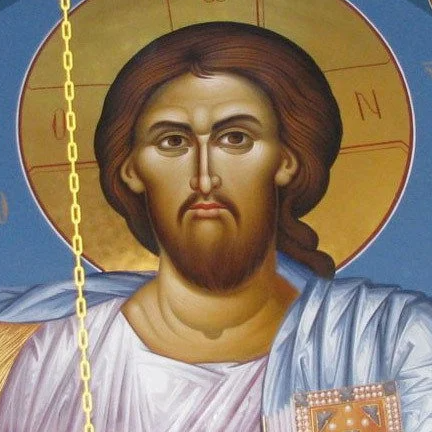
Welcome to our daily encounter with the Word of God! Today we reflect on the readings of the day: the First Reading from the Book of Exodus (Exodus 32:15-24,30-34) and the Gospel according to Saint Matthew (Matthew 13:31-35). These passages speak of the seriousness of sin, the power of intercession, and the hidden yet powerful growth of God’s Kingdom.
First Reading (Exodus 32:15-24,30-34):
Moses descends from Mount Sinai with the tablets of the Law and finds the people worshiping the golden calf. In anguish and righteous anger, he shatters the tablets and rebukes Aaron for giving in to the people’s demands. The next day, Moses pleads with God for forgiveness on behalf of the people, even offering his own life. God reaffirms that each will answer for their sins but remains faithful and continues to guide them.
This reading reveals the gravity of idolatry but also the strength of true intercession and God’s enduring mercy. Moses prefigures Christ, who intercedes for us before the Father.
Gospel (Matthew 13:31-35):
Jesus teaches through parables. He compares the Kingdom of Heaven to a mustard seed — the smallest of seeds that grows into a large tree — and to yeast that leavens the entire batch of dough. In this, Jesus shows that the Kingdom starts small and hidden but has extraordinary power when embraced with faith.
This Gospel invites us to trust in the small acts of love and faith we sow each day. God’s Kingdom is already among us — growing silently in hearts open to His grace.
Reflection and Call to Conversion
Today’s readings remind us that sin separates us from God, but repentance and intercession open the path to forgiveness. At the same time, we are invited to believe in the hidden growth of the Kingdom. What seems small in human eyes becomes great in the hands of God.
Share in the comments how today’s Word touched your heart. May it inspire your conversion and strengthen your faith.
📖 Readings of the Day:
First Reading: Exodus 32:15-24,30-34
Gospel: Matthew 13:31-35
Show More Show Less View Video Transcript
0:04
[Music]
0:07
Reading from the book of Exodus. In
0:09
those days, Moses returned from the top
0:12
of the mountain carrying in his hands
0:14
the two tablets of the covenant law
0:16
which were written on both sides. They
0:19
were the work of God. And the writing
0:21
engraved on them was the very writing of
0:23
God. When Joshua heard the tumult to the
0:26
people shouting, he said to Moses,
0:28
"There are war cries in the camp." Moses
0:31
replied, "They are not shouts of victory
0:33
or shouts of defeat. What I hear are the
0:36
voices of people singing." When he
0:38
approached the camp and saw the calf and
0:40
the dancing, Moses became enraged and
0:43
threw the tablets to the ground,
0:45
breaking them at the foot of the
0:46
mountain. Then he took the calf they had
0:48
made, burned it, and ground it to
0:51
powder. Then he sprinkled the powder on
0:53
the water and made the children of
0:55
Israel drink it. Moses said to Aaron,
0:58
"What have these people done to you that
1:00
you have brought such a great sin upon
1:02
them?" Aaron replied, "Let not my Lord
1:05
be angry. You know that these people are
1:08
bent on evil." They said to me, "Make us
1:11
gods who will go before us. For as for
1:14
Moses, who brought us up out of the land
1:16
of Egypt, we do not know what has become
1:18
of him." So I said to them, "Who among
1:21
you has gold?" They brought gold and
1:24
gave it to me, and I threw it into the
1:26
fire, and out came this calf. The next
1:29
day Moses said to the people, "You have
1:32
committed a very great sin. But I will
1:34
go up to the Lord to see if by any means
1:36
I can obtain forgiveness for your sin."
1:40
Moses returned to the Lord and said,
1:42
"Ah, these people have committed a very
1:45
great sin. They have made for themselves
1:48
gods of gold. Please forgive them this
1:50
sin or else blot me out of the book you
1:53
have written. The Lord answered Moses.
1:56
It is the one who has sinned against me
1:58
that I will blot out of my book. And now
2:00
go lead these people to where I told
2:03
you. My angel will go before you. But
2:06
when the day of punishment comes, I will
2:08
punish them for this sin of theirs. The
2:11
word of the Lord. Thanks be to God.
2:21
[Music]
2:22
Proclamation of the Gospel of Jesus
2:25
Christ according to St. Matthew. Glory
2:28
to you, Lord. At that time Jesus told
2:31
them another parable. The kingdom of
2:33
heaven is like a mustard seed that a man
2:35
took and swed in his field. Though it is
2:37
the smallest of all the seeds, when it
2:40
grows, it becomes larger than the other
2:42
plants, and it becomes a tree, so that
2:45
the birds come and nest in its branches.
2:48
Then he told them another parable. The
2:50
kingdom of heaven is like yeast that a
2:52
woman took and mixed into three measures
2:54
of flour until it worked all through.
2:56
Jesus spoke all this to the crowds in
2:59
parables. He did not say anything to
3:01
them without a parable to fulfill what
3:03
was spoken through the prophet. I will
3:05
open my mouth in parables. I will
3:07
proclaim things hidden since the
3:09
creation of the world. Word of
3:12
salvation. Glory to you, Lord.
3:20
[Music]
3:23
Dear brothers and sisters in Christ,
3:26
imagine for a moment that you are
3:27
tending a garden. You have planted a
3:30
small, almost imperceptible seed in the
3:32
dark, seemingly barren soil. Days pass,
3:36
weak stretch, and there is no sign of
3:39
life. You begin to doubt. Perhaps the
3:42
seed was dead. Perhaps the soil was
3:45
unsuitable. Perhaps you have wasted your
3:48
time and energy. But then one day, a
3:52
tiny green leaf breaks the surface. It
3:54
is so small that it almost goes
3:56
unnoticed, but it is there. a promise of
3:59
life, growth, and abundance. This image
4:02
invites us to reflect deeply on today's
4:05
readings, which present us with a
4:07
dramatic contrast between human
4:08
impatience and divine patience, between
4:11
our spectacular failures and the quiet
4:13
victories of God. In the first reading,
4:16
we encounter one of the most dramatic
4:17
and shameful scenes in Israel's history.
4:20
Moses descends from Mount Si carrying
4:23
the tablets of the law written by the
4:25
very finger of God. What a moment it
4:28
must have been. Imagine the
4:30
anticipation, the somnity, the reverence
4:33
that should have marked this meeting
4:35
between heaven and earth. But instead of
4:37
encountering a people in prayer and
4:39
worship, Moses encounters a scene of
4:41
rampant paganism. The people had built a
4:44
golden calf and were worshiping it with
4:46
dancing and festivities. In a moment of
4:49
righteous anger, Moses breaks the sacred
4:51
tablets, a symbolic gesture representing
4:54
the breaking of the covenant between God
4:56
and his people. The irony is
4:58
devastating. While God was literally
5:01
carving his law in stone to deliver to
5:03
the people, these same people were
5:05
violating the first and most fundamental
5:06
commandment. You shall have no other
5:09
gods before me. It was a betrayal that
5:12
happened at lightning speed, an almost
5:14
instantaneous apostasy. When Moses
5:17
confronts Aaron about this unbelievable
5:19
situation, his response is almost
5:21
comical in its absurdity. You know this
5:24
people and you know that they are
5:26
inclined to evil. They said to me, "Make
5:29
us gods to go before us, for we do not
5:32
know what has happened to Moses." I said
5:34
to them, "Whoever has gold, let him take
5:37
it." They gave it to me, and I threw it
5:40
into the fire, and out came this calf.
5:43
And out came this calf. as if by magic,
5:47
as if Aaron were merely an innocent
5:49
bystander to a spontaneous miracle. This
5:52
is human nature at its rawest, our
5:55
tendency to rationalize our mistakes, to
5:57
minimize our responsibility, to blame
6:00
circumstances for our deliberate
6:02
choices. But what strikes me deeply in
6:04
this narrative is not just the people's
6:06
unfaithfulness, but Moses' response.
6:09
After confronting sin, after executing
6:12
justice, he returns to the Lord not with
6:14
accusations against the people, but with
6:17
courageous intercession. Ah, this people
6:20
has committed a great sin by making
6:22
themselves gods of gold. Now, if you are
6:25
willing, forgive their sin. If not, blot
6:28
me out of your book, too. What
6:31
sacrificial love. Moses is willing to be
6:34
condemned along with the people he
6:36
loves. He is willing to share the fate
6:38
of those for whom he intercedes. This is
6:41
a powerful prefiguration of what Christ
6:43
would do for all humanity. Take our
6:46
condemnation upon himself so that we
6:48
might receive his forgiveness. And God's
6:50
response reveals his merciful nature.
6:53
Whoever has sinned against me, I will
6:55
blot out of my book. Go now, lead the
6:58
people to the place I have told you.
7:01
Behold, my angel will go before you.
7:04
Despite betrayal, despite infidelity,
7:07
God does not abandon his people. The
7:10
journey continues. The covenant endures.
7:13
The promise remains. Now, let's
7:16
transition to the gospel where we find
7:19
Jesus telling parables about the kingdom
7:21
of heaven. At first glance, it might
7:24
seem like these readings have nothing in
7:26
common. One speaks of spectacular
7:28
failure, the other of gradual growth.
7:32
One portrays drama and crisis. The other
7:35
describes quiet, almost imperceptible
7:37
processes. But there is a profound
7:40
connection here. Both readings address
7:42
the nature of God's work in the world
7:44
and in our lives. In Exodus, we see how
7:48
God works through crisis, failure, and
7:51
restoration. In the Gospel, we see how
7:54
God works through gradual, almost
7:56
invisible, yet inevitable growth. Jesus
8:00
compares the kingdom of heaven to a
8:02
mustard seed. The smallest of all seeds.
8:05
What a humble image. If you've ever seen
8:08
a mustard seed, you know it's almost
8:11
microscopic. You could easily miss it if
8:14
it fell to the ground. It seems
8:16
insignificant, unimportant, easily
8:19
forgotten. But Jesus tells us that this
8:22
tiny seed when planted becomes larger
8:24
than the other plants in the garden and
8:26
becomes a tree so that the birds of the
8:28
air come and nest in its branches. What
8:31
an extraordinary transformation from the
8:34
nearly invisible to the impressive, from
8:37
the insignificant to the providential.
8:39
This is the nature of the kingdom of
8:41
God. It rarely arrives with fanfare or
8:45
spectacle. It doesn't come with the
8:47
grandiose rituals of the golden calf or
8:49
the noisy celebrations of idolatry.
8:52
Instead, it arrives quietly, humbly,
8:56
almost unnoticed. But once planted, its
8:59
capacity for growth and transformation
9:01
is limitless. Jesus also compares the
9:04
kingdom to yeast that a woman hid in
9:07
three measures of flour until it was all
9:09
leavened. Again, we have an image of
9:12
something small and hidden that has a
9:14
transformative effect on everything
9:15
around it. Yeast doesn't force the dough
9:18
to rise. It works from the inside out
9:21
silently but powerfully until the whole
9:23
dough is transformed. My dear brothers
9:26
and sisters, sisters, what a powerful
9:28
message we have here for our lives. In a
9:31
world obsessed with immediate results,
9:34
spectacular successes, and instant
9:36
transformations, God reminds us that his
9:39
most profound work often happens almost
9:41
imperceptibly. How many of us get
9:43
discouraged because we don't see
9:45
dramatic changes in our spiritual lives.
9:48
We pray for transformation and don't see
9:50
smoke from Mount Si or tongues of fire
9:53
at Pentecost. We work to build the
9:55
kingdom of God and don't see multitudes
9:57
being converted or spectacular miracles
10:00
occurring. But Jesus teaches us that the
10:02
kingdom of God works like that mustard
10:04
seed. Every act of kindness is a seed
10:07
planted. Every word of encouragement is
10:10
leaven mixed into the dough of someone's
10:12
life. Every whispered prayer is a small
10:15
light lit in the darkness. And just as
10:17
Moses interceded for the unfaithful
10:20
people, we are called to be patient
10:22
intercessors. Just as God did not
10:24
abandon Israel despite their betrayal,
10:27
we can trust that God will not abandon
10:29
us in our moments of weakness and
10:30
failure. The contrast between the
10:32
readings also teaches us about the
10:34
nature of God's timing versus our time.
10:38
The people of Israel couldn't wait for
10:40
Moses and created their own instant God.
10:43
We too are tempted by immediate
10:45
gratification, by quick fixes, by
10:48
visible results. But the kingdom of God
10:51
operates on a different timeline. Like a
10:54
mustard seed, it can take time to
10:56
germinate, grow, and bear fruit. Like
10:59
yeast, it works silently, but
11:01
inevitably, transforming everything
11:04
around it. Think of the big changes in
11:07
your own lives. They probably didn't
11:09
happen overnight. They were the result
11:12
of small daily choices, small acts of
11:14
faith, small moments of growth that
11:17
accumulated over time resulted in
11:20
significant transformation. Similarly,
11:23
our influence in the world can seem
11:25
small and insignificant, a kind
11:27
conversation with a neighbor, a moment
11:30
of patience with a weward child, a quiet
11:33
donation to someone in need, a
11:35
forgiveness granted when hurt is still
11:38
fresh. These may seem like actions too
11:40
small to change anything. But Jesus
11:43
assures us that in the kingdom of God,
11:45
the small is powerful. The humble is
11:47
exalted. The hidden is revealed. Every
11:50
seed of goodness we plant has it the
11:52
potential to become a great tree where
11:54
others find shelter. Every bit of the
11:57
leavenven of love we mix into the dough
11:59
of human life has the power to transform
12:01
entire communities. The story of the
12:03
golden calf reminds us that we can fail
12:06
spectacularly. We can disappoint
12:08
ourselves and disappoint God. We can
12:11
build idols and worship them with great
12:13
enthusiasm only to discover they are
12:16
empty and powerless. But the parables of
12:18
the mustard seed and the leaven remind
12:20
us that God is always working, always
12:23
planting, always fermenting new life
12:25
amid our failures. Even when we can't
12:28
see it, even when we don't feel it, even
12:30
when we doubt, God's work continues. So
12:34
today, I encourage you, don't despise
12:36
small beginnings. Don't be discouraged
12:39
by the seeming insignificance of your
12:41
efforts. Don't lose hope when change
12:44
seems too slow. Remember that you are
12:47
bearers of the kingdom of God. Each of
12:49
you carries divine seeds that when
12:52
planted in fertile soil can grow beyond
12:55
all imagination.
12:57
Each of you is sacred levan capable of
13:00
transforming any situation God places
13:03
you in. And when you fail, because we
13:05
all do, remember God's mercy revealed to
13:08
Moses and the rebellious people.
13:11
Remember that our God is a God of second
13:13
chances, of new beginnings, of
13:15
undeserved grace. May we plant with
13:18
patience, grow with perseverance, and
13:21
trust in the transformative power of the
13:23
one who can bring forth life even from
13:24
the most barren soil of our failures and
13:27
limitations. May the grace of our Lord
13:29
Jesus Christ, the love of God the
13:31
Father, and the communion of the Holy
13:33
Spirit be with you all today and always.
13:37
Amen.
13:39
[Music]
13:47
St. Michael the Archangel, defend us in
13:49
battle. Be our protection against the
13:52
wickedness and snares of the devil. May
13:54
God rebuke him, we humbly pray. And do
13:58
thou, O prince of the heavenly host by
14:00
the power of God, cast into hell Satan
14:04
and all the evil spirits who prowl
14:06
throughout the world seeking the ruin of
14:09
souls. Amen.
14:12
[Music]