Up next in 10

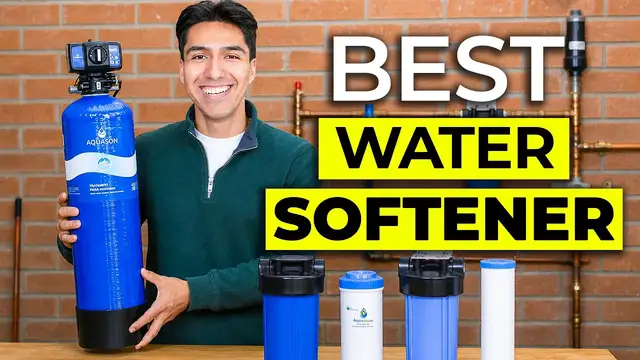
How To Choose the BEST WATER SOFTENER For Your Family Buyers Guide Chris Barros 2nd revision
Jun 30, 2026


In this video, I go over how to choose the best water softeners. Check them out here Home Water Test Kit - https://geni.us/TjnmIvI Aquasure Harmony - https://geni.us/MZTxkBG Springwell SS - https://geni.us/QVoS YARNA Electronic Water Descaler - https://geni.us/LFxKvE Want FREE Shipping With Amazon Prime? Get a 30-DAY FREE TRIAL by signing up here http://www.amazon.com/tryprimefree?tag=thechrisreview-20 DISCLAIMER: This video and description contains affiliate links, which means that if you click on one of the product links, I’ll receive a small commission. This helps support the channel and allows us to continue to make videos like this. Thank you for the support!
Show More Show Less View Video Transcript
0:00
Did you know that around 85% of homes in the United States have hard water
0:04
And that isn't a small number. That's most of us. And if your family has never tested your water or done anything about it
0:11
there's a chance you've been paying for more without even realizing it. But don't worry, because a good water softener can easily fix this problem
0:19
And the real challenge is knowing how to pick the right one without wasting money on the wrong thing
0:24
And that's exactly what this video is here to help you with. I'm going to walk you through everything you need to know from testing your water to choosing the
0:30
right system. So stay with me because this is going to be worth your time. First let's clear up a
0:35
question you may always have been curious about. Where does hard water really come from? And the
0:39
answer is pretty simple. Every drop of hard water starts as rain. When rain falls from the sky it's
0:45
naturally soft but once it reaches the ground it moves through layers of soil and rock underground
0:51
and along the way it dissolves small amounts of natural minerals. And the two most common are
0:56
calcium and magnesium. Now you can't see those minerals but when enough of them build up in the
1:01
water it becomes what we call a hard water. Now if you ever notice a weird white chalky layer stuck
1:06
on your shower glass doors then you're looking directly at hard water stains and this white
1:10
chalky stuff is called scale. It looks dirty in your bathroom but the real danger is how it slowly
1:15
builds up inside your pipes and heavy appliances. A water quality association study found that
1:21
appliances exposed to hard water wear out 20 to 30 percent faster. For your dishwasher, washing
1:26
machine, or water heater, that can mean losing up to four years off their normal lifespans
1:31
Sometimes the scale even gets so thick that it completely blocks the pipe and stops the water
1:35
from flowing. Not only this, but it also makes cleaning much more difficult. Soap doesn't
1:40
dissolve properly because it reacts with calcium and magnesium, and instead of a rich lather
1:45
it creates a silky residue called soap scum. And this scum clings to sinks, tubs, dishes
1:50
hair, and even skin. So you end up using more shampoo, body wash, and laundry detergent just
1:56
to get the same results. Now over time, it can also leave skin dry, hair dull, and make irritation
2:02
worse for anyone with sensitive skin or eczema. But how do you know how bad your water is? Now
2:08
the only way to know is to test it. And that's exactly where we're starting
2:11
Now this is one step you really shouldn't skip since it helps you determine what kind
2:17
of water softener you actually need. So before you buy anything, make sure you know what's inside your water
2:22
The goal is to find out how hard it is and whether there are other things like iron that
2:26
could affect the type and size of system you need. Now the easiest option is to get a professional water test from a local water treatment company
2:33
or a certified laboratory. Many companies even offer free hardness testing and if you want a quick answer, you can also
2:39
pick up a home water test kit online or at a hardware store. And most of these are as simple
2:44
as dipping a strip into a glass of water and matching the color. And just so you know, they
2:48
work well for a general estimate but they aren't always as accurate as a professional ysis
2:52
And if you're on city water, a good place to start is your utility company's annual water
2:57
quality report. Now it may not tell you everything you need to know but it can give you a good
3:01
starting point. And for well water, testing is even more important because water quality can vary
3:06
dramatically from one property to the next. And once you have your results, the first number you want to look for is hardness
3:13
Water hardness is measured in grains per gallon or GPG for short
3:16
And as a general guide, water between 0 and 3 GPG is considered soft
3:21
And once you get above 7 GPG, you're dealing with hard water. The higher the number the harder your water is and the more capacity you typically need from a water softener And some reports show hardness in ppm or mg per l instead of gpg
3:36
If yours does, just divide that number by 17.1. For example, 170 ppm is equal to about 10 gpg
3:43
And hardness isn't the only number that matters though. The next thing you want to look for is iron
3:49
And iron is common in many water supplies, especially well water. And one of the biggest clues is the reddish brown staining it leaves behind
3:57
And that's important because iron makes the softener work harder, so it needs to be accounted for when sizing the system
4:03
Every 1 ppm of iron is treated as an additional 5 gpg of hardness
4:08
So if your water tests at 10 gpg and contains 2 ppm of iron
4:12
your softener should be sized as though it's treating roughly 20 gpg of water
4:16
But how do you know what size system those numbers point to? That's exactly what we'll cover in this next step
4:22
But before we go any further, there's one thing to clarify. When I say size, I'm not talking about
4:29
physical size of the unit. I'm talking about its capacity or how much hardness it can remove
4:35
before it needs to regenerate. When you start comparing models, you'll see big numbers like
4:39
24,000, 32,000, 48,000, and 72,000 grains. And those numbers tell you the system's capacity
4:46
and they matter because a softener that's too small will regenerate too often. And that's going
4:51
to waste salt and water while putting extra wear on the system. But going way too big isn't too
4:57
smart either. If your home doesn't need that much capacity, you may just be spending extra money for
5:02
absolutely no reason. So we'll talk more about regeneration in a moment. But first, let's answer
5:07
the key question. How do you actually find the right size for your family? And a quick calculation
5:12
will give you a pretty good answer. First, take the number of people in your home and multiply it
5:16
by 75 gallons which is the average amount of water a person uses each day. Then multiply that number
5:22
by your water hardness in GPG. Finally multiply the result by 7 and this gives you a rough estimate
5:28
of how much hardness the softener needs to remove in a typical week which is how most residential
5:33
systems are sized. Now let's look at a real example. Say you have four people in your home
5:38
and your water hardness is 10 GPG. Four people at 75 gallons each come out to 300 gallons of water
5:45
per day. Multiply that by 10 gpg and you get 3,000 grains of hardness per day. Now multiply 3,000 by
5:52
7 days and you get 21,000 grains per week. But that isn't necessarily the size of the softener
5:58
you should buy. Rather than choosing a system that's right at the limit, it's better to step
6:02
up to a 32,000 grain softener and give yourself a little extra capacity. And once you know what
6:07
size you need, the next step is choosing the right type. Now there's a few types of water softeners
6:14
available today. But the most common and trusted option is the salt-based system. And this is the
6:20
traditional machine that you probably picture in your head when you think of a water softener
6:24
It works through a process called ion exchange. And inside the tank are millions of tiny plastic
6:30
beads called resin. And these beads carry a negative charge, while the calcium and magnesium
6:35
minerals in hard water carry a positive charge. And much like magnets, opposite charges attract
6:41
As water passes through the resin, those minerals stick to the beads and are replaced with sodium ions
6:47
And the result is soft water flowing throughout your home. And after some time the resin beads get full of hard minerals and when this happens the system cleans itself And this cleaning cycle is called regeneration The system uses salty water from the salt tank to wash the minerals off the bees Then the dirty water goes down the drain
7:06
And this regeneration process is what allows the system to keep softening water over and
7:10
over again. Now, a really great example of a top rated salt based water system is the Springwell
7:16
SS1 because it uses high quality resin that's designed for long service life
7:21
You might also hear a lot of salt free water softeners when you look online
7:25
Usually homeowners like the idea of salt free water systems because you never have to carry
7:29
heavy bags of salt from the car. However, it's important to know that salt free systems don't actually remove the hard
7:34
minerals from your water at all. Instead, they just change the physical shape of the minerals so they can't stick to your
7:40
pipes and fixtures quite as easily. And because of this, they're technically called water conditioners instead of softeners
7:47
If you have very hard water, a salt free water system might not solve all your problems
7:52
They won't give you the same soft feeling in the shower either. But if your main goal is to reduce scale buildup and protect your plumbing with minimal maintenance
8:00
then a salt-free option like the Springwell FS1 is a very popular choice right now
8:06
Magnetic or electronic descaling devices such as systems like Yarna are also commonly discussed
8:11
And these compact devices are typically installed around your main water line. They send a fast electronic wave through the running water to stop the scale from sticking
8:19
And many skilled professionals will tell you to be very careful with these devices because
8:24
they don't soften the water at all. And the results can vary depending on conditions
8:28
If you decide to go with a salt-based system, there's one more important decision to make
8:34
And this brings us to the next step. So what do I mean by the brain
8:39
Now, the brain of a salt-based water softener is the control valve
8:44
It sits on top of the tank and tells the system when it's time to regenerate
8:48
Other systems often rely on what's known as a timed valve and with this design, the
8:52
softener regenerates on a fixed schedule, whether it actually needs it or not
8:57
The problem is that the valve has no way of knowing how much water your household has used, even during periods of low usage
9:04
It may still regenerate and waste water and salt and that's why most homeowners are better
9:08
off with a metered valve. Instead of following a schedule, it tracks your household's water usage and only regenerates
9:15
when necessary. And if usage goes up, like when guests are staying over, it can even adjust the clean
9:20
itself sooner. And just to quickly circle back, the Springwell SS1 I mentioned earlier is designed with a
9:26
metered valve, and you can monitor the system right from your phone thanks to its built-in
9:30
bluetooth connectivity. And now, let's move on to step 5 and talk about how to buy and install this system
9:38
So in big box hardware stores, you'll find water softeners from brands like Whirlpool
9:43
or Rheem at relatively affordable prices. whole house systems cost just a few hundred dollars which can make them seem like a great value
9:50
However, lower cost models often use a simpler components and entry-level valves so they may not
9:56
last as long as higher end systems. And if something does go wrong down the road, replacement
10:01
parts and technical support can sometimes be harder to find. A good alternative is to look
10:06
at higher quality systems from established water treatment brands which are often sold through
10:10
specialist online retailers or local water treatment companies. Besides Springwell, you'll come across names like Fleck-Based Water Systems
10:18
Connecticut Aquashore and Culligan. While these systems cost more upfront, they come with longer warranties
10:25
better components and stronger customer support And if you comparing Springwell and Aquashore right now I already put together a video covering both in detail so be sure to check that out Now once your system arrives the next step is installation If plumbing is relatively straightforward and easy access professional
10:42
installation will cost a few hundred dollars in labor, though the price can increase if additional
10:46
work is required, like relocating pipes or adding a drain line. And if you're comfortable with DIY
10:51
projects and feel confident cutting and joining pipes, you may be able to install the system
10:57
yourself. A lot of modern systems come with quick connect bypass valves that simplify the installation
11:01
process and these connections can make setup much easier and may reduce the amount of plumbing work
11:06
required. You can also find plenty of helpful installation videos online that walk through
11:11
the process step by step. And in many cases, the hardest part is simply moving the tanks into place
11:17
and making sure all the connections are secure. And once your softener is up and running, the main
11:22
ongoing task with the salt-based system is keeping an eye on the salt level and adding more water when
11:26
the brine tank runs low. But keep in mind that you can't just pour in regular table salt from the
11:31
kitchen. It's much finer and contains additives that may create buildup inside the system over
11:36
time. Instead, you'll need salt specifically designed for water softeners. So next, let's
11:42
talk about the different types of softener salt and which one is best for your system
11:47
When it comes to softener salt, there's only a few main options to choose from
11:51
And all of them can soften your water, but they behave a little differently inside the brine tank
11:56
and the costs can vary as well. Now the most common option is salt pellets and these are small
12:02
compressed pellets that dissolve slowly and evenly in the brine tank and because they tend to leave
12:07
behind fewer impurities and are less likely to form clumps pellets are generally considered the
12:12
best all-around choice for most water softeners. They resemble coarse rock salt and are typically
12:18
made from evaporating salt water. Then there's crystals which resemble coarse rock salt and are
12:23
typically made by evaporating salt water. Compared with pellets, crystals are a bit less expensive
12:28
which can help reduce operating costs. And that said, they contain more impurities and are somewhat
12:33
more likely to form clumps or create buildup in the brine tank. And if you use crystals
12:38
it's a good idea to check the tank occasionally and clean it when needed. You'll also find block
12:43
salt. Instead of loose pellets or crystals, they come in large solid blocks. Now not every water
12:49
softener is designed to use black salt so it's important to check your owner's manual before
12:53
buying it and if you'd rather avoid sodium altogether potassium chloride is another
12:58
alternative it looks similar to regular softener salt but it doesn't contain sodium and some
13:03
homeowners choose potassium chloride when they need to limit their sodium intake for health reasons
13:07
now in fact a properly functioning water softener adds only a small amount of sodium to the water
13:13
and for most households that isn't a significant concern still potassium chloride can still be a
13:18
good choice of reducing sodium is a priority and it works a lot in the same way as regular softener
13:23
salt although it typically costs more and while we're on the topic of salt i'd say keeping the
13:28
tank topped off is about the only routine maintenance you'll need to do the rest of the
13:32
process is handled automatically by the system itself still every now and then don't forget to
13:37
check for a salt bridge which is the hard crust that can form above the water level and stop the
13:42
salt below from dissolving properly and if one develops you can just easily break it apart with
13:46
with a broom handle. Some homeowners also like to use a resin cleaner once a year to keep the system
13:51
in good shape over the long term. And that's my full guide to choosing the best water softener
13:55
for your family. I hope this makes the whole process a lot less overwhelming
14:00
Thanks for watching and I'll see you in the next one
Computers & Electronics