
Yemen: Conjoined twins' need for surgery abroad highlights Yemen's health crisis.
Oct 14, 2026
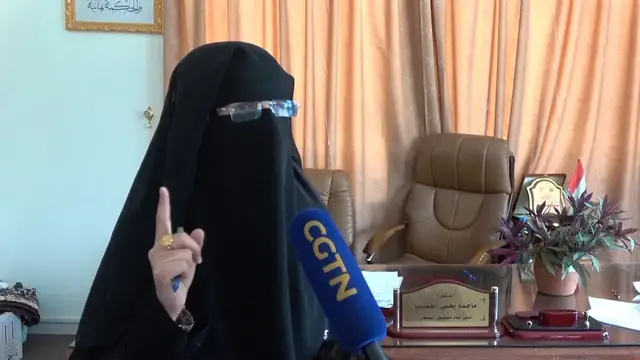
Shotlist Sanaa, Yemen - Oct 11, 2026 (CGTN - No access Chinese mainland) 1. Various of medical staffer taking care of conjoined twin girls in incubator 2. SOUNDBITE (Arabic) Hussein Khamisi, father (starting with shot 1/partially overlaid with shot 3): ''The living conditions are extremely difficult. When I came here, they told me that I had to take the girls abroad because this is a rare case and they need to be treated overseas. The twins’ condition is critical. They could die before they are able to leave the country.'' ++SHOT OVERLAYING SOUNDBITE++ 3. Conjoined twin girls in incubator ++SHOT OVERLAYING SOUNDBITE++ 4. Various of medical staff performing MRI scan on conjoined twins 5. SOUNDBITE (Arabic) Majda Al-Khatib, director, Al-Sabeen Hospital for Maternity and Childhood (starting with shot 4): ''Unfortunately, congenital abnormalities have increased significantly in Yemen due to the use of prohibited weapons. Most of these cases come to us from Hajjah and Saada governorates, or even from the capital, Sanaa, particularly from areas that have been hit by prohibited weapons.'' 6. Various of dialysis machines, patients receiving treatment 7. SOUNDBITE (Arabic) Naaem Subhan, patient (starting with shot 6): ''We are lacking many things, such as transportation, medicines, blood-related injections, calcium, and even food at home. We are short of many basic necessities.'' 8. Various of dialysis machine, patients receiving treatment 9. Hospital hallway Storyline Newborn conjoined twins who need surgery abroad and a kidney patient struggling to obtain treatment illustrate how years of conflict and shortages of resources have strained Yemen's hospitals and made healthcare harder to access. At Al-Sabeen Hospital for Maternity and Childhood in Sanaa, the twin girls are spending their first days under close medical supervision. They share several internal organs and need specialized surgery that is unavailable in Yemen. Their family hopes to take them abroad, but limited flights through Sanaa International Airport have complicated the journey. Their father, Hussein Khamisi, said he feared they might not survive long enough to travel. "The living conditions are extremely difficult. When I came here, they told me that I had to take the girls abroad because this is a rare case and they need to be treated overseas. The twins’ condition is critical. They could die before they are able to leave the country," Khamisi said. Staff at Al-Sabeen are caring for the twins with the resources they have, but the hospital lacks the equipment needed for complex surgery. Its director, Majda Al-Khatib, said the hospital was seeing more children with congenital abnormalities, a rise she attributed to the use of prohibited weapons. "Unfortunately, congenital abnormalities have increased significantly in Yemen due to the use of prohibited weapons. Most of these cases come to us from Hajjah and Saada governorates, or even from the capital, Sanaa, particularly from areas that have been hit by prohibited weapons," Dr. Al-Khatib said. Elsewhere in Sanaa, shortages of medicines and medical supplies are making treatment harder to obtain for Naaem Subhan, who has kidney failure. Dialysis centers in the city are struggling to keep pace with the number of patients seeking care. "We are lacking many things, such as transportation, medicines, blood-related injections, calcium, and even food at home. We are short of many basic necessities," Subhan said. These patients' difficulties reflect the wider pressure on Yemen's health system after more than a decade of conflict. Around 60 percent of the country's health facilities remain fully functional, according to the World Health Organization. The WHO-led Yemen Health Cluster said 19.3 million people needed health assistance as of June.
Show More Show Less