
Peru: Strong El Nino threatens vulnerable wetland wildlife in Peru.
Oct 4, 2026
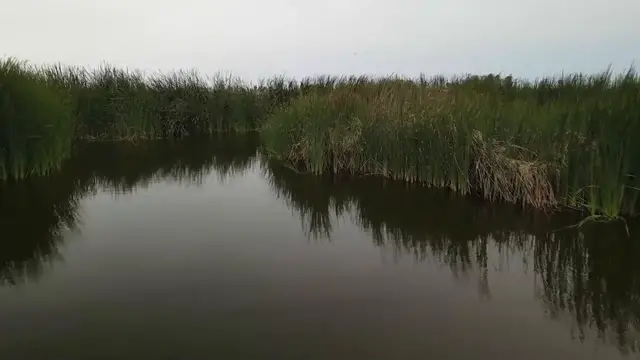
Shotlist Peru - Recent 1. Various of wetland, migratory birds 2. SOUNDBITE (Spanish) Gutierrez, spokesperson, municipal administrative agency for Pantanos de Villa Wildlife Refuge (full name not given)(partially overlaid with shot 3): "In the future, heavy rainfall may occur, bringing large amounts of surface runoff and sediment, which could in turn block the waterways that carry water to the various lagoons. These lagoons are the habitats that many wild animals and plants rely on for survival. Another feature of El Nino is high temperatures. Sustained high temperatures may cause water to evaporate rapidly. The water sources are very important for birds and the entire ecosystem, serving as a key guarantee for their survival and access to food." SHOT OVERLAYING SOUNDBITE 3. Aerial shot of wetland SHOT OVERLAYING SOUNDBITE 4. Lizard 5. Various of wetland, migratory birds Storyline A vulnerable wetland in Peru is facing a new challenge to its ecological balance, as this year's high temperatures and heavy rainfall associated with an exceptionally strong El Nino threaten the wildlife habitats. Located in the Chorrillos district in southern Lima, the capital of Peru, Pantanos de Villa Wildlife Refuge is a rare 263-hectare wetland. As a wildlife refuge, it is home to about 210 species of birds and numerous other wild animals. According to the National Service of Natural Protected Areas of Peru, every year from November to December, about 15,000 to 20,000 migratory birds arrive at the wetland from North America or southern South America, using it as a stopover and resting place along their migration route. Some endangered reptiles also inhabit the area all year round. However, the wetland's ecosystem has been facing new challenges since the beginning of this year. The high temperatures and heavy rainfall brought by continued impact of El Nino on the coast may intensify water evaporation and cause sediment and other materials to enter the wetland, affecting waterways and the water environment, and putting new pressure on the local ecological environment. "In the future, heavy rainfall may occur, bringing large amounts of surface runoff and sediment, which could in turn block the waterways that carry water to the various lagoons. These lagoons are the habitats that many wild animals and plants rely on for survival. Another feature of El Nino is high temperatures. Sustained high temperatures may cause water to evaporate rapidly. The water sources are very important for birds and the entire ecosystem, serving as a key guarantee for their survival and access to food," said Gutierrez, spokesperson for the municipal administrative agency for Pantanos de Villa Wildlife Refuge. Facing these challenges, local experts are continuously monitoring the wetland's water volume, water quality and ecological environment, keeping timely track of changes and protecting this precious wetland ecosystem. [Restrictions: No access Chinese mainland]
Show More Show Less