
Hungary: Rising costs place growing pressure on Hungary's independent fuel sellers.
May 12, 2026
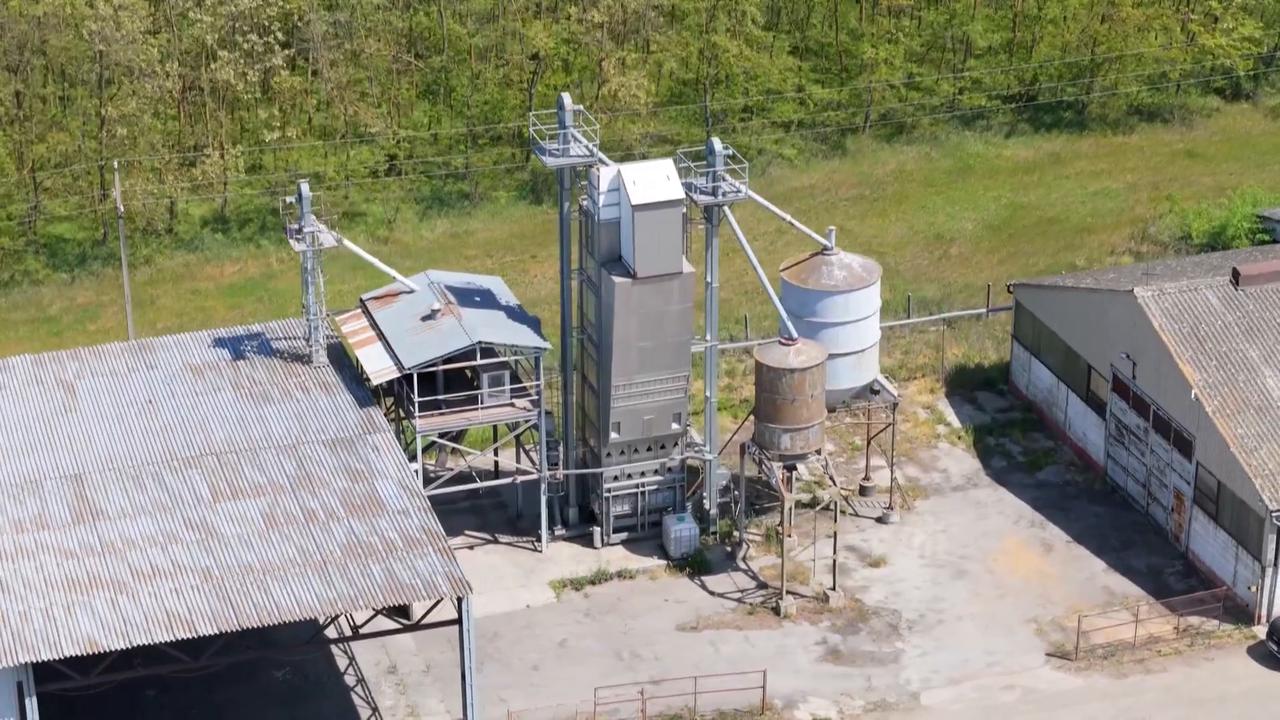
Shotlist Nagykanizsa, Hungary - May 5-6, 2026 1. Aerial shots of independent fuel station 2. Independent fuel station owner Istvan Szikszai talking to employees 3. SOUNDBITE (Hungarian, dubbed in English) Istvan Szikszai, owner, independent fuel station (starting with shot 2): "The tax on fuel is 27 percent, one of the highest rates in Europe. If that tax was reduced, we could earn twice as much. They are taking away our livelihood." 4. Aerial shot of man filling bucket with oil 5. Man refueling car 6. SOUNDBITE (Hungarian, dubbed in English) Laszlo Gepesz, president, Hungary’s Independent Fuel Station Association (starting with shot 5): "In smaller towns and rural districts, if fuel stations shut down, this can become a serious problem. Farmers may start storing fuel themselves, which creates environmental problems. These smaller gas stations are a key part of the country's fuel security." 7. Independent fuel station 8. Customer entering convenience store at fuel station 9. SOUNDBITE (Hungarian, dubbed in English) Istvan Szikszai, owner, independent fuel station: "Some fuel deliveries were days late, so people started filling up more because prices were still relatively low." 10. Aerial shots of grain storage equipment, greenhouses, farmland 11. SOUNDBITE (Hungarian, dubbed in English) Lazar Kiss, farmer: "We are producing 50 percent less, while our expenses are 15 to 35 percent higher. This will likely be a negative year for us." 12. Various of Kiss at livestock farm, cattle 13. Aerial shots of livestock farm, rural scenery 14. SOUNDBITE (Hungarian, dubbed in English) Laszlo Gepesz, president, Hungary’s Independent Fuel Station Association: "The current fuel price regulations are hurting gas stations and creating uncertainty across the sector. These measures expire soon, and we still do not know what the new government plans to do about this." 15. Man refueling car 16. Aerial shot of fuel station Storyline Independent fuel station owners across Hungary are warning that mounting supply pressures and government-imposed price controls are threatening their ability to remain in business, with rural communities likely to bear the brunt of any closures. For nearly three decades, Istvan Szikszai has run an independent fuel station in western Hungary. In many rural communities, stations like his are the only nearby source of fuel for farmers, delivery workers and essential services such as buses and ambulances. But owners now say rising costs, supply uncertainty, and government policy are placing growing pressure on smaller operators across the country. "The tax on fuel is 27 percent, one of the highest rates in Europe. If that tax was reduced, we could earn twice as much. They are taking away our livelihood," said Szikszai. Independent station owners say fuel price controls introduced under former Prime Minister Viktor Orban's government have squeezed their already narrow margins and made it harder for smaller businesses to compete with larger fuel networks. Laszlo Gepesz, president of Hungary’s Independent Fuel Station Association, warned that some operators are now considering closing down if conditions do not improve. "In smaller towns and rural districts, if fuel stations shut down, this can become a serious problem. Farmers may start storing fuel themselves, which creates environmental problems. These smaller gas stations are a key part of the country's fuel security," Gepesz said. Beyond pricing, station owners emphasized that delivery disruptions earlier this year further increased pressure on their bottom line. In particular, disruption to the Druzhba pipeline, which brings Russian oil into Hungary, dealt a hefty blow to independent operators earlier this year. "Some fuel deliveries were days late, so people started filling up more because prices were still relatively low," said Szikszai. The pressure is also being felt across Hungary's agricultural sector, where fuel costs directly affect production and transport. Farmer Lazar Kiss said rising diesel prices are creating new uncertainty for producers already grappling with drought and higher operating costs. "We are producing 50 percent less, while our expenses are 15 to 35 percent higher. This will likely be a negative year for us," the farmer said. Kiss added that rising fuel costs are expected to increase expenses across agriculture, including transportation, electricity, fertilizers, and chemicals. He warns that some farmers may reduce production or leave land unused if operating costs continue to rise. According to Gepesz, these concerns demonstrate how inflated fuel prices have impacts that go well beyond petrol stations. He emphasized that, with Peter Magyar newly sworn in as the country's prime minister, station owners will be pushing for a new approach to fuel policy and renewed support for smaller operators. "The current fuel pri
Show More Show Less #news