
Germany: Middle East conflict weighs on German export outlook: survey.
May 6, 2026
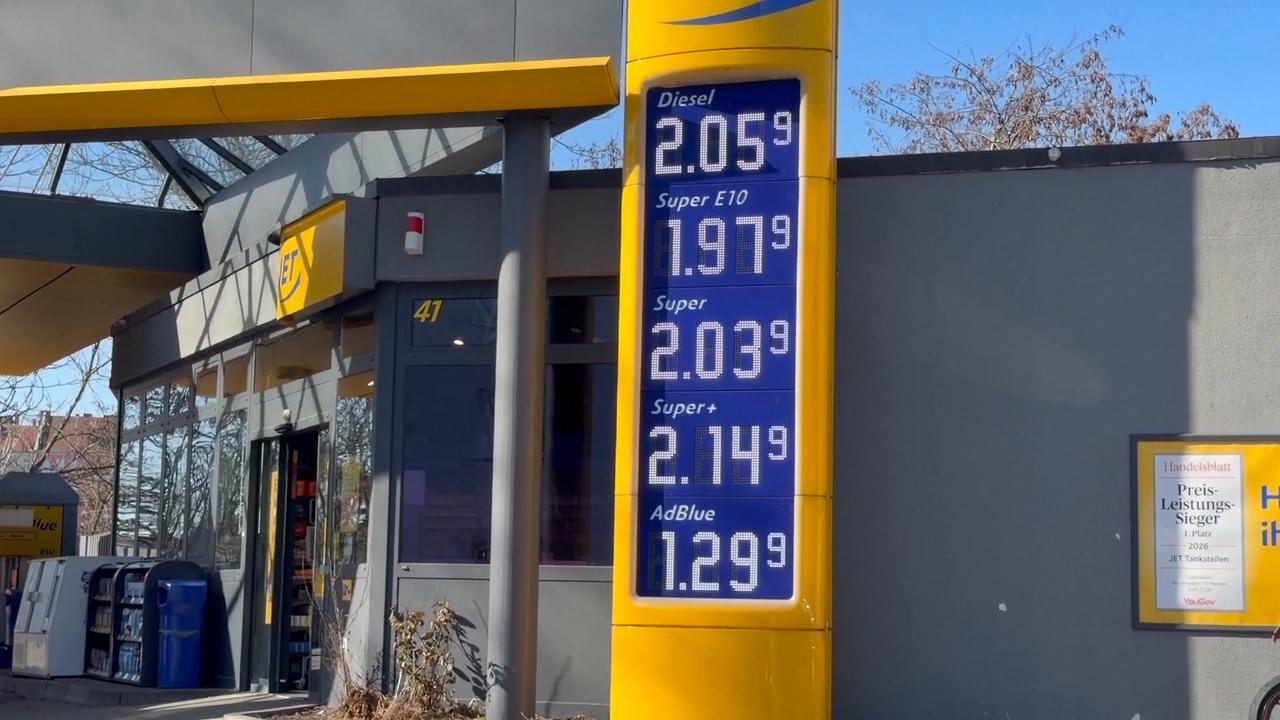
Shotlist FILE: Berlin, Germany - Date Unknown 1. Various of Reichstag building, national flags of Germany FILE: Berlin, Germany - Oct 16, 2025 2. Various of national flags of Germany 3. Various of German Chancellery, traffic FILE: Berlin, Germany - Oct 29, 2025 4. Various of traffic, pedestrians FILE: Berlin, Germany - Date Unknown 5. Various of petrol station, fuel price sign 6. Various of people refueling cars FILE: Schwarzheide, Germany - 2022 7. Various of auto assembly line in Mercedes-Benz factory FILE: Wolfsburg, Germany - Date Unknown 8. Various of Volkswagen's production line; workers FILE: Bremen, Germany - May 21, 2025 9. Aerial shots of vehicles for export at port FILE: Hamburg, Germany - Date Unknown 10. Various of facilities, vessels, containers at Port of Hamburg Storyline A recent survey released by the German Chambers of Commerce and Industry (DIHK) on Tuesday reveals that escalating tensions in the Middle East have significantly dampened the overseas business outlook for German companies, shifting export expectations from modest growth to stagnation. The survey, which polled more than 4,500 German enterprises, found that nearly one-third of respondents believe the ongoing Middle East conflict has laid bare the inherent fragility of global supply chains, with most expecting a further tightening of economic conditions in relevant markets. Regarding business sentiment, the survey showed a marked decline in confidence. The proportion of companies expecting economic conditions to deteriorate has risen from 24 percent before the conflict to 32 percent, indicating heightened corporate concern over the external environment. Consequently, the DIHK now expects German exports to stagnate this year, revising its previous forecast of one percent growth. Beyond the dimming export and growth outlook, the survey also pinpointed the key headwinds confronting German businesses, with surging energy prices and supply chain disruptions topping the list. Among the surveyed firms, 46 percent identified elevated energy costs as their core operational risk, marking a significant increase from the reading recorded last autumn. Meanwhile, 44 percent of companies cited weakening demand as a major concern, 40 percent are wary of potential supply chain disruptions, and 37 percent are braced for further spikes in raw material prices. Headquartered in Berlin with a major office in Brussels and representative offices throughout Europe, the DIHK is a non-profit organization made up of 79 regional chambers of industry and commerce across Germany. It represents the interests of three million entrepreneurs and association members. [Restrictions: No access Chinese mainland]
Show More Show Less #news