
Germany: European gas prices plunge as US-Iran deal hopes ease LNG supply concerns.
May 6, 2026
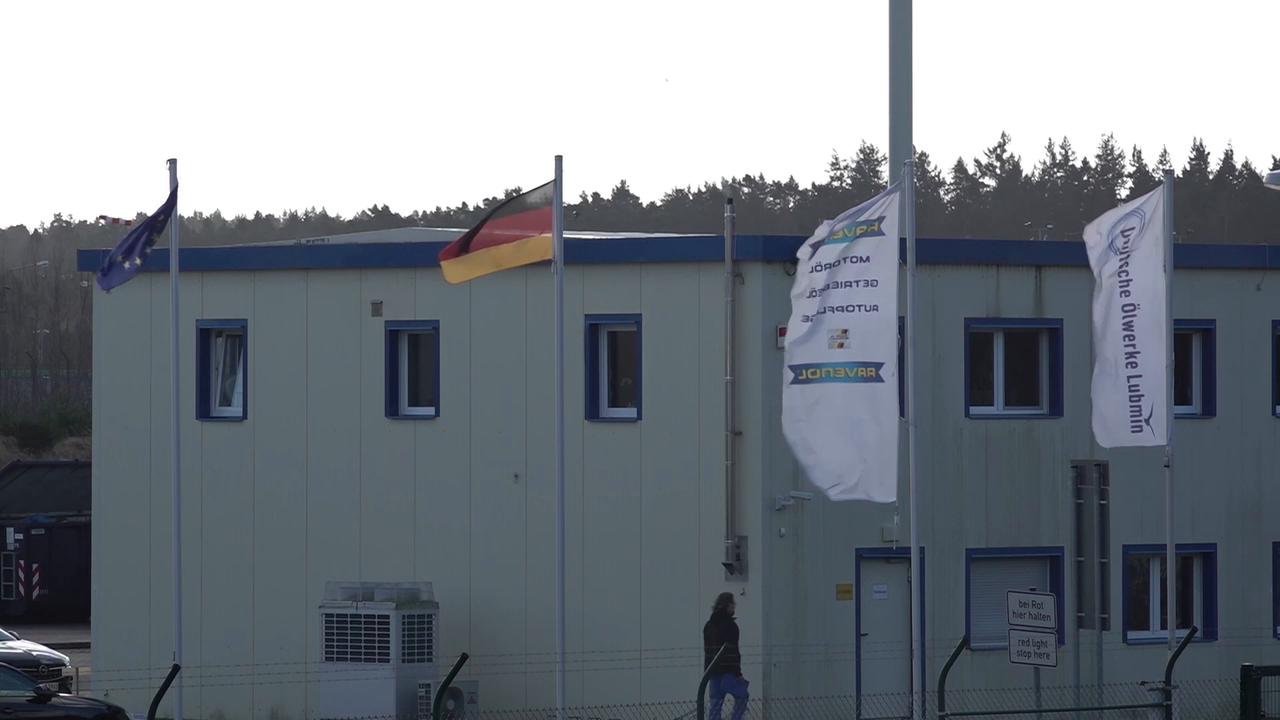
SHOTLIST: LUBMIN, GERMANY (FEBRUARY 23, 2022) (FILE FOOTAGE) 1. VARIOUS OF EXTERIOR SHOTS OF NORD STREAM FACILITY RUGEN, GERMANY (NOVEMBER 23, 2022) (EDITORIAL USE ONLY - MANDATORY CREDIT - "DEUTSCHE REGAS" - NO MARKETING NO ADVERTISING CAMPAIGNS) (FILE FOOTAGE) 2. VARIOUS OF SHIP CARRYING LNG ARRIVING PORT LUBMIN, GERMANY (RELEASED ON JANUARY 14, 2023) (EDITORIAL USE ONLY - MANDATORY CREDIT - "DEUTSCHE REGAS" - NO MARKETING NO ADVERTISING CAMPAIGNS) (FILE FOOTAGE) 3. VARIOUS DRONE SHOTS OF THE FSRU NEPTUNE LNG SHIP DOCKED IN CHANNEL FILE VIDEO - LUBMIN, GERMANY (FEBRUARY 23, 2022), RUGEN, GERMANY (NOVEMBER 23, 2022) LUBMIN, GERMANY (RELEASED ON JANUARY 14, 2023) (EDITORIAL USE ONLY - MANDATORY CREDIT - "DEUTSCHE REGAS" - NO MARKETING NO ADVERTISING CAMPAIGNS) - European natural gas prices fell sharply on Wednesday as optimism over a potential US-Iran agreement eased concerns about disruptions to global liquefied natural gas supplies. Benchmark Dutch TTF futures, Europe’s main natural gas contract, dropped more than 8% to below 43 euros ($50.6) per megawatt-hour. The decline came after reports that Washington and Tehran are close to a preliminary agreement that could end the conflict and open the door to broader nuclear negotiations. The prospect of de-escalation reduced fears of prolonged disruption around the Strait of Hormuz, a critical route for global energy shipments. US President Donald Trump also announced a temporary halt to “Project Freedom,” a military operation aimed at securing commercial shipping through the Strait of Hormuz, citing progress in negotiations. The conflict and near closure of the waterway had disrupted about one-fifth of global LNG supply, driving prices higher and rattling energy markets. Although most Middle Eastern gas exports are shipped to Asia, the disruption tightened global LNG supplies and raised concerns in Europe, which remains heavily dependent on imports to replenish storage ahead of winter. European gas storage levels are currently around 34%, well below the five-year average, keeping traders cautious despite the improved diplomatic outlook. Analysts said the market remains vulnerable to renewed volatility if negotiations collapse or shipping flows through the region fail to normalize quickly.
Show More Show Less #news