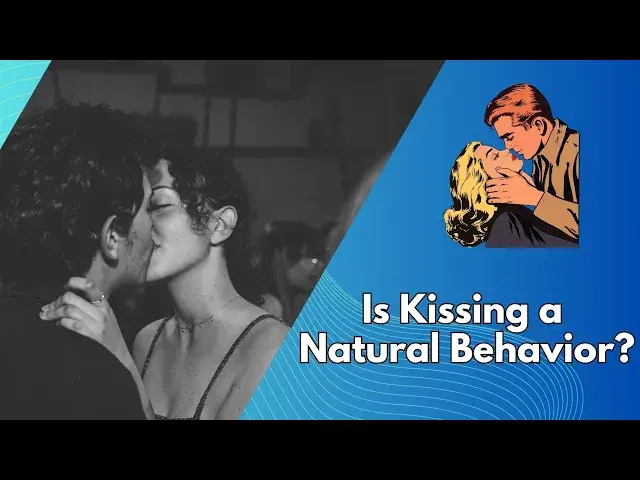

Is Kissing a Natural Behavior or a Learned Activity?
Jun 8, 2024

Is Kissing a Natural Behavior or a Learned Activity?
Kissing is a widespread practice, observed in many cultures around the world. It serves as an expression of affection, a symbol of romance, and even a form of greeting. However, this seemingly universal act raises an intriguing question: is kissing an innate behavior, or is it something that we learn from our surroundings? To answer this, we need to explore the origins of kissing, its cultural variations, and its biological underpinnings.
Anthropologists have long debated whether kissing is a natural behavior or a learned one. Some evidence suggests that kissing is not a universal practice. For instance, studies have shown that in some cultures, kissing is entirely absent. A notable example is the Mehinaku tribe in Brazil, who do not kiss at all. This cultural variability indicates that kissing might be a learned behavior, influenced by societal norms and traditions.
On the other hand, there is compelling biological evidence to suggest that kissing may be instinctual. The act of kissing engages a range of sensory experiences: touch, taste, and smell. When people kiss, their bodies release a cocktail of chemicals, including oxytocin and dopamine, which promote feelings of attachment and pleasure. This chemical response suggests that kissing might have an evolutionary advantage, enhancing social bonding and reproductive success.
The origins of kissing can also be traced back to animal behavior. Many animals, particularly primates, engage in behaviors that resemble human kissing. For example, chimpanzees and bonobos, our closest evolutionary relatives, often press their lips together and share food mouth-to-mouth as a social bonding activity. These behaviors hint at an evolutionary basis for kissing, suggesting that it may be a natural behavior deeply rooted in our biology.
Despite these biological indicators, the way kissing is practiced and perceived varies widely across different cultures. In some societies, kissing is a public display of affection, while in others, it is considered a private act. The meaning and importance of kissing can also differ significantly. In Western cultures, for example, a kiss can signify romantic interest, whereas in some Eastern cultures, it may simply be a respectful greeting.
The differences in kissing practices across cultures highlight the role of learning and socialization. Children observe and imitate the behaviors of adults around them, and kissing is no exception. Through social interactions, individuals learn when, where, and with whom it is appropriate to kiss. This learning process underscores the idea that while the impulse to kiss may be natural, the specific ways in which it is expressed are shaped by cultural norms.
In conclusion, the question of whether kissing is natural or learned does not have a straightforward answer. It appears to be a complex interplay of both innate biological impulses and learned social behaviors. The release of pleasure-inducing chemicals during kissing and its presence in the animal kingdom suggest an evolutionary basis.
For more insights into fascinating topics like this, be sure to watch the associated playlist or check out the recommended video in the description of the video you just watched.
#kissing #behavior #learned
See also: https://youtu.be/0haOnBKVK-Q
Show More Show Less #Women's Health
#Other
#Romance