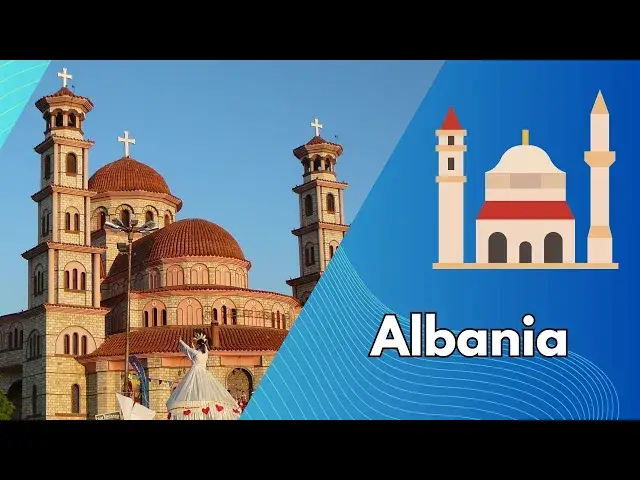

Albania: Discovering the Hidden Gems of the Balkans
Jun 13, 2024

Albania: Discovering the Hidden Gems of the Balkans
Albania, a small yet enchanting country in the Balkans, offers an array of attractions and activities for travelers seeking to explore its rich history, stunning landscapes, and vibrant culture. This gem of southeastern Europe, often overlooked by tourists, boasts pristine beaches, ancient ruins, and picturesque mountains, making it an ideal destination for travel enthusiasts.
The capital city, Tirana, is a vibrant starting point for any Albanian adventure. Skanderbeg Square, the heart of the city, is surrounded by notable landmarks such as the National History Museum, the Et'hem Bey Mosque, and the Clock Tower. A stroll through Blloku, a lively district known for its cafes, bars, and boutiques, provides a glimpse into the city's modern lifestyle.
For history buffs, the ancient city of Butrint, a UNESCO World Heritage Site, is a must-see. Located near the Greek border, Butrint's ruins date back to the 8th century BC and offer a fascinating insight into the region's diverse cultural influences, including Greek, Roman, Byzantine, and Venetian. The well-preserved amphitheater, basilica, and ancient walls are among the highlights of this archaeological treasure.
The coastal city of Durrës, one of the oldest cities in Albania, is another historical marvel. The Durrës Amphitheater, the largest in the Balkans, and the Byzantine Forum are key attractions. The city's waterfront promenade and sandy beaches also make it a popular destination for both history enthusiasts and beachgoers.
Albania's stunning natural beauty is showcased in the Albanian Riviera, stretching along the Ionian Sea. The charming coastal towns of Himara, Dhermi, and Saranda offer crystal-clear waters, hidden coves, and pristine beaches. The Blue Eye Spring, near Saranda, is a natural phenomenon where a deep blue spring emerges from the ground, creating a mesmerizing sight.
In the north, the Albanian Alps provide a stark contrast to the coastal regions. The Valbona Valley and Theth National Park are renowned for their breathtaking landscapes, rugged mountains, and traditional alpine villages. Hiking enthusiasts can embark on the Valbona to Theth trail, a scenic trek through lush valleys and past cascading waterfalls.
Gjirokastër, known as the "City of Stone," is a UNESCO World Heritage Site famed for its well-preserved Ottoman architecture. The Gjirokastër Castle, perched high on a hill, offers panoramic views of the town and surrounding mountains. The Ethnographic Museum, housed in the former home of Albania's communist leader Enver Hoxha, provides an intriguing look into the country's history and culture.
Berat, another UNESCO-listed city, is often referred to as the "City of a Thousand Windows" due to its distinctive Ottoman-era houses with large windows. The Berat Castle, still inhabited today, offers a glimpse into medieval life, while the Onufri National Museum displays beautiful religious icons.
For those seeking a unique cultural experience, the annual Gjirokastër National Folklore Festival showcases traditional music, dance, and costumes from across Albania. The event, held every five years, is a vibrant celebration of the country's rich cultural heritage.
Show More Show Less #Specialty Travel
#Specialty Travel
#Tourist Destinations
#Beaches & Islands
#Historical Sites & Buildings