
Vitamin Deficiencies Explained: The Gut Problem Doctors Don’t Tell You About
Dec 7, 2025
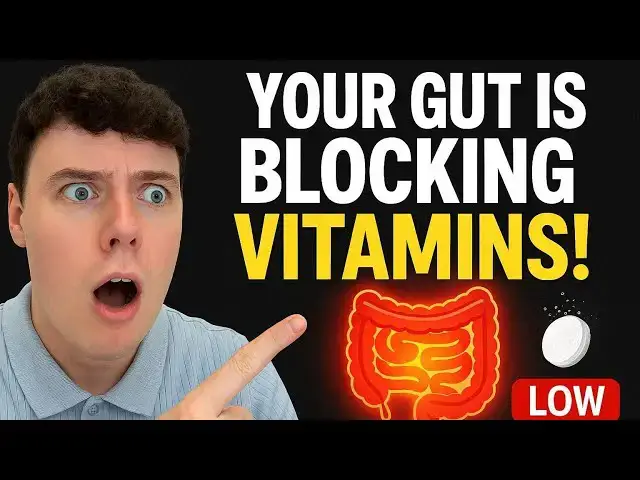
Are you struggling with vitamin deficiencies even though you eat well or take supplements consistently? As someone who researches inflammatory bowel disease and gut health, I’m going to explain the surprising reason this happens — and why so many people miss it.
New scientific evidence now shows that your gut plays a huge role in absorbing vitamins. Your gut microbiome — the trillions of bacteria living inside your digestive system — actually helps produce and absorb vitamins like:
B vitamins (B1, B2, B6, B9, B12)
Vitamin K
Fat-soluble vitamins (A, D, E, K)
Some beneficial bacteria even manufacture these vitamins, meaning they act like a mini-factory inside your gut. But here’s the problem: if you don’t have enough of the right bacteria, you may not absorb your vitamins properly — even if your diet or supplements are good.
📉 Poor gut health = poor vitamin absorption
When the gut microbiome becomes unbalanced (a condition called dysbiosis), your ability to absorb nutrients drops. That leads to low blood levels, chronic deficiencies, fatigue, hair loss, mood issues, and recurring health problems.
One study I share in the video shows how certain beneficial bacteria boost vitamin absorption naturally — but when those bacteria are missing, vitamin levels crash.
So how do you fix this?
✅ How to Improve Vitamin Absorption Naturally
1. Eat More Fiber
Dietary fiber is the #1 most important fuel for your beneficial gut bacteria. When these microbes feed on fiber, they grow stronger and produce more vitamins and short-chain fatty acids — both essential for gut and whole-body health.
High-fiber foods to focus on include:
Oats
Lentils
Apples
Leafy greens
Beans
Whole grains
Aim for 25–30g per day.
2. Eat More Fermented Foods
Fermented foods help repopulate your gut with the bacteria responsible for producing and absorbing vitamins. These include:
Yogurt
Kefir
Kimchi
Sauerkraut
Fermented pickles
Tempeh
The more diverse your gut bacteria, the better your vitamin absorption.
🔬 Why Gut Health Matters More Than You Think
Your gut isn't just a digestive organ — it’s a metabolic, immune, and nutrient-processing system. And improving your microbiome may correct vitamin deficiencies without needing high doses of supplements.
That’s why taking care of your gut is one of the most powerful ways to improve overall health, mood, digestion, and energy levels.
If you enjoy gut health content, evidence-based nutrition, and real science explained simply, I’d love it if you subscribed to MedWise Daily for more videos like this.
You can also follow for daily shorts on gut health, inflammation, microbiome science, and digestive disorders.
🔔 Subscribe for more gut health content!
gut health, vitamin deficiencies, vitamin absorption, microbiome, probiotics, prebiotics, postbiotics, inflammatory bowel disease, IBD researcher, gut bacteria, nutrient absorption, low vitamin levels, dysbiosis, leaky gut, B vitamin deficiency, vitamin K, fiber foods, fermented foods, improve gut health, improve digestion, gut inflammation, healthy microbiome, malabsorption, gut friendly diet, nutrition science, health education, MedWise Daily, vitamin d, dysbiosis treatment
#GutHealth #VitaminDeficiency #Microbiome #IBDResearch #HealthEducation #NutritionScience #VitaminAbsorption #Probiotics #Prebiotics #FiberFoods #FermentedFoods #Dysbiosis #GutHealing #Inflammation #MedWiseDaily
Show More Show Less