Up next in 10


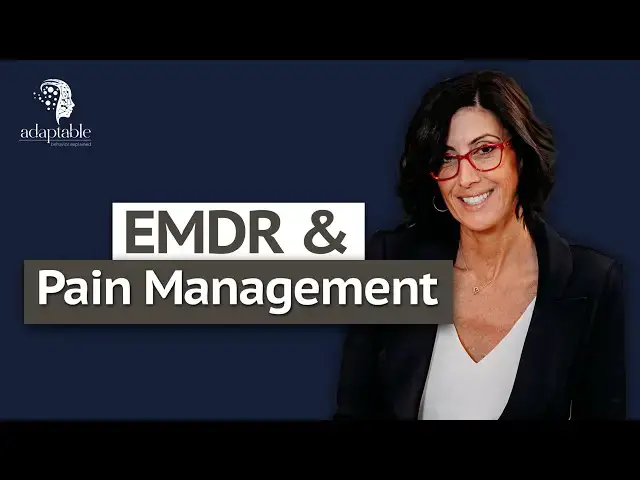
Welcome to Adaptable | Behavior Explained! In this video, we explore the powerful and transformative technique of Eye Movement Desensitization and Reprocessing (EMDR) therapy and its application in pain management. EMDR is a psychotherapy approach originally designed to alleviate the distress associated with traumatic memories. However, recent research has shown its effectiveness in treating chronic pain conditions, providing relief and improving the quality of life for many individuals. Whether you're dealing with chronic pain, emotional trauma, or simply curious about new therapeutic techniques, this video offers valuable insights and practical information.
I'm Kelly O'Horo, Attachment based EMDR Therapist, EMDRIA Consultant, and Advanced Trainer. I'm a mom of 5, Nonna of 5, wife, and a healer. I have the honor of spending my workdays walking along side people while they brave their healing journeys. I try to live with the generous assumption that we're all doing the best we can with what we know. Therapists are teachers for the "life stuff" and "emotional vocabulary" that may not have been learned due to gaps in our care givers capabilities. In the last 15 years I've learned that people are freaking amazing, resilient, and inspiring. Most importantly, we are hardwired for connection and for healing!
I hope to bring an authentic, compassionate, and unpolished approach while we explore a variety of topics such as parenting, marriage, relationships, dating, trauma, attachment, adoption, depression, addiction, anxiety, and love! There's a why for all behaviors and an explanation that makes perfect sense as emotion is at the root of it all.
-- Links --
https://linktr.ee/kellyohorolpc
https://youtu.be/rLnARKekvgo
https://www.emdria.org/find-an-emdr-therapist/
Show More Show Less View Video Transcript
0:06
hi everyone I'm Kelly ooro and this is
0:09
adaptable Behavior explained hi
0:12
everybody thank you so much for tuning
0:13
in today to adaptable I'm Kelly ooro and
0:16
I'm glad to have you here today we're
0:18
going to talk about a topic that is so
0:20
fascinating to me and I if I had all the
0:23
time in the world I would uh become a a
0:26
doctorate in pain management and how are
0:30
Body Works uh related to the way our
0:32
brain fires and wires data and how our
0:35
body receives that data when it comes to
0:37
pain and the reason I say that is
0:39
because I've been so fortunate to see
0:41
some of the most beautiful healing in
0:44
people when it comes to physical illness
0:46
as an EMDR therapist so today we're
0:48
going to dig in a little bit more deeply
0:50
to EMDR and Pain Management which a lot
0:53
of people including EMDR therapists are
0:56
not super familiar with how it works and
0:59
how to use it
1:00
I've been really fortunate to be able to
1:02
attend a lot of advanced trainings that
1:04
dig into this topic in such a more
1:06
robust way and although I don't fully
1:09
understand how everything works I'm
1:11
going to do my best to give it some
1:13
justice and and share with you uh as
1:16
best as I can but I also have a lot of
1:18
personal experiences with clients where
1:21
they have become free from physical pain
1:23
and physical symptoms related to their
1:26
pain whether it was emotional pain that
1:28
stored in the body which happens because
1:30
trauma is stored at a cellular cellular
1:32
level but also pain that's related to
1:35
physical injury I've had several uh
1:38
physical therapists or people from pain
1:40
doctors uh send us clients here at
1:43
infinite healing and wellness and we've
1:45
been able to alleviate certain um
1:48
certain pain experiences in people now
1:51
the initial learning about EMDR and pain
1:55
started with Phantom limb pain um and so
1:58
there's a lot of research related to
2:00
the um pain that exists like for example
2:03
in your hand if you've lost your arm and
2:05
people who have lost an arm have said
2:07
that's like the worst pain they've ever
2:08
experienced and the the hand is gone
2:11
they've said that that's the worst pain
2:13
they've ever experienced and you know
2:15
well the while the hand is gone due to
2:17
amputation or an injury uh they still
2:20
experience excruciating pain in the hand
2:23
so in the absence of something even
2:25
existing the brain is firing like
2:26
there's something bad going on there
2:29
I've seen huge improvements in people
2:31
who have had migraines uh chronic back
2:34
pain and neck pain and so uh hopefully
2:38
if any of this resonates or even uh
2:41
ongoing pain for example if you have had
2:44
an injury happen and uh the doctors have
2:47
said you know there's nothing further we
2:49
can do but you are still experiencing
2:51
pain we're going to dig in a little bit
2:52
more deeply as to why that happens and
2:54
how EMDR can really help um so it's kind
2:58
of a perplexing phenomenon
3:00
uh but this I'm going to dig in first to
3:03
the Phantom limpan part because that's
3:05
where the initial research started so um
3:09
researchers and therapists alike tend to
3:12
be puzzled by this but when you think
3:13
about EMDR was originally developed for
3:16
trauma Related Disorders and um it's
3:19
really emerged as such a promising
3:21
treatment for Phantom limb pain
3:23
especially but in many many other
3:25
physical issues that I previously
3:28
discussed as well as much much more that
3:29
can't even touch in this episode so
3:32
we're going to talk about theoretical
3:34
foundations we're going to talk about
3:35
clinical evidence and then of course
3:37
practical implications of using EMDR to
3:41
alleviate uh various types of pain so
3:44
one theory that really um fascinates me
3:47
that we're going to explore is how EMDR
3:49
or I movement desensitization and
3:51
reprocessing can influence the way pain
3:54
Gates function so there's something
3:57
called a pain gate theory that was
3:58
proposed by uh
4:00
melac and wall and it was in
4:02
1965 and this Theory suggests that pain
4:05
perception is modulated by a gate uh or
4:09
a mechanism in the spinal cord and this
4:11
gate can either allow or block pain
4:13
signals from reaching the brain so when
4:16
the gates open pain signals flood
4:18
through intensifying a perception of
4:20
pain now I use the word perception
4:23
because once that uh changes we have a
4:25
different relationship with pain so
4:28
conversely when the gates Clos closed
4:30
there's fewer pain signals that reach
4:32
the brain which leads to a reduced pain
4:34
perception so how does this work so
4:38
during EMDR sessions we use bilateral
4:41
stimulation such as eye movements or
4:43
tapping and this bilateral stimulation
4:46
engages both the hemispheres of our
4:48
brain simultaneously and it's believed
4:51
that this process can impact the pain
4:54
gateways in several several ways so one
4:57
is distraction and reorient ation so the
5:01
bilateral stimulation diverts our
5:03
attention away from Pain Sensations and
5:06
by focusing on the eye movements or the
5:08
tapping the brain reorients its
5:10
processing which reduces the intensity
5:13
of pain signals the other piece of it is
5:16
neuroplasticity and memory reprocessing
5:18
so EMDR aims to reprocess traumatic
5:21
memories and Associated emotions that
5:23
are all stored cellularly and as the
5:26
memories are reprocessed neural circuits
5:29
adapt and change so when you look at
5:31
brain scans um in fact we just had a
5:33
client send us pre- and post uh brain
5:36
scans from the Amen Clinic which is
5:38
honestly such a gift if you can get
5:40
brain scans from the Amen Clinic I
5:42
highly recommend especially if you can
5:44
get them early on in EMDR treatment
5:46
because you could see pre- EMDR what
5:49
your brain looks like and post EMDR what
5:51
your brain looks like and it's just so
5:53
fascinating and so validating that we
5:56
really do help to change the way the
5:57
brain looks um and that that plasticity
6:02
can potentially alter pain Pathways
6:05
which affects how pain signals are
6:07
transmitted and also perceived by uh by
6:11
the brain and so when someone says you
6:12
can't heal my pain I don't argue I say
6:15
you know what you're right I can't first
6:17
of all I can't heal you your body your
6:19
brain that's what's beautiful that's
6:21
what's doing all the work I just get to
6:22
be the the lucky person ride alongside
6:25
you while this is going on but we can
6:27
change your relationship with the pain
6:29
we can change how your brain perceives
6:31
the pain and ultimately decreasing the
6:34
intensity of those signals EMDR
6:37
bilateral stimulation also is a in uh it
6:41
induces a a reduction in stress or
6:44
relaxation response so it promotes
6:46
relaxation it reduces stress and lower
6:49
stress levels May indirectly influence
6:52
pain gateways which allows for better
6:54
pain management so while the exact
6:56
mechanisms are still being studied
6:58
emdr's impact on pain perception likely
7:02
involves a combination of distraction
7:05
neuroplasticity stress reduction and of
7:08
course as research continues we get a
7:10
deeper in uh understanding and insight
7:12
into how exactly EMDR interacts with our
7:14
pain processing but it's really
7:17
fascinating so I'm going to dig in a
7:18
little more deeply to understanding
7:21
specifically like Phantom limb pain and
7:23
and this is like I said before this is
7:26
um a good example to describe what we
7:28
think is going on so Phantom limb pain
7:31
happens due to neural reorganization
7:33
after limb loss so like I said before if
7:36
um if I uh lost my arm due to a car
7:40
accident uh there's neural
7:41
reorganization and the brain is changing
7:43
the way the data is firing based on its
7:46
understanding and relationship to the
7:49
arm and the Hand of course it's tied
7:51
together with the accident the emotional
7:53
experience how were you treated at the
7:55
doctor's office what was the recovery
7:58
like what was the removal of the limb
8:00
surgery like how did that hit you from a
8:03
place of what am I no longer going to be
8:05
able to do as a person who's now
8:07
disabled due to the loss of an arm all
8:09
of those emotional components of limb
8:12
loss are part of how memory stores the
8:15
information so the brain's
8:17
representation of this missing limb
8:19
remains active and it leads to
8:21
sensations of pain tingling discomfort
8:25
and what we recognize is that EMDR effec
8:28
effectively targets these maladaptive
8:31
neurop patterns and reorganizes the way
8:34
the maladaptively stored information
8:36
lives in our body and so even though we
8:38
can't obviously make your hand come back
8:41
what we know is we can change the way
8:43
the brain is firing that data so that
8:45
you no longer have to have pain
8:47
associated with that loss uh of course
8:50
there's the the emotional experience of
8:52
having to relearn how to do things
8:54
without the arm and all of that of
8:55
course is very traumatic but we can
8:58
change the way the physical sensation
9:00
based on the way the brain fires data so
9:02
just a little bit of background on EMDR
9:05
therapy it's the AIP model that uh EMDR
9:09
is based from uh Dr Francine Shapiro uh
9:13
came up with this it's the Adaptive
9:14
information processing model and it
9:16
posits that trauma memories are stored
9:19
in a dysfunctional Manner and it
9:20
prevents natural healing to occur we
9:23
reprocess the way the memories are
9:25
stored it allows adaptive resolution and
9:28
thus symptom uction and whatever it is
9:30
that's going on so I want to talk to you
9:32
a little bit about a case study that was
9:34
done on EMDR in Phantom Lim limpan uh by
9:37
Schneider at all uh for a 38-year-old
9:40
man who had severe Phantom limb pain he
9:43
received EMDR treatment and despite
9:46
prior Rehabilitation opiate medication
9:50
his pain persisted and after just N9
9:52
EMDR sessions his Phantom limb pain
9:55
vanished completely and he no longer
9:57
even needed the medication and those
9:59
effects were sustained at an 18-month
10:02
followup so it's not even in question
10:05
whether or not this works personally
10:07
I've gotten to see it in so many
10:08
experiences as well with my own clients
10:11
so I want to talk so not everybody loses
10:14
a limb but they might have pain for many
10:16
other reasons so now I'm going to dig
10:17
into those topics so that it might be
10:19
more applicable to you so if you have
10:22
migraines chronic back pain neck pain um
10:25
all kinds of things those are often
10:28
associated with emotion experiences not
10:30
always but sometimes and when we can
10:33
address the experiences along with the
10:35
way the brain is firing protective
10:37
mechanisms in the body to our muscles we
10:40
can alleviate a lot of pain so let's
10:43
talk about
10:44
migraines there's a lot of Promise in
10:46
reducing migraine frequency and severity
10:49
with EMDR therapy uh we target emotional
10:52
distress related to the migraines we
10:54
look at what happened during the time
10:57
when you started getting migraines so uh
10:59
thinking about a client where uh they
11:02
said you know I get migraines but I've
11:03
I've always had them since I was 16 when
11:05
I started my period or let's say 14 16
11:08
is pretty old to start a period but 14
11:10
years old when I started my period and
11:12
it's just the hormones so I'll get more
11:14
Curious and I'll say what else was going
11:16
on when you were 14 and you know they
11:19
might say well you know that's also when
11:21
my parents got divorced and my dad lost
11:23
his job but you know it's the hormones
11:25
and so when we go back to the time when
11:28
the migraines origin ated and we
11:30
reprocess the emotional experiences and
11:32
reduce the presenting triggers around
11:35
experiences of powerlessness and
11:37
helplessness the body is not protecting
11:40
it doesn't show up in a way that's like
11:42
preemptive that says oh here we go again
11:45
and so migraines reduce the tensing
11:49
process reduces the um outcome of
11:52
migraines reduces and what we see which
11:56
is so beautiful um is we can now also
11:59
address the what we call a secondary
12:01
loss of having migraines which is all
12:03
the things that I had to miss because I
12:04
had a migraine um and uh and I have to
12:08
learn new ways to try to get my needs
12:10
met so we can address some of those
12:11
pieces but something like that can
12:14
really be reduced and it's so powerful
12:17
and and beautiful because it takes away
12:20
the triggers and the memories that are
12:21
associated with the headaches which is
12:23
so um pervasive with someone who
12:26
suffered migraines now if you have a
12:28
medical situation that is causing your
12:30
migraines we of course want you to
12:32
address that with medical doctors and
12:34
and address the treatment of that but
12:36
sometimes people have migraines and they
12:38
don't have any physical or medical
12:40
explanation for those and so this is a
12:43
good experience to or a good reason to
12:45
search for an EMDR therapist to work on
12:47
migrain redu migraine reduction and even
12:50
if you do have a medical reason we can
12:52
also change the way the pain relates in
12:55
your brain and your brain relates to
12:57
that um data if you get my migraines and
12:59
so you'll have better management overall
13:02
when you um when you have migraines or
13:05
you'll have reduction of migrain
13:07
experiences so now let's talk about
13:09
chronic back pain or any other kind of
13:11
chronic pain there's really
13:13
psychological components like stress
13:16
anxiety and oftentimes unresolved trauma
13:19
related to these experiences in our body
13:21
our body is holding information uh
13:24
related to Associated experiences so
13:26
EMDR therapy can ease chronic pain
13:29
symptoms and reframe the negative
13:31
beliefs around those improves energy
13:34
improves mood and ultimately improves
13:37
the way we can live in the world with
13:39
our physical experiences and so by
13:42
addressing the emotional distress
13:43
related to the back pain EMDR
13:45
contributes to pain reduction and
13:47
overall like I said improved quality of
13:49
life same thing goes for neck pain like
13:52
any other chronic condition it can be
13:54
INF influenced by emotional factors you
13:57
know think about it if you're someone
13:58
who gets chronic neck pain and then you
14:00
can't go on the boat ride with your kids
14:02
or you can't um go play ball in the
14:05
backyard like you usually do on a
14:07
Tuesday afternoon it feels uh sad it
14:10
feels disappointing we feel disa we feel
14:14
um you know regret and all these things
14:16
we might even feel guilt that you know
14:17
our neck pain is affecting our
14:19
relationship with one of our kids
14:20
because we can't go and do things we
14:22
would have otherwise normally done and
14:24
so being able to reprocess the
14:26
distressing memories associated with an
14:28
experience
14:30
uh especially namely related to like
14:31
neck pain can um reduce the intensity so
14:35
the bilateral stimulation used in EMDR
14:38
again impacts the pain gateways which
14:40
can lead to relief and many other kinds
14:43
of pains can be dress addressed
14:45
positively as well and affected
14:47
positively I want to give you another
14:49
example of someone I worked with that
14:51
had physical pain there was a physical
14:54
injury um that was associated with it
14:56
and he believed that the the um the
15:00
injury was just medical and that there
15:02
was just too darn much damage done to
15:05
his shoulder um and that it was never
15:07
going to be better and so just giving
15:09
you a little bit of background he's a
15:11
little boy he breaks his um he breaks
15:14
his collar bone there's some trauma
15:16
associated with that related to how he
15:18
was treated then he's a teenager and
15:21
he's sent to um rehab due to some uh
15:24
some drug use and uh distress uh
15:27
intolerance in his family system and in
15:31
rehab he's in a fight where he suffers
15:33
another injury to his shoulder and then
15:35
later he ends up having a motorcycle
15:37
accident where his arm suffered some
15:40
nerve damage and some issues due to the
15:42
way he landed in the motorcycle accident
15:45
and so through EMDR therapy um and and
15:49
this is so fascinating because you know
15:51
a a therapist who's not paying attention
15:54
or doesn't want to zero in on what's
15:55
Happening may miss this but you know
15:57
he's moving around in the therapy
15:59
session and you know a therapist says to
16:03
him what's going on with your shoulder
16:05
he says oh nothing shoulder always hurts
16:07
like this I've had a lot of physical
16:09
damage and injuries to it it's just kind
16:11
of luck of the draw it's it's just kind
16:13
of always hurts and therapist digs in
16:15
and says hey let's talk a little bit
16:17
about the shoulder and the story of the
16:19
shoulder and what happened to the
16:20
shoulder throughout your life and
16:22
through those series of events and
16:24
reprocessing with the MDR therapy the
16:27
trauma associated with those events
16:29
there's no more pain in the shoulder and
16:31
even though there's physical injury and
16:34
history of reasons for the shoulder to
16:36
hurt when the brain can fire and wire
16:40
you know what those events are over I
16:41
don't need to tense up I don't need to
16:43
tighten up anymore the distress is over
16:46
I'm safe now my shoulder did a good job
16:49
protecting me my body did a good job
16:51
protecting me I don't have to experience
16:54
the reminders of all of those physical
16:57
injuries anymore in my shoulder
16:59
and so I just want to plant those seeds
17:01
that if you're dealing with certain
17:03
kinds of pain um it's really fascinating
17:06
to see the way the brain relates with
17:08
pain response and um recognizing that
17:11
EMDR therapy can really help you to
17:13
change the way your um brain fires data
17:17
related to pain of course we don't want
17:19
to Omit uh Health Care Professionals
17:22
medical doctors to help us figure out
17:25
our um personal treatment plans but we
17:28
want to make sure you know that there is
17:30
hope that EMDR therapy can really change
17:33
the way um we relate with our pain and
17:36
um and although we can't heal injuries
17:39
uh we can change the way our body
17:41
responds and reacts to pain uh sensors
17:44
there's so much more that we have to
17:46
learn and research related to this topic
17:48
but I personally have seen such good
17:50
results in so many clients that uh I
17:53
just have to share this with people so
17:54
that you know there is hope and there is
17:56
change I hope that you found this
17:58
podcast helpful I wish you the very best
18:00
in your journey of finding reduction in
18:02
pain uh make sure you reach out in the
18:05
comments below if you've experienced
18:07
some resolution related to pain or if
18:09
you'd like some support in finding a
18:11
therapist in your area so until we meet
18:14
again thank you so much for tuning in
18:16
don't forget to lead with love it'll
18:18
never steer you wrong
18:20
[Music]
18:32
you
18:37
[Music]
#Massage Therapy
#Health Conditions
#Pain Management
#Mental Health
#People & Society
#Counseling Services
#Self-Harm