0:00
How many ships, how many sailors are we talking about
0:03
Thank you for your invitation. And so, indeed, it's an unprecedented situation for the shipping
0:09
So, we have close to 20,000 seafarers stranded in the Gulf for now, I would say, several months
0:17
And so, you could imagine the difficult situation for these seafarers without any visibility regarding the announcement and when they will be able to leave the region
0:26
What kind of conditions are they on sitting on those tankers in the Gulf for so long
0:31
So it's a very difficult condition for them. And so from the side of IMO, it's really to secure the fact that all these seafarers
0:39
they have food, water and energy to be able to continue to live on all these vessels
0:45
So we are working with all this coastal state to secure the fact there is supply
0:49
But of course, it's not only food, water and energy. It's about the well-being and the stress because regarding this condition, as I explained, they don't have any visibility when they will be able to leave the region
1:02
And here's maybe a simplistic question. But if this deal between Iran and the United States actually happened, big if, and the Strait of Hormuz was properly reopened, how quickly would that fleet be back on the open seas and how quickly would normality of some kind be restored
1:19
First, we will be very cautious from the side of shipping because you know what's happened in the next few weeks and next few days
1:26
Different announcements, opening, closing, opening, closing. And so what was the result
1:32
So we didn't have a lot of vessel. We've been able to sail through the strait
1:36
We have a resume, some attack, more attack, more crew injured. Very, very difficult situation
1:43
Very difficult. So after from the side of IMU, of course, we will need to request some guarantee in terms of security
1:50
And so after that, of course, with the coordination of coastal state
1:54
with Oman in particular, but also with Iran, we will organise the transit of all these vessels
2:00
But it will take time because, of course, it a very dangerous area also to sail again And do you believe there are mines bobbing around in the strait which are kind of you know very hard to detect and absolutely essential to take out before ships pass through
2:15
Indeed, we have some information, and I would say we have a lot of doubt about that
2:20
And so to be able to sail regarding the existing mechanism in terms of sea lane
2:25
we will need to have a mine clearance from, I would say, military side
2:30
because we need to have this clearance before to be able to sail through the existing mechanism
2:35
It sounds to me, from what you're saying, that we're still a long way away from normality
2:41
It will take times, indeed, to resume normal traffic. So we are sadly in a long-term crisis at this moment
2:49
But from the side of IMO, the first step is really how to evacuate the seafarers
2:54
To resume the normal traffic will be maybe another step. All right. So there'll be a big evacuation plan
3:00
coming soon? Yes, we hope that the party will reach an agreement because the root causes of
3:07
this crisis is outside of the remitter of shipping. We hope to have soon an agreement
3:13
and to be able to evacuate all the seafarers. There is only a single page memo at the moment
3:18
which will be followed by 30 days of talk. So not a done deal at all. This includes Iran agreeing
3:25
to a moratorium on its nuclear program. That means a pause, not an end, in return for which
3:31
the US would lift sanctions and release billions in frozen funds. On the face of it, that looks
3:36
more of a win for Iran than for the United States. Its military has been smashed, but it hasn't lost
3:42
the war. Let's talk now to Jack Straw, who was Foreign Secretary more than 20 years ago, engaged
3:47
with Tehran. And Jack, I think you were one of the very first Western politicians to do that
3:52
and you were also involved in the talks which led to the agreement on Iran's nuclear
3:57
From what you can see so far, are we any further forward on the nuclear issue
4:02
than we would have been without a war? Well if Donald Trump had decided to stick with what called the JCPOA the nuclear deal that its predecessor Barack Obama negotiated and which came into force in 2016 If Trump had decided to stick with that then the world would be a much safer place
4:25
There would have been much, much less enrichment of highly enriched uranium by the Iranians
4:33
And the so-called breakout time, according to the IAEA, would have been, if they'd wanted
4:39
to go ahead and make a nuclear weapon would have been over 12 months
4:47
Now, all that's changed. In place of being required not to enrich uranium above 3.67%, under 4%, Iran unleashed and
5:04
released from the JCPOA in 2018 by Donald Trump, have gone and enriched well over 400 kilograms
5:14
of highly enriched uranium, and also other things in relation to plutonium. So
5:20
it's very hard to see how any deal that is struck could make the world safer than it would have been
5:31
And on this issue of the war between Iran and the United States, I've just watched President Trump saying that Iran's lost its Navy, it's lost its Air Force, it's lost its anti-aircraft capability, all true, and it's lost leaders
5:55
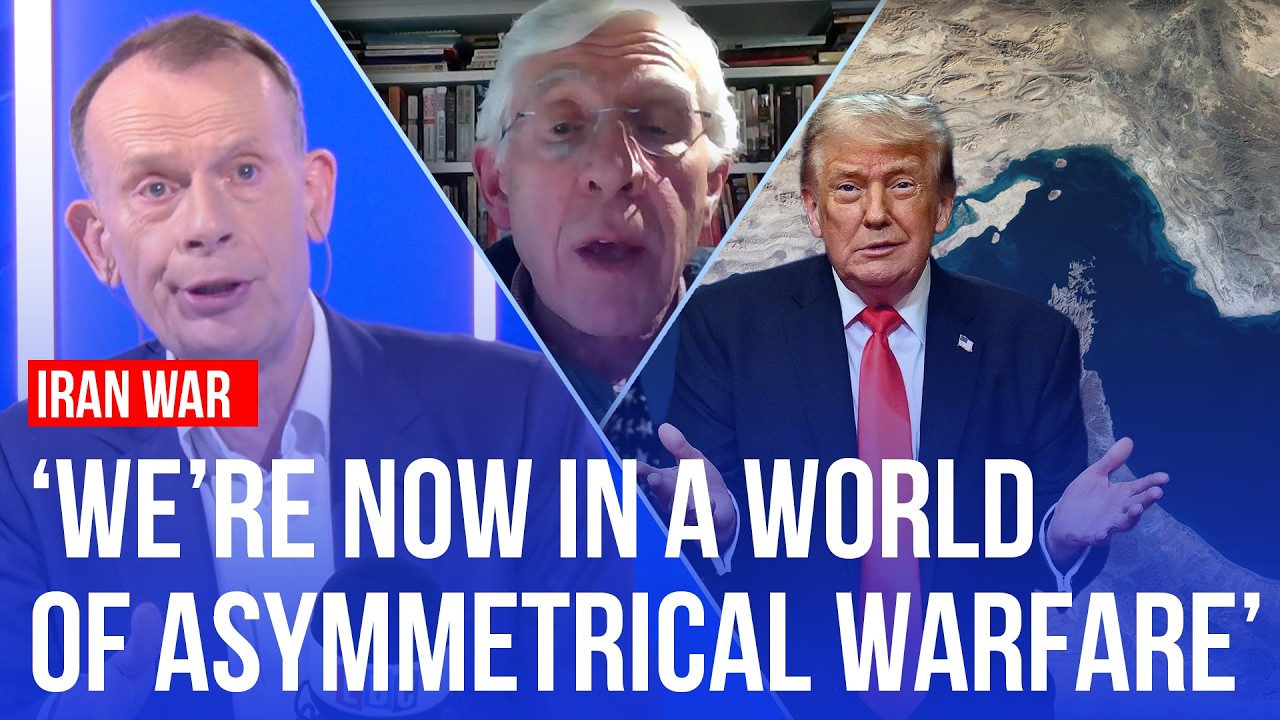
Also correct. But what Trump and Netanyahu as well failed to understand was that we're now in a world of so-called asymmetrical warfare
6:09
And the Iranians have discovered, to their great benefit, that they don't need all that really, really expensive kit
6:17
All they need to do is to have some small fast boats which are impossible to take out completely and they can interdict the Straits of the Moos and freeze the world economy
6:30
So that's the situation. And Trump has elections coming up in November, and he's desperately worried to get out of
6:38
this situation that he created. And indeed, there's a deadline for Congress
6:43
At some point, they have to OK or not OK this war. I've been trying to work my way through what the memorandum of understanding suggests, and that involves no big new promises on nuclear enrichment or otherwise, you know, a pause, a moratorium
6:59
Fair enough. But in return for that, Iran gets an end to sanctions and the unfreezing of billions and billions of assets on the face of it
7:07
That looks to me like an Iranian win. Well, it's certainly I mean, at best, I think, from the US point of view, it's a draw
7:14
President Trump will, of course, spin this as a great victory. And we don't know
7:21
whether they will move beyond this single page to the scores of pages which will be needed for
7:32
a detailed agreement between the United States and Iran. I mean, it's in Iran's interest to do so
7:42
because although Iran has been able at least to stop the US in its tracks, and as I've said
7:58
managed to freeze much international trade, particularly oil trade, and push the oil price up
8:04
again benefiting Iran just by some very elementary systems of warfare. They, too, want relief, and they're extremely, the regime
8:18
extremely worried about unrest that could break out. Indeed. And we've also, of course, got a regime just as hardline
8:27
if not more hardline, than the regime before the war started. So not a great result so far