0:04
Testing aircraft in severe environments
0:07
is never just a technical exercise
0:10
because it represents a demonstration of
0:12
operational readiness, engineering
0:14
resilience, and the ability to function
0:16
in some of the most unforgiving natural
0:21
Altitude Addicts, the YouTube channel
0:23
bringing you this deep dive, notes that
0:25
the Turborop regional aircraft EL114-300
0:29
has successfully completed cold weather
0:32
trials in the Republic of Saka, also
0:34
known as Yakushia, where winter
0:36
temperatures routinely plunge far below
0:41
These tests form a crucial step in the
0:43
certification journey and eventual entry
0:46
into service of the EL114-300
0:49
which is intended to play a central role
0:51
in modernizing regional aviation.
0:55
Operating in such extreme environments
0:57
provides valuable insights into how the
0:59
aircraft performs under realorld stress
1:02
rather than controlled laboratory
1:06
Yakushia was selected as the testing
1:08
ground because it functions as a natural
1:11
cold weather laboratory offering
1:13
authentic operational conditions
1:15
including snow-covered runways, remote
1:18
settlements, and limited infrastructure.
1:21
Extended periods of severe cold allow
1:23
engineers to evaluate aircraft systems
1:26
in situations that closely mirror
1:28
everyday operations in Northern
1:32
Testing took place at Magen airfield and
1:34
Yakutsk airport where the aircraft was
1:36
left parked outdoors for prolonged
1:38
durations to expose it to extreme cold.
1:42
Altitude Addicts explains that such
1:44
exposure is essential for assessing
1:47
reliability when aircraft remain
1:49
overnight in temperatures that can drop
1:51
to -45° C, which is -49°
1:58
A major part of the program involved
2:00
cold soaking, a procedure in which the
2:02
aircraft is left inactive for extended
2:05
periods so that all components reach
2:07
ambient temperature. This simulates real
2:10
operational scenarios in which aircraft
2:13
sit idle in remote airports without
2:17
After cold soak, specialists evaluated
2:20
the performance of major systems,
2:22
including engine start procedures,
2:24
anti-icing equipment, air conditioning
2:26
units, passenger cabin systems, and
2:29
exterior lighting. The operation of
2:31
landing gear mechanisms and onboard
2:33
electronics was also carefully monitored
2:36
to ensure functionality in extreme cold.
2:40
These checks verify that the aircraft
2:42
can safely prepare for flight after
2:44
exposure to severe temperatures, placing
2:46
stress on materials, wiring, hydraulic
2:49
systems, and digital avionics.
2:52
Such validation is especially important
2:54
for aircraft intended to serve remote
2:57
communities where reliability is
3:03
is powered by TV7-117
3:06
ST-01 turborop engines designed
3:09
specifically for harsh environmental
3:13
Engine start tests confirmed stable
3:15
performance in freezing temperatures,
3:17
demonstrating the effectiveness of
3:19
modern control systems and cold start
3:24
Altitude Addicts highlights that
3:25
reliable engine performance in low
3:28
temperatures is a cornerstone
3:30
requirement for regional aviation
3:32
because delays or failures can disrupt
3:34
essential transport links. Consistent
3:38
power delivery ensures safe operations
3:40
across sparsely populated regions.
3:43
In addition to ground testing, the
3:45
aircraft conducted multiple evaluation
3:48
flights from Yakutsk airport to assess
3:50
performance in real atmospheric
3:52
conditions. Engineers examined avionics
3:56
behavior, propeller operation, blade
3:58
feathering systems, and flight controls
4:00
following prolonged cold exposure.
4:03
These flights confirmed that the
4:05
aircraft maintains stable handling
4:07
characteristics and system functionality
4:10
even after enduring extreme weather.
4:13
Such data expands the operational
4:16
envelope and supports certification
4:19
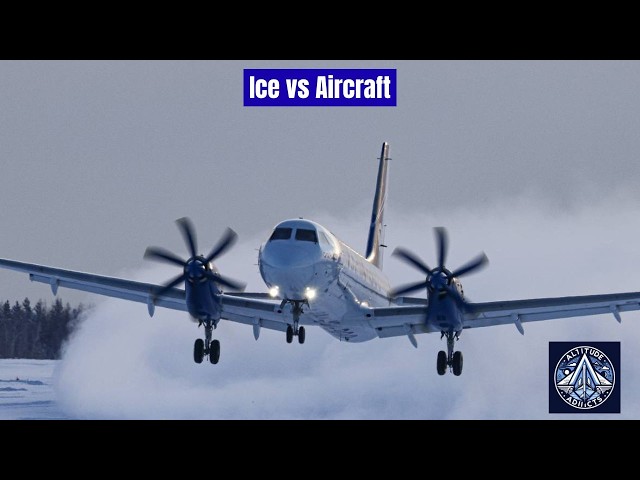
One of the most notable demonstrations
4:21
occurred at Magen airport where the
4:24
aircraft performed takeoffs and landings
4:26
on an unpaved runway covered with snow.
4:30
This capability is vital because many
4:32
regional airfields lack fully paved
4:37
Successful operations on snow covered
4:39
surfaces demonstrate the aircraft's
4:41
ability to serve remote destinations
4:43
where runway conditions vary
4:47
Altitude Addicts emphasizes that this
4:49
flexibility is key to ensuring yearround
4:56
is a modernized evolution of the earlier
4:58
IL114 and is designed to carry roughly
5:02
64 to 68 passengers on regional roads.
5:06
Its mission includes replacing aging
5:08
aircraft such as the AN24 and Yak 40
5:12
while reducing reliance on foreign
5:16
Developing a domestically produced
5:17
regional aircraft helps maintain
5:19
transportation links across vast
5:21
territories and supports aviation
5:26
This is particularly important in areas
5:28
where air travel is often the only
5:30
reliable mode of transport.
5:33
Cold weather testing forms a mandatory
5:35
component of the certification process
5:38
because regulators must ensure safe
5:40
operation across the full range of
5:42
environmental conditions.
5:45
Additional trials help expand permitted
5:47
operating limits and remove
5:51
Following the completion of testing,
5:53
demonstration flights were conducted for
5:55
local airlines and aviation authorities
5:58
to showcase the aircraft's capabilities.
6:01
These events allow potential operators
6:03
to evaluate performance firsthand and
6:06
consider fleet integration.
6:09
The aircraft's design philosophy
6:11
emphasizes ruggedness with features such
6:13
as a high-mounted wing that reduces the
6:16
risk of snow and debris ingestion and
6:18
robust landing gear suited for rough
6:22
Heating systems and ice protection
6:24
mechanisms ensure safe operation in
6:26
extremely low temperatures.
6:29
Altitude Addicts notes that such design
6:32
choices reflect a focus on real
6:34
operational challenges rather than
6:36
purely theoretical performance metrics.
6:39
Engineering decisions are closely
6:41
aligned with the needs of remote
6:45
Reliable regional aircraft can
6:47
significantly improve transportation
6:49
accessibility for communities where
6:51
roads may be seasonal or non-existent.
6:54
Enhanced connectivity supports economic
6:57
activity, logistics, healthcare access,
6:59
and overall quality of life. Once
7:02
certification is completed, serial
7:05
production is expected to supply
7:06
aircraft that will gradually renew
7:09
regional fleets over the coming years.
7:12
Early deliveries will allow operators to
7:14
gather operational experience under real
7:19
In the broader context of modern
7:20
aviation, developing a domestic regional
7:23
platform carries strategic importance as
7:26
countries seek greater technological
7:28
resilience. The IL114-300
7:32
is positioned as a dependable solution
7:35
for medium-range routes in challenging
7:39
Ultimately, successful trials in
7:41
Yakushia confirmed that the aircraft is
7:43
capable of operating in some of the
7:46
harshest inhabited environments on the
7:48
planet. The tests validated system
7:51
performance, structural durability, and
7:53
operational readiness.
7:56
This milestone represents more than a
7:58
technical achievement because it
8:00
supports the creation of a resilient
8:02
regional transport network capable of
8:04
linking remote communities with major
8:08
Altitude Addicts concludes that proving
8:11
performance in extreme cold demonstrates
8:13
readiness for realworld missions.
8:17
As regional aviation continues to
8:19
evolve, aircraft like the IL114-300
8:23
may become foundational assets, ensuring
8:25
reliable connectivity across vast
8:27
northern territories where dependable
8:30
air transport remains essential.
8:35
If you like the video, please subscribe,
8:37
share and like. Also, please take the
8:40
membership of Altitude Addicts to