Up next in 10

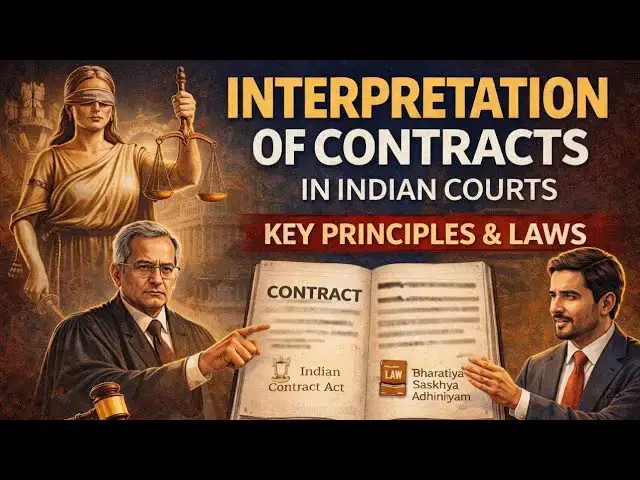
How is a contract interpreted in Indian courts? Here's what you need to know! #law #education
Jan 3, 2026

Indian courts interpret contracts primarily using the literal rule (plain meaning), looking at the contract as a whole to find the parties' intention, guided by principles in the Indian Contract Act, and the Bharatiya Sakshya Adhiniyam, with recent trends emphasizing the original intent, business efficacy, and limiting extrinsic evidence, especially for clear agreements, though the Parol Evidence Rule allows exceptions to clarify ambiguity.
Key Principles of Interpretation
Literal/Plain Meaning Rule: Words are given their ordinary, natural meaning unless it leads to absurdity or contradicts the contract's purpose.
Golden Rule: If the literal meaning creates an absurdity or is inconsistent with the overall document, courts can deviate to find a sensible meaning.
Purposive Approach: Courts try to understand the contract's objective and the parties' true intention, considering the context.
"Four Corners" Doctrine: Courts generally look within the contract document for meaning, restricting external evidence (Parol Evidence Rule)
Harmonious Construction: Courts aim to give effect to all clauses, reading them together to avoid contradictions.
Business Efficacy: Interpretation should support the commercial purpose and viability of the agreement, not undermine it.
Custom & Usage: Established industry practices or local customs can clarify ambiguous technical terms, but not override clear terms.
Relevant Laws & Statutes
Show More Show Less View Video Transcript
0:01
आज बहुत ही भयानक और कतई भीषण किस्म का आज
0:05
हम भाई टॉपिक ले आए हैं। कॉन्ट्रैक्ट्स पे
0:10
यह सबसे इंपॉर्टेंट सब्जेक्ट है। जहां
0:13
कोर्ट्स सिर्फ वर्ड्स को नहीं मीनिंग
0:15
इंटरप्रेट करती है। सो हाउ डस अ
0:18
कॉन्ट्रैक्ट कम टू लाइफ व्हेन इट कम्स टू
0:19
कोर्ट्स? आज हम यह समझेंगे। तो बिना किसी
0:23
भसड़ के आज की वीडियो शुरू करते हैं।
0:31
देखो भाई हर लीगल डॉक्यूमेंट वर्ड्स में
0:35
लिखा होता है। लेकिन सिर्फ वर्ड्स ही लीगल
0:38
आउटकम डिसाइड नहीं करते। और मैक्सिमम लोग
0:41
चाहे लेमनैन हो या चाहे लीगल प्रोफेशनल्स
0:43
हो इस बात को क्यों भूल जाते हो मुझे समझ
0:47
नहीं आता। अपनी डिग्री जला दो।
0:50
लीगल आउटकम डिसाइड करती है कोर्ट्स और जब
0:54
कोर्ट किसी स्टट्यूट या कॉन्ट्रैक्ट के
0:56
टेक्स्ट को इंटरप्रेट करती है तो सिर्फ
0:59
ग्रामर नहीं देखती सिर्फ डिक्शनरी मीनिंग
1:02
नहीं लगाती
1:04
कोर्ट्स एक्चुअली टेक्स्ट स्ट्रक्चर
1:07
कॉन्टेक्स्ट परपस इफेक्ट सब कुछ वे करती
1:12
है। इसलिए
1:15
इंटरप्रिटेशन एक मैकेनिकल प्रोसेस नहीं
1:18
होता। लेकिन ये तुम कब समझोगे और मुझे भी
1:21
भैंस के आगे भागवत करने का इतना शौक है तो
1:23
कर रहा हूं।
1:25
इंटरप्रिटेशन जजमेंट इन एक्शन होता है।
1:30
इसी बात को सुप्रीम कोर्ट ने एक बहुत
1:32
इंपॉर्टेंट केस में हाईलाइट किया था।
1:35
अनाया कोचा शेट्टी वर्सेस लक्ष्मीबाई
1:37
नारायण साटोसे।
1:40
यह केस इनिशियली एक नॉर्मल कमर्शियल
1:42
डिस्प्यूट लग रहा था। लेकिन धीरे-धीरे
1:45
धीरे-धीरे यह एक फाउंडेशनल जुरिस
1:47
प्रोडेंशियल क्वेश्चन बन गया कि कोर्ट्स
1:49
मीनिंग कैसे कंस्ट्रक्ट करती है रिटन
1:51
डॉक्यूमेंट से। अब बहुत सारे टाइप्स ऑफ
1:53
इंटरप्रिटेशन है। आपने अपने लॉ स्कूल में
1:54
पढ़ा होगा और नहीं भी पढ़ा है। अगर तुम
1:57
लॉयर नहीं भी हो तो हम क्यों बैठे हैं?
1:58
बता देते हैं यहीं पे।
2:01
इस केस का डिसीजन सिर्फ इस बात पर बेस्ड
2:04
नहीं था कि डॉक्यूमेंट में क्या लिखा था।
2:06
बल्कि उसका स्ट्रक्चर क्या था? कौन सी चीज
2:09
इंटेंशनली मिसिंग थी? कमर्शियल सेटिंग
2:12
क्या ये सब चीजें आउटकम इंपॉर्टेंट था
2:15
लेकिन इंटरप्रिटेशन का मेथड और भी ज्यादा
2:18
इंपॉर्टेंट था। देखो जब कोई
2:20
कॉन्स्टिट्यूशनल क्वेश्चन आता है तो बेसिक
2:22
डॉक्ट्रिन बेसिक स्ट्रक्चर को भी याद करते
2:24
हैं और ये भी कई बार याद किया जाता है कि
2:26
जो कॉन्स्टिट्यूशन फ्रेमवर्स हैं उन लोगों
2:28
ने किस इंटेंशन से इसे बनाया उस पर्टिकुलर
2:30
चीज को किस इंटेंशन से लिखा?
2:33
पहले ये केस का बैकग्राउंड बता देता हूं।
2:36
ये कमर्शियल एग्रीमेंट से लीगल फिलॉसफी तक
2:38
कैसे आ गया? 1971 में एक
2:42
कंडक्टिंग एग्रीमेंट साइन हुआ था। एपिलेंट
2:47
रेप्लेंट अनाया कोचा शेट्टी और
2:50
रिस्पॉनडेंट डिफेंडेंट पकड़ लो लक्ष्मीबाई
2:53
नारायण सब्स एग्रीमेंट के अंदर
2:57
एग्रीमेंट के अंदर एपिलेंट एक होटल
3:00
प्रॉपर्टी कंडक्ट करता था। प्रॉपर्टी ओनर
3:03
रिस्पोंडेंट थी। काफी सालों तक होटल ऑपरेट
3:07
हुआ। बाद में अपीलेंट ने क्लेम किया मैं
3:12
डीम्ड टेनेंट हूं। बॉम्बे एरेंट एक्ट 1947
3:16
के अंडर मुझे टेनेंसी प्रोटेक्शन मिलनी
3:19
चाहिए। रिस्पोंडेंट ने कहा ये सिर्फ एक
3:22
कंडक्टिंग एग्रीमेंट है ना कि लीज़ है ना
3:25
लाइसेंस है। लीज़ एंड लाइसेंस तो है ही
3:27
नहीं। तो लोअर कोर्ट्स का जो अप्रोच था
3:29
स्माल कॉस्ट कोर्ट बॉम्बे की अगर हम बात
3:32
कर रहे हैं तो सीसी ने अपने एपिलेंट के
3:35
फेवर में डिसीजन दिया। कोर्ट ने क्या
3:37
देखा? एग्रीमेंट का टाइटल एक्चुअल ऑपरेशनल
3:40
कंट्रोल ओरल और डॉक्यूमेंट्री एविडेंस। तो
3:42
कोर्ट ने कहा ये सिर्फ पेपर एग्रीमेंट
3:45
नहीं है। प्रैक्टिकली एपिलेंट पोज़ेशन और
3:48
कंट्रोल में था। इसीलिए एपिलेंट को डीम्ड
3:50
टेनेंट या प्रोटेक्टेड लाइसेंस ही माना
3:52
गया। अब एपिलेट बेंच और बॉम्बे हाई कोर्ट
3:56
की बात अगर करें तो एपिलेट बेंच और हाई
3:58
कोर्ट ने एससीसी का डिसीजन रिवर्स कर
4:01
दिया।
4:02
स्माल कॉस्ट कोर्ट का उन्होंने हैवी
4:05
रिलायंस की सेक्शन 91 एंड सेक्शन 92 ऑफ द
4:08
इंडियन एविडेंस एक्ट तो चलो अलग है बट 91
4:11
सेक्शन 91 और 92 की उन्होंने बात की लॉजिक
4:14
ये था डॉक्यूमेंट अपने आप में बोलेगा बाहर
4:18
के ओरल क्लेम से टैक्स चेंज नहीं होगा
4:21
कोर्ट ने एग्रीमेंट को सिर्फ कंडक्टिंग
4:23
एग्रीमेंट माना लीज नहीं माना लाइसेंस
4:26
नहीं माना सुप्रीम कोर्ट का फिर फाइनल
4:29
वर्ड आया सुप्रीम कोर्ट ने एपीलेट व्यू को
4:31
अफर्म करा पिक्स कोर्ट ने एफसाइज करा यानी
4:34
अपने सुप्रीम कोर्ट ने कि जनाब डॉक्यूमेंट
4:36
का टेक्स्ट उसका कॉन्टेक्स्ट पार्टीज का
4:40
कंटेंपरेनियस कंडक्ट और एक बहुत
4:43
इंपॉर्टेंट ऑब्जरवेशन दी
4:46
पेनेंसी का क्लेम तब फेल हो जाता है जब
4:49
एक्सक्लूसिव पोज़ेशन ट्रांसफर करने का
4:52
क्लॉज़ ही नहीं हो। मतलब अगर एग्रीमेंट में
4:57
पोज़ेशन ट्रांसफर का क्लॉज़ नहीं है तो
5:00
कोर्ट खुद से टेंडेंसी क्रिएट नहीं
5:02
करेंगे।
5:05
यह तो चलो केस की बात हो गई। अब मैं तुमको
5:07
सीधा आम भाषा में बताता हूं इंटरप्रिटेशन
5:09
का कोर प्रिंसिपल क्या है? देखो चाहे
5:12
स्टट्यूट हो या कॉन्ट्रैक्ट हो।
5:13
इंटरप्रिटेशन का स्टार्टिंग पॉइंट होता है
5:16
डॉक्यूमेंट का मतलब वही होता है जो वो
5:19
कहता है। लिटरल कह सकते हैं। लेकिन
5:22
प्रैक्टिकली लैंग्वेज कभी वैक्यूम में काम
5:25
नहीं करती। वर्ड्स को कॉन्टेक्स्ट मिलता
5:27
है फैक्ट, स्ट्रक्चर और पर्पस से। इसीलिए
5:31
कोर्ट्स का काम होता है सिर्फ यह नहीं
5:33
देखना कि टेक्स्ट क्या बोल रहा है बल्कि
5:35
ये भी देखना कि लॉ क्या प्रोटेक्ट करना
5:38
चाहता है। पार्टीज क्या अचीव करना चाहती
5:41
हैं। तो जहां पे इंटरप्रिटेटिव फ्रेमवर्क
5:44
की लिटरल गोल्डन और परपसिव रूल आ जाए तो
5:47
कॉमन लॉ सिस्टम में कोर्ट यूजुअली एक
5:49
फ्रेमवर्क फॉलो करती है। लिटरल रूल गोल्डन
5:52
रूल या तो कॉन्टेक्स्चुअल इंटरप्रिटेशन।
5:55
हां इसको पर्पसिव भी कह लो।
5:58
यह कोई रिजिड हरार्की नहीं है। यह एक
6:00
मेथोडोलॉजिकल प्रैक्टिस है बंधनों। जैसे
6:02
अनाया शेट्टी केस में हमने ये दिखाई दी
6:06
थी। लिटरल रूल सबसे पहला स्टेप है। लिटरल
6:10
रूल कहता है वर्ड्स को उनके प्लेन
6:12
ग्रामेटिकल ऑर्डिनरी मीनिंग में समझा जाए।
6:15
अगर लैंग्वेज क्लियर है, अन्बिगस है तो
6:19
कोर्ट आगे जाकर कुछ ऐड नहीं करेगी।
6:22
इसका बेसिस है लीगल सर्टेनिटी पार्टी
6:25
ऑटोनोमी लेजिसलेटिव सोवनिटी केस में
6:28
एप्लीकेशन सुप्रीम कोर्ट ने देखा
6:30
एग्रीमेंट में पोज़ेशन ट्रांसफर का क्लॉज़
6:34
ही नहीं है इसलिए बोला टेंडेंसी क्रिएट
6:36
नहीं हो सकती कोर्ट का क्लियर स्टैंड था
6:38
कोर्ट कोर्ट्स राइट्स क्रिएट नहीं कर सकती
6:41
जो टेक्स्ट में दिए ही नहीं गए हैं तो
6:44
कैसे क्रिएट करेगी ऐसे ही दिल्ली हाई
6:47
कोर्ट में जनरल रेल केस यूनियन ऑफ इंडिया
6:49
वर्सेस जनरल रेल इंफ्रास्ट्रक्चर का आपको
6:51
पता होगा कोर्ट ने यहां बोला था कोर्ट
6:53
कमर्शियल सेंस से इंटरप्रिटेशन कर सकती है
6:55
लेकिन कॉन्ट्रैक्ट रीराइट नहीं कर सकती।
6:58
सिर्फ इसलिए कि कॉन्ट्रैक्ट एग्जीक्यूट
7:00
करना मुश्किल हो जाए।
7:03
एक पार्टी इनकन्वीनियंस फेस कर रही है। तो
7:06
जुडिशियल इंटरप्रिटेशन इज नॉट इक्वल टू
7:09
जुडिशियल रिकंस्ट्रक्शन।
7:11
कोर्ट का रोल है कंसेंससेस एट इड मतलब
7:13
क्या? मीटिंग ऑफ माइंड्स को ऑनर करना। तो
7:17
कंसेंसिस एट इड को ऑनर करना। कमर्शियल
7:21
विज़डम इंजेक्ट करना नहीं है। गोल्डन रूल
7:24
की बात करें तो एब्सोर्डिटी से बचने का
7:26
टूल है। कभी-कभी लिटरल इंटरप्रिटेशन एब्स
7:29
रिजल्ट दे देता है। कमर्शियली इररेशनल हो
7:31
जाता है। तब कोर्ट्स अप्लाई करती है
7:32
गोल्डन रूल ऑफ़ इंटरप्रिटेशन। इसका ओरिजिन
7:34
हुआ था ग्रे वर्सेस पियर्सन में। अब वो
7:37
पढ़ते रहना बैठ के। प्रिंसिपल क्या है?
7:40
ऑर्डिनरी मीनिंग फॉलो करो। लेकिन अगर
7:42
ऑब्जर्डिटी आए तो अगर ऐसा कुछ आवे तो
7:47
सिर्फ उतना मॉडिफाई करो जितना नेसेसरी है।
7:50
एपेक्स कोर्ट ने इसे रेफर किया था मिस इरा
7:53
वर्सेस स्टेट एनसीटी ऑफ़ दिल्ली में। तो
7:56
अनाया शेट्टी केस में कोर्ट ने कमर्शियल
7:58
नेचर देखिए अब्जर्व एजमशन यानी टेनेंसी
8:02
विदाउट पोज़ेशन अवॉइड की। ये गोल्डन रूल का
8:05
सटल एप्लीकेशन है। बहुत सल में है। अब अगर
8:08
परपसिव अगर परपसिव इंटरप्रिटेशन की बात
8:11
करें तो ऑब्जेक्टिव समझना
8:14
परपसिव अप्रोच ज्यादातर स्टट्यूट्स में
8:17
यूज़ होता है। लेकिन कॉन्ट्रैक्ट लॉ में भी
8:20
इंक्रीजिंगली यूज़ हो रहा है। इस अप्रोच
8:23
में कोर्ट देखती है एग्रीमेंट का पर्पस,
8:26
कमर्शियल बैकग्राउंड रिलेटेड डॉक्यूमेंट्स
8:28
पार्टी का कंडक्ट।
8:30
केस में सुप्रीम कोर्ट ने क्या देखा?
8:33
रॉयल्टी पेमेंट, लॉन्ग टर्म अरेंजमेंट,
8:35
रेंट क्लॉज़ का एब्सेंस है, पोज़ेशन क्लॉज़
8:38
का एब्सेंस है। तो कंक्लूजन क्या था? ये
8:40
बिज़नेस कंडक्टिंग एग्रीमेंट था।
8:43
डिसगज़ लीस्ट थोड़ी थी। अब इसमें और एक
8:46
खतरनाक चीज आती है जिसको हम बोलते हैं
8:47
मिसिफ रूल। लॉ का प्रॉब्लम सॉल्व करना।
8:51
हेडेंस केस से ये ओरिजिन हुआ है। भाई साहब
8:53
चार सवाल है। लॉ पहले क्या था? प्रॉब्लम
8:55
क्या थी? रेमेडी क्या प्रपोज हुई? और
8:57
रेमेडी का ट्रू रीज़ क्या है? इंडियन
8:59
सुप्रीम कोर्ट ने अप्लाई किया था एक्स
9:02
वर्सेस प्रिंसिपल सेक्रेटरी हेल्थ
9:03
डिपार्टमेंट। कॉन्टेक्स्ट क्या था? पीटीएम
9:05
एक्ट को इंटरप्रेट करके अनमैरिड वुमेन को
9:08
सेफ अबॉर्शन एक्सेस देना।
9:11
तो सी वी आर टॉकिंग अबाउट अ हारमोनियस
9:13
कंस्ट्रक्शन। दैट इज़ एन इंटरनल
9:15
कंसिस्टेंसी।
9:18
यह प्रिंसिपल इंश्योर करता है डॉक्यूमेंट
9:21
का कोई क्लॉज़ रिडंडेंट ना हो। सब
9:24
प्रोविज़ंस एक साथ काम करें। चाहे स्टट्यूट
9:27
हो या कॉन्ट्रैक्ट हो। एक क्लॉज़
9:29
एक्सक्लूसिव राइट्स देता हो, दूसरा
9:31
रेस्ट्रिकशंस लगाता हो।
9:34
फंडामेंटल राइट्स है, डू ड्यूटीज़ है, राइट
9:37
टू फ्रीडम ऑफ़ स्पीच एंड एक्सप्रेशन है तो
9:40
उसमें रेस्ट्रिकशंस भी है, लिमिटेशन भी
9:42
है। कोर्ट का काम दोनों को हार्मोनाइज
9:44
करना है। एक को डिस्ट्रॉय करना नहीं है।
9:47
अब यहां प्रिंसिपल ऑफ़ डिसगाइस भी आता है।
9:49
सब्सटेंट व्हिच इज़ यू नो सब्सटेंस
9:51
ओवरफॉर्म। कोर्ट्स का एक क्लियर स्टैंड
9:53
है। नाम से नहीं काम से कॉन्ट्रैक्ट जज
9:57
होता है। अगर पार्टीज रेगुलेटरी कंप्लायंस
10:02
से बचने के लिए लायबिलिटी हाइड करने के
10:05
लिए रियलिटी डिसगाइस करने के लिए फैंसी
10:07
लैंग्वेज यूज़ करती है तो कोर्ट्स उस
10:10
डिसगाइस को पियर्स कर देगी। अनाया शेड्टी
10:13
केस में एग्रीमेंट का काम कंडक्टिंग था।
10:16
कोर्ट ने पूरा सब्सटेंस एनालाइज किया और
10:19
कंक्लूड किया ना लीज ना लाइसेंस तो
10:23
स्टट्यूट और कॉन्ट्रैक्ट के इंटरप्रिटेशन
10:25
का डिफरेंस क्या है? स्टट्यूट्स पब्लिक एट
10:28
लार्ज के लिए होते हैं। लेजिस्लेचर की विल
10:31
रिफ्लेक्ट करते हैं। और कोर्ट टेक्स्ट
10:33
कोर्ट्स टेक्स्ट के चार दीवारों के अंदर
10:36
रहती है। कॉन्ट्रैक्ट्स का क्या है?
10:38
प्राइवेट ऑर्डरिंग का रिजल्ट होता है।
10:41
नेगोशिएशन प्लस कमर्शियल इंटेंट से बनते
10:43
हैं और कोर्ट्स ज्यादा कॉन्टक्स्ुअल
10:45
अप्रोच लेती हैं। तो कॉन्ट्रैक्ट लॉ में
10:49
कोर्ट्स टर्म्स इंप्ल्लाई कर सकती हैं।
10:51
रेक्टिफिकेशन कर सकती है, रीाइट नहीं कर
10:54
सकती। स्टट्यूट कंप्लीट नहीं किया जा
10:57
सकता। सिर्फ डिफाइन किया जा सकता है। तो
11:01
मैनिफेस्टेशन ऑफ इंटेंट की जो बातें
11:03
सेंट्रल थीम होती है। कोर्ट्स ये नहीं
11:05
पूछती कि पार्टीज ने दिल में क्या सोचा
11:09
था? मन में क्या सोचा था? कोर्ट्स पूछती
11:12
है पार्टीज ने बाहर दुनिया को क्या
11:14
दिखाया?
11:16
समझ रहे हो? इंटेंट इनफोर्स तब होता है जब
11:21
रिटन टर्म, कंडक्ट, कोर्स ऑफ डीलिंग,
11:23
कमर्शियल कॉन्टेक्स्ट ऑब्जेक्टिव हो।
11:26
सब्जेक्टिव नहीं।
11:29
तो यहां पर पेल एविडेंस रूल आ जाता है।
11:32
मंगला वामन काराडिकार केस यह ध्यान अगर
11:35
आपको होगा नहीं है तो पढ़ना एक बार। इसमें
11:38
रूल था अगर कॉन्ट्रैक्ट लैंग्वेज क्लियर
11:40
है तो एक्सटर्नल एविडेंस अलाउड नहीं। रिटन
11:44
डॉक्यूमेंट इज इक्वल टू फाइनल एक्सप्रेशन
11:46
ऑफ इंटेंट।
11:49
इन्वेस्टर्स कंपनसेशन स्कीम इसके पांच की
11:53
पॉइंट
11:55
रीज़नेबल पर्सन टेस्ट फ़क्चुअल मैट्रिक्स
11:58
प्रायर नेगोशिएशन इज़ एक्सक्लूडेड लीगल
12:01
मीनिंग इज़ नॉट इक्वल टू डिक्शनरी मीनिंग
12:03
एंड प्लेन मीनिंग प्लस कमर्शियल सेंस
12:08
इंडिया में अप्लाई हुआ था Besc वर्सेस
12:11
कोनार्क पावर प्रोजेक्ट्स में
12:14
यहीं पे अगर बिनेस एफिकसी एंड अगर आप ऑफ
12:17
ऑफिशियस बाय स्टैंडर्ड की बात करो तो
12:19
कोर्ट्स कभी-कभी टर्म इंप्ल्लाई करती हैं।
12:22
जब कॉन्ट्रैक्ट्स वकेबल बनाना हो तो रीाइट
12:25
करने के लिए नहीं। देखो कॉन्ट्रैक्ट को जब
12:27
वकेबल बनाना हो तब यह चीज होगी। रीराइट
12:29
करने के लिए नहीं होगी। अगर बाय स्टैंडर्ड
12:32
सजेस्ट करता तो पार्टीज बोलती ऑफ कोर्स
12:35
सिंपल बात है। एमएमआरडी और यूनिटी इंफ्रा
12:38
प्रोजेक्ट बहुत बड़ा केस था। सबको मालूम
12:39
होगा।
12:41
फिर यहां पर कॉन्ट्रा प्रोफेटम रूल भी आता
12:44
है। अगर ए्बिग्विटी बची ग्राफ्टिंग पार्टी
12:47
के अगेंस्ट इंटरप्रेट करो। एस्पेशली
12:49
इंश्योरेंस कंज्यूमर कॉन्ट्रैक्ट अनकल
12:52
बारगेनिंग पावर केसेस तो कोर्ट्स क्या
12:55
नहीं करेगी? सिंपल सी बात है। खत्म करते
12:57
हैं। कोर्ट्स कॉन्ट्रैक्ट रीाइट नहीं
12:58
करेगी और पार्टीज को मिशन फिक्स नहीं
13:00
करेगी। तो ड्राफ्टिंग रिससिबिलिटी तो
13:03
पार्टीज के ऊपर है। सिंपल सी बात है। लॉ
13:06
का जो रियल फेस है वो इंटरप्रिटेशन के
13:08
मामले में वहां होता है जहां लॉ जिंदा
13:10
होता है। जहां लैंग्वेज को मीनिंग मिलता
13:12
है। कोर्ट सिर्फ पढ़ती थोड़ी है। कोर्ट
13:14
रीज़ करती है। और इसी रीजनिंग से लॉ सिर्फ
13:18
एक्सिस्ट नहीं करता। लॉ एंडोर करता है। ये
13:21
समझना जरूरी है। और अगर आपको ऐसे ही सारे
13:23
कॉन्ट्रैक्ट्स और ऐसे ही रेलेवेंट लॉस में
13:25
एक्सपर्टीज चाहिए तो जाके कमर्शियल ऑन की
13:27
वेबसाइट को चेक करो। हमने ऐसे बहुत सारे
13:29
कोर्सेस आप ही के लिए बनाए हैं। तो जिससे
13:32
आपको भी बेनिफिट हो और हमें भी बेनिफिट
13:34
हो। खैर हमें तो कुछ और में बेनिफिट होगा
13:37
जो कि है ये आपका बेनिफिट ज्यादा
13:38
इंपॉर्टेंट है। क्योंकि आज की डेट में
13:41
सिर्फ जनरलिस्ट हो के कोई मतलब नहीं है।
13:43
स्पेशलाइजेशन करना बहुत इंपॉर्टेंट है। हर
13:45
चीज पे एक्सपर्टीज होनी इंपॉर्टेंट है। तो
13:48
जाओ वक्त मत बिगाड़ो। चेक आउट कम ऑन की
13:51
वेबसाइट और यह वीडियो इसके साथ शेयर करो
13:53
जिससे यह समझने की बहुत ज्यादा जरूरत है।
13:56
इसी के साथ आज आपसे विदा लेते हैं। हैव अ
13:58
गुड डे एंड स्टे ट्यून विद जस्ट।
#Law & Government
#Courts & Judiciary
#Legal