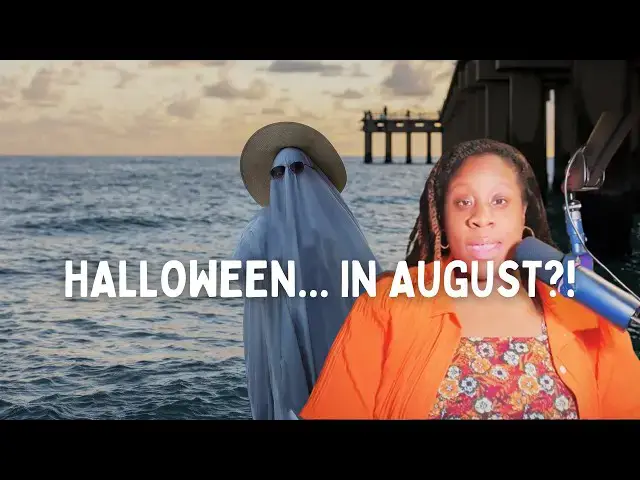

Why Halloween Keeps Starting Earlier (The Rise of Summerween)
Aug 14, 2026
Summerween is turning Halloween into a summer event.
From stores putting out Halloween merchandise earlier to people decorating months before October, this video looks at why Halloween keeps starting earlier, and what the Summerween trend reveals about consumer behavior, nostalgia, seasonal marketing, and why people are so eager to rush into fall.
00:00 Halloween is starting in summer
Your cold open through the Summerween retail/candy evidence.
XX:XX Why Summerween became a real thing
Parties, decor, nails, Gravity Falls, fictional ritual becoming actual culture.
XX:XX Why we crave seasons before they arrive
This is where you get into seasons as emotional containers, temporal landmarks, fall = cozy/reset/etc.
XX:XX The internet changed how we experience seasons
TikTok showing us the next feeling before the current one ends, culture triggering the emotional season early.
XX:XX Summerween gives us permission to create a new season
The gap between July 4 and Halloween, creating rituals, parties, reasons to decorate/buy/create content.
XX:XX Did brands create Summerween—or did consumers?
This is your chicken-and-egg section: audience behavior → brands notice → brands amplify → behavior normalizes.
XX:XX Why naming a trend makes it grow
Language creates permission, "I'm not decorating early, it's Summerween," collective ritual, hashtags/product aisles/etc.
XX:XX Can Halloween start TOO early?
Anti-consumption, scarcity, anticipation, flattening seasonal excitement.
XX:XX What Summerween means for brands
Operating calendars, inventory, campaign timing, microseasons, culture as business information.
XX:XX Not every brand needs a Summerween campaign
Your absolutely necessary spooky W-2 section. 😂
XX:XX The real psychology behind Summerween
Atmosphere, monotony, emotional fast-forward, products and rituals changing how ordinary time feels.
XX:XX We don't wait for seasons anymore
Your conclusion: consumers buy around feelings rather than calendars; "we summon them when we need the feeling."
On Read The Room, I study the psychology, culture, branding, and human behavior underneath the things people can’t stop talking about. I’m Ericka Ige, and around here we’re not just asking whether something worked. We’re asking why people responded to it , and what brands, creators, and businesses can learn from that response.
Something about your brand isn't connecting—but you can't figure out what? The Room Read is my creative intelligence diagnostic for brands that want to understand what's actually happening before making another marketing, content, or customer experience decision.
Book your Room Read Fit Call→ https://cal.com/ericka-ige-rln6xl/30min
Show More Show Less