Up next in 10

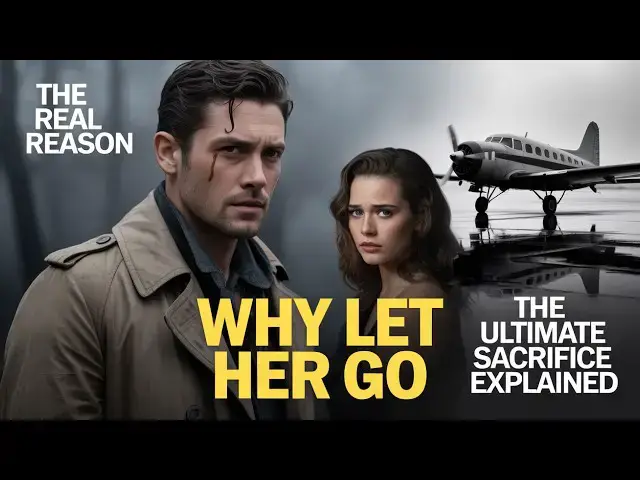
The Sacrifice That Saved the World: Why You Misunderstood Casablanca's Ending (AI Movie Analysis)
Nov 21, 2025

The Ultimate Choice: Love or Loyalty?
Dive deep into the true, transformative meaning of the classic wartime romance, Casablanca. This isn't just a love triangle—it's a profound study of duty, redemption, and the ultimate sacrifice made in the shadow of global conflict.
Our AI cinematic recap and analysis breaks down the hidden symbolism in the expatriate's final, agonizing decision at the foggy airfield. Discover why the ending, which seems like a tragic farewell, is actually the most morally satisfying conclusion in cinema history.
We explore:
The psychological shift from cynicism to selflessness.
The symbolic meaning of the "transit papers."
Why the true love story is between the individual and the cause.
🚨 WARNING: This analysis will change how you view this timeless masterpiece forever!
If you love deep-dive movie analyses, poetic storytelling, and understanding the hidden layers of classic films, smash that like button and subscribe!
What is the most selfless movie sacrifice you've ever seen? Tell us in the comments! 👇
Show More Show Less View Video Transcript
0:00
The world is a fractured mirror in 1942.
0:04
Shadows lengthen over North Africa and a
0:06
single port city, a transit point of
0:09
desperation and fleeting hope becomes
0:12
the stage for a timeless drama. This is
0:15
the story of choices made at the knife's
0:17
edge of history. The ultimate conflict
0:20
between personal desire and global duty.
0:23
What happens when the love you
0:25
sacrificed for a better future walks
0:27
back into your tightly guarded present?
0:30
This is the agonizing question at the
0:32
heart of our story where documents are
0:35
gold, freedom is a whisper, and every
0:38
soul carries the weight of a war far
0:40
away. The price of peace, it turns out,
0:43
is paid in heartache. Our narrative
0:46
begins in a sanctuary of cynicism. A
0:49
high-end expatriate saloon run by a
0:51
solitary American man. He is an island
0:54
of cool detachment. His face a mask
0:57
carved from old regrets. To the refugees
1:00
and scoundrels passing through this
1:02
desperate city. His club is a neutral
1:05
zone, a temporary truce in the moral
1:08
chaos of the war. He professes not to
1:11
care, to be purely transactional. But
1:14
his eyes hold the deep burn of a man who
1:16
cared too much once. The atmosphere is
1:20
thick with political tension overseen by
1:22
a charmingly opportunistic local
1:24
official. A man of shifting loyalties
1:27
who finds the American cynicism a mirror
1:30
to his own survival strategy. The
1:32
inciting incident arrives not with a
1:34
bang but with a sudden devastating echo
1:37
from the past. A pair of crucial transit
1:40
papers, the kind that grant safe passage
1:43
across the line of freedom, fall into
1:46
the hands of the American expatriate. He
1:49
intends to sell them to treat them as
1:51
just another commodity in this
1:53
marketplace of despair. But the
1:55
potential buyers are a legend of the
1:57
resistance. And more crucially, the
2:00
woman the American believed was lost to
2:02
him forever. She is radiant, committed
2:05
to her cause, yet clearly haunted.
2:08
Seeing her again is not merely a memory.
2:11
It is an earthquake beneath the
2:13
carefully constructed fortress of his
2:15
solitude. The confrontation is not
2:17
fought on a battlefield, but in the
2:19
echoing chambers of the expatriate's
2:21
heart. He attempts to maintain his
2:23
hardened facade, but the presence of the
2:26
woman cracks the armor, revealing the
2:28
abandoned idealist beneath. We delve
2:31
into the flashback. A Parisian idol, a
2:34
love forged under the imminent shadow of
2:37
invasion. abruptly shattered. The woman
2:40
left him without explanation at a train
2:42
station. A betrayal that froze his soul
2:45
in time. This historical wound is now
2:48
the fuel for his resentment. He holds
2:51
the papers, the key to her and her
2:53
heroic companion's freedom, and with him
2:56
the power to punish her for the pain she
2:59
inflicted. The atmosphere grows dense
3:01
with unacknowledged desire, duty, and
3:04
deep misunderstanding. The local
3:07
official, who is perpetually gauging the
3:09
direction of the wind, watches this
3:11
emotional triangle with calculating
3:13
interest. The American finds himself
3:16
pulled between his lingering love, his
3:18
wounded pride, and the moral weight of
3:20
what the resistance fighter represents.
3:23
A cause larger than any personal
3:25
heartbreak. This is the symbolism of the
3:28
conflict, the clash between the small
3:31
selfish desire for personal happiness
3:33
and the vast selfless requirement of
3:36
global sacrifice. He seeks closure,
3:39
forcing the woman to explain the
3:41
abandonment. She reveals a truth too
3:44
complex for a mere accusation. She
3:47
believed her companion, whom she now
3:49
travels with, was dead at the time, and
3:52
her love for the American was real. Yet
3:55
her duty to the cause and the
3:57
reappearance of her husband were a
3:59
command she could not deny. This
4:01
revelation is the emotional breaking
4:03
point. The woman has not ceased to love
4:06
him, but she has chosen a higher
4:08
purpose. Her confession shatters the
4:11
wall of his bitterness. He realizes the
4:14
fight is not about his pain, but about
4:16
asterisk their asterisk destiny, which
4:18
is tied to the worlds. The culmination
4:21
arrives at the airfield, shrouded in
4:24
pre-dawn fog, a literal and metaphorical
4:27
foggy clarity. The expatriate, now
4:30
transformed from cynical survivor to
4:32
self-sacrificing hero, has concocted a
4:35
final audacious plan. He orchestrates
4:38
the escape not for himself, but for the
4:41
woman and the resistance fighter. The
4:44
final moments are a masterclass in noble
4:46
loss. The local official arrives, ready
4:49
to make an arrest, but the American
4:51
stands ready, having already chosen his
4:53
higher loyalty. The climax is a swift,
4:57
inevitable action where the American
4:59
ensures the couple's safe passage, even
5:01
at the cost of personal danger. The
5:04
woman asks him with tears about their
5:06
future. His answer is the ultimate act
5:09
of maturity and love. He puts her on the
5:12
plane, recognizing that her purpose and
5:14
her companion's mission are more
5:16
important than his own happiness. The
5:19
final kiss is a goodbye to the past, an
5:22
acceptance of sacrifice. He has traded
5:25
his personal cynical existence for a
5:27
shared global ideal. The moment the
5:30
plane lifts off, carrying his future
5:32
away, the expatriate stands in the smoke
5:35
and mist. Having found redemption not
5:38
through love gained, but through love
5:40
relinquished, he finds an unlikely
5:43
mutual respect with the formerly
5:45
opportunistic official. A tacit
5:47
acknowledgment that in this moment they
5:50
have both chosen a side. The enduring
5:53
power of this narrative lies in its
5:55
magnificent defiance of the conventional
5:57
romance trope.
5:59
This is not a story about getting the
6:01
girl. It is a profound meditation on the
6:04
right choice versus the easy choice. The
6:07
sacrifice made at the airfield
6:09
transcends romance and elevates the film
6:11
to a commentary on wartime morality. The
6:15
expatriates transformation symbolizes
6:17
the awakening of a disillusioned
6:19
generation. His cynicism born from
6:22
personal betrayal is overcome by the
6:25
realization of a duty far exceeding his
6:27
own pain. The transit papers are not
6:30
merely documents. They are a symbolic
6:33
proxy for the moral dilemma. Should he
6:36
use them for a selfish reunion or a
6:38
selfless victory for freedom? The
6:40
message is clear and resonant. In times
6:43
of great crisis, true love is not
6:46
possession, but liberation. The hero
6:48
earns his redemption by prioritizing the
6:51
world's fight over his own heart's
6:53
desire. The emotional weight of the
6:55
ending is due to its tragic
6:57
inevitability.
6:59
It proves that some bonds are so pure
7:01
and so important that they must be
7:03
sacrificed for the greater good to be
7:06
fully realized. His final walk into the
7:08
mist with his new complicated ally is a
7:11
commitment to the cause. A symbolic
7:14
journey into an uncertain but morally
7:16
aligned future. This is a story that
7:19
refuses to grant the easy ending.
7:22
instead offering the profound
7:23
satisfaction of a moral victory. The
7:26
film endures because it reminds us that
7:28
to truly love is sometimes to let go.
7:32
The atmosphere, the moral complexities,
7:34
and the central agonizing choice make it
7:37
a masterwork of cinematic storytelling,
7:40
cementing its place as an eternal study
7:42
on duty, love, and the cost of
7:45
redemption. If you enjoyed this
7:47
cinematic breakdown, subscribe for more
7:49
AIdriven recaps and analyzes. Let us
7:53
know in the comments below what is the
7:56
most noble sacrifice you have ever seen
7:58
in a film.
#Classic Films
#Drama Films
#Romance Films