Up next in 10


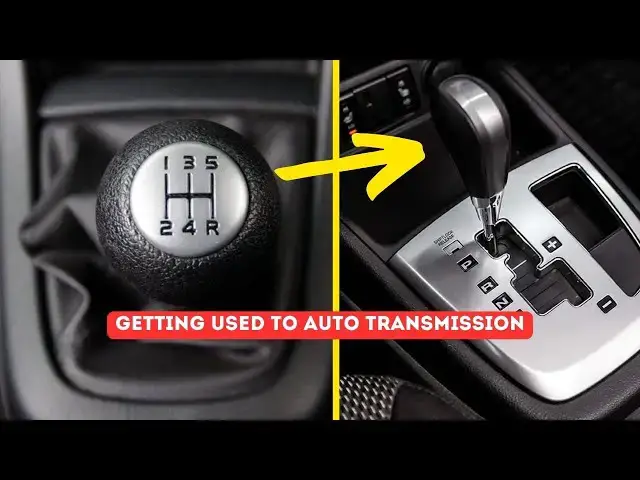
Are you about to switch from your manual vehicle to an automatic car? Well, several habits will obviously make it harder for you than you may think!
In this video, I will tell you about 7 things you should avoid doing when you start driving an automatic car. I’m pretty sure you know about them. But it’s never bad to have a fresh look at things to make sure everything is going to be OK with your new car and with you.
I will tell you the factors that disturbed me when I was switching from a decade of driving manual vehicles to my first automatic car. It was actually pretty bad for several days even though I’m well aware of how these transmissions work and what you should and shouldn’t do with them!
Hope you like this video! If so, consider subscribing to my channel! By this, you will support me in creating unbiased content for car owners.
Show More Show Less View Video Transcript
0:00
If you're switching from a manual car to an automatic car, you need to remember several
0:04
things that may save your car from being damaged, and it may save you from getting into an accident.
0:11
I've gone through this. I drove manual cars for about a decade, and after that, I switched to an
0:17
automatic car, and now I have something to tell you. And the first thing you should remember is
0:22
that your left leg and left foot, they don't take part in the driving process. So you should forget
0:29
about the existence of your left leg because otherwise, you're going to hit the brake pedal.
0:35
So your left leg should rest in this place at all times when you're driving an automatic car. You
0:41
see, the brake pedal in these vehicles is pretty wide, and part of this pedal is located where
0:49
usually you will have the clutch pedal in a manual car. And so, when you are first time driving your
0:56
automatic car, you can hit this brake pedal just by accident, and someone may rear-end you at this
1:03
moment. The second thing to do is to take your time. Take your time and drive your new car for
1:08
some hours just for fun. Remember about your left leg, remember about the automatic transmission,
1:15
that you don't need to shift anything, you don't need to hold on your shifter all the time. So just
1:20
try driving and having some pleasure because you don't need to do so much work. You just need to
1:29
press the gas pedal, press the brake pedal, and keep your steering wheel in your hands,
1:33
and that's all. Now, the third thing is really important. You don't need to adjust the engine RPM
1:39
in an automatic car to shifting. In you actually did this in a manual car. You accelerated,
1:44
then you released the gas pedal, pressed the clutch, shifted, and then you pressed the gas
1:49
pedal again. And this is a big habit, so you can keep doing this in an automatic car. So you
1:54
will release the gas pedal and change the RPM, and then your automatic transmission just doesn't know
2:00
what to do. So you actually don't let it work as it should work, and eventually,
2:04
it can break much earlier than it should. So just keep steady RPMs, and your automatic transmission
2:12
will decide on its own whether it wants to shift at this moment or doesn't want. You don't need to
2:17
care about this at all. The fourth thing is, don't touch the shifter when you're driving. So just
2:23
forget that it exists. You put it in drive, and you just forget about it, and then when you stop,
2:29
you put it in park, and you forget about it again. So just don't touch this thing, don't put
2:34
your hand on it, because if you are, if you're keeping your hand on this shifter, which is a
2:40
pretty common thing among drivers who drove manual cars, they will keep their hand on the shifter,
2:47
you can easily shift to some other position. Like you are in drive, and you will suddenly shift to
2:52
neutral, and then your engine RPM will go up. You know that to shift from drive to neutral,
2:58
you don't even need to press this button; it will shift easily. So you will only need to shift when
3:04
you start driving forward - you shift to drive. When you want to drive backwards - you shift to
3:10
reverse. And when you park, you shift to P. This is actually all you need to know about
3:14
the automatic transmission. So don't put your hand on the shifter and forget about the shifter
3:21
when you drive. Now, if you have the conventional automatic transmission, the fifth thing to do is
3:25
to be really gentle with the gas pedal. Because the manual cars are very often considered to be
3:32
sports cars, so you may shift to the first gear, and you may press your gas pedal pretty hard,
3:38
and your car will go faster. Automatic cars are made for comfort, not for sport. So if you
3:43
start pushing this gas pedal to the metal all the time, your automatic transmission is going to get
3:48
some damage. It will not be broken, of course, at once, but you will shorten the lifespan of
3:54
this transmission. So when you're easy with the gas pedal, the automatic transmission will shift
3:59
calmly, and everything will be quite okay, and it will live hundreds of thousands of miles. But if
4:06
you're pressing the gas pedal like you're in a sports car, the transmission is going to shift
4:12
to lower gears, to higher gears, and a lot of shifting is actually bad for this transmission.
4:18
So you will kill it much, much earlier, and it costs quite a lot to repair this transmission.
4:24
And if you want to accelerate faster, you will still need to press the gas pedal really gently,
4:30
and then your automatic transmission will shift to a lower gear and calmly accelerate faster. But you
4:37
will not cause stress to your transmission if you do this calmly. If you don't rush anywhere
4:42
and not push this gas pedal really hard. And then the sixth thing, which was pretty bad for me when
4:47
I started driving an automatic transmission, when you come to a stop on a traffic light,
4:51
for example, you shouldn't release the brake pedal. Even if you are on an even ground, and
4:56
your manual car will not move, but an automatic transmission is always connected to your engine,
5:04
and it's connected to your wheels, so the engine works even in idle speed, and your car
5:09
will move. Your car will move once you release the brake pedal, and unless you remember this,
5:15
you can actually get into accident, and you can rear-end someone just because you forgot
5:21
that you were having an automatic transmission. So unless your shifter is in park, you need to
5:26
keep your foot on the brake pedal to avoid your car creeping forward. And the last thing is that
5:34
you shouldn't leave your vehicle with an automatic transmission on the incline without applying the
5:40
parking brake. In a manual car, you will leave it in gear. It's also not a very good idea,
5:46
but you put it in the first gear or the reverse, for example, and the car will not move anywhere.
5:54
But it doesn't work the same in an automatic transmission. So in an automatic transmission,
5:57
you will have the parking pawl. So the parking pawl is a small metal part that is not designed to
6:03
hold the weight of your car. And if you just put it in park and leave your vehicle on an incline
6:10
what's going to happen? This parking pawl is going to get some stress, and actually, it can break.
6:15
And if it breaks, you will need to repair the automatic transmission, which is quite expensive.
6:20
So whenever you stop in an automatic car apply the parking brake to avoid transmission damage.
Autos & Vehicles