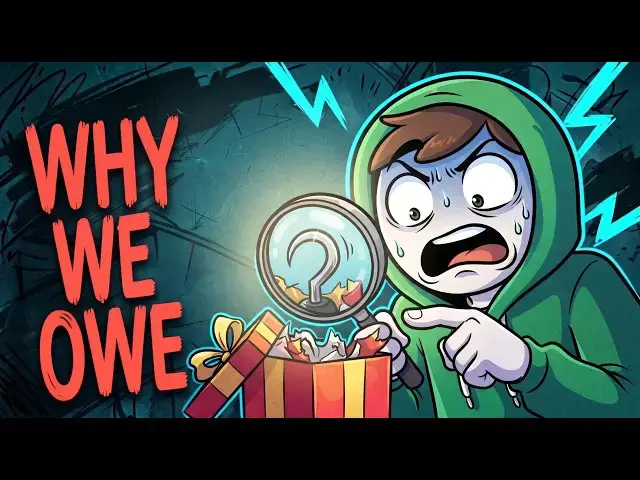

The Gift Trap: Why You Feel Like You Owe Them
Sep 20, 2026
Why can a small gift make you feel like you owe someone something?
In 1971, psychologist Dennis Regan conducted a famous experiment involving a soft drink and raffle tickets. The gift was small — but when the same person later made a request, participants were more likely to comply.
This is the psychology of reciprocity: the invisible pressure to return a favor.
But is every gift a trap?
Not necessarily.
A gift can create gratitude, warmth, cooperation — or an uncomfortable sense of obligation. The meaning depends on who gave it, why it was given, the relationship between the people, and what happens next.
In this video, we explore:
• Why favors can change later decisions
• The difference between gratitude and pressure
• Why “liking” someone does not explain everything
• How culture and relationships change the meaning of a gift
• Why saying “no” is the real test of a healthy favor
• How an innocent gift can feel like an invisible invoice
The evidence does not say every gift is manipulation. It shows that generosity can change the conditions of a later choice.
A gift is not automatically a debt.
Sometimes the return is gratitude.
Sometimes cooperation.
Sometimes nothing.
The question is not whether gifts are good or bad.
The question is: what did this gesture mean between these people?
Stay curious. Question the obvious.
#Psychology #Reciprocity #HumanBehavior
Show More Show Less