Up next in 10


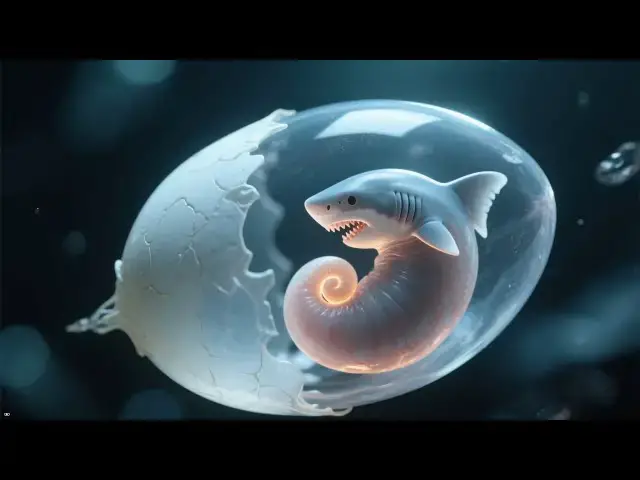
Focuses on lesser-known aspects of sharks' lives, from their birth, enigmatic resting habits to their diverse and often startling reproductive strategies.
Show More Show Less View Video Transcript
0:08
For centuries, this is the image that
0:10
has haunted our nightmares.
0:14
A single fin slicing through the water.
0:20
A triangle of bone and cartilage that
0:22
promises a monster. A relentless eating
0:25
machine.
0:30
We've built a myth around their power,
0:33
their speed, their ferocious appetite.
0:40
But what if the ocean's greatest
0:41
predator is also one of its most
0:43
misunderstood creatures? Beneath the
0:46
waves, beyond the terror, lies another
0:49
story. The secret lives of sharks. What
0:52
they do when they aren't hunting.
0:56
>> [music]
1:03
>> how they think, how they love, and how
1:05
they bring a new generation into the
1:07
world in ways that will astound you.
1:10
Where do sharks come from? For most of
1:12
us, it's a total mystery. [music]
1:19
The process is so secretive that for
1:21
many species, humans have never even
1:23
seen it happen. But from this hidden
1:26
beginning, new life emerges. Some are
1:29
born as perfect miniature replicas of
1:32
their parents, bursting into the open
1:34
ocean. Others hatch from strange
1:37
leathery egg cases known as mermaids
1:39
purses, which their mothers carefully
1:42
anchor to seaweed. For a baby great
1:45
white, life begins completely alone.
1:47
It's born into a world of predators, and
1:50
that includes its own kind. There's no
1:53
protective mother, no safe nursery, just
1:55
the cold, indifferent ocean. How a baby
1:58
shark develops is a story of biological
2:01
wonder. For viperous species like the
2:04
lemon shark, the baby is nourished
2:06
through a placenta, an organ remarkably
2:09
similar to our own. But in other cases,
2:12
the truth is far stranger. The sand
2:14
tiger shark takes survival of the
2:17
fittest to a shocking new level. For
2:19
these babies, the womb is a battlefield.
2:22
The first one to hatch will turn and
2:24
consume its unhatched siblings and any
2:26
other eggs. It's a literal feeding
2:28
frenzy before it has even seen the open
2:30
ocean. And from this brutal contest, a
2:33
single powerful survivor is born. Ready
2:36
for the tough world it already knows so
2:38
well. After birth, a young shark must
2:41
find safety in secret havens. Mangrove
2:44
forests, sheltered bays, and shallow
2:46
lagoons become the nurseries of the
2:49
ocean. Here, the young spend their early
2:52
years learning to hunt and survive, far
2:55
from the larger, more dangerous
2:57
predators of the open sea. It's a life
2:59
of rapid growth and constant learning. A
3:02
shark's journey to adulthood is a long
3:04
one. The juvenile stage, for a great
3:07
white, can last over a decade. They are
3:10
essentially the ocean's teenagers.
3:13
slowly growing into their massive
3:14
frames. And just recently, scientists
3:18
have started uncovering these hidden
3:19
nurseries. A great white nursery was
3:22
found right off the coast of New York
3:24
City. A startling discovery next to such
3:26
a bustling urban area. From a tiny,
3:29
vulnerable pup to a powerful subad
3:31
adult, every single day is a lesson in
3:34
survival. But what drives this
3:36
incredible growth? The unending quest
3:39
for food. Sharks are not all mindless,
3:43
toothy terrors. Their feeding habits are
3:45
as diverse as the species themselves.
3:48
You have the ambush tactics of the
3:50
wabagong, hiding in plain sight, and the
3:53
gentle filter feeding of the gigantic
3:55
whale shark. The tiger shark, sometimes
3:58
called the garbage can of the sea, is
4:01
known for eating just about anything it
4:03
finds. But other sharks have
4:05
surprisingly refined tastes. The leopard
4:09
shark, for instance, prefers to hunt for
4:11
small invertebrates living on the
4:13
seafloor. Sharks are often far more
4:16
cautious and intelligent than we give
4:18
them credit for. They are not the
4:20
mindless eating machines from the
4:22
movies. In fact, scientists often need
4:25
to use bait just to bring them close
4:27
enough for observation. In general,
4:29
they're wary of humans. Sharks use an
4:32
incredible array of senses far beyond
4:34
our own. They can detect the faint
4:36
electrical signals of a fish's
4:38
heartbeat, even when it's completely
4:40
hidden in the sand. But what they
4:42
dislike is even more fascinating. Sharks
4:46
have a strong social etiquette. For a
4:48
smaller species, the scent of a larger
4:50
predator is enough to make it flee. It's
4:52
a complex hierarchy built on fear and
4:55
respect. So, what does a shark do when
4:58
it's not hunting? For a long time, we
5:01
didn't know. The popular belief was that
5:03
sharks had to keep moving constantly
5:05
just to breathe. But when Jacqu Kustoau
5:08
discovered sleeping sharks, it
5:10
challenged everything we thought we
5:12
knew. In underwater caves off the coast
5:15
of Mexico, white tip reef sharks gather
5:18
in large groups to rest. They don't fall
5:20
unconscious like we do, but they enter a
5:23
quiet, restful state. Mating, on the
5:26
other hand, is a far more intense
5:28
affair. The act is notoriously secretive
5:31
and rarely captured on film. It often
5:34
involves what looks like a great deal of
5:36
violence. A male will bite the female's
5:38
fins to hold on, a behavior that can
5:41
leave her scarred for life. Using his
5:44
specialized claspers, the male delivers
5:47
the sperm. The entire interaction is
5:49
brief but fierce, a stark contrast to
5:52
the quiet moments they spend resting in
5:54
their caves. Even more surprising are
5:57
the recent revelations about group
5:58
mating. Footage captured in Australia
6:01
and New Calonia has shown multiple
6:04
sharks of endangered species engaging in
6:07
what scientists have called a mating
6:10
Minaj at a behavior previously unknown.
6:14
The myths of the mindless killer are
6:16
finally fading.
6:18
As we learn more about the private lives
6:20
of sharks, we discover animals far more
6:24
complex, vulnerable, and intelligent
6:27
than we ever imagined. But their
6:29
greatest enemy isn't each other. It's
6:32
us. Over fishing and the destruction of
6:35
their habitats threaten their very
6:37
existence. It is our fear, not their
6:40
aggression, that has pushed them to the
6:42
brink. This isn't just the story of a
6:45
predator. It's the story of a mother
6:47
protecting a secret nursery, of a baby
6:50
fighting for its life, of a species that
6:53
is not just surviving, but thriving in
6:56
complex, surprising ways. The fin we
6:59
once feared is no longer a symbol of
7:02
terror. It is a symbol of endurance, a
7:04
hidden life just waiting to be
7:06
understood. Thanks for watching. If you
7:09
found the secret lives of sharks as
7:11
fascinating as we do, don't forget to
7:13
like this video and subscribe for more
7:15
deep dives into the wonders of our
7:17
planet. See you next time.
Jobs & Education