Up next in 10

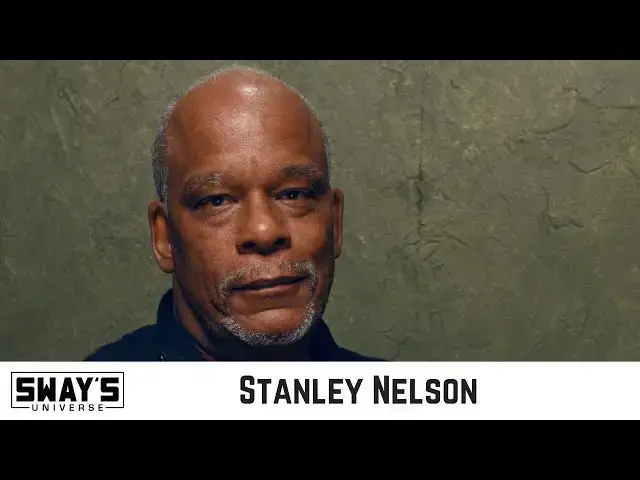
Emmy Award Winning Director Stanley Nelson Talks ‘Tulsa Burning: The 1921 Race Massacre’
Jun 8, 2021


Stanley Nelson on Sway I know The Morning speaking on the Tulsa Massacre.
Subscribe Here! http://bit.ly/SubscribeSU
Watch the Best of Sway In The Morning! http://bit.ly/BestOfSITM
Check out More From Sway’s Universe
http://swaysuniverse.com
http://twitter.com/swaysuniverse
http://instagram.com/swaysuniverse
http://facebook.com/swaysuniverse
#StanleyNelson #TulsaMassacre #SwaysUniverse #SwayInTheMorning #SiriusXM #Shade45
About SWAY’s UNIVERSE
Exclusive interviews from Sway Calloway and the Sway In The Morning/ SwaysUniverse.com team with some of today's biggest celebrities, like Kevin Hart, Kanye West, Eminem, Usher, Jessica Alba, Steve Aoki, Torey Lanez, Julia Stiles and so much more.
Emmy Award Winning Director Stanley Nelson Talks ‘Tulsa Burning: The 1921 Race Massacre’ https://youtu.be/sA8XIh7SwiI
Sway’s Universe
Show More Show Less View Video Transcript
0:00
we need to do something about what
0:01
happened in tulsa
0:03
there could not be any justice
0:06
to there is proper respect restitution
0:09
that repair
0:13
we have them here db
0:19
mr nelson how you doing
0:22
i'm doing fine how are you welcome to
0:25
the show mr nelson we got stanley nelson
0:27
on the line with us right now hello
0:32
hi how are you welcome welcome to our
0:35
show
0:36
uh we really appreciate you coming on
0:39
uh you've done so much amazing work in
0:41
your career
0:42
you know and i've been a fan of yours
0:45
without even knowing it was you
0:46
you know freedom riders jonestown the
0:49
life and death of
0:50
people's temple i watched that sweet
0:52
honey in the rock raise your voice
0:54
the murder of emmett till um i i've
0:56
watched a lot of your work
0:58
and didn't realize that it was you so
0:59
forgive me sir but it's an honor to have
1:01
you on this show
1:03
yes oh thank you so much i really
1:05
appreciate it
1:06
absolutely um let's let's talk about
1:09
let's talk about this
1:10
you know a lot of folks what we found
1:13
talking about
1:14
the you know tulsa burning the 1921 race
1:16
massacre
1:17
we found out mr nelson that a lot of
1:19
people weren't aware
1:20
of what happened in tulsa did you find
1:23
that to be true as you started to build
1:25
on this documentary
1:27
yeah i mean i think one of the pieces of
1:29
the story is that the
1:31
massacre was completely covered up so
1:34
that you know the the
1:35
the black paper was was burnt out um and
1:39
you know was not publishing and and the
1:42
white papers did not
1:43
uh report on the massacre at all um
1:46
it wasn't taught in oklahoma schools it
1:49
wasn't taught
1:50
you know in oklahoma universities um so
1:53
much less anywhere else in the country
1:55
so um
1:56
it's not surprising in many ways that so
1:59
many people don't know about the
2:01
massacre how about when did you learn
2:04
about it how did you learn about it did
2:06
you learn about it at school was it your
2:07
parents
2:08
that told you i can't remember when i
2:11
first learned but it was probably
2:13
it was after school schools uh you know
2:16
i mean i've been making documentary
2:17
films for about 40 years now
2:20
so um in many historical documentaries
2:22
so
2:23
in researching the documentaries i've
2:26
you know
2:27
i learned a little bit about the
2:28
massacre then about three years ago we
2:31
did a film called
2:32
the boss about uh black on
2:34
entrepreneurship
2:36
you know it covered kind of 150 years
2:38
from the civil war up until today
2:41
uh and at that point we did a
2:44
seven-minute segment
2:45
in the film about tulsa about the the
2:48
race massacre
2:50
and at that point i realized that it was
2:52
a much larger story than can be covered
2:55
in seven minutes and it really
2:57
uh was a story that deserved to be its
3:00
own film
3:01
uh and i became very interested in
3:03
making uh this film
3:04
yeah and we're very grateful that you
3:06
did mr nelson this is tracy thank you so
3:08
much for joining us this morning
3:10
would you mind going into
3:13
the how you navigate the research
3:16
for this and just how much and where
3:20
it came from yeah i mean i i think that
3:24
that
3:24
really was interesting about uh you know
3:26
the story of tulsa and greenwood and the
3:28
massacre
3:29
is that there is so much um
3:32
documentation
3:33
there's so much footage um so you know
3:36
greenwood was
3:37
uh probably the the biggest and the
3:40
baddest and the best
3:42
uh of the african-american towns in the
3:44
in the west
3:45
and um someone in the community you know
3:48
in in 1919 1920
3:51
1921 uh with a movie camera filmed
3:54
uh you know african americans you know
3:56
sitting on their swings outside their
3:58
homes and building their churches
4:00
and their businesses and also there were
4:03
uh great still pictures of the community
4:06
so one of the things that that it made
4:09
possible
4:10
was for audiences you know of the film
4:12
to really see
4:13
the community community not just talk
4:15
about it
4:16
but also uh the you know people took
4:19
pictures and
4:19
and uh film of the aftermath
4:23
of the massacre so you see the town
4:26
flattened
4:26
uh you see uh the white mob
4:30
with guns uh approaching
4:33
uh greenwood so uh that's that and
4:37
that's really amazing because you know
4:38
you don't see very much
4:40
uh of african americans you know that
4:43
early on
4:45
um except you know when they would go to
4:46
a photographer and get
4:48
all dressed up in their best clothes and
4:50
you know pose
4:51
but but these are our you know films and
4:54
still pictures of of the community
4:56
so so that that was really um essential
4:59
but the other thing you know is the film
5:02
it goes back and forth in time so it
5:05
it it's about the building of greenwood
5:08
and the destruction of greenwood
5:10
in 1921 but also about uh you know today
5:14
um you know we made the film in the over
5:16
the last year so we made the film
5:18
in the shadow of george floyd and and
5:21
and uh you know the protests
5:23
and black lives matter and um that
5:26
that's essential to the story and also
5:29
in 2020 the
5:32
tulsa sea of tulsa um started
5:35
uh excavating and looking for remains
5:39
of of african americans who were killed
5:41
in the massacre because
5:43
um many african-americans were just were
5:45
dumped in mass graves
5:47
and unmarked graves and so um the
5:51
ongoing uh with the film
5:54
about 1921 uh is another film
5:57
you know rolled in into one um of of
6:00
looking for
6:01
the remains in 2020 2021
6:06
what what made you um by the way we have
6:09
stanley nelson is on the line with the
6:10
citizens you want to talk to him he's
6:12
one of the directors of the
6:14
tulsa bernie the 1921 race massacre
6:17
it's on the history channel uh right now
6:20
and then also the doc originally aired
6:23
on may 30th
6:25
uh but those if you missed it you could
6:27
catch up on history.com
6:29
if you have cable to be on through 6 20
6:31
on june 29th and then you could catch it
6:34
on hulu starting june 30th in the beach
6:36
air that's a two-part series
6:38
what made you decide uh to do this
6:40
documentary
6:43
well so many things i mean one it's such
6:45
an important story it's such an
6:46
unknown story um you know we we knew
6:50
um when we started over a year ago that
6:52
the 100th anniversary was coming up
6:55
uh the 100th commemoration it's not
6:57
really an anniversary you know
6:59
anniversary
7:00
kind of um implicates or or implies
7:04
you know celebration but it's the
7:06
commemorative commemoration of the
7:08
massacre
7:09
um and and you know as we started we
7:12
realized that it had so many echoes with
7:14
today
7:15
you know with where african americans
7:16
are today with the murder of george
7:18
floyd and so many other murders
7:20
that have taken place over the you know
7:22
last years
7:24
okay uh stan stanley nelson is with us
7:26
db you wanted to jump in
7:28
yeah sure um uh stanley uh
7:31
as a filmmaker these days i feel like
7:33
you you have
7:34
somewhat more challenges than filmmakers
7:37
did
7:38
uh prior to you know social media and
7:40
the internet and things of that nature
7:41
with
7:42
attention spans being so low and you
7:44
also have these sites with
7:46
aggregated reviews that some people may
7:48
or may not pay attention to
7:50
and so i wanted to know if do you find
7:52
it challenging to get younger audiences
7:54
to want to watch
7:56
these informative historical
7:57
documentaries um as
7:59
you know some people don't even want to
8:00
sit through something like avengers end
8:02
game because it's three hours so
8:03
um is it tough to find a way and
8:06
i hate to call it entertaining but uh a
8:09
way for younger audiences to want to
8:11
watch
8:11
these types of documentaries uh you know
8:14
i mean i i don't think so i mean i think
8:16
one of the one of
8:17
you know the missions of of documentary
8:20
filmmakers is is
8:21
to also to entertain you know and and to
8:24
hold an audience
8:25
i think it is riveting a riveting story
8:28
i
8:28
i think that you know a lot of times we
8:30
give
8:31
you know younger people younger
8:33
generation kind of uh you know
8:35
a short shift you know and and we talk
8:37
about their attention span but i think
8:39
you know um they younger people go to
8:42
movies
8:43
or used to go to movies you know watch
8:45
movies watch movies on tv
8:47
and you know again one of one of our
8:49
mission
8:50
as filmmakers and one of the things that
8:52
i hold dearly is that
8:54
you know it we're also um trying to
8:57
entertain
8:58
you know we're trying to tell an honest
9:00
uh real story
9:02
um you know well-documented story but
9:04
also
9:05
you know we know that that people are
9:06
sitting there with the remote control in
9:08
their hand
9:09
and can you know go go to you know
9:12
reruns of
9:13
you know luke cage or friends or
9:15
whatever they want to watch
9:16
you know uh at that click a little you
9:19
know
9:20
a button so you know that that's part of
9:22
that's part of what we hold dear
9:24
um so you know um no i i don't i don't
9:27
i don't i don't really subscribe to the
9:30
fact that that that younger people
9:32
um you know aren't interested i think i
9:34
think young people really are
9:36
um and and really interested in in in
9:39
history yeah and you know really you
9:41
know
9:42
it's kind of mirrored with with you know
9:45
so many young people out in the streets
9:47
you know over the over the last year
9:50
okay uh this is a great documentary by
9:53
the way citizens so make sure you check
9:55
it out uh
9:56
tulsa burning the 1921 race massacre
9:59
i was speaking with peabody and emmy
10:01
award winning director stanley nelson
10:03
and recently we saw president biden call
10:06
on americans to face what he called dark
10:08
sides of history
10:10
on the anniversary of the tulsa massacre
10:12
and the white house also announced
10:13
tuesday that the administration has
10:15
taken several steps saying that
10:16
narrowing the racial wealth gap
10:19
um in your opinion you know just seeing
10:21
so much and documenting so much is rare
10:24
that we see any presidents acknowledge
10:26
what took place in tulsa how big was
10:28
that for him to actually be there and
10:29
make these comments
10:32
i mean i i think it's big i i think in
10:35
so many ways you know
10:36
it it draws the interest of of certain
10:40
sections of population that might not uh
10:43
know the the story of greenwood and the
10:45
story of tulsa
10:46
or might not i think think that they're
10:48
interested you know so that
10:50
when biden goes there you know it it has
10:53
to be covered
10:54
you know it has to be covered you know
10:56
um by msnbc and then you know and and
10:59
abc
11:00
cbs and this is the networks you know
11:02
and
11:03
and and also hopefully it's covered by
11:05
fox news
11:06
you know i'm not sure if it is but
11:08
hopefully it is so i i think that
11:10
that that that it's a it's a it's a good
11:13
thing
11:13
and you know it the the what happened
11:17
in tulsa the massacre i think needs to
11:19
be
11:20
you know attacked from all different
11:22
sides right
11:23
so people learned about it from from
11:26
watching you know watchmen
11:28
people learned about it from watching
11:30
lovecraft country people learn about it
11:32
from
11:32
from our dock people learn about it
11:35
because
11:35
biden goes there you know so i i think
11:38
it's all good and it's all
11:40
it's all needed and it's all relevant
11:42
you know we can't
11:44
i don't think uh talk too much
11:47
about what happened in tulsa because
11:49
it's not only tulsa it says so much
11:52
about this country and it wasn't only
11:54
tulsa
11:55
that was burnt out you know it was us so
11:58
many other african-american communities
12:00
and african-american businesses you know
12:03
tulsa is is really important because it
12:06
was probably the worst
12:08
racial massacre of african americans in
12:10
this country but it happened
12:11
over and over again you know with
12:13
communities or with single businesses
12:16
being destroyed
12:17
or african-americans being just driven
12:19
out of business because of jealousy
12:22
and so the the more we learn and know
12:24
about it the better
12:26
okay um we got a caller on the line from
12:29
tot
12:30
from oklahoma who used to live in tulsa
12:32
goes by the name of floyd floyd grand
12:34
rises
12:35
hey how floyd guys doing
12:38
uh sway heather db
12:42
tracy love you guys love you long time
12:45
listener
12:46
um this way i remember being a teenager
12:49
watching you on mtv rap saying hey man
12:51
there's somebody that looks like me
12:53
so i appreciate what you guys do thank
12:55
you sir thank you
12:57
i watch the different um documentaries i
13:00
think it's an awesome thing
13:01
getting the education out there the
13:04
awareness
13:05
um one thing is being a professional
13:07
black that
13:08
that i saw that i wish i i could have
13:11
seen them do more of
13:13
is speak and at least put the microphone
13:17
and allow them to say no comment of the
13:19
people who are actually in power
13:21
in this state senators uh inhofe
13:24
uh rep tom cole mark mullane
13:28
some of the different congressional reps
13:31
and some of the different senators
13:33
because they're the ones who actually
13:34
will the power in the state
13:36
to first acknowledge it and then also
13:39
bring about some actual change
13:41
so i just you know with all the
13:44
awareness having the celebrities having
13:47
the intellectuals talk about it bring
13:49
awareness speak into the
13:50
to the survivors to the family members i
13:53
just wish that we would
13:55
put the microphone in front of the
13:56
people that actually have power we know
13:58
which way they lean and they may not for
14:02
whatever reason
14:03
want to discuss it but but kind of
14:05
forcing them to
14:06
either say something about it or not say
14:09
anything about it i think would speak
14:10
volumes
14:14
that's interesting yeah yeah you have
14:16
any conversations with any of the
14:18
senators here in the state or or
14:20
with the reps while you're filming this
14:22
documentary did you reach out to them
14:25
uh yeah i mean the the documentary
14:28
really isn't
14:29
about you know um what's happening in
14:32
in the state in terms of reparations or
14:35
the state commissions um because that's
14:37
that's kind of
14:38
you know and a shifting stand you know
14:41
the uh it it's changing every day
14:45
and so that you know we have to lock the
14:47
documentary you know months ago
14:49
uh or a month ago at least you know to
14:52
to to put it on
14:53
so that that that's really not the focus
14:56
of the doc but there's a has
14:58
been a lot of articles and a lot has
15:00
been said
15:01
in in the past week or so about
15:04
um you know where where the state is and
15:07
uh you know the commission and kind of
15:10
the infighting that's going that's going
15:13
on um
15:14
with it but that's really not the focus
15:16
of the documentary
15:18
okay hey floyd but i like your point
15:21
though
15:21
i like your point um and maybe that's
15:24
the documentary you got gotta start
15:27
i i would love to i would love to
15:30
okay you know stanley busy all right
15:34
you're a citizen though floyd in the
15:36
morning you know uh mr nelson uh
15:39
i want to say thank you again for being
15:40
on the show this is great work we've
15:41
been trying to really drive people to
15:43
watch tosa burning the 1921 race
15:45
massacre
15:46
and then also um i got a chance to
15:48
really meet and sit down and do an
15:50
interview with the philanthropist
15:51
russell westbrook
15:53
i'm curious to how did he get involved
15:56
he was involved early early on i mean
15:58
one of the things that that russell said
16:01
was that
16:01
um you know that was one that was the
16:04
film that he wanted to make
16:05
when he began his production company and
16:08
you know he had spent so
16:09
so many years in in oklahoma
16:12
um and so that he was really a driving
16:15
force he was on the film before i
16:16
i got attached to it and you know i
16:19
think that that russell's name
16:20
opened a lot of doors when we were
16:22
shopping the film around and we
16:23
finally landed on the history channel
16:26
but i think that
16:27
uh you know russell was really
16:28
instrumental in getting the film made
16:30
okay um tracy you good yeah well before
16:34
mr nelson peace is out i want to see if
16:37
i can squeeze in one thing i'm curious
16:39
when you have to do such a deep dive
16:42
into
16:43
a massacre you know or any other dark
16:45
side of american history
16:47
do you have to do any preparations for
16:49
your mental health because
16:51
there's potential that you can be
16:53
triggered by something or do you allow
16:55
your emotions to be
16:56
a team member in a project
17:00
um i think one of the things you know as
17:02
a filmmaker is that
17:04
is that the filmmaker side of me takes
17:06
over
17:07
um and you know i i'm telling a story
17:09
and i'm telling a story that that
17:11
happened a hundred years ago and i'm
17:12
just trying to
17:13
to tell it um with uh as much accuracy
17:18
and and and emotion as i possibly can
17:21
i'm trying to
17:22
you know we want people to be moved by
17:24
the film we want audiences to be moved
17:26
and so
17:27
you know we're kind of concentrating on
17:29
on that
17:30
um and so in a way you know i i
17:34
i it's not really triggering me in a way
17:36
i'm just so
17:38
honored to be able to tell this story
17:40
and i think i think that
17:42
i i feel like it's such a uh
17:45
not a burden but you know um it's really
17:48
necessary that that i tell it
17:50
you know in an emotional way in an
17:52
accurate way so i have to get out of the
17:54
way of myself
17:55
and let the story take over yup okay
17:58
uh mr stanley nelson big round of
18:00
applause for him director of the
18:02
documentary along with
18:03
marco williams tulsa burning the 1921
18:06
race massacre
18:07
uh on the history channel you also go to
18:10
history.com
18:11
if you have cable to be on through june
18:13
29th and then you can catch it on hulu
18:15
starting june 30th to be a two-part
18:17
series
18:18
mr nelson thank you for joining us today
18:20
we appreciate you and your work
18:22
well thank you so much for having me on
18:24
all right absolutely continued success
18:27
man and next project we'll have you on
18:28
again brother
18:29
all right all right my man give it up
18:32
for stanley nelson citizens come on
18:48
you
#Arts & Entertainment