
Pakistan rolls out fuel-saving measures amid soaring oil prices.
Sep 19, 2026
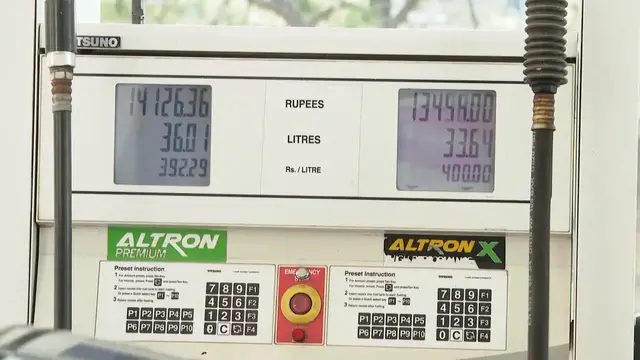
Shotlist Islamabad Pakistan - Sept 18, 2026 (CCTV - No access Chinese mainland) 1. Various of traffic, passengers at bus stop, pedestrians 2. Various of gas station, staff members, clients 3. SOUNDBITE (English) Local resident (name not given) (ending with shot 4): "When I come to school, and I came today on Indrive app, the usual fare which varied from 400 to 500 is now showing 700 to 800." 4. Various of traffic 5. SOUNDBITE (Urdu) Taxi driver (name not given) (ending with shots 6-7): "Most of the money we earn with one day's hard work will be given to the gas station. After a day's work, I can only make around 500-1,000 rupees or even no profits, so I can only go home empty-handed." 6. Various of parked taxi 7. Traffic 8. Students 9. Bus Storyline Pakistan has introduced a new round of fuel-saving measures as surging international oil prices put mounting pressure on the country's energy supply, transportation costs and household livelihoods. Under the measures, government departments will cut fuel supplies for official vehicles by 50 percent for three months. Shops, markets, shopping centers and bazaars will close by 21:00, while restaurants and cafes will shut by 23:00. The measures come as domestic fuel prices have risen sharply over the past 15 days. The price of gasoline has increased by about 37 Pakistani rupees (about 0.13 U.S. dollars) per liter, bringing the retail price close to 400 rupees (about 1.44 U.S. dollars) per liter. "When I come to school, and I came today on Indrive app, the usual fare which varied from 400 to 500 is now showing 700 to 800," said a local resident. "Most of the money we earn with one day's hard work will be given to the gas station. After a day's work, I can only make around 500-1,000 rupees or even no profits, so I can only go home empty-handed," a taxi driver noted. The energy price increases have raised transportation costs and added to household expenses. In the capital Islamabad, much of the fruit, vegetables, fresh produce and other daily necessities are transported from other parts of the country. Higher fuel prices have therefore pushed up logistics costs, which have been passed on to consumers, contributing to broader increases in the prices of essential goods.
Show More Show Less #news