
Brazil: Agribusiness under pressure as Middle East tensions ripple across South America.
May 2, 2026
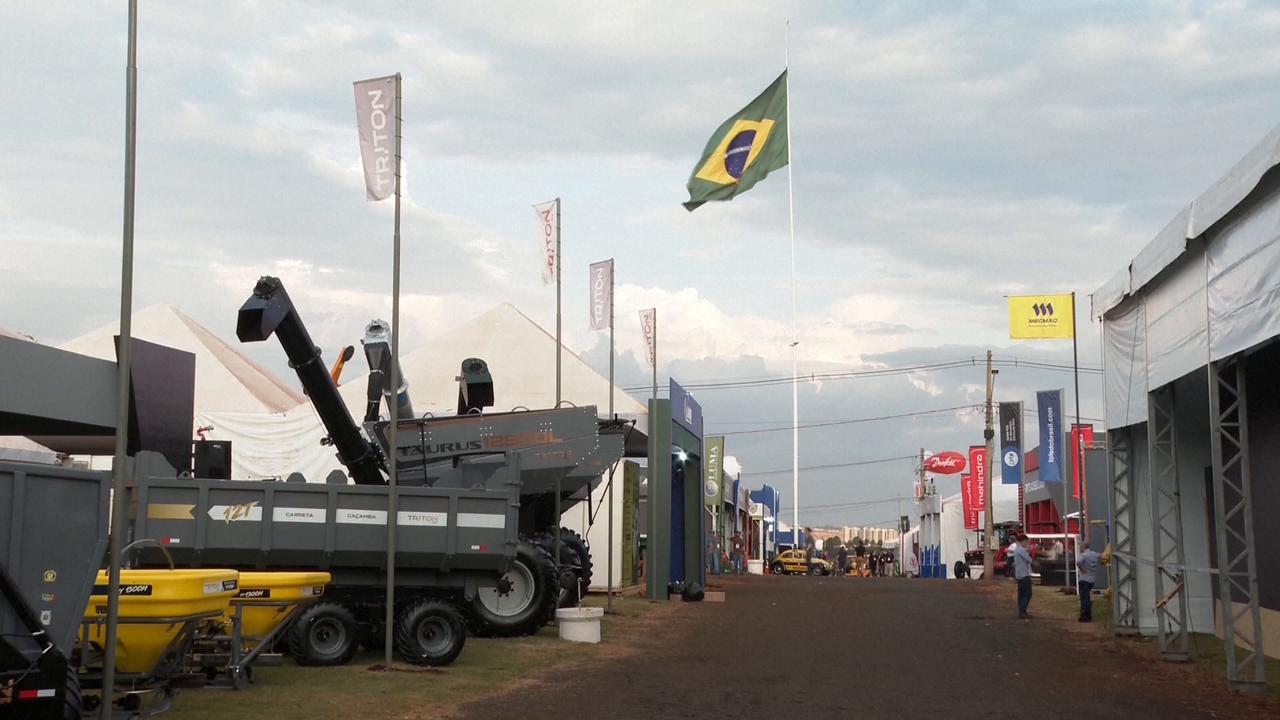
Shotlist Sao Paulo, Brazil - April 30, 2026 (CCTV - No access Chinese mainland) 1. Aerial shot of coffee plantation, tractor harvesting coffee beans 2. Various of coffee cherries 3. Coffee grower Luiz Antonio driving tractor to harvest coffee cherries 4. SOUNDBITE (Portuguese) Luiz Antonio, coffee grower: "Our production costs have already been pushed up. Fertilizer prices have risen by nearly 50 percent. Some fertilizer prices have even doubled. If prices continue to rise, the impact will be even greater. My planting costs for the next season could increase by 50 percent." 5. Various of farm machinery, drone on show at Agrishow 2026 6. Exhibitor talking with visitor 7. SOUNDBITE (Portuguese) Moises Pedriz, department head, Brazilian drone manufacturer (ending with shot 8): "This agrishow has traditionally been the peak season for drone sales. But this year, it is clear that the market is cooling down. The root cause is that farmers currently lack sufficient purchasing power. This is a ripple effect of the war. What happens next will depend on the situation in the Strait of Hormuz and where the war goes. If tensions persist, farmers will have no money to buy drones or invest in other agricultural equipment." 8. Drone showing how to spray pesticides at Agrishow 2026 9. Various of exhibitors, visitors, drones on show Storyline Brazil's agricultural sector as a whole has felt the squeeze from the geopolitical turmoil in the Middle East with coffee growers facing soaring diesel and fertilizer prices and farmers grappling with dwindling purchasing power. Coffee cultivation is a key pillar of Sao Paulo's agricultural economy. Luiz Antonio, whose family has been growing coffee for a century, runs a plantation spanning more than 300 hectares in the southeastern Brazil state. With diesel and fertilizer prices keeping climbing, this seasoned grower is feeling unprecedented pressure. "Our production costs have already been pushed up. Fertilizer prices have risen by nearly 50 percent. Some fertilizer prices have even doubled. If prices continue to rise, the impact will be even greater. My planting costs for the next season could increase by 50 percent," he said. Rising costs are not only squeezing profit margins for growers, but also sending ripples through agricultural investment. This became more evident at this year's agrishow from April 27 to May 1, the biggest and most important agricultural technology trade show in Brazil. "This agrishow has traditionally been the peak season for drone sales. But this year, it is clear that the market is cooling down. The root cause is that farmers currently lack sufficient purchasing power. This is a ripple effect of the war. What happens next will depend on the situation in the Strait of Hormuz and where the war goes. If tensions persist, farmers will have no money to buy drones or invest in other agricultural equipment," said Moises Pedriz, a department head of a major Brazilian drone manufacturer and developer. The Iran war and the consequent blockade of the Strait of Hormuz, a critical strategic corridor handling one-quarter of global seaborne oil trade, as well as significant volumes of liquefied natural gas and vital fertilizers, have throttled global energy flows and caused fertilizer prices to spike.
Show More Show Less #news