Up next in 10



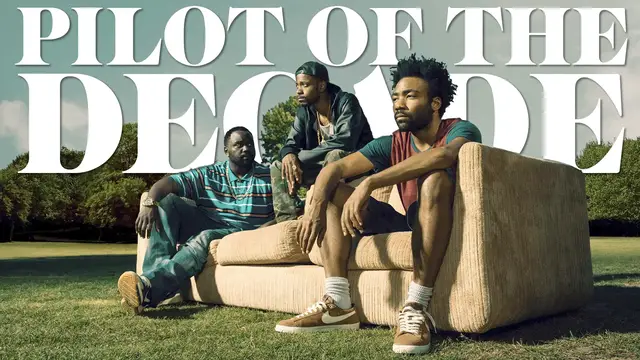
Donald Glover is known for many things. Acting, Stand Up, Writing, Show Running, Rapping, and much more. But through all that one of his crowning achievements is his FX Show Atlanta. Not only is Atlanta fresh, exciting, and unlike most shows on television. It has easily the best Pilot Episode of any TV Show in the last 10 years.
Show More Show Less View Video Transcript
0:00
A lot of social theorists believe that our modern internet-enabled society has created
0:07
an environment in which we are molded almost exclusively by the entertainment that we engage with
0:14
Now, not in the video games cause violence kind of way, but in the interests accumulate
0:19
through experience kind of way. So where does that put a show like Donald Glover's Atlanta
0:27
See, some of you may know this and some of you may not. Donald Glover is one of my favorite artists of any kind in the world
0:33
And Atlanta is special. The show's narrative flexibility, its versatility, it is a masterclass in visual storytelling and cinematic creativity
0:42
From its perfectly cast actors to its mixture of flashy visuals and gritty world building
0:47
this is a show that almost no one saw coming. This is a former comedic actor, a stand-up
0:54
a rapper turned would-be cable showrunner. And this is certainly not what somebody would have expected someone with those adjectives to attempt with their fledgling outing, let alone do so successfully
1:07
However, making a great series and making a great pilot are two distinctly different tasks
1:11
Yes, Atlanta is viewed as one of the most critically acclaimed shows currently on FX or on television, period
1:16
With the reception of season two being so rapturous, the network ordered not one but two seasons for its pickup
1:21
But its pilot was a different story. Well, with a lot of similarities. The primary aspect of Atlantis Pilot that is so impressive is how understated and refined it is
1:31
Nothing is out of place. It's lean and considered in its choices, it knows who its characters are from the get-go
1:36
and it relishes in their flaws and imperfections where most shows would shy away. Rather than being a traditional pilot, which usually attempts to communicate what an average episode of the show would be like
1:45
while providing context for the story engine that will propel the rest of the series Atlantis Pilot opts for a much more subtle and stripped approach The structure of this initial foray into the world of Ernest Earnmarks and Paperboy is a simple day story
2:00
The conflict is minimal, there's no contrived movie-style inciting event, no meet-cutes, and no highly commercial elements that would theoretically entice a development executive into buying the show
2:10
It's just an average, everyday struggle. A young man, his daughter, his ex, and his drive to figure out how to survive
2:16
Balancing your love life, paying bills, and attempting to outrun your past might not sound like an exciting 23 minutes
2:21
but Atlanta's pilot is a slow burn that sucks you in before you realize it's been 23 minutes
2:29
Dealing with the social fallout of the decisions you've made is a heady concept for a pilot, specifically to deal with throughout its entire runtime
2:35
But over the course of this episode, we see Earn interact with individuals from almost every walk of life
2:40
His mother and father, who are tired of being his caretakers. Again, his ex, who is tired of supporting their daughter alone, and his cousin, who suspects that Earn has reappeared in his life only as a means to siphon off some of the young burgeoning rap star's potential fortune
2:53
However, believe it or not, Lana was almost a very different show than this
2:58
The pilot's script originally opened with Earn at Princeton University in 2006
3:02
In a tense two-page scene, Earn is being questioned by the dean of the university about something that he's done wrong
3:07
Earn is stoic and is described as being in shock. He doesn't respond to any of the questions being asked, with the scene climaxing and finally saying
3:14
I woke up. This atmospheric and cryptic opening would have set a distinctly different tone for not just the pilot, but the series
3:21
And it's little tweaks like this that can make all the difference in the world. That scene would have been dramatically out of place for, well, what the pilot set the stage for
3:29
This cold open, while still being character focused, the previous one, I mean
3:33
is centered on the character's backstory, coloring the events of the pilot
3:36
as opposed to an active cold open that propels forward into the narrative
3:40
In the existing cold open that was shot we see Earn Paperboy and Darius get involved in a shooting which appears to end in a murder This gives the entire show a much more concrete thrust and lets you
3:51
know exactly what you're in for. What's even more interesting about how this plays out is that this
3:55
narrative thread, which in a less skilled storyteller's hands would have been picked up
3:59
directly in episode two or three, is almost nearly abandoned and left to work as background
4:03
radiation for the entire world of the television show. The pilot here is essentially a very good
4:08
30-minute short film. It stands on its own, while still being a launching pad for what's to come
4:14
That's really important here because Atlanta borrows heavily from its cinematic influences
4:20
From the handheld kineticism of the opening sequence to drone shots leading out of the
4:24
cold open into the shots of the city of Atlanta. And to bind its influences and its platform being
4:30
television together is pure directorial ability. The true magic of Atlanta lies in its thinly
4:35
laced layer of surrealism. With only two moments of otherworldliness in the pilot, it's almost as if
4:41
you blink and you'll miss just how strange the world of Atlanta is going to get, and that kind
4:45
of teasing is what hooks people for the long run. For example, early on, Darius seems to be aware
4:50
he's in a TV show. He remarks that he's feeling deja vu and asks where the dog is, only to turn
4:55
around and discover a dog. Okay, where's the dog with the textures on him? There he is. That's a trip, man
5:04
Then later in the pilot, Ern rides the bus with a man making a Nutella sandwich. They have a brief but deeply strange conversation which ends with a man getting off the bus prematurely
5:12
and being accompanied by a dog, which was not in the rest of the scene. These seedlings of surrealism are what will grow into Teddy Perkins, Black Justin Bieber, and The Invisible Car
5:22
some of the most exciting and enticing television produced in the last decade. And all of that is only possible because of the guide rails that the pilot set up
5:30
In the age of premium streaming, the general public seems to have almost completely forgotten
5:34
just how bland most pilots used to be when pilots didn have the ability to take of risks A network pilot is traditionally split up into three acts a cold open a stinger and your body essentially These three acts introduce a simplistic conflict centered around
5:49
an A and B plot that typically converge by the end of the episode in a thematic and character-centric
5:53
conclusion. The Atlanta pilot has the rough bones of those elements, but executed in a way that's
5:58
fairly arthouse. There's no forced conclusion, no throw-to-commercial end-of-the-act jokes, and no hyper-artificiality that would come with something like a lap track
6:07
Glover's writing on the Atlanta pilot shows a clear understanding of structure and how to play with it
6:13
Everything in the pilot builds on itself. Which brings us to the final element we're going to discuss today, which is the title of the pilot
6:20
Normally something you look over and something that really shouldn't matter. Titles can tell us a lot about the intention of a specific piece of art
6:26
but typically in television, they're not even something you look at, nor do they need to be
6:31
They can act as a clue into the minds of the people who worked on the project, but usually they're an afterthought
6:37
So often in the studio system, titles are marketing. Projects are retitled to attempt to make them more commercial
6:42
This very rarely works, and yet this practice continues to be instituted across the board
6:47
Upon its release, the Atlanta pilot was titled The Big Bang. A cheeky pun, if you're paying attention, obviously nods to both the theoretical creation of the universe and the violent act that Paperboy commits in the cold open
6:58
It's drawing a metaphor that predicts in quintessential hip-hop fashion, Atlanta being one of the greatest shows of all time, maybe
7:06
Not quite yet, but the potential. It's a TV show equivalent of when a rapper proclaims themselves the greatest of all time
7:11
And who knows, maybe Atlanta will be. One day, it's certainly too early. However, the show instantly became a critical darling
7:17
sweeping award shows and pulling high ratings for FX. And that pilot was where it all started
7:21
Simple, clean, free of self-reflexive second-guessing and people-pleasing. To put it bluntly, without question, Atlanta's pilot, regardless of title, is the best initial
7:30
episode of any television program of the last decade