Up next in 10



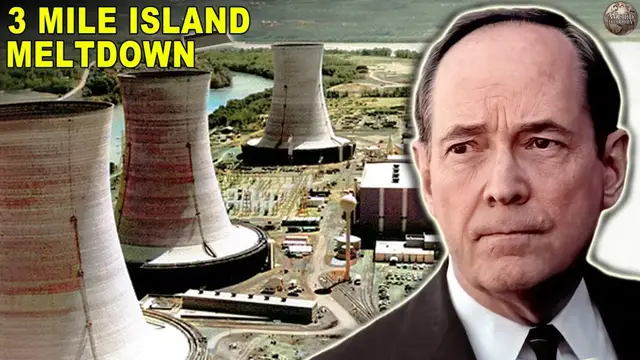
Three Mile Island is a nuclear power plant located in Dauphin County, Pennsylvania, on the eastern side of the state. It was the site of the Three Mile Island nuclear meltdown, which occurred on the morning of May 28, 1979. Although no one outside of the plant was harmed, the workers inside were exposed to high levels of radiation, and the public became worried that nuclear power was unsafe.
Show More Show Less View Video Transcript
0:00
The biggest nuclear accident in American history, the Three Mile Island Meltdown
0:04
occurred on the morning of May 28, 1979. Although it was small in comparison to the
0:10
Fukushima disaster in Japan or the Chernobyl incident in Russia, it still serves as a
0:15
cautionary tale about how a series of small mistakes can cascade into a major disaster
0:21
So, today we're going to take a look at everything that went wrong during the infamous
0:26
Three Mile Island incident. Okay, time to stop the world and meltdown with you
0:34
Three Mile Island Nuclear Generating Station is a decommissioned nuclear power plant located on
0:40
Three Mile Island in the Susquehanna River near Harrisburg, Pennsylvania. Well, not totally
0:45
decommissioned. As it turns out, that's a really long process. More on that in a minute. Originally
0:50
built by General Public Utilities Corporation, the plant was operated by the company's Metropolitan
0:55
and Edison Company, also known as Met Ed. Construction on Three Mile Island's nuclear
1:00
reactor Unit 1, TMI 1, began in 1968 and was completed without any problems. On the other
1:07
hand, Unit 2, also known as TMI 2, was plagued with issues. First of all, there were massive
1:13
delays in the construction process, which should have only taken six years, but wound up taking
1:18
nine. Building began in 1969 and wasn't completed until 1978. That's enough time for two godfathers
1:25
two Jaws's and one Star Wars. And a Star Wars holiday special
1:30
which is a different type of catastrophe. But that wasn't all. Once the reactor started operating
1:35
it suffered a series of unscheduled shutdowns. That's a bad. If your refrigerator did that
1:41
you'd take it back to the store. But a nuclear reactor is a total pain to return
1:45
The workers operating Unit 2, who weren't eager to be out of a job
1:49
didn't want the government shutting the reactor down for good. So they decided to start falsifying data
1:54
about the reactor's performance to the Nuclear Regulatory Commission. And while we totally understand pencil-whipping a few things
2:00
if you're working the closing shift at El Pollo Loco, but the stakes are a little higher when you're splitting atoms
2:05
The stage was already set for something to go terribly wrong. On March 28, 1979, the pump that sent hot water to the reactor's steam generator
2:17
failed for reasons that are still not entirely understood. Some suspect it may have been the fault of a veil getting stuck in a closed position
2:23
or water that leaked into an airline, but there's no way of knowing for sure. In response, the plant's turbine immediately shut down
2:30
expelling a huge plume of high steam Without the steam generator to feed it water the water pump in Unit 2 also quit working This particular pump was designed to provide a nonstop flow of water
2:42
to the steam generators that kept the nuclear core of the plant cool, which is really, really important
2:48
As long as the nuclear core is being cooled, it works just fine
2:52
However, when it's allowed to heat up, a catastrophic chain of events begins
2:56
leading to the nuclear core going critical and then melting down. The result is a release of nuclear energy that spreads throughout the atmosphere
3:04
And while atomic clouds may grant people superhuman powers in the MCU, in real life, they mostly just give you cancer
3:13
When the pump stopped working, the plant went into emergency shutdown mode, and the chances of a meltdown at Three Mile Island increased
3:20
With the whole system shutting down, the pressure inside the reactor began to fall
3:25
Normally, this sudden drop in pressure would trigger the relief valve to close and stop venting steam
3:30
This time, however, the valve was stuck open, so steam kept pouring out of the plant
3:35
which steadily lowered the water levels in the reactor. At this point, you may be wondering why there weren't backup measures in place in case the feedwater pump malfunctioned
3:43
Well, as it happens, there was. But like everything else at Three Mile Island that day, the backups were as effective as a drunk relief pitcher
3:50
When the main feedwater pump failed, an emergency pump should have automatically switched on
3:54
However, the emergency pump's relief valve was stuck in a closed position
3:59
What is with all the sticking? Did they sculpt this thing out of graham crackers and peanut butter
4:03
Well, it sounds like a case of Murphy's Law. This particular failure was the direct result of human error
4:09
A few days prior to the meltdown, the backup pump was tested several times and found to be in good condition
4:14
However, in order to conduct those tests, the valve had to be operated manually
4:19
When the valve is properly open, the backup pump will kick into gear like it's supposed to
4:22
But someone left the valve closed after the tests were completed. Consequently, the backup pump did not turn on
4:28
and the water near the core kept venting out, allowing the core's temperature to keep climbing
4:33
And if all that wasn't bad enough, the mishaps continued to snowball out of control
4:38
The instrumentation in the control room failed to alert the operators of the growing problem
4:42
They could tell the main pump had stopped, but believed that the backup pump was working properly
4:46
It didn't help that the emergency pumps in that reactor had turned on for no reason several times in the past
4:51
So workers had been conditioned to assume it wasn't anything serious. And even though the valve venting steam was stuck open
4:57
the control panel's confusing readings seemed to indicate it was closed. The operators had no idea that cooling water was steadily
5:04
leaving the reactor in the form of steam. The general design of the plant didn help matters either as there wasn any way for the operators in the control room to see how much water actually surrounded the nuclear core Because of this and the faulty readings in the control room of Unit 2 workers thought the situation was under
5:20
control. They believed the reactor was filled with water, while in reality, it was filling with steam
5:26
So in order to prevent the reactor core from getting flooded, the workers shut down the water
5:31
flow. This just made the core, which was already dangerously low on agua, even hotter. According to
5:37
a follow-up report, there were two gauges that should have been checked before taking action
5:41
An employee later admitted to having checked only one, which led him to believe the space was
5:45
filling with water instead of running dry. Mounting steam pressure then caused the coolant
5:50
pumps to start vibrating, so plant workers turned the pumps off to keep them from getting damaged
5:55
At that point, the flow of water that cooled the Unit 2 reactor core had been completely halted
6:00
and the effect was exponential. Since fresh water was no longer flowing into the reactor
6:05
large portions of the reactor core became uncovered as steam and old water escaped
6:09
The fuel rods, which held the nuclear pellets that fed the reactor, started to melt
6:14
To give you an idea of just how serious this failure was, the rods were made of zirconium
6:19
a compound with a melting point of about 1,850 degrees Celsius, roughly one-third the temperature of the sun
6:25
That is f***ing hot. A full-scale meltdown had begun, and nobody knew it was happening
6:34
Unfortunately, the people working in the control room on the morning of May 28th waited too long to properly check the water levels in the reactor core
6:42
While the problems had started at 4 a.m., nobody realized the water had to be manually switched back on until 7 a.m
6:49
During that three-hour window, the reactor core melted down. Once the control room operators realized what was actually going on, they turned the water back on and manually closed the stuck valve
7:00
However, by that time, they were left with 60% of the core seriously damaged
7:05
By 7.45 a.m. on the morning of May 28th, there were around 60 people in the control room trying
7:10
to manage the situation and prevent it from escalating any further. None of them knew that
7:15
the nuclear fuel rods were already melting down into a radioactive sludge and pooling at the
7:20
bottom of the reactor. When they eventually realized this several hours later, the only
7:24
thing they could do was hope that the five-inch thick steel bottom of the reactor wouldn't boil
7:29
away, like the T-1000 at the end of Terminator 2. Thankfully, the bottom of the reactor
7:34
held, preventing a full meltdown. The water finally managed to cool the nuclear sludge
7:40
before things got any worse. Even though the crisis on Three Mile Island occurred on May 28 it wasn until two days later May 30th that officials finally spoke up and informed nearby residents that they should maybe think about staying indoors and keeping their doors and windows shut tightly to avoid breathing in potentially contaminated air
8:02
When a hydrogen bubble, which is a hazardous cloud of air, was found to be pushing against the top of the reactor
8:07
Pennsylvania's Governor Dick Thornburg finally requested that children and pregnant women in a five-mile radius evacuate the area
8:15
Luckily, no health effects were experienced by any residents as a result of the meltdown
8:19
But had the incident been worse, waiting two days to declare an emergency evacuation would have been catastrophic
8:25
The only real winners from the disaster turned out to be the producers of the 1979 movie The China Syndrome, starring Jane Fonda, Jack Lemmon, and Michael Douglas
8:36
The film, which revolves around a disaster very much like the one at Three Mile Island, had opened only 12 days before the accident, and it wrote its sudden relevance to become a smash hit and nabbed four Academy Award nominations
8:49
The real-life Fallout, no pun intended, was a lot less exciting. According to the New York Times, cleanup from the accident was finally concluded around August 14
8:59
1993, nearly 14 years after it happened. Among other things, the process entailed the cleaning
9:05
of 2.3 million gallons of wastewater. Turns out, you just can't run rad water through a Brita
9:11
Reactor Unit 2 was permanently shut down after the accident. However, in November of 2010
9:17
its damaged electrical generator would be refurbished and installed at Sheeran Harris
9:22
nuclear plant in New Hill, North Carolina. Did not know there was an aftermarket for nuclear
9:26
reactor parts. That feels like I think you should buy new. Reactor Unit 1, which was offline for
9:31
refueling during the disaster, was brought back online in October of 1985, despite several federal
9:38
court injunctions and massive public opposition. It would remain in use until it was finally shut
9:43
down 34 years later, on September 20, 2019. Interestingly, the plant wasn't shut down for
9:50
any technical reasons. To the contrary, its license to operate was secure through the year 2034
9:55
Nope. TMI1 was shut down because the company who owns it, the Exelon Corporation, wasn't earning
10:01
enough money from its operation. Exelon announced in May of 2017 that they would close the plant
10:06
unless the state made policy changes or created other incentives that would help defray operational
10:11
costs. But the state evidently decided not to intervene. The decommissioning of Unit 1 will
10:16
take nearly 60 years and over $1 billion to complete. Hmm, should have subcontracted that out to Wolverine
10:24
He took it down way faster