Up next in 10


All about the different types of animals in the world. Marine Life, African animals, land creatures, sea creatures, mammals, ocean. animals, insects, snakes, lions, elephants, spiders, whales, sharks, dolphins, octopus, reef, fish, dangerous creatures, poisonous creatures, ants, animal habitat, birds, cheetah, leopard, jaquar
Show More Show Less View Video Transcript
0:00
Hey everyone, Malcolm Walker here and
0:02
welcome back to the channel. Today we're
0:04
galloping into the fascinating world of
0:06
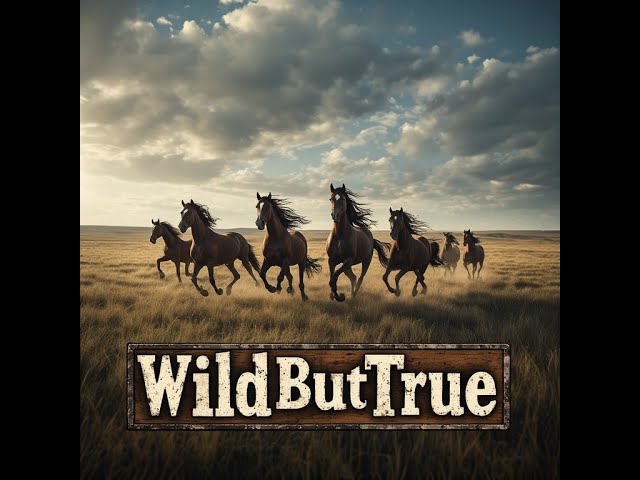
wild and feral horses. You might think a
0:09
horse is just a horse, but there's a
0:10
surprising amount of diversity out
0:12
there, especially when they're roaming
0:14
free. So, let's get right into it. First
0:16
up, what's the difference between a wild
0:19
and a feral horse? A truly wild horse is
0:22
a species that has never been
0:24
domesticated.
0:26
The only one left in the world is the
0:28
Persawski's horse, also known as the
0:31
Mongolian wild horse. These guys are
0:33
incredible survivors. They're shorter
0:36
and stockier than most horses we know.
0:39
With a distinct dunoled coat and a dark
0:42
spiky mane that stands straight up. They
0:44
almost went extinct in the wild, but
0:46
thanks to massive conservation efforts,
0:49
they're now being reintroduced to their
0:50
native habitats in the steps of Central
0:52
Asia. It's a real comeback story. Now,
0:56
let's talk about feral horses. These are
0:59
horses whose ancestors were once
1:00
domesticated but have since returned to
1:02
a wild state. They live in
1:04
self-sustaining herds without direct
1:07
human intervention. The most famous
1:09
examples in North America are the
1:11
mustangs.
1:13
The word mustang comes from the Spanish
1:15
word mist, meaning wild or stray. These
1:19
aren't a single breed, but a mix of
1:21
various breeds brought over by Spanish
1:23
explorers centuries ago. Over
1:25
generations, they've adapted to thrive
1:27
in the rugged landscapes of the American
1:29
West. They're known for their incredible
1:31
stamina, intelligence, and strong social
1:34
bonds within their herds, which are
1:36
usually led by a dominant mare and a
1:38
stallion. Hitting across the pond to
1:40
Australia, we find the Brumies. Similar
1:43
to mustangs, Brumies descended from
1:46
domestic horses that either escaped or
1:48
were released into the wild. The name's
1:51
origin is a bit of a mystery, but it's
1:53
now synonymous with Australia's feral
1:55
horses. They've adapted to the harsh
1:58
Australian environment. From the snowy
2:00
mountains of the Australian Alps to the
2:02
arid outback, Brumies are a melting pot
2:05
of breeds like thoroughbreds, rabians,
2:07
and Clydesales, making them a hearty and
2:10
versatile bunch. Then there are the
2:13
beautiful Kar horses in southern France.
2:16
These ancient horses live in the
2:17
wetlands of the rain delta. They're
2:19
famous for their brilliant white or gray
2:21
coats, which stand out against the
2:22
marshy landscape. What's amazing is that
2:25
they reborn with dark coats, black or
2:28
brown, and they lighten as they age,
2:30
usually turning completely white by the
2:32
time they're around 7 years old. They're
2:34
perfectly suited to their semi-aquatic
2:36
life with tough hooves that can handle
2:39
wet, marshy ground. Another unique group
2:42
is the Sable Island horses of Nova
2:44
Scotia, Canada. Living on a remote
2:47
crescent-shaped sandbar in the Atlantic,
2:49
these horses have been on their own for
2:51
centuries. Their origins are debated,
2:53
but they've survived shipwrecks and
2:55
harsh weather, adapting to a diet of
2:57
marram grass and other sparse
2:59
vegetation. They're a testament to the
3:01
resilience of nature. Living in a small
3:04
isolated ecosystem, each of these horse
3:06
populations tells a story of survival,
3:09
adaptation, and freedom. They face
3:12
unique challenges from finding food and
3:15
water to dealing with predators and
3:17
human encroachment.
3:18
Managing these populations is a complex
3:21
issue. For feral horses like mustangs
3:23
and brumies, their numbers can grow to a
3:26
point where they impact the native
3:27
ecosystem,
3:29
leading to debates about how best to
3:30
manage them humanely while protecting
3:32
the environment. It's incredible to see
3:35
how these animals, whether truly wild or
3:38
feral, have carved out a life for
3:40
themselves in some of the world's most
3:41
challenging environments. They embody a
3:44
spirit of untamed freedom that continues
3:46
to captivate us. What do you think about
3:48
these amazing horses?
3:51
Let me know in the comments below. I'd
3:53
love to hear your thoughts. Thanks so
3:55
much for watching today. Well, if you
3:58
enjoyed this journey into the world of
3:59
wild horses, please give this video a
4:02
thumbs up and do not forget to subscribe
4:04
for more content about the incredible
4:06
animal kingdom. See you in the next one.
Pets & Animals
Pets & Animals
Wildlife