Up next in 10


All about the different types of animals in the world. Marine Life, African animals, land creatures, sea creatures, mammals, ocean. animals, insects, snakes, lions, elephants, spiders, whales, sharks, dolphins, octopus, reef, fish, dangerous creatures, poisonous creatures, ants, animal habitat, birds, cheetah, leopard, jaquar
Show More Show Less View Video Transcript
0:00
Malcolm Walker back on Wild but True.
0:03
Today we're diving deep, and I mean
0:06
really deep. No, to uncover the truth
0:09
about one of the internet's most famous
0:11
and let's be honest, weirdest looking
0:13
animals. I'm talking about the one and
0:16
only blobfish. You've probably seen the
0:18
picture. A gelatinous pink blob with a
0:21
droopy nose and a permanent frown
0:24
looking like a melted cartoon character.
0:26
It was even voted the world's ugliest
0:28
animal. But what if I told you that
0:30
we've been looking at the blobfish all
0:32
wrong? The famous photo that made the
0:34
blobfish a meme sensation is actually
0:36
not what it looks like in its natural
0:38
habitat. Think about it. This fish lives
0:41
in the crushing darkness of the deep sea
0:43
between 600 and 1,200 m below the
0:46
surface off the coasts of Australia and
0:49
New Zealand. Down there, the pressure is
0:52
immense. We're talking 60 to 120 times
0:55
greater than what we experience at the
0:57
surface. To survive, the blobfish has a
1:00
very special body. It's made of
1:02
gelatinous tissue that's just slightly
1:04
less dense than water. This allows it to
1:07
float effortlessly just above the
1:08
seafloor, conserving precious energy
1:11
while waiting for small crustaceations
1:13
and other tasty morsels to drift by. It
1:15
doesn't need a swim bladder, the gas-
1:17
fil organ most fish use to control their
1:20
buoyancy, because at those depths, the
1:22
pressure would just crush it. So, why
1:25
the blobby sad face? It's all because of
1:28
something called depressurization.
1:31
When a blobfish is accidentally caught
1:32
in deep sea trolley nets and pulled up
1:35
to the surface too quickly. The drastic
1:38
change in pressure causes its body to
1:39
expand and lose all its shape. Its
1:42
gelatinous structure can't handle the
1:44
low pressure of our world, so it
1:46
essentially collapses into the droopy
1:48
pile we see in photos. It's like taking
1:50
a deep sea diver and launching them into
1:52
space without a suited S. Not a pretty
1:55
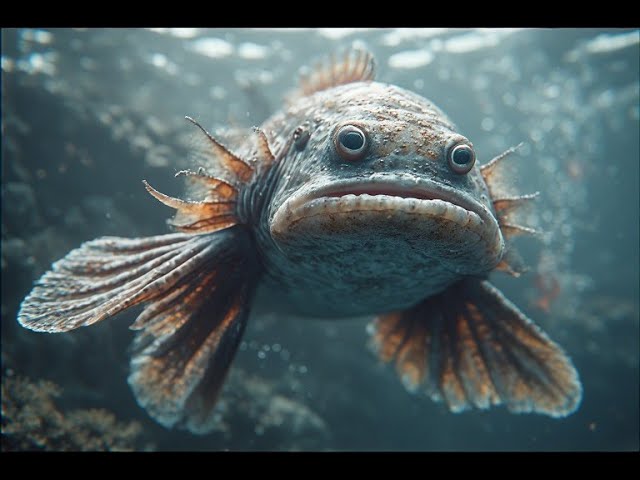
picture. In its natural deep sea
1:57
environment, the blobfish looks much
1:59
more like a typical fish. Has a
2:01
recognizable head, eyes, and a more
2:03
streamlined body. It's a fascinating
2:04
example of extreme adaptation. So, the
2:07
creature we often mock for its
2:09
appearance is actually a victim of
2:10
circumstance. A survivor of one of the
2:13
planet's harshest environments. The
2:15
blobfish isn't ugly. It's just out of
2:18
its element. It's a powerful reminder
2:21
that looks can be deceiving and that
2:23
every creature is perfectly adapted to
2:25
its own world. Next time you see that
2:28
meme, you'll know the real story behind
2:30
that famous frown. Thanks for watching.
2:32
If you learned something new today, hit
2:34
that like button and subscribe for more
2:36
deep dives into the wonders of the
2:37
animal kingdom. See you in the next
2:38
video.
Pets & Animals
Pets & Animals
Wildlife
Biological Sciences