0:00
Hi everybody, Malcolm Walker here. Ever
0:02
heard of a bird that can take you out?
0:04
No, I'm not talking about an angry
0:05
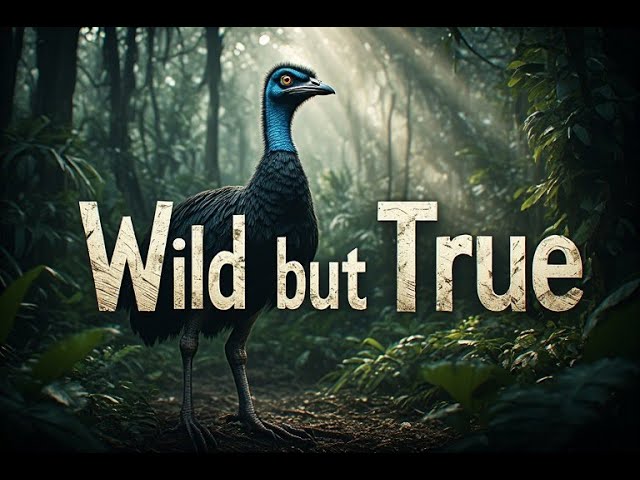
ostrich. I'm talking about the casawary,
0:08
the world's most dangerous bird. Hailing
0:11
from the rainforests of New Guinea and
0:13
northeastern Australia. This isn't your
0:15
average feathered friend. Picture a
0:17
turkey, but make it dinosaur sized with
0:20
a brilliant blue head and a bony helmet
0:22
called a cask. It's a stunning sight,
0:24
but don't let its good looks fool you.
0:27
So, what makes the casawary so
0:28
dangerous? It's all in the feet. Each
0:31
foot has three powerful toes, and the
0:33
inner toe is equipped with a dagger-like
0:35
claw that can grow up to 5 in long.
0:37
That's a 5-in knife on its foot. When
0:40
threatened, a casawary will leap into
0:42
the air and kick with both feet, using
0:45
these claws to slash and disembowel any
0:47
perceived threat. They can run at speeds
0:49
up to 30 mph and jump nearly 7 ft
0:52
straight up. This is a bird you do not
0:54
want to startle. Despite their fearsome
0:56
reputation, casawaryies are actually
0:58
quite shy and prefer to keep to
1:00
themselves deep in the forest. They're
1:02
primarily frugavores, meaning they
1:04
mostly eat fruit. In fact, they play a
1:07
crucial role in their ecosystem as
1:09
rainforest gardeners. They swallow
1:11
fruits whole and then disperse the seeds
1:13
over large areas through their
1:16
droppings, helping to regenerate the
1:17
forest. Without casawaries, many plant
1:20
species would struggle to survive.
1:23
Unfortunately, these magnificent birds
1:25
are facing threats. Habitat loss from
1:28
deforestation, traffic accidents, and
1:30
attacks by domestic dogs are pushing
1:32
their populations down. The southern
1:35
casawary is now listed as an endangered
1:37
species. So, what can we do? Supporting
1:39
conservation efforts and being
1:41
respectful of their habitat is key. If
1:43
you're ever lucky enough to be in
1:44
Casawary country, keep your distance,
1:47
never feed them, and simply admire them
1:49
from afar. These incredible creatures
1:52
are a living link to the age of
1:53
dinosaurs and a vital part of our
1:55
world's biodiversity.
1:57
They command respect not just for their
1:59
power, but for their essential role in
2:01
nature. Thanks for watching. If you
2:03
learned something new, hit that like
2:05
button and subscribe for more amazing
2:07
animal facts. See you next