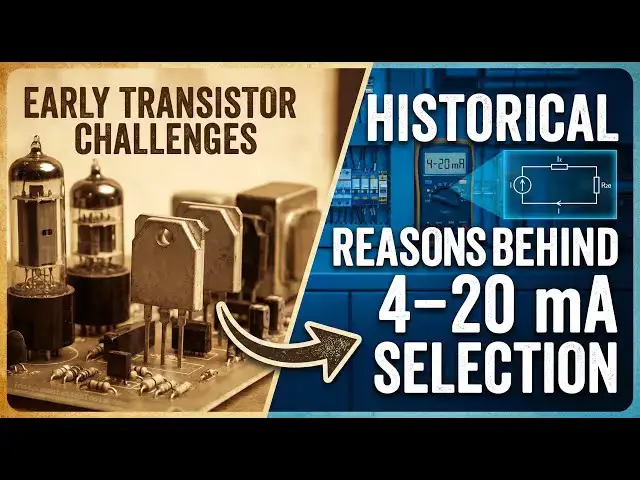
0:09
video we discussed about the
0:15
video is related to the bias selection
0:22
factor to understand this we need to go
0:26
to the 1960s 1970s those years we have
0:32
there and we will start with simple
0:37
example I think you remember the old and
0:43
televisions this is a world
0:50
see the size of the screen it is
0:55
small and the power consumption is high
1:00
if you compare the world
1:03
television with the modern
1:07
technology the screen is very large this
1:12
models screen is big when you compare
1:18
consumption it is low power
1:21
consumption when compared to the old
1:27
right with the advancements in the
1:31
Electronics every year the power
1:34
consumptions are going
1:37
down so this is also one of the
1:48
see the transmitters are designed with
1:53
transistors okay I will show you some
1:56
transistors see this is a transistor
2:02
1941 observe the size of the
2:05
transistor and this is one more
2:09
1948 different designs models
2:22
1997 if you check the latest transistor
2:27
models miniature models
2:33
less these all transistors will do the
2:39
function gradually the technology
2:46
Futures will be added and gradually the
2:50
power consumption will be
2:52
reduced this is one key
2:55
point so we need to go back to the olden
3:06
time the analog transmitters are
3:10
designed with transistors
3:14
okay and the transistors need a minimum
3:18
operating current which is 3
3:23
milliamp so that the transistors can
3:27
operate in active reason which is a
3:34
so as these transistors need minimum 3
3:39
milliamp we don't have any option with
3:42
us to Select 1 milliamp 2 mamp or 3
3:52
bias we must select more than 3
3:57
simple remember this design this
4:01
selection everything is happened during
4:09
okay so whenever we discuss about these
4:16
milliamp we need to consider the 1960s
4:23
technology do not compare today's
4:31
that is why the bias must be more than 3
4:36
milliamp okay it may be 4 5 6 7 8 9 10
4:43
or any other value but
4:47
definitely 1 2 3 are not recommended and
4:54
available if you see the transistor
4:56
operating curve the transistor most have
5:01
reasons saturation add two and cut off
5:05
saturation means transistor is in on
5:09
state cut off means off
5:12
State we know that the transmitter has
5:16
to send a current signal and it has to
5:21
vary the current signal in between 4 to
5:26
milliamp that means the transistor
5:31
transmitter they must vary the
5:34
current in a specified range that is why
5:39
this active reason is
5:41
required in this active reason the
5:44
transistor can regulate the current it
5:49
current as per the process
5:57
terms a transmitter cont contains sensor
6:00
circuit and transistor circuit sensor
6:05
measures the process variable and
6:08
updates the transistor circuit the
6:12
circuit generates an output current
6:18
signal clear that is why the transistors
6:21
are important and the circuit is also
6:25
considered the circuit limitations what
6:30
the transistors 3 milliamp minimum
6:33
current flow is required so that they
6:36
can operate in at two
6:40
reason thank you I will meet you in the