Up next in 10



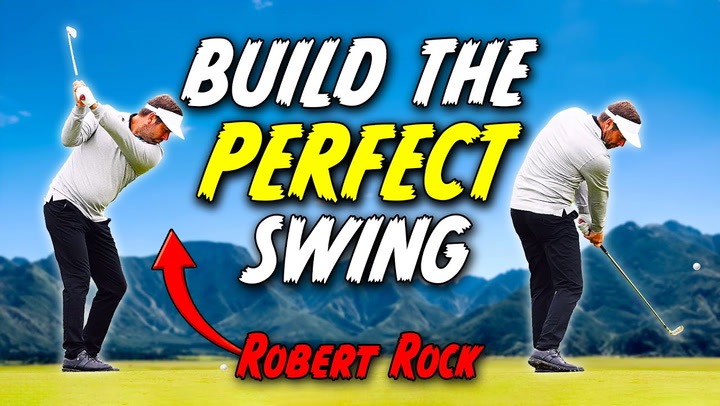
Joe Ferguson is joined by two-time DP World Tour Winner Robert Rock, a player widely regarded as having one of the best swings on tour, to break down the golf swing into different parts to help you hit the ball longer and straighter, more consistently!
Show More Show Less View Video Transcript
0:00
Building the perfect golf swing can be quite an overwhelming task but I think I've got
0:04
someone with me who might be well qualified to help you. I've got Mr Robert Rock. Thanks
0:09
for joining us Rob. Pleasure. So Rob is well known not only for successes on the European
0:14
Tour but also for having arguably the most aesthetically pleasing golf swing. What do
0:18
you think about that? That's nice of you. Thank you. It's alright. It took about five
0:22
years to build. That was going to be my question. Is that something you just get naturally or
0:26
is that something you've had to work really hard on? No, hardly any of it was natural to
0:29
be honest my first efforts got me to a certain point but I knew they weren't
0:33
good enough and it didn't feel like the sort of swing I wanted to be able to make so I set about trying to change it and it's a tough old process would have
0:41
been a lot easier with modern technology I'll give it that I'm saying a bit old there but I enjoyed the process it was something that has served me well and
0:49
maybe create a little bit of a coaching career at the end of it for all the
0:54
efforts so yeah it's been good. It seemed to have done all right so what we're going to do today is we're
0:58
going to break down the golf swing into three main parts. I want to talk about setup, I want
1:02
to talk about the backswing and I want to talk about the downswing. Should we just get on with it? Yes, get on with it, go for it. Good man
1:11
Right, Rob says setup. So I hear so many coaches saying it's really difficult to recover from
1:16
bad setup positions. How do you go about getting yourself in the right setup position and what
1:20
can we learn from that? Yeah, we're all slightly different and we will look slightly different
1:26
in the setup but there's key things that are a must right so your grip absolutely has to be sound
1:32
and with within the boundaries of what um it's to be achievable of hitting solid shots reliably and
1:39
delivering the club facing within a degree or so of what we're trying to do at high speeds
1:45
so that only allows a little sort of subtle tolerances in in how you build the grip they
1:50
They can be slightly stronger, very, very fractionally weaker in some cases
1:54
but generally a pretty sound neutral grip is a must before you do anything else
1:59
So I notice on that you've got an Align grip from Golf Pride, very prominent ridge down the back
2:04
So what's your feeling on that? I guess that gets your fingers in the right place in a consistent manner
2:08
Yeah, exactly. I mean, I've always used a ridge down the back of a Golf Pride grip
2:14
in various forms that they've done, but this is more pronounced now with a firmer material down this ridge
2:21
to make it more obvious basically, right? So rather than a round grip where you kind of have to check your club face
2:28
build your grip around the club face, kind of looking at everything all at the same time
2:32
this is there to fit into that little ridge in your knuckles in the right hand
2:38
and I feel the club face now through that. And I'm assuming that's not just a setup
2:45
you can get better clubface awareness throughout that's referenced throughout so once you've built
2:49
a solid grip and you've got the right pressure points in the grip on mostly i feel in the right
2:55
hand but you will get different people may feel it through the left as well but i feel it certainly
2:59
in the right hand and in the forefinger and in these middle two that tells me where this club
3:05
face is basically this position sticking straight up yeah right now through i had a lot of balls
3:11
and I've hit a lot of balls in 20 years. With a round grip, I would still probably be able to just about feel it
3:16
but it is much easier with this. So I can use this
3:20
It kind of gives you a, we're not allowed a flat side on a proper grip
3:24
But this is as close to a cheat code as you can get, right? Yeah, because you've got this edge that gives me a feeling of matching
3:32
the square side to the grip to the club face. So that has to be part of my grip forming procedure
3:39
So talk me through about how you put your hands on the club then. Do you have any reference points for your fingers, your palm
3:44
Yeah, I would always build my grip, not over the ball for a start
3:49
So that has to be in the area where you're pulling the club out of the bag and you're picturing your shot and the grip goes on at this point
3:54
Now you may have to do loads of work at home to get to the place
3:58
where you can just feel the grip and look at your hands and know what a perfect grip is supposed to look like
4:04
Because it's a bit more than just having a couple of count and a couple of knuckles
4:08
You've got to get the view of your hands and what things you can use as checkpoints and whether a lot's spoken about the overlapping and interlocking
4:19
But for me, that doesn't contribute anything. We see Scheffler in this position a lot, club up in front of him, just diligently checking positions on the grid
4:28
You need that range of motion upwards with your wrists, right? So it's not just we're locking it down in this position and then you're not moving
4:38
We've got to have a range of motion throughout the swing. So doing it up here kind of does a couple of things at once, right
4:45
You get that ability to slide the butt end of the club
4:50
more into the fingers of your left hand at this point because we've got a kind of vertical feeling club shaft
4:56
and you've kind of got the weight of it at the same time and you can look at how your right hand is covering the left
5:02
Now, one of the key parts, I believe, is that the right hand should sit quite high up on the left
5:07
and really close together so you don't want your grip spread out and occupying all of this grip
5:12
based on what if they're too far apart they're working opposing rather than together yeah they're
5:16
they're working opposing you've kind of got the option to use or the one can influence over the
5:24
other depending on which is getting more involved you want one connection point to the club so one
5:31
where if you've got it separate like where do you have the where's the leverage point right so
5:35
So if you've got them both together, using them as a fixed unit
5:39
with the right hand sitting very much on the side of the grip
5:42
and on the side of the left hand. So if this one's driving forward and this one's pushing squarely in behind it
5:49
then you're not going to get much twist in the clubface. If I've got this one sitting low, it's very, very easy
5:56
I mean, extreme there, but it's very easy to send that through on its own
5:59
without this one wanting to know what to do. So it's almost a similar principle to the prayer grip in putting
6:05
When you move hands dead level to each other, it's very difficult to have one influence to the closer you're getting them
6:09
Exactly. You're kind of training them to work together. So if you're right-handed
6:13
most people's left hand is a little bit less educated on what to do
6:17
So I like to see no gaps in the grip at all. So even when I'm looking from this side
6:23
I don't like to see that little bit in there. And you don't want any gaps appearing during the swing either
6:29
The grip can tell you whether you moving your body properly as we get into further parts of the backswing Get to that calm down Rob So the key part of this grip and why I always used a grip of this type
6:43
is that I can feel that. Because what I want to be able to do is set this early
6:48
so I can forget about that and know that I'm going to get the awareness
6:54
of the club face because I've got it through the feeling in my right hand
6:58
and on the back of the grip. Like you say, that's not just an address thing. that's feeling that image throughout
7:03
Yeah, throughout. You need to be able to adjust. What about pressure? So we hear a lot of people saying
7:07
strangle the life habit so you can't get any tighter, hold it like you're cradling a bird
7:11
Where do you sit on that scale? I hold it tight enough so that the gaps disappear
7:16
Yeah. And I can feel whether they may separate during the swing, right
7:22
Because a bit loose has too many spaces already, right? But if you're too tight
7:28
you will get tension up your forearms into your elbows. So the key part in the backswing is how your right arm flexes and folds, because it's really the only joint that's moving significantly
7:39
So if you're gripping too tight and the tension creeps its way all the way up the right arm to the point where you've got a straight right arm, it will stay too straight as you go back
7:50
And then you've got to start to bend it later on in the swing
7:55
But having it too straight early on will force the elbow to then bend in a slightly different direction
7:59
so it can lead on to loads of different backswing faults from just grip pressure so we might have
8:05
just struck upon the key secret move of Robert Rock's beautiful golf swing which we'll talk about
8:10
in the backswing just now so that's the grip let's have a chat about the backswing so on to the backswing and I think a lot of the aesthetic plaudits you get come from the positions
8:23
you hit and how tidy it looks as a golf swing show us how you get there what are the key moves
8:28
the the the main purpose of what i've done for my swing is just to try and remove all unnecessary
8:37
bits and keep my body position as simple and as organized and as sort of locked in a framework
8:46
as possible so that the actual route the club flows on kind of gets set on a simple arc back
8:53
and through i think that's what people see visually why they like your think you're
8:56
golfing so much there's no superfluous superfluous rather motion that looks wasted it just looks
9:03
efficient that's what i see anyway yeah i think efficiency and reliability and having certain
9:09
bits kind of hang your confidence on that right if i do this i'm going to guarantee this and if i
9:16
keep building the swing up this line my path's not going to shift off too much one way or another
9:22
So there was a whole point for it, and to build my iron play better, was to guarantee the low point and strike, right
9:29
And reliability of clubface to get shot shape. Key part of hitting iron shots close
9:34
is hitting them on the same trajectory and flight so they go the right length
9:39
because hitting them straight is the easy bit. Yeah. Which doesn't appear that way, but it actually is
9:45
Hitting it straight that looks like straight. Many times you hit a shot that goes down the flag
9:49
but it comes up on the front of the green or the back of the green, it's no use to it. You hear that a lot about Scheffler
9:53
Montgomery back in the day was always pin high, wasn't he? Pin high. Pin high is everything
9:57
And that comes from reliability of strike. Take me through that and show me how you build that backswing
10:03
So taking that the set-up's given, right, and we've got the awareness of what we need the club face
10:08
to help build a proper set-up, we want a simple turn, right
10:16
And the turn needs to be angled down at the ball. and we don't want to be moving our centers too far off from how we start off define centers head
10:27
sternum everything head sternum hips yeah basically so i'm going to have a definite setup position
10:34
i don't want to move too much from that and i don't want my posture to change from this view
10:38
so my because my actual radius from the ball is going to change yeah difficult to find that
10:45
that strike that we're after because the strike's key. So the turn needs to be angled down at the ball in this sort of manner
10:52
So this, again, is a relatively simple bit to do. You're turning, you're moving your left knee down and inwards towards the ball
10:59
That allows your left hip to go down, which allows the left shoulder to go down
11:03
So I've got a turn now. If all this goes down, this side goes equally upwards
11:08
I'm going to stay pretty level. Problems arise if you allow yourself to shift off too much to the right
11:15
this bit isn't then moving inwards or down so if you practice the the angled turn of your shoulders
11:20
and your hips and your knees that keeps the the back swing pretty consistent as far as the turn
11:26
is concerned so we're going to try and stay centered and we're going to try and stay you'll have a little bit of movement okay because we're the club is working on a circle that goes away
11:35
from us and then back towards this way so there will be a little bit of flow of sort of momentum
11:40
and shift but not loads only like a tiny little bit but you're staying in your angles but you're
11:45
Staying at this angle so that when I unwind the turn, I want to come straight back down the same plane
11:52
We hear a lot about turn, people talking about the turn and moving like that. What do you feel actually turns
11:56
So your takeaway, what's it led by? Is it hand led? Is it club head led? Is it torso
12:00
Is it shoulders? Do you think about that at all? Yeah. My takeaway has been a huge factor in building a decent backswing. Okay
12:07
Because I wanted it to flow up a nice, simple path. and if I didn't get the takeaway right
12:13
I could tell there was a little bit of deviation from a smooth line
12:18
I was watching your hit balls earlier and a couple of times you took it away and then you stopped yourself
12:22
I can feel when it does have that little track off. When it flows back smoothly and up this ideal line
12:29
I can just feel the balance of it going up. So there's no shift in one way or another
12:34
And plus, if the club head goes drastically offline, it will make moving keeping the turn angle more difficult so the more i go in and behind the more
12:44
this shoulder will want to track up right and similarly if the club goes too far out early on
12:51
now it's got to go back so now will flatten me off later so i want the club head momentum
12:57
in the club that's the key part in the takeaways building this momentum so the club head
13:01
goes up the ideal line and then you will follow it more likely
13:06
In real basic terms, what are you moving there? Just moving clubhead? So let say we got this back swing turn angled as a given because you can just practice that You can practice that as long as you like I moving the club head primarily first of all
13:21
to let it move just slightly up an angle plane, as if there's another 7-iron there
13:27
I want the club head just to track up that line. It doesn't have to be all wrists
13:33
It's not going drastically like that. It can be, from that view, it can be over here
13:38
It can be a bit of width to it. there is obviously leeway in in what we're doing and loads of pros have got different styles
13:44
um but the key folding element is the right arm right because my my left arm's straight at the
13:50
start and by the time i get to the top it should still be quick straight all other than that is
13:55
turn my body yeah move this in so nothing really is moving significantly i don't think other than
14:01
how this right arm folds talk to me about the right arm then because i've seen your trs slider
14:06
which is a great bit of kit and we'll put the links in the description down below because that's a really worthwhile bit of kit talk to me about how that helps and what you'd like to see your right
14:13
arm then i did that for me just to add a couple of little call it like an anchor point if you like
14:20
but i didn't like pinning my arms to my body with a glove or a towel because they i don't think they
14:26
stay there right but i don't want them also strapped so tightly to my body that there's no
14:32
freedom of movement for build-up of sort of width and power and length of swing so
14:37
that particular thing just gives my right arm a boundary of a little bit of movement where
14:41
the right arm slides around your rib cage basically to the top but it doesn't go super high yeah
14:46
right and it and it and it stops it folding back in that manner so it just allows the right arm to
14:52
fold right so if that and it was another variable that i managed to sort of fix through doing that
14:58
so if i can ensure that this only moves in that sort of circle around my rib cage at the top then
15:04
all i've got to worry about is how i very slightly hinge my right wrist and how how the forearm moves
15:09
because this now is fixed in a certain little slot it's interesting all the thought process
15:13
and the little moves that go into making something look as simple as you make it so there's a good
15:17
talk about the backswing staying centered keeping those low points staying on angles right arm
15:22
function what moves straight off the key point for the top top of the backswing to so obviously this
15:27
We're saying this is the bit that does all the folding and bending. Now, we don't want the arm to bend loads and we don't want the wrist to bend loads
15:33
because we end up too close, right? And that's when we start to end up with positions where the grip separates, right
15:39
Yeah. So if the arm folds incorrectly, you'll get separation in the grip
15:45
So feeling this position of the right location of the grip and your right hand and right forefinger
15:51
getting that to sit in that little slot at the top there whilst the grip doesn't separate at all gives us another anchor point of reliability as soon as this
16:04
arm goes out of position I'll get some gaps so this is a telltale sign for me that
16:09
if the grip unit is staying intact all the way to the top and I can feel this slot at the top there
16:17
that's where my backswing should end and with the boundaries of allowing the right arm just to slide
16:24
around that's that's basically my top and my back and that's when you feel ready to make that transition that's when i've got the weight of the club as it's going back towards a target i've got
16:31
it loaded onto that knuckle there that's when your lag starts to kick in because it's acting on that
16:36
point of your right hand cool so that should all put us up all those points that's now square club
16:41
face without with a rounded grip can't quite feel that same so you've got that checkpoint you've got
16:46
that reference points in your hand that you've created with all the moves we're talking there yeah we're in a good top of the backswing position that's loads of information should we see how we
16:53
we get down and hit it yeah the next bit's the R bit cool let's see it right so that's interesting
17:00
we've got in a nice top of the backswing nice and neat and tidy I think so we've got enough
17:04
information there so I've had loads of correspondence or contradictory advice rather on the downswing
17:10
from people like Sergio Garcia who've said don't even think about it just done all the work on the
17:14
backswing let it happen some people have a few more thoughts about clearing and all sorts of
17:19
things where do you stand on it conscious or unconscious completely conscious okay right but
17:24
it's it depends right if you've got a naturally good backswing don't think about it sorry naturally
17:29
good downswing don't think about it right because it's complicated and it's hard right but if you
17:34
if your downswing isn't right the ball really only knows how it's being hit coming down right it doesn't go anywhere on the
17:45
way back and in theory yes a nice build up to the backswing can make this downswing more likely but
17:51
that wasn't the case for me i had a pretty decent backswing and my downswing really knocked me off
17:57
plane affected my low point couldn't get the sort of compression and strike quality that i do now
18:04
so i had to rejig the whole of the downswing to make it line back up so how did you go about that
18:08
then so body position is the key part so we talked about in the backswing that
18:12
learning this slightly angled turn going back but you've got to learn how to unwind that and it's
18:19
not just as simple as just spin your hips coming down or shift your weight forwards because
18:23
people translate that in different ways right now in my particular instance I got a decent
18:29
backswing tried to shift my weight and unwind my body but I would just do it sliding my hips
18:35
forwards and dropping my upper body back so now I'm in a totally different different tilted body
18:41
position compared to what i built going back so it couldn't realistically hit the same point every
18:47
time so it's like starting off with a setup that's like this and then go right actually i'm just gonna
18:51
set up like that now you're bringing the ground into play before the ball and i used to bend my
18:57
left arm coming down to avoid hitting this ground here but it meant i delivered into the ground too
19:02
sharp too late okay well stop telling us what went wrong yeah tell us how to do it right so
19:07
But learning how to keep your body position constant and keep that angled turn continuing, coming down and through
19:15
is the key part, in my opinion. Now, if you're lucky enough to have a nicely organized downswing
19:22
you're one of the lucky few, right? And carry on doing it, enjoy it. But for me, I had to learn how to stop shifting the lower body forward so much
19:30
try and get, and I'm still doing this on a daily basis
19:34
is trying to unwind my shoulders early enough so that they kept pace with everything else
19:40
because you want to be in a position where your arms have got a nice bit of clearance
19:44
through this zone so they can swing past your hips and get this nice leaning shaft position that gets your strike location forwards keeps your low point consistent if you backing up as you trying to hit down it brings a few different strike points into play
20:03
and different path issues and also club face variations right so if you've got the terms of
20:08
dynamic loft yeah hitting it the right length is then difficult your one shot that you feel like
20:13
strike good and start straight might come off with all different spin numbers go the right length
20:19
that's you you're looking at i think it's a great sharp become short doesn't go the yard as you
20:23
think it should so unwinding properly was what i had to to learn to do so it meant holding my legs
20:29
still a little bit more and like i think nick faldo did this back in back in the day but it's
20:34
it's learned it's understanding what you do on the way down what do you instinctively do and what
20:40
actually should you add in to make it more balanced so i guess that's a point we need to
20:44
make is you sort of setting the videos building the perfect swing but everyone's perfect swing is
20:48
going to be a little bit different it's not the same start down for everyone sure and i guess that's what everyone's asking right how do you start down yeah in an ideal world we all start
20:57
down and unwind the body in a nice order on the right angle so it doesn't tilt with the actual
21:05
head position or shoulder position so if that can unwind and you can get
21:11
the right shoulder back to where it started from pretty early on because if being aware of impact
21:18
is actually the most important bit knowing where you're trying to deliver the club to
21:23
from a position so we're starting here a lot of people would assume trying to get back to impact
21:28
is maybe just a bit weight a bit forwards but similar right but it's kind of it's there yeah
21:33
right now that is more open shoulders right arm connected pressure with you your legs and feet
21:41
shifting across on a more sideways motion than it is like forwards or spinny it's more that way
21:48
trying to put some force on the side of the shaft so you can actually get some bend and load into
21:53
the shaft that again with i feel on this this knuckle here right so you're pushing there this
21:58
is your flat surface that you're trying to have a reliable square impact thing like if I was hitting
22:05
a square square object yeah I'd want this to come in and meet it solidly wouldn't I like this
22:12
obviously round ball it's different but you can treat the ground as that flush object that you're
22:18
trying to hit there I saw you're doing some stuff with Ben who you work with Ben Boren before when
22:22
you're just putting pressure on a flat surface yeah so if you use something like this the edge
22:26
there or the side of this i'm trying to put that pressure there and you wouldn't just do it like
22:31
that with your arms yeah right you would connect it to the body and use your body to just more
22:37
powerful right that's what gives you the stability of the club face going through and obviously that's
22:41
where you your good grip and the location is right hand being not up like that because then that when
22:46
you push through it's going to twist it's got to be on the side it's got to be pushing forwards so
22:51
then the talked about bit is sort of exiting left, right, which is nonsense
22:57
That's the headline. Robert Rocks has exiting left. It's nonsense. Well, if you just push down the line
23:02
if you see how the shaft keeps pointing on that red, pretty much on an extension, that red line
23:06
I'm not trying to go left. I'm just pushing forwards. Yeah. Maintaining that pressure in the back of the right wrist
23:13
and I'm carrying on my turn on the angled turn. So the right shoulder keeps coming forward and down
23:17
It goes around the corner to the end, around to the left, but it's certainly not a come in and then go
23:22
right, I've got to go this way. It's not manipulated. It's happening naturally. You're pulling the middle of the face away from the ball
23:28
So it gets glancey. And again, you don't hit the right length. Right. So there's a lot of information there for a lot of people
23:32
And there's a lot of people very smart out there who will be following exactly what they're saying. For people like me
23:36
tell me exactly what Robert Rock thinks from the top of the backswing. How many thoughts do you have
23:40
How many thoughts can you have in that period of time? What are you thinking? Top of the backswing, how am I going to strike this
23:45
Clear? I've generally only got one coming down because it's too quick
23:49
Good. right i like this i will have a few going back sometimes when i'm practicing especially when i'm
23:53
on here in balls i'll have maybe whatever i'm working in my setup i'll certainly have something
23:58
in the cake takeaway area to make that momentum of the club flow up to the top so i can feel my
24:04
position at the top easier because as soon as i can feel that i'm going to get to a good top of
24:09
the backswing the earlier i can feel that the better because then i can start shifting my focus
24:13
on what i want to do on the way down so interesting to hear you thinking i can feel this is this is
24:17
good good good yeah if your back's was too quick you'll lose that and then you'll panic on the way
24:22
down because you're not organized and that's where for me that's where rhythm comes from
24:26
right two more questions on this i promise then i'm going to let you go that's all right so we've got i just want a total clarity on what that one thought is from you um and then i'm going to think
24:34
of the other one while you're telling me that okay so for me it's once i'm building up to this top
24:40
the backswing position I'm trying to get my shoulders to come back open enough without the
24:47
arms getting thrown and the club getting thrown over there's a big difference between that because
24:52
some might view opening the shoulders back up as chucking it over the top and it's not
24:56
but what I want is my shoulders to unwind on the same axis to there right but my arms can still be
25:04
in here, which has the delivery still from the inside. So my shoulders have opened up
25:11
but the club is clearly still coming down and will fall down, hopefully down this playing line
25:17
squailing to the back of the ball, leading the shaft forwards. So for me, all I think about is unwinding the shoulders
25:25
allowing the lag to happen. And for me, because of my previous faults
25:31
I like to feel like the stretch it makes on my left arm. So the left arm doesn't pull down too quick
25:37
because if it separates from my chest, it will bend. So as I'm unwinding, the gap is closing back up
25:45
Cool. That stops me coming over the top, basically. So I get into this impact position where I feel like my right shoulder
25:51
is going to back me up as I go through. Well, I've kept you talking for a while
25:56
I want to see one. I can't do it. It's just talking about it. You can't. You talked a good game
26:00
Let's flush one. Let's see it. Okay, right, so do, I'll try and do it properly
26:05
Full routine, yes, I like it. Full routine, Robert. That's the sound we're looking for, isn't it
26:21
That was, yeah, that was all right, actually, yeah. It was all right, was it? It was all right. Maybe a little bit late, but decent
26:26
Robert, that was fascinating stuff. Thank you so much. You're welcome. And that's how you swing it like Robert Rock
#sports