Up next in 10



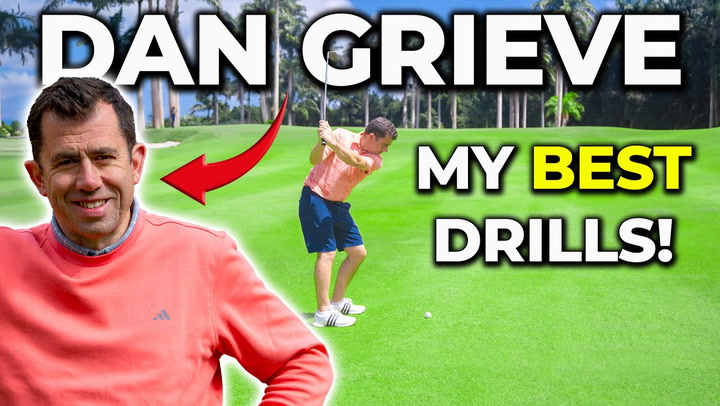
In this video short game extraordinaire and Top 50 coach Dan Grieve offers up 9 of his best short game drills to help you play the three most important shots around the green - the chip and run, bunker shot and pitch shot.
Video shot on location at Apes Hill Resort in Barbados.
Show More Show Less View Video Transcript
0:00
Hi I'm Dan Grieve and I'm here at the stunning Apes Hill Golf Resort in Barbados
0:04
and today we're going to talk about the three key shots that we all need in the short game
0:09
A chip and run shot, a pitch shot and a bunker shot and I'm going to give you three drills that
0:15
you can do within each shot to improve how you play it. Let's get started
0:22
So the first thing you've got to be aware of is how relaxed you need to be when you chip as in
0:28
most golfers are way too tight over the ball it's very difficult to get any feel any touch
0:33
when you're when you're gripping it as hard as most golfers do around the green so what I tend
0:38
to see a lot of amateurs doing is holding it like this you see how rigid my arms are really really
0:44
tight grip pressure probably 10 out of 10 and when I chip like that I've got no feel I'm probably
0:49
going to hit a lot of thin shots like that so if you recognize that shot this is the drill for you
0:54
just stand there in your golf posture here and let your arms just totally hang naturally and
1:00
what you'll find is when your arms hang naturally they have a slight bend to them like no one's arms
1:05
would be like this and if I was stood here just chatting to you like this you probably think I
1:09
look a little bit strange but a lot of you actually have your arms on the golf club like that so
1:12
just let your arms hang that is how they just sit onto the club then your triceps are nicely
1:19
connected onto the rib cage there and then when you chip you'll start getting a little bit more
1:24
feel and a little bit more flow in the shot and that's how you start getting touch when you chip
1:29
so rather than those really tight arms just let them hang naturally and i think that alone is
1:35
really going to help your chipping so one of the things i see in chipping a lot which really
1:43
compromises your strike is basically the player moves too much from side to side there's too much
1:49
what I call lateral shift in the motion. So a great drill to improve how you move in a chip shot
1:55
Remember a chip shot really should be rotational. It should be about having a fixed point running
2:00
through your lead side. So I try and imagine a rod running through my foot, through my knee
2:05
hip, shoulder and towards my left ear. So I create this nice line here and then I'm rotating around
2:10
As I say, most golfers would tend to move a little bit too much. Again, get thin shots
2:15
get heavy shots because there's too much movement. It's good to have a little bit of weight transfer
2:18
in full swing that's a good thing but in short game it is going to hurt you so feel like your
2:26
weight's going to stay here and the best exercise and drill you can do for that is where you go up
2:30
onto your trail toe like this and then when you do that you see and hit some shots you have to keep
2:36
the foot like this now if you start moving around it's going to be quite obvious because your foot's
2:40
going to plant back down on the ground so just as an exercise just hit chip shots with that foot
2:46
like that and you'll see how you'll start to get some really nice crisp strikes it will teach you this weight staying on that front side really nice
2:56
exercise I think if you do that drill it's really going to crisp up your low point and get you striking better chips
3:04
And the third drill which I think will really help you in terms of getting a
3:08
better feel for your chipping around the green is actually to experiment using different lofts. I think too many golfers stick to the same club too much around
3:16
the greens sometimes it will be the right loft but really in this situation here there's quite a lot
3:22
of green it's into the wind a little bit if i was to use something quite lofted there's a good chance
3:26
of it spinning too much and the ball wouldn't get there so you've got to consider the slope of the
3:31
green out here in Barbados we've also got the grain the grain is growing towards me that's
3:35
going to slow the first bounce down and also the length how much green you've got to work with and
3:40
also the firmness of the green is it firm or is it or is it soft and all those things go into the pot
3:45
and that helps you then select the right club. But first off, you've got to get a feel
3:49
for how the ball reacts. So I've got three clubs here. I've got a 52 degree, I've got a nine iron and a seven iron
3:55
And I'd love for you to go out and practise just with these three lofts pick four if you want you know your call but just put a little bit gap between the lofts and just land the ball in a similar place each time and then you just see how much that ball reacts
4:10
So I'm going to start with the 52 degree and I'm going to land this around about halfway towards the pin with my chip and run release one method and we'll see how that reacts
4:23
So it's landed there. It's had a bit of check, as you can see, and it's stopped fairly close to the hole
4:27
But I had to carry that a little over halfway with the conditions
4:31
Now, of the shots you can practice with, a lot of the clubs, there's a 9.9
4:35
Now, the 9.9 doesn't need to carry as far as that. And remember, this is one technique
4:39
The setup and swing is exactly the same. Even the speed is the same, but the ball's going to react a little bit differently now
4:45
So a 9.9 I can carry around about a third of the way
4:49
just over that light patch, and the ball's going to run more. because it's running more it's going to break more so i'm going to weigh more to the right
4:55
and you can see how that ball wants to run it has far less spin on it so it's running out a lot more
5:01
okay and it's by practicing with different lofts it gives you this instinct and this feel that you
5:06
don't get from using the same loft all of the time now i've got a seven iron in my hand our seven iron
5:12
more or less is a 25 carry so i can land that just onto the green and it's going to have even less
5:18
spin than an iron and it's going to run a little bit more. So you can see how that ball's really
5:23
running on really, really quick and then you start to learn which loft is most appropriate for that
5:29
pin. Now really for a 7 iron because I'm landing it on a down slope and there's not too much green
5:35
and it's really the wrong club. So that's how you start to learn. Now if I'm going right out to the
5:40
very back of the green now, so forget the pin for a second, so this green's what about 30 yards long
5:45
I can land this about 10 on and you can see how that ball is running out, running out, running out
5:51
running out all the way to the back of the green. So if the pin was right at the back it would be
5:55
the seven, the pin's a little bit closer, more than 52, pin in the middle of 99. And this is
6:01
just a great exercise to take the technique that you've got and put some feel into it by using
6:06
different lofts to start getting that feel for how the ball runs out differently so you can get
6:10
get to all the pin positions on the green. Okay so we've done the chipping now we're in the bunker
6:19
key shot I know it's a shot that intimidates a lot of club golfers and it shouldn't do once you
6:23
get the hang of the basics it's not a difficult shot at all. The biggest fault I see in the sand
6:28
is the golfer has too much movement side to side you need a little bit more speed of course and
6:34
having the ball in the sand intimidates the golfer and they start trying to hit the ball too hard
6:38
as a result there's too much movement side to side very difficult to control where you're entering
6:42
the sand then you either take too much sand or you get the ball first and we know that's a
6:47
disastrous shot that isn't when you get that thin one that flies too far so the first drill is really
6:53
making sure you get a really solid platform at address before you even take the club away so
6:59
really i want you to feel like your driver width the trail foot is slightly turned out
7:04
and your front foot wants to be 45 degrees so as a drill just mark a line in the sand
7:09
at the 45 degree angle and make sure your foot is really pointing down that line from there the
7:15
knee goes forward and your pelvis is forward this way and with the width I can really feel that I've
7:20
got a lot of rooting downwards which means it's very difficult for me to move too much side to
7:26
side it's very much a rotational movement so it all begins with that stance once you have that
7:32
rooting there it's so much easier just to rotate around and hit nice splash shots like that
7:39
rather than that side to side so begins with a solid platform okay in the second drill i want you to practice it's just it's a great exercise it's my favorite
7:51
one really and you just get the toe of your sand wedge turn it down and draw a line coming towards
7:56
you this way draw a nice line and then just work down the line don't need a ball for this because
8:01
Because two things that golfers struggle with, one is the impact point as in trying to hit that right sort of one to two inches behind the ball And the second is getting the right noise and the noise is everything obviously no noise at all you going to thin it too much noise too much sand okay you going to leave the ball in you trying to get that nice
8:18
smack of the sand where it just clips it so work your way down the line start at this end
8:23
give yourself that platform i just mentioned and see if you can hit that line so that would have
8:29
been a really nice shot you can see the entry point was just behind it and it splashed through
8:33
and most importantly I've got that great noise so can you get another great noise there we go
8:38
and you keep working down that line and keep trying to hit that and it'll give you a rid
8:44
so look at my shots there every single one of them has just entered at exactly the same point
8:50
so I know my entry point is really consistent if your entry point was way back or way forward
8:54
it wouldn't take long doing this drill to really get some consistency and you can start instinctively
9:00
be making the changes you need to get that strike point more on the line. You could then have a ball
9:06
at the end of the line so you're working down it, getting that smack of the sand, hitting that line
9:11
and then you just walk into your next one with the ball there and then you hit a nice bunker shot
9:17
So really simple exercise to improve your low point control and get the right noise which is
9:22
critical for that splash shot out of the bunker. Right so the final drill I want you to practice
9:30
when you're working on your bunker play is to keep your chest moving through it. This is the
9:35
most common fault I would tend to see out of the green side bunker where the player just basically
9:40
quits on it like this so they're coming down quite nicely and then this happens, body stops
9:45
club decelerates and then you're playing a second bunker shot which is definitely what you don't want
9:49
so when I play bunker shots I feel like my chest is turning even as I'm watching the ball go through
9:56
the air I am still turning so what I don't want to do here is just face the flag I want to face
10:02
left of it so there's some palm trees up there I'm going to keep turning to and my job is to
10:08
make sure I rotate past the flag so we're not going to quit on it this time you're going to
10:13
hit the shot and as an exercise and don't mind where the ball goes when you're working on these drills by the way you're working on your technique try and get away from outcome it's more about the
10:21
process here so as it's going through the air i'm still going to be turning still rotating as it's
10:28
going through and that is what allows the ball to have the momentum that it requires because the
10:35
sand is working the ball out let's do that one more time keep the chest moving see how the chest
10:42
has gone so but my right side is still down my chest is pointing over in that direction
10:47
instead of the flag because I'm turning past it and if you do that you're going to get more
10:52
commitment through the sand and you're going to get more out first time and hopefully nice and
10:56
close to still get that up and down. Okay so we're now into pitching. Now pitching is the third area
11:05
of the short game which people really struggle with and they struggle because they don't really
11:08
know if it's long game or short what what exactly is this awkward 30 to 60 yard shot well for me
11:14
it's definitely in the short game family that means we're still creating that firm point down
11:19
that left side that pivot line there in which we rotate around so it's still very much a rotational
11:24
movement we don't want that side to side movement which you would associate a little bit more with
11:29
full swing so that's the first thing to understand and it's important to build connection and you
11:33
want to build connection with the ground to really make sure that you have that nice strong base
11:38
it's a narrower stance for pitching but you want to really feel like your lead side is pushing down
11:43
you want the difference between sort of standing on the ground and really rooting yourself on the
11:47
ground so first thing get connection with the ground that's going to stop a lot of that tendency
11:51
to want to sway too much and the second point the second drill I want you to work on is really just
11:56
getting your sleeves and just sort of tucking them a little bit here because we want the triceps to
12:00
be connected to the rib cage and then from there you're going to feel like not only you've got the
12:05
connection with the ground, you've got the connection with your arms on your chest and all of these factors here are going to lead you to get better control when you pitch Let give that a go So pressure down through the feet triceps connected and rotate the chest around the feet And then we get a nice pitch shot like that If you note how my right foot is
12:25
quite quiet, it hasn't driven through. We get a nice controlled shot in there and hopefully
12:30
still make the par. So pitching, it's all about connection with the ground and the arms
12:34
on the body. And the second drill I'd really like to work on
12:41
with your pitching is actually start to vary your trajectory a little bit. Don't feel that's above you
12:46
Anyone can do this. And you can do it very simply by just changing lofts. So if you're into the wind a little bit
12:52
it's probably not a good idea to use a lofty club like a 56, a 58 or a 60, and the ball would go too high
12:57
the wind would stall it and it would come up short. I'm sure you've done that quite a few times there
13:01
So if it's into the wind, let's get the flight down a little bit
13:06
Let's put it in lower. And the easiest way to do that is change lofts. So I used a 56 there for the previous pitch shot
13:12
It was a nice flight, had lots of spin, but that spin into the wind would hurt you
13:17
And also if the pin is at the back of the green, you'd really want to be going a little bit lower as well
13:22
So I've now got the pitching wedge. So it's a 47 degree pitching wedge here
13:27
and I'm going to play the same technique. It's still connected, still got the pressure down
13:32
but the flight's going to go in lower. Imagine it going through the wind or to a back pin
13:36
just a simple loft change. you can see so much lower ball flight stance is the same it's got to the back of the green there
13:45
much easier doing that than really trying to hit it really high the wind is actually quite a bit
13:49
into here today at apes hill so we've got to make sure we control that ball flight so if you were
13:54
just to practice hitting kind of the same carry number you choose a carry number it might be 60
13:58
for example can you use your 56 or 58 whatever you carry and can you hit a 60 yard shot flight it up
14:05
obviously when you're hitting it high there's going to be a little bit of a longer follow through but then can you also flight it down go to a pitching wedge and hit the lower shot by
14:14
finishing a bit shorter but primarily it's a loft which is going to change your trajectory and then
14:19
you can start accessing different pin positions and getting through the wind or downwind better
14:24
by changing the loft okay it's all part of building the iq improving that and linking it with your
14:29
technique to pitch the ball better right now the final drill i want you to work on your pitching is
14:37
a T-Peg drill. It's my favourite drill. It's the one that I've used the most with players of all
14:41
levels to really pitch the ball better because I think a lot of golfers don't understand how you
14:46
hit that sort of flighted shot which gets a lot of spin and really it's where you hit the ball on
14:51
the face. You wouldn't be hitting it really on that third and fourth groove which hits that lower
14:55
flighted shot with lots of spin. The best way to practice it is the T-Peg. So you tee it up
15:00
like a driver, high as a driver, use your 54, 56 and hover it just at the bottom of the ball
15:08
and don't think too much about it. Let your instinct do it but your whole, the whole idea
15:13
of this drill is clipping the ball more rather than driving it. So if you're hitting down big
15:18
divots really kind of down onto the ball and getting a high face contact this will be superb
15:23
for you to learn how you can clip it more which will then hit it in with a little bit more spin
15:28
so the goal here is very simply can you hit it off the t-peg without moving the t-peg if it just
15:36
disturbs a bit that's not a problem what you don't want to do is break it basically so we're going to
15:40
clip it off the top and see we can hit one in there that's loaded of spin it's got about a yard
15:45
of draw and if you can see that land it's actually spinning backwards and coming back towards the
15:50
hole so and the t-peg is still there which is the main goal so great exercise to get you hitting it
15:55
out the correct part of the club face and hitting that low flight of a really
15:59
high spinning pitch shot the tee peg drill. So hopefully that's giving you some
16:04
key drills that you can work on to improve the shots that we all need when
16:08
we play chip shot around the green, the pitch shot and the bunker shot you've got
16:13
some key points there you can work on to improve your short game and enjoy this
16:17
great game of golf even more. All the best
#sports
#Golf
#Sports Coaching & Training