Up next in 10



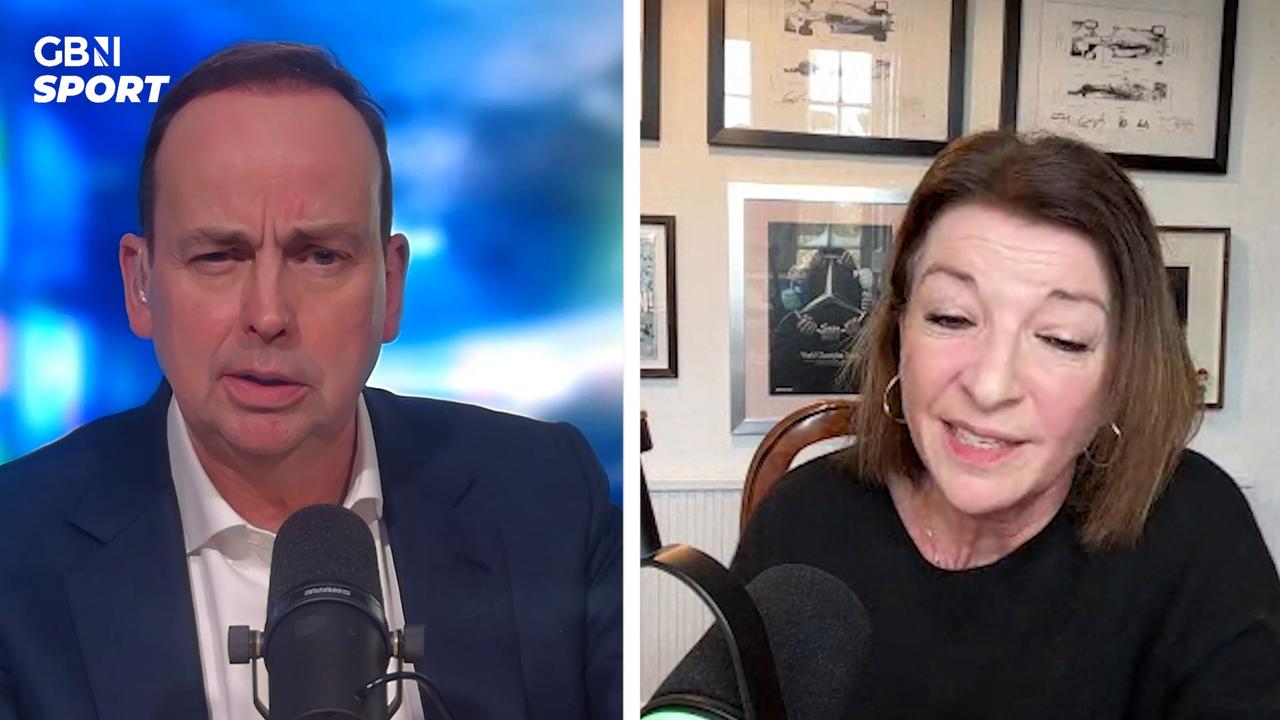
Formula One has entered a brand-new era in 2026, with major rule changes already in effect following the opening two races of the season.From increased electric power and sustainable fuels to the removal of DRS and the arrival of new manufacturers like Cadillac and Audi, the sport is undergoing one of its biggest transformations in years.GB News's Paul Coyte breaks down the biggest Formula 1 regulation changes in simple terms before speaking with motorsport presenter Holly Samos, who explains what the new rules mean for teams, drivers and the future of the sport.WATCH ABOVE FOR MORE
Show More Show Less View Video Transcript
0:00
I think new regulations bring new opportunity
0:04
It's also brought Audi into the sport. It's brought Cadillac into the sport
0:08
It's brought all of these other new PU manufacturers into the sport, which is incredible
0:13
And of course, it mixes up the status quo. We'll provide a lot of action and a lot of input and feedback from the driver to the teams
0:25
I think I'm really excited to see how it kind of unfolds. There's so many new things happening this year
0:29
There's so many new teammates. How do we even have a whole new team
0:33
Like, there's so many unknowns. It's really exciting to see kind of how everyone takes that on board. OK, sports fans, I've got a question for you
0:43
What happens when Formula One tears up the rulebook and starts again
0:48
Do you know? It's because the 2026 season is already underway. The lights went out for the opening race of the Australian Grand Prix
0:55
And with it, a brand new era for the sports. I'm Paul Coit, and welcome back to Sport on GB News Originals
1:03
Now, if you've heard Formula One fans talking recently, you'll probably know that they're only talking about one thing
1:09
There's one topic dominating the conversation, and the major rule changes is what it's all about
1:15
that have just come into force. Now, some say they'll transform the sport for the better
1:21
Others think they could completely change the character of Formula One. So I'm going to try and break it down simply
1:28
Bear with me, this is as good as I can get. The headline change is that Formula One cars now rely far more on electric power
1:38
You know why, don't you? The cars still use hybrid engines, which combines a traditional combustion engine with electric energy systems
1:46
Are you still with me? But under the new regulations, the electric side of the power unit is much more important than ever before
1:55
Now, at the same time, sports introduced 100% sustainable fuel, part of Formula One's attempt to reduce its environmental impact
2:04
whilst keeping performance fans expect. But there's another change that regular viewers may notice straight away as well
2:12
It's the DRS system. Now, it's the adjustable rear wing that help drivers overtake on straights
2:19
That's gone. So that's been removed under the new rules. So there is something else instead
2:24
teams will now rely far more on how they generate and deploy electrical energy during races which
2:31
means strategy energy management and timing could become even more important during your grand prix
2:38
i'm just kidding are you still with me i don't want to lose you are you still with me okay the
2:44
regulation change has also attracted new manufacturers to the sport as well german
2:48
automotive giant Audi are using their Vorsprung Dirk Technic to the max now
2:54
by taking over the former Sauber team in Formula 1 as a
2:58
full factory operation. An American brand, Cadillac, has made its debut as the sport's
3:07
newest team, becoming the 11th team on the grid when the season began
3:10
in Australia. Now, more manufacturers, what does that mean? It means more investment, more money
3:17
more engineering, more competition, and potentially a much more unpredictable championship, which surely is good for everybody
3:25
But not everybody is completely convinced yet. So drivers have spent months testing these new cars, as you can imagine
3:34
and some have already had their say. Four-time world champion Max Verstappen summed it up rather bluntly in the way that only Max Verstappen can
3:43
describing the feel the new era has of being a bit like Formula E on steroids
3:51
In other words, still incredibly fast, but with much more focus on electric power and energy management than ever before
3:58
Now for some drivers, it's an exciting evolution. For others, it raises questions about whether Formula One
4:04
could start to feel very different from the sport that fans have known for decades
4:09
The truth is, whenever Formula One introduces major regulation changes, the competitive order can shift overnight
4:17
So the big boys will be thinking, maybe this isn't so good for us, whereas others are thinking, there's a great future now
4:25
Some teams interpreted the rules perfectly. Others take years to catch up
4:30
Now, we've seen it happen before when hybrid engines first arrived back in 2014
4:34
One team mastered the technology faster than anybody else and dominated the sport for years
4:40
So the big question now is simple. Will these new regulations make Formula One closer and more competitive
4:49
Or will they create another era where one team pulls away from the rest
4:55
Now, if you're still trying to make sense of it all, please don't worry. Formula One regulations can sometimes feel like another language entirely
5:01
And that's even for people that actually work within it. So to help us break it all down, we're bringing in someone who knows the sport inside out
5:09
Joining us now, old friend of mine, motorsport presenter, Formula One expert, Holly Samos
5:15
who's going to explain what these rules changes really mean and whether they're improving the racing
5:21
Holly, great to see you. Good to see you too, Paul. Really nice to talk to you
5:26
So firstly, before we get into the ins and outs and everything that's going on at the moment
5:31
your life with F1 is it because you imagine it's so exciting and traveling somewhere different every
5:38
week and around the world or does it get a little tiring and it's just an here we go
5:43
next week it's Sao Paulo well certainly when I mean I don't do all the races anymore but when
5:49
I started in F1 it was 20 years ago and I was pit lane reporter for the BBC and I went to every race
5:57
There were 17 races back then. Now there are 24. So it is very different in 2026
6:03
But when I was doing it, it was kind of like getting on a bus. You know you just get on another flight and you go to another place and you don really see the place that you at because you are at the track from Thursday through to Sunday and then you leave you know so it is that kind of crazy competition global competition but it
6:22
brilliant it's one of those sports where the more you know the more you love it and over the last
6:28
sort of 20 years the sport has grown unbelievably huge because of things like Netflix because of
6:36
social media because of podcasts because of you know all the kind of the media that goes on and
6:42
and obviously with drive to survive and the pandemic it really opened the sport up to new fans
6:47
and now there's like over 800 million fans globally and loads of women it's like near 40 45
6:54
women now it's brilliant it's changed a lot and obviously now I do a lot of podcasts for the BBC
7:02
and work for the teams and do lots of kind of freelancing
7:06
So I'm still involved in the sport, which I love so much. Changes, though
7:11
I mean, can you keep up with this quite easily? I know you're right in the middle of it, but do you look at this sometimes
7:17
and think, hold on, what's going on here? Why, how, et cetera
7:21
Because this is the problem I'm having, and I'll be honest with you. There is a lot of change
7:27
It's a real technical sport. That's the thing with Formula One. It's kind of on the same par pool as NASA
7:35
Do you know what I mean? It's like space travel and it is the pinnacle of motor racing
7:41
And yes, there are a lot of changes for 2026. Usually they, every sort of seven or eight years in F1
7:49
we change things like we'll change the chassis or the aerodynamic rules
7:53
or we'll just change the engine or maybe the tyre manufacturer will change
7:58
whereas this time for 2026 it really is the biggest shake-up that that the sport has ever
8:04
seen in history because everything has changed it literally everything the chassis the engine the
8:11
rules i mean it's just it it's it's so even the fuel has changed you know it's so complex i mean
8:19
why why why all of a sudden now we're going to change everything is it is it because of
8:23
the sustainable situation is that the main reason for this or because everything's going so well
8:29
so why would you want to change it you can't sit still paul you can't sit i know that's half my
8:34
problem that's always been the way that's why i'm still on the rally chopper though holly that's the
8:38
reason for that i mean there's there's a sport for everyone isn't there but uh yes but no it's
8:45
i think it's because the sport definitely wanted to attract more manufacturers so uh because this
8:52
sport wants to carry on growing um the the development of the sport it's it's kind of
8:58
i don't it's kind of like you you have to you have to keep moving it is an evolution and so
9:05
you know the sport can't sit still yes it's been going really well and we've got these great teams
9:10
but for 2026 we've got an 11th team that has joined cadillac they've got gm general motors
9:16
behind them who are coming in to make their own engine in a few years time and you've got ferrari
9:22
you've got Audi who have just joined, who've taken over the Sauber team, you've got Mercedes
9:28
you've got Honda who were leaving, but they've come back, you know, to keep all of these
9:32
manufacturers involved in the sport, which is the future of the sport, then you've got to keep
9:38
moving. I mean, that's what it's all about, isn't it? It's just the evolution of the sport. And
9:43
and I think a lot of fans don't like change. Nobody in life really likes change
9:51
In this country, isn't it? I mean, I think that's a Brit thing
9:54
I mean, we like to, I guess probably you look to America
9:59
I'm just guessing. I'm just surmising, but it seems that way always to me. Yeah, exactly
10:03
I mean, a lot of people, you know, any change in any sport
10:07
there will be a lot of fans out there that will complain. And they know better because, you know
10:12
they think they're the technical directors or they think they're the referees. What about within the sport
10:16
Well, is it drivers generally stick together? Do engineers stick together? Do team owners stick together
10:25
Or is that all varied as well? What do you mean stick together? What do you mean
10:28
Well, I mean, as in their view of whether they think it should change or not. Oh, well, the teams are involved
10:33
I mean, the teams are involved in the sport. You have the FIA, which is the governing body
10:38
They make the rules and the regulations. You've got F1, who are the commercial side, and then you've got the now 11 teams
10:44
and they're all involved so they are all involved in the rule making and they all have a say but
10:50
ultimately the FIA make the rules um so yeah there's there's everyone's got an interest there's
10:57
it's a huge there's a lot of money in this sport so yeah everyone has an interest there's a lot of
11:04
involved um but as I say you you know they want to attract new manufacturers and they want to keep
11:10
evolving the sport and and I think with the changes we've only seen one race so far we saw
11:16
Australia last weekend it's China this weekend so it's a back-to-back race um we've got you know
11:22
well maybe not 24 races this year because of what's going on in the Middle East but we'll see
11:27
there's going to be announcement about that soon but the there's going to be a lot of development
11:32
there's going to be a lot of change there's going to be a lot of learning you know the thing in F1
11:37
that a lot of fans don't understand as well, is that you only get a few days testing the cars
11:44
these brand new cars. So these teams and the engine manufacturers have been working on these cars
11:50
developing these cars for years, knowing that this regulation change was going to happen in 2026
11:58
And you only get, I mean, this year, we only had nine full days testing the car
12:03
Usually the team gets three days testing. So that means one driver, Lewis Hamilton, will get one and a half days testing his car
12:10
He's not allowed to test that car away from a race weekend throughout the whole year
12:16
So there's a lot of kind of jeopardy involved as well, you know
12:20
When you say, sorry, Holly, when you say jeopardy, though, is that danger
12:23
Because I know there been talk about there could be trouble you know this could cause problems This could cause more accidents They get on top of it these are the smartest brains in the world you know like i said earlier is they kind of akin to space travel there a lot of very smart engineers that are involved in f1
12:39
and they will they are learning on the job slightly because of the changes which we'll
12:45
talk about for 2026 but um safety is paramount in a formula one and yes there are a few tweaks
12:54
that will probably need to be made as the FIA are learning
12:59
and as the teams are learning. But you've got to remember, everything is different in F1
13:04
It's not the same car. It's not the same engine. You know, it's a proper competition
13:10
Some teams have done better than other teams. And some drivers, because so much now is about the driver's input as well
13:17
it's not just about what they're driving. And it's not like the old days either, where it is just
13:23
or it used to be a steering wheel, a throttle and a brake. It hasn't been like that for years
13:28
You know, there's a lot of management involved in how you drive these cars. So a lot of it is brain power with the drivers too
13:34
So it's going to be fascinating. Do you like it? I love it
13:39
Yeah? I love it. I love F1. And when I first started, I used to work in music
13:44
I used to work with you, Paul. You did. And when I first got involved in the sport, I was just a fan
13:50
I used to watch it at a weekend. I used to talk about it on the radio and I just used to really love it
13:55
And then the more I got involved, the more I learned. And the people are so great in F1 and it's really fascinating and it's fast and it sounds good
14:06
But the innovation is unbelievable. And, you know, a lot of these teams, when these regulations come out every few years, every sort of seven, eight years
14:15
a lot of these teams kind of think, OK, we need to actually invent this
14:19
This doesn't exist. so for example this year we have um the fuel is different it's like advanced kind of sustainable
14:28
fuels and obviously every sport everyone has to look at sustainability now but these advanced
14:36
sustainable fuels have never existed before so these companies are actually creating this and
14:43
you know as i say motorsport is the forefront of of formula one is the forefront of motorsport
14:49
and it does kind of tie over sometimes with the road industry
14:54
with the airline industry. You know, who knows which way our lives can go in the future
14:59
because of these sports. So it's really, really interesting. But the development and the innovation, it's just brilliant
15:08
to be part of and to kind of really deep dive into. So without diving too deep, the changes
15:16
then what are the changes that maybe, I mean, are you, When I was saying you like it, I was mainly referring to the changes
15:22
You're happy with the changes. Do you like this because it's moving the sport on
15:26
And which changes are the main ones, you think? Well, we've only seen one race yet, as I say
15:31
And, you know, there was a lot of comment after that race, but I enjoyed the race
15:36
It was an enjoyable race, you know. At the end of the day, even if you don't know exactly what's going on
15:42
underneath the chassis, you want to see a competition. You want to see different drivers winning. You want to see a team that's, you know, potentially got a faster car in corners or a faster car on the streets or does better in a sprint race that we've got this weekend
15:58
So, so that's it. That's sport. Exactly. And sometimes, you know, some teams, football, tennis, people do it better than your competitors
16:08
You know, that is what sport is all about. But basically there are there are a group of changes in F1
16:14
So you've got the hybrid engines now. So this is one of the biggest changes is that it's a 50 50 near 50 50 split between the internal combustion engine and battery
16:25
Now, obviously, in our road cars, we're all trying to drive electric. We're trying to get more sustainable
16:30
We're going to we're looking into the future, aren't we? So that's one of the biggest kind of changes
16:36
but um the energy management is actually uh the drivers are in charge of this you know so so
16:45
driving around a lap they have the battery and that's connected to the turbo and you know it's
16:51
all complex but they are careful because you're getting very technical but i'm still with you okay
16:58
keep going charge of their battery deployment and it's all about tactics and some drivers
17:03
are learning this on the job, basically. There's a lot of simulation work that they do
17:08
before they get to Australia, which was last weekend, which was the first race of the season
17:14
But that battery, being recharged, how you utilise it, that's part of the sport now
17:20
So they'll all get used to it. Some teams have done better than others. Mercedes doing particularly well at the moment
17:26
Red Bull, they've got a brand new powertrain. They've teamed up with Ford this year
17:31
who are new to the sport. huge american company you know and they're kind of learning on the job because it is so complex
17:38
and there is so much development with it with it um but there is always change in f1 and i just
17:44
kind of think i'm going to let it go and see what it's like and see what sure what the racing is
17:48
like you know so that's that's kind of one of the main changes and then you've got the advanced
17:53
sustainable fuels which i've already mentioned you've got much smaller lighter cars so they're
18:00
a lot more nimble they're a lot more kind of racier which is nice and all the drivers really
18:05
seem to be enjoying their smaller cars um you've also got active aero which is when the drivers can
18:12
adjust their own wings the front and rear wing you've got overtake mode and you've got a boost
18:17
button and that's about it but the drivers are in charge you know and so it is different it's not
18:23
like i said it's not steering wheel throttle and brake and that's it is go as fast as you can it's
18:29
a bit of a thinking game as well. So I'm willing to give it, you know, just give it time and see
18:34
where it goes. So I guess all bets are off at the moment. I mean, we all know who our favourite
18:38
drivers are and who are the most talented drivers But at the moment with the cars and the teams nobody can really predict can they Not at the moment I mean at the moment Mercedes seem to have the fastest car
18:51
So they've made a very good engine, but they supply that engine to other teams as well
18:56
So McLaren get that engine. Also, Alpine get the engine and Williams get the engine
19:04
So, but it's the chassis has changed as well. So if the actual car is changing, then it depends whether you've done a good job on the car
19:14
So at the moment, it's kind of like Mercedes definitely up there
19:18
George Russell seems to be setting the fastest times. As I say, we've only had one race so far. We've got China this weekend
19:25
You've got Ferrari right behind them. Completely different concept, but the same within the same regulations
19:32
And you've got two amazing drivers for a Ferrari too. and then you've got McLaren and Max Verstappen at Red Bull and he's got a new teammate this year
19:41
Isaac Hadjar who's really good so you've kind of got those top four teams and I think that at the
19:47
moment Mercedes are at the top but I think that's going to move around for the first kind of quarter
19:52
of the year if not longer and then you've got the midfield which is really tight you've got Haas
19:58
you know you've got racing bulls it's it's really you've got Audi in there this new team so it's a
20:05
it's a kind of you're going to get a lot of moving around and I think when there's a new
20:08
rule change when it's a new era in Formula One you do tend to get the jeopardy that we talked about
20:16
you know we've got this brand new team Cadillac I mean they could score points which would be
20:20
unheard of in any other year but because it's new if you have reliability problems at the front
20:27
then suddenly you can get into the points you know so so there's a lot of chance um and then
20:34
And there's a lot of, yeah, fragile cars out there still. From what you say, Holly, and the millions
20:40
tens of millions of people around the world that are really into this and trying to think
20:44
well, you know, we were going to keep moving. That would be, how do we get those people
20:48
who are not into F1 and get them into it that may be thinking, I need more competition
20:54
Maybe I want more, you know, those little things. So it's almost like they're being covered off
20:59
and then more people will come in and then more people come in and join this world
21:02
There were, absolutely. And, you know, the last sort of era of F1, it was quite hard to see overtakes
21:11
So, you know, because of the complex nature of these cars, you couldn't get close enough to the car in front to overtake them, even if you were quicker
21:20
And so they're trying to address that change as well. They're trying to have it more racy
21:24
Now, whether it's where you use your battery, whether you save enough battery, whether you can overtake, but then you're out of battery and then the other person overtakes you
21:32
it's still a spectacle so that's a cool thing i think personally um but yes how would that work
21:39
in how would that work in monaco though because monaco is the one place that's kind of difficult
21:44
to overtake isn't it and the overtaking is going to be are they going to because i know also that's
21:49
the the grand prix that everybody for the outside or anybody would look at it's the romantic grand
21:55
prix it's the what are the oldest and that was almost going to disappear was it there was talk
22:00
that that was going to disappear. Yeah, I mean, it is the pinnacle, isn't it, of all tracks
22:04
And it's so beautiful there. But now the cars are a little bit smaller
22:08
It might even be better. I mean, I think that's the beauty of sport, you know, Paul
22:14
There's a lot of people that like to know what's going to happen, whereas I'm the opposite
22:19
I kind of sit there thinking, I don't know what's going to happen. I don't know who's going to win
22:23
I don't know whether this rate is going to be any good or not. You know, in Australia last weekend, there were like near 150 overtakes compared to 45 last year
22:32
Now, a lot of people will say, yeah, but they were because of your battery deployment and your battery management
22:38
It's like, well, so it was still a space. It was still good to watch. I enjoyed it
22:43
You know, there's always going to be those. There's always going to be people that I shouldn't be this way. It shouldn't be that way
22:49
But it's all about the majority. And if it makes it a better spectacle, then then listen, I'm all for that
22:55
Tell me about F1 Back at Base. Oh, well, we made a podcast basically a few years ago called F1 Back at Base
23:03
that is basically about everyone behind the drivers. You've got these two incredible drivers in every team
23:10
who compete against each other as well as for their team to win the championships
23:14
There's a Constructors' Championship and a Drivers' Championship. But there are a thousand people that work behind those two people
23:21
And some of the drivers are 18 years old. And, you know, they're taking on this huge manufacturer and they're like an ambassador for the team as well as a racing driver
23:32
And, you know, as I say, the sport's just grown enormously over the years. So it was just an idea that my colleague Sarah Holt and I had
23:43
We've both worked in F1. I'm a broadcaster. My colleague Sarah Holt's a F1 journalist
23:48
And we just thought, you know, we really want to sort of show the stories behind the drivers
23:53
so it's called F1 Back at Base and we're on our third
23:58
series, we've just released our third series for the BBC but you can get it
24:02
on any platform, podcast platform and it's just stories about what is going on behind
24:07
the scenes so we really, we have the access, we know all the people in F1
24:12
and it's a very closed shop it's very secretive Formula 1 but they let us in because they like us
24:17
and so we get behind the scenes Congrats, it's terrific Thanks Holly. Lovely to speak to you
24:24
Thank you so much for your time and have a fantastic season. Thank you so
24:27
much. Speak to you soon. So there you have it. The new era
24:32
of Formula One explained as well as we possibly could. Not bad for us
24:35
considering most weeks we're talking about football and of course recently found ourselves covering the
24:39
Winter Olympics as well. Now we've dipped our toes into Formula One
24:43
and I feel I may need a pit crew. Anyway, thanks to Holly Samus for helping us make sense of it all
24:50
I hope you enjoyed this episode. If so, make sure you hit please the subscribe button for more
24:56
And this has been Sport on GB News Originals. And I'm Paul Coit. And as always, thanks for watching
#news
#Sports News
#Motor Sports
#Auto Racing